Chengdu is the capital of Sichuan, a relaxed, food-obsessed city of teahouses, pandas and spicy cooking, and a base for some of the best day trips in western China. The city’s sights fall into a few clear groups: the pandas to the north, the old lanes and teahouses of the centre, the Three Kingdoms district around Jinli in the south-west, and the great sites of Leshan, Mount Emei, Dujiangyan and Sanxingdui within a day’s reach. The first decision is how long you have, and the second is what to book ahead.
How many days
Three days is the minimum and lets you do the pandas, the old town and one big day trip. Four to five days is better: add Leshan or Dujiangyan, a cooking class and a slower evening of food. With a week you can spend a night on Mount Emei and see Sanxingdui as well.
What to book first
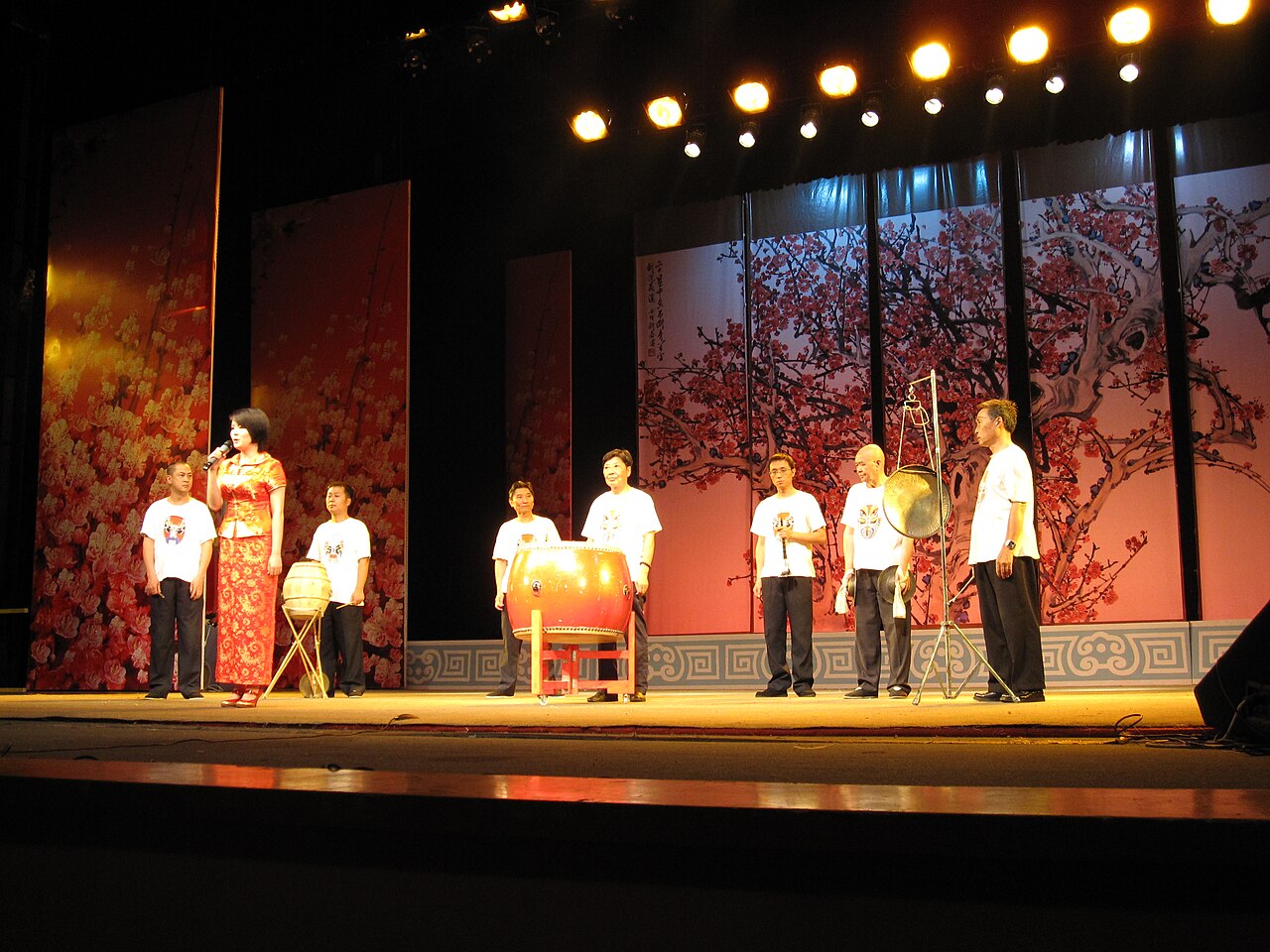
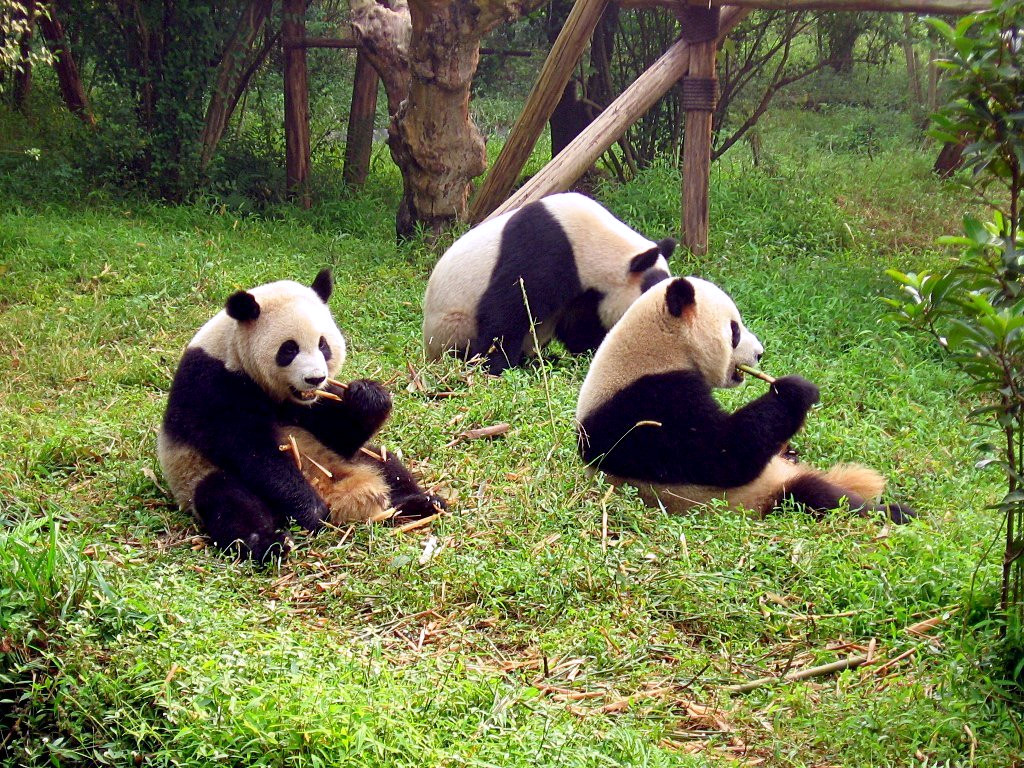
The panda base is the headline sight, and entry is usually reserved in advance with your passport details, so book as soon as your dates are firm and plan to go at opening, when the pandas are fed. Day trips to Leshan and Dujiangyan, a Sichuan cooking class and an evening food tour are all popular and worth reserving a few days ahead. A Sichuan opera show with face-changing is best booked for a set evening.
The free sights
Jinli Ancient Street, Kuanzhai Alley and People’s Park are free to enter and open all day, so they fill the gaps. Jinli is best at dusk when the lanterns are lit, Kuanzhai Alley suits a morning stroll and a courtyard teahouse, and People’s Park is where you sit in a bamboo chair and drink tea the way locals do.
Day trips
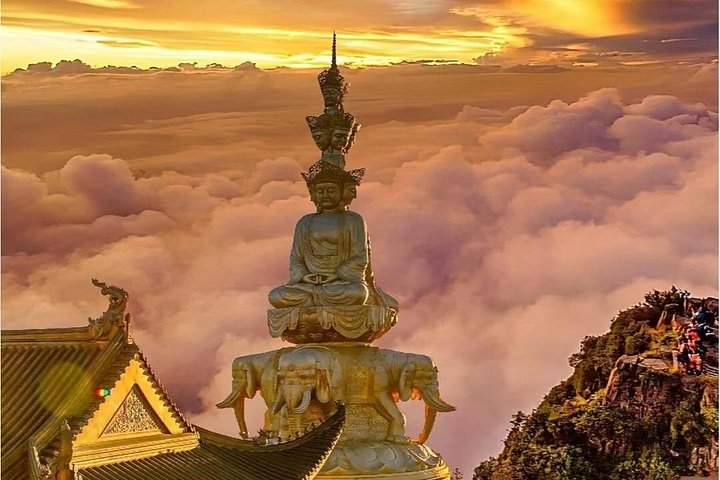
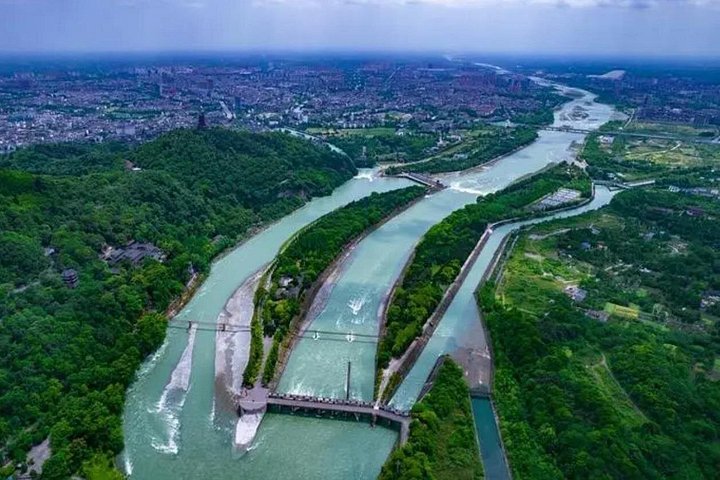
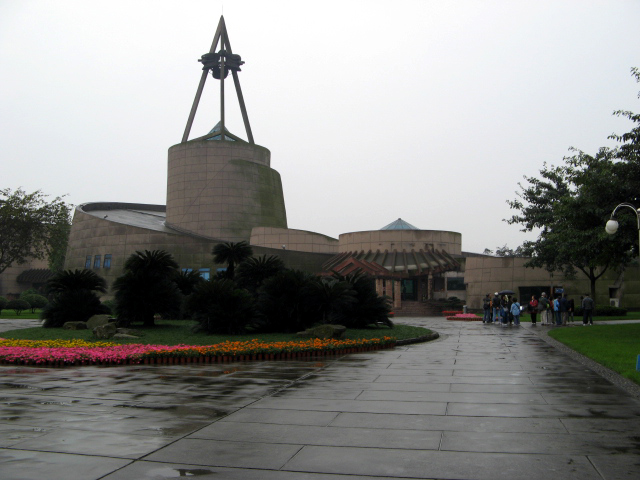
Leshan Giant Buddha is the easiest, about an hour or so from the city, and the 71-metre cliff carving is unforgettable. Mount Emei is better with an overnight stay, as it is a large UNESCO mountain of monasteries. Dujiangyan, with its 2,000-year-old irrigation system, can be paired with Mount Qingcheng or a panda park. Sanxingdui, a museum of Bronze Age masks, lies north in Guanghan. Pick two, not four.
Panda volunteer programmes
Several operators sell paid volunteer days at partner panda bases such as Dujiangyan. They involve supervised tasks like cleaning and feeding, and rules on contact with animals vary, so ask exactly what is included and how animal welfare is handled before you pay.
Getting around
The metro is clean, cheap and signed in English, and ride-hailing apps and taxis fill the gaps. Many places prefer mobile payment, so set up a payment app that accepts foreign cards before you arrive and carry some cash as a back-up. For the panda base and the day trips, a guided option or a private car saves a lot of fuss. High-speed trains serve Leshan, Emeishan, Dujiangyan and Guanghan.
Food
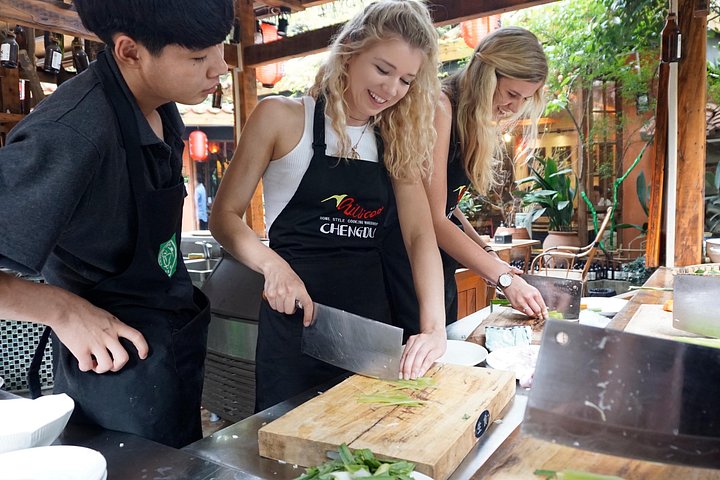
Eat as much as you can. Hot pot, mapo tofu, dandan noodles and a thousand small snacks are the city’s pride, and a cooking class or a street food tour early in your stay teaches you what to order afterwards. Spice is real, so ask for mild options if you need them.
Entry rules
China has expanded visa-free entry for visitors from many countries, and offers a 240-hour visa-free transit for travellers continuing to a third country, but the rules, eligible countries and permitted stays have changed several times. Check the current requirements for your nationality with the Chinese embassy or consulate, or the national immigration authority, before you book flights, and carry your passport everywhere.
When to go
Spring and autumn are the best seasons. Summers are hot and humid, and winters are cool, grey and damp, though mild by northern standards. November is often overcast but comfortable, with thinner crowds, and the cool mornings suit the pandas. Avoid China’s national holidays if you can, when every sight is packed.
A simple plan
Day one, the panda base at opening, then the old town and an evening opera. Day two, a day trip to Leshan or Dujiangyan. Day three, a cooking class, Jinli and Kuanzhai Alley, and dinner at a hot pot restaurant. If you have more time, add Sanxingdui and a night on Mount Emei.