Chengdu was named a UNESCO City of Gastronomy, and eating is the main reason many people book the trip. Sichuan cooking is often reduced to chilli heat, but the real hallmark is the combination called mala, a pairing of chilli with the numbing tingle of Sichuan pepper, set against sweet, sour, salty, smoky and pickled notes. A few days of eating well here will change what you think of Chinese food. This guide covers what to order, how to cope with the spice and where to start.
Hot pot
The signature group meal. A simmering pot of broth, often a split pot with a red, chilli-laden side and a milder one, sits at the centre of the table, and you cook plates of thinly sliced meat, tofu, mushrooms, greens, tripe and noodles in it. The classic dipping sauce is a bowl of sesame oil with garlic and coriander, which cools the heat and coats the food. Go with friends so you can order widely, ask for the mild or clear side if you are new to the spice, and do not leave food in the pot to overcook. It is a long, social meal, not a quick one, so leave the evening free.
Dishes to learn by name
Mapo tofu, soft tofu in a fiery, fermented bean sauce with minced meat, is the city’s most famous dish. Dandan noodles, served with chilli oil, preserved vegetables and minced pork, are a common street breakfast or lunch. Twice-cooked pork, kung pao chicken and fish-fragrant aubergine show the sweet-sour-spicy side of the cuisine, and dry-fried green beans are a dependable side. Cold plates such as sliced beef and tripe in chilli sauce are good starters, and a bowl of wontons in red oil is a favourite snack. Ask for dishes by name, written in Chinese if you can, because translated menus are inconsistent.
Street food and skewers
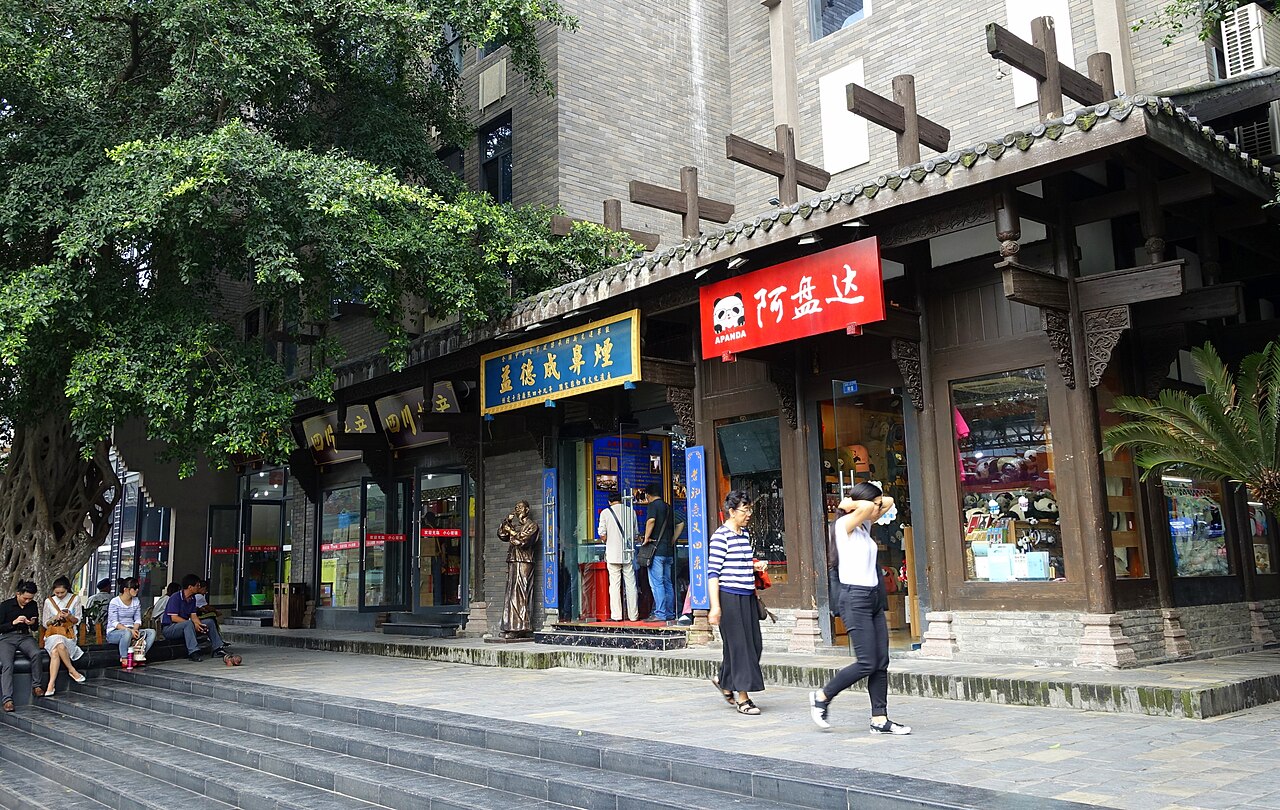
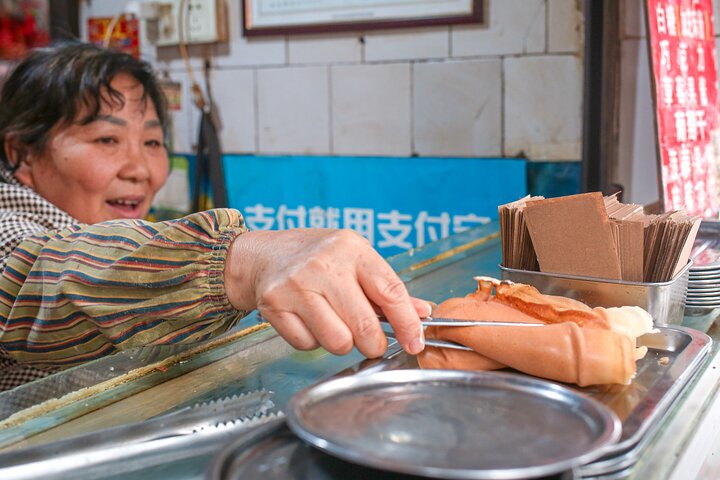
Chengdu snacks come in small portions, which is the point: dumplings in sweet soy sauce, glutinous rice cakes, noodles and sticky sweet treats, plus barbecue and the skewers dipped in a bubbling chilli broth that locals call chuan chuan. Street food is best in the evening, at busy stalls with a high turnover, where you can watch the food being cooked in front of you. A guided food tour early in your stay is the quickest way to learn what to order and where; ours covers the tuk-tuk route in detail on the Chengdu Street Food Tour by Tuk-Tuk page. Jinli Ancient Street and the lanes around Kuanzhai Alley are good places to graze, though prices are higher than in neighbourhood streets.
Cooking class
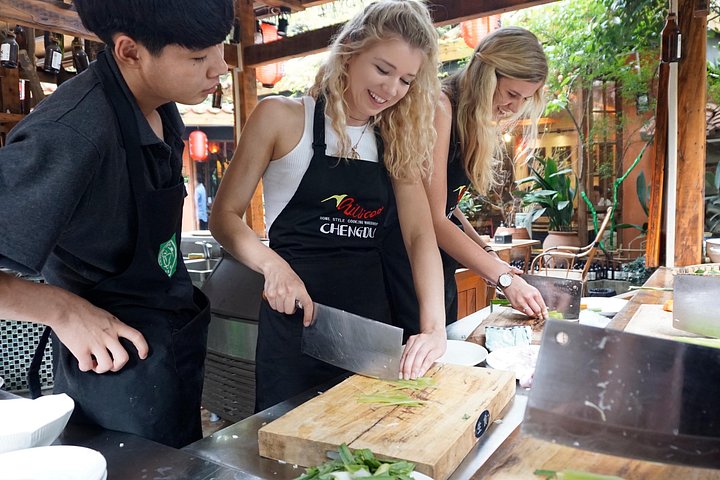
A class with a market visit is the best way to understand the ingredients: fermented broad bean paste, pickled chillies, dried chillies and the green and red Sichuan peppercorns that give the numbing sensation. You cook a few classics and eat them, and you leave with a better sense of how to read a menu. See the entry for the Sichuan Cooking Class with Market Visit. It suits couples, families and solo travellers, and it makes a good first-day activity.
Teahouses
The other great Chengdu tradition is tea. Locals spend whole afternoons in teahouses, sitting in bamboo chairs with a lidded bowl of green or jasmine tea that is refilled with hot water from a long-spouted kettle. People’s Park is the classic spot, with tree-shaded tables and a lively, local crowd; Kuanzhai Alley and the courtyards near Wenshu Monastery offer more polished versions. Order tea, not a meal, and stay as long as you like, as the pace is part of the experience. Traditional touches such as ear cleaning and shoulder massage may be offered; agree a price first or politely decline.
Handling the spice
Order dishes with different heat levels rather than all red ones, and balance them with rice, plain vegetables and soup. Say the equivalent of mild when ordering, and know that the numbing sensation from Sichuan pepper is a separate effect from chilli heat. Cold drinks, sweet soy milk and plain rice calm the burn better than water. If you have allergies or dietary needs, carry a card written in Chinese, as vegetarian dishes may still be cooked with meat stock or lard.
Practicalities
Many restaurants use QR-code ordering and mobile payment, so set up a payment app that accepts foreign cards before you arrive and carry some cash as a back-up. Lunch tends to be early and dinner busy, so expect a wait at popular hot pot places in the evening. Tipping is not expected. For a hotel that puts you near restaurants, the Chunxi Road and Taikoo Li area has the best concentration of choice, and Upper House Chengdu has its own teahouse restaurant.