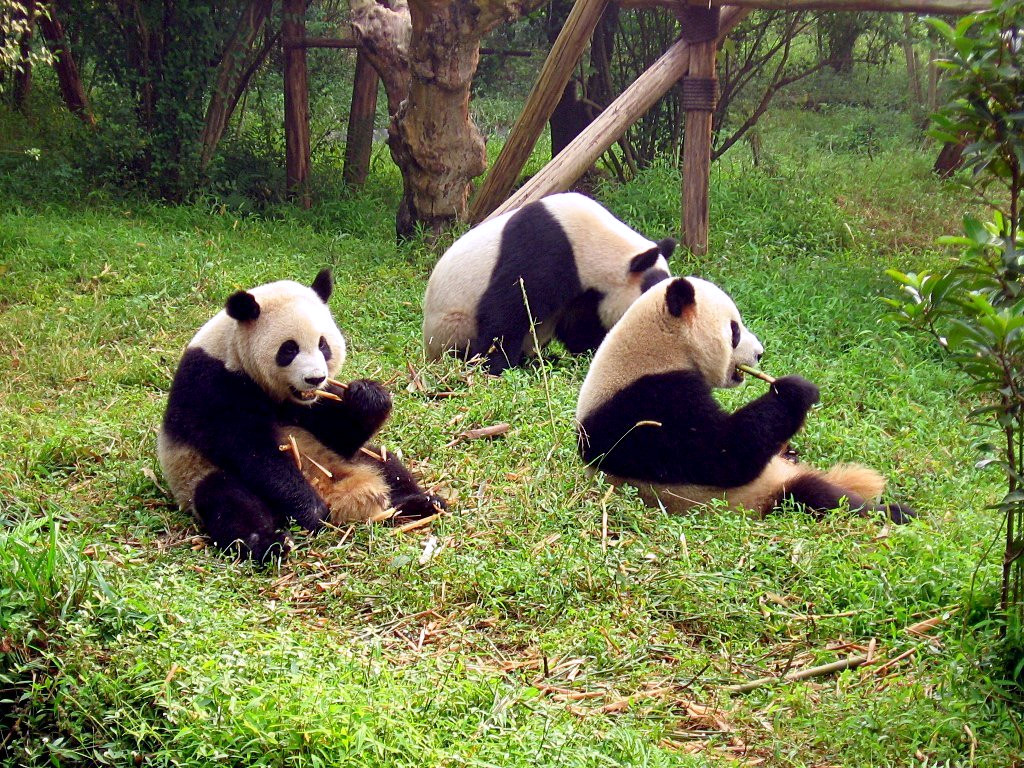
Three days is enough to see Chengdu properly if you accept that this is a city to be eaten and sat in as much as it is to be sightseen. The plan below follows geography so you spend your time looking at things rather than crossing a large, sprawling city, and it leaves room for tea and a long dinner each day. Swap the days around to suit your booked entry slots, but keep the pandas first thing in the morning, whichever day you choose.
Day one: pandas, then the old town
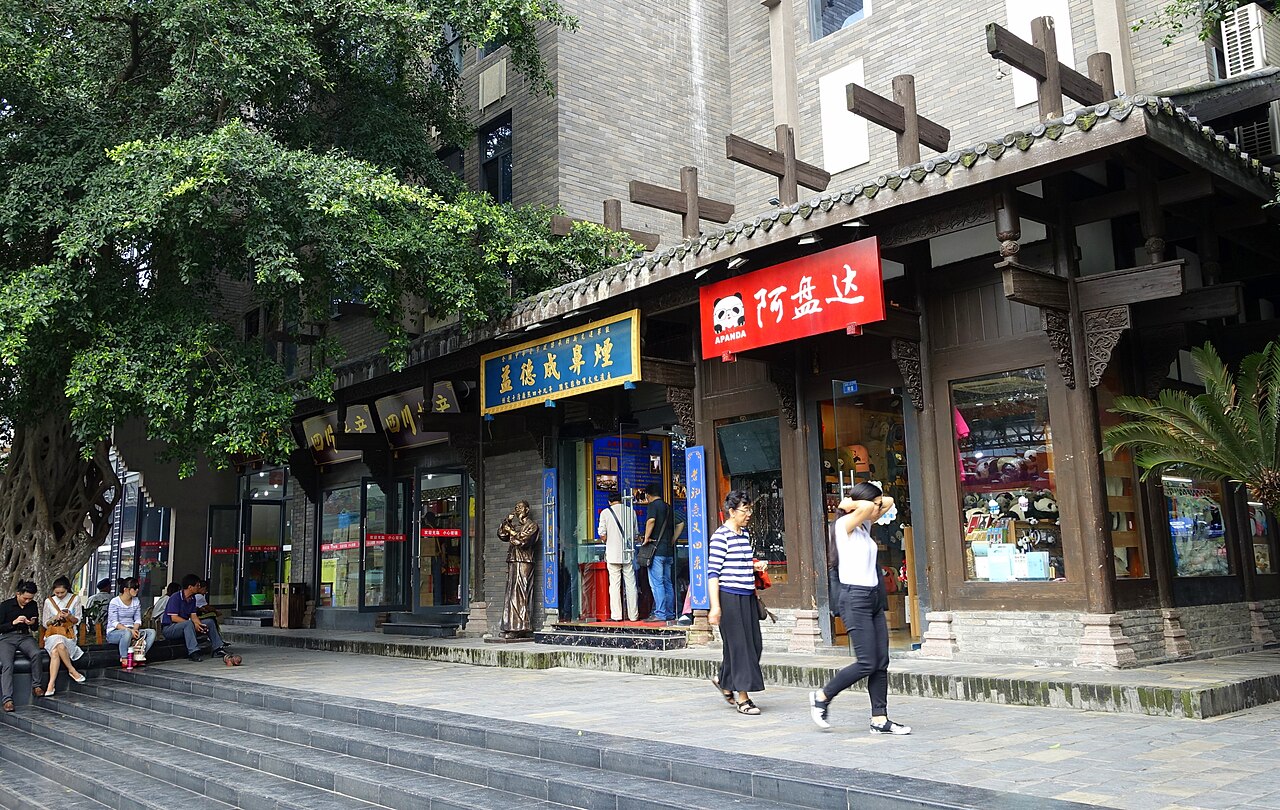
Reserve your panda base entry well ahead, carry your passport, and aim to arrive when the gates open. The animals are fed in the morning and are at their most active then, climbing, eating bamboo and tumbling about; by late morning most are asleep in the shade. The base is in the northern suburbs, so allow a good half day with the journey. Our entry for the Chengdu Research Base of Giant Panda Breeding covers what to expect and how to get there. Come back into the centre for a late lunch, then spend the afternoon at People’s Park, where bamboo chairs, covered-bowl tea and a very local rhythm of card games and gossip fill the tree-shaded paths. Finish at Kuanzhai Alley for the restored courtyards, or save it for a morning on another day.
Day two: choose your big day out
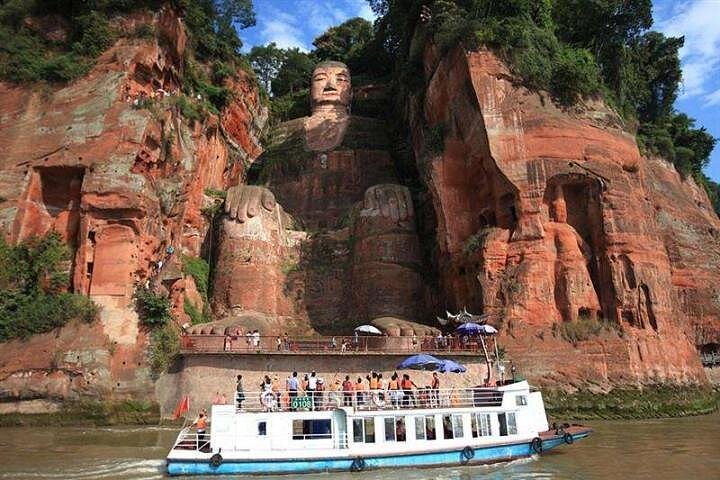
There are two sensible choices. The Leshan Giant Buddha is the easiest and most memorable: a 71-metre figure carved into a cliff above a river junction, reached by high-speed train and a short transfer. It is an unforgettable sight, and you can see the face from boats on the river or climb down the cliff stairway beside the figure, which is slow on busy days. The alternative is the Dujiangyan irrigation system, a 2,000-year-old piece of water engineering that still works, often paired with Mount Qingcheng for forested temples or with a panda park. Pick Leshan for one great monument, Dujiangyan and Qingcheng for walking and quiet. Do not try both in a single day. Both return you to Chengdu in time for dinner, and a Sichuan hot pot restaurant is the right way to end a long day of travel.
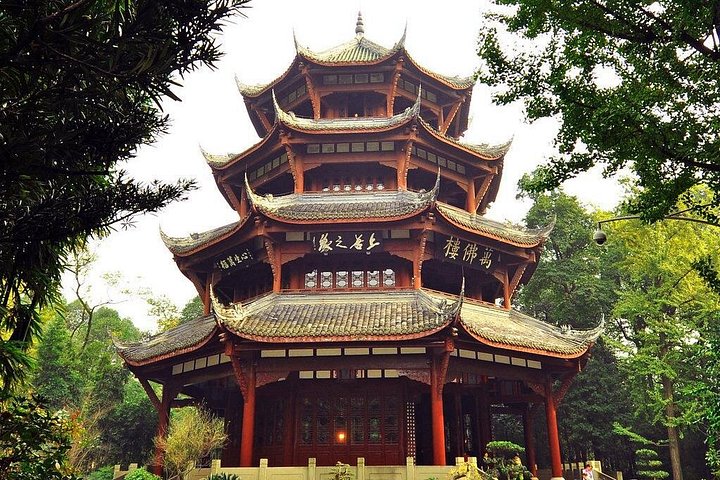
Day three: the Three Kingdoms district, a cooking class and the stage. Start with the Wuhou Shrine, the temple complex honouring Zhuge Liang and the Shu Han kingdom, set in cypress-shaded courtyards. Jinli Ancient Street is right beside it, a lantern-hung lane of snack stalls and craft shops that is noisy and photogenic, and best saved for the late afternoon when the lights come on. If cooking interests you, a class with a market visit teaches you how Sichuan flavours are built, from fermented bean paste to the numbing pepper, and it makes the rest of your meals easier to order. In the evening, a Sichuan opera show with face-changing, shadow-puppetry and music is a compact introduction to the local stage, about an hour and a half long and suited to all ages.
If you have a spare half day
The Du Fu Thatched Cottage is a calm riverside park honouring the Tang dynasty poet and makes a good morning on the west side, close to the temples and the Wuhou area. Sanxingdui, a museum of Bronze Age masks and ritual objects, needs a half to full day with travel, so it works better as a fourth-day trip than as a squeeze into these three.
Getting around
The metro is the backbone: clean, cheap, signed in English and frequent, and it reaches the centre, the Jinli area and the north side where the pandas live. Ride-hailing apps and taxis fill the gaps, and it helps to have your hotel and each sight’s address saved in Chinese. Day trips go well by high-speed train, but a guided tour or a private car removes the stress of the last-mile transfers, particularly at the panda base and Qingcheng.
Where to base yourself
Staying near Chunxi Road and Taikoo Li gives you restaurants, shops and several metro lines on the doorstep. For a design-led splurge, Upper House Chengdu sits in restored courtyards at Taikoo Li, while Niccolo Chengdu offers a stylish mid-to-upper stay close to the same shopping core. Either keeps every day of this plan within an easy ride.
Pacing and pitfalls
The sights are spread out and traffic can be heavy, so avoid stacking an early panda slot with a late-evening show on the same day unless you are happy with a rest in between. Real-name entry is common in China, so keep your passport handy and expect bag checks. Food is the day’s main event, not an afterthought: leave an evening free for hot pot and another for street snacks, and ask for mild versions if the spice is too much. If your trip is longer than three days, add the day trips in order of appeal: Mount Emei with an overnight, then Sanxingdui.