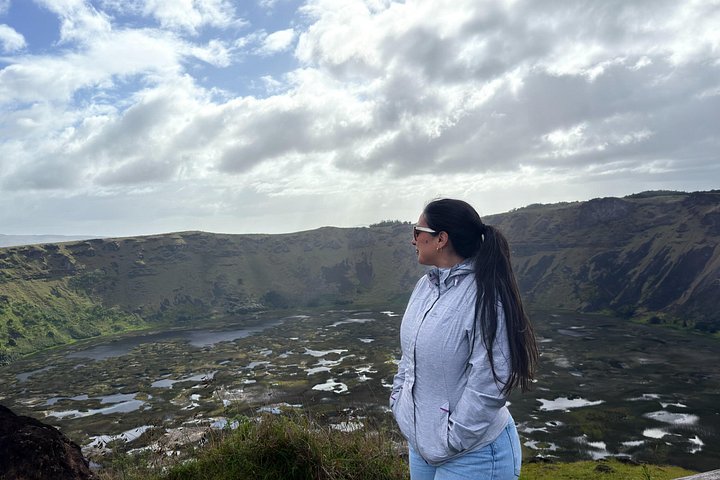
The Camino del Guerrero, or warrior path, follows the old route along the crater rim toward Orongo, and it gives you a completely different perspective from the car-park visit. Instead of arriving at the village from the road and seeing the crater in one frame, you walk up through grassland and low scrub with the crater drop on one side and the ocean on the other, watching the scale of the volcano build with every step. Rano Kau is a collapsed volcano, and the crater lake at the bottom is covered in floating mats of totora reed, with small gardens of fruit trees growing on the sheltered inner slopes where the temperature is warmer. The trail is short but steady, with a climb that most reasonably fit visitors can manage. You finish at Orongo, where the ceremonial village is visited as part of the walk and the history of the Birdman cult gives meaning to the effort.
The route has its own character. Early on, the path is lined with guava trees and wild plants, and you may spot hawks hanging above the crater. As you climb, the air cools and the wind increases, and the horizon opens until the full circle of the island's southwest coast is in view.
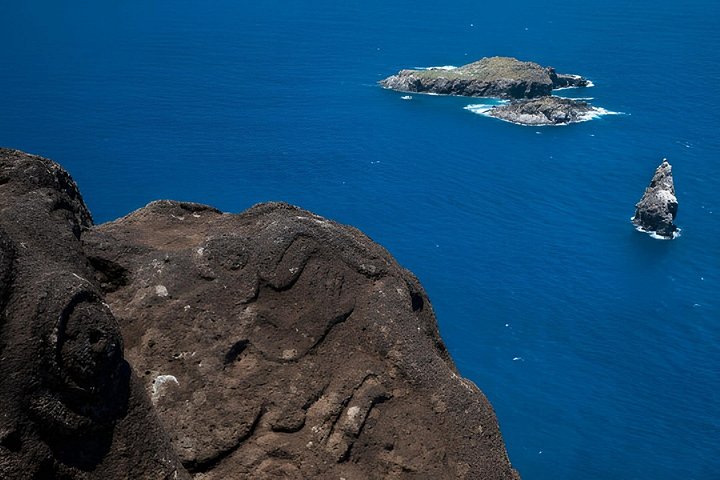
Offshore, the three islets of Motu Nui, Motu Iti and Motu Kao Kao rise from the water, and guides point out where the swimmers of the Birdman contest would have set out. It is a straightforward way to feel the geography that shaped the ritual.
The walk also puts the crater in human terms. Residents say the sheltered slopes were once used for gardens because they stayed warmer and out of the wind, and traces of old stone walls remain. Ask your guide about the native plants that grow here, including the totora reed, the same species used in the boats of the Andes, which has fuelled speculation about contact between Rapa Nui and South America. Whether or not you buy the theory, it makes for a great conversation on the trail.
Prepare for variable weather. The summit area can be misty and windy even when the town is warm, so bring a windproof layer, sturdy shoes and water. The ground is uneven and steep in places, and after rain the path becomes slick. Start in the morning for clearer views and cooler walking. The product linked here is a half-day guided hike that combines the path with the Orongo visit, so the village entry counts as one of your two permitted entries.
Do not forget that the Orongo ticket rules apply, so you cannot repeat the visit on another day without a fresh ticket. If you want a gentler option, you can simply drive up and walk the rim, but the longer route is far more rewarding and gives you a real sense of how remote this island is.
Prepare for the hike as you would for any exposed coastal walk. Wear layers that you can peel off as you climb, carry at least a litre of water per person, and use sunscreen even in cloud. Walking poles help on the descent, and a small day pack keeps your hands free for photographs.
Allow time to stop and look, since the views shift with every turn, and ask your guide to explain the plants you pass. If the weather turns, trust your guide and be ready to shorten the route. The reward is a quiet walk with the island's most dramatic panorama as the finish.
What to expect
The experience
A guided half-day walk on the old rim trail toward Orongo, with views of the crater lake, the cliffs and the islets, finishing with the ceremonial village.
Best time
Morning, for clearer views and cooler walking. Avoid the trail in heavy rain or strong wind.
How long
Three to four hours including the Orongo visit.
Tips
Wear sturdy shoes and bring a windproof layer and water. The Orongo entry uses one of your permitted park entries.
Quick picks
- Best for
- Active visitors who want a walk with a view and a story.
- Families
- Suitable for fit older children; the trail is steady but not technical.
- Couples
- A quiet, scenic walk that ends in a very romantic viewpoint.
- Pair with
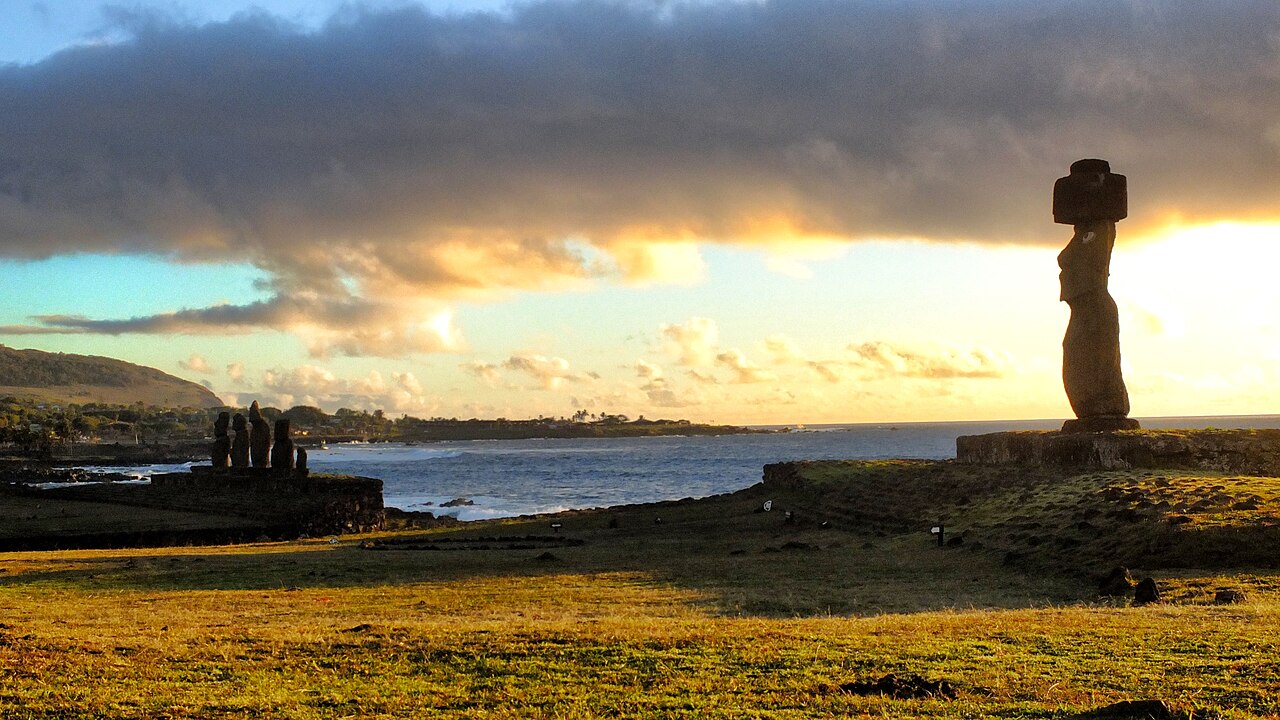
- Orongo village, which the hike includes, and sunset at Ahu Tahai.
- Time needed
- Three to four hours.
Good questions
How hard is the walk?+
It is moderate: a steady climb on uneven ground, with some steep sections. Most reasonably fit visitors manage it with sturdy shoes.
Is Orongo included?+
The tour is designed to finish at Orongo, so the village counts as your one entry on the park ticket.
What is the crater lake like?+
It is a reed-covered lake at the bottom of the Rano Kau crater, with sheltered gardens and fruit trees on the inner slopes.
When is the best time to go?+
Morning, for clear views and cooler conditions. The crater can be misty or windy at any time.
Can I do it without a guide?+
Park rules require an accredited guide or Rapa Nui host for most sites, so the walk is best done with a guide.