Hwangnyongsa was the grandest temple of the Silla kingdom, and today it is an expanse of open ground marked by rows of foundation stones. Construction began in 553 under King Jinheung and was completed in 569, and the temple grew into the spiritual centre of the realm, home to major Buddhist treasures and, according to tradition, a towering wooden pagoda that dominated the skyline. The temple did not survive the centuries, and excavations that began in 1969 uncovered the foundations of the pagoda, a sermon hall and an auditorium, together with tens of thousands of artefacts. The site covers roughly seventy acres, many times the area of Bulguksa, which gives a sense of the scale of Silla ambition. Because the upper structures are unknown, no full reconstruction has been attempted. What you walk through is the footprint of a lost temple: grass, wide paths, lines of carved stone bases and, in the right season, planted fields of flowers that turn the ruin into a colourful landscape. It sits in the Guhwang-dong area, within the UNESCO-listed Gyeongju Historic Areas, and is a short taxi ride from the old city.
Why visit? Because it is a different kind of heritage. Bulguksa shows you what survived; Hwangnyongsa shows you what was lost. The scale of the foundation stones gives a vivid impression of the vanished halls, and information boards explain where the great pagoda and the golden hall once stood. Guides like to point out how the layout reflects Silla ambitions to rival temple complexes elsewhere in East Asia, and how the site was destroyed in the thirteenth century during a period of invasion. It is thought-provoking rather than spectacular, so go with that expectation.
The best experience is slow. Walk the perimeter first, then cross the centre along the lines of foundation stones, and imagine the hall roofs above you. On a clear day the open ground gives wide skies and fine light at both ends of the day. Planted flower fields, often canola in spring and cosmos or similar blooms in late summer and autumn, can make the site far more photogenic, so ask at your hotel what is in bloom.
Trees are few, so bring a hat in summer and a warm layer in winter, as the wind crosses the open ground easily.
Nearby, a museum devoted to the temple's history and finds is a good companion visit, and the small Bunhwangsa temple with its ancient brick-style stone pagoda stands just across the road. Together they make a calm half-day away from the main tourist circuit. Check the site's opening arrangements with the local tourist information line before you go, as hours and any museum fees are not published in one fixed place and can change with the season.
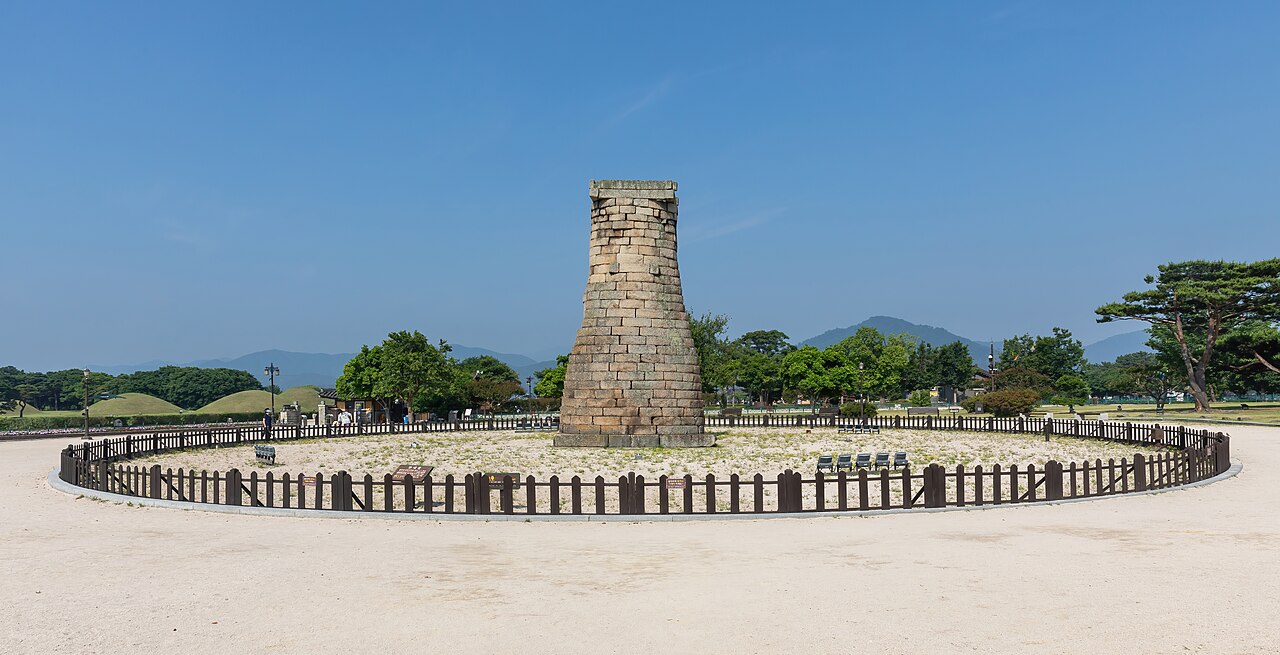
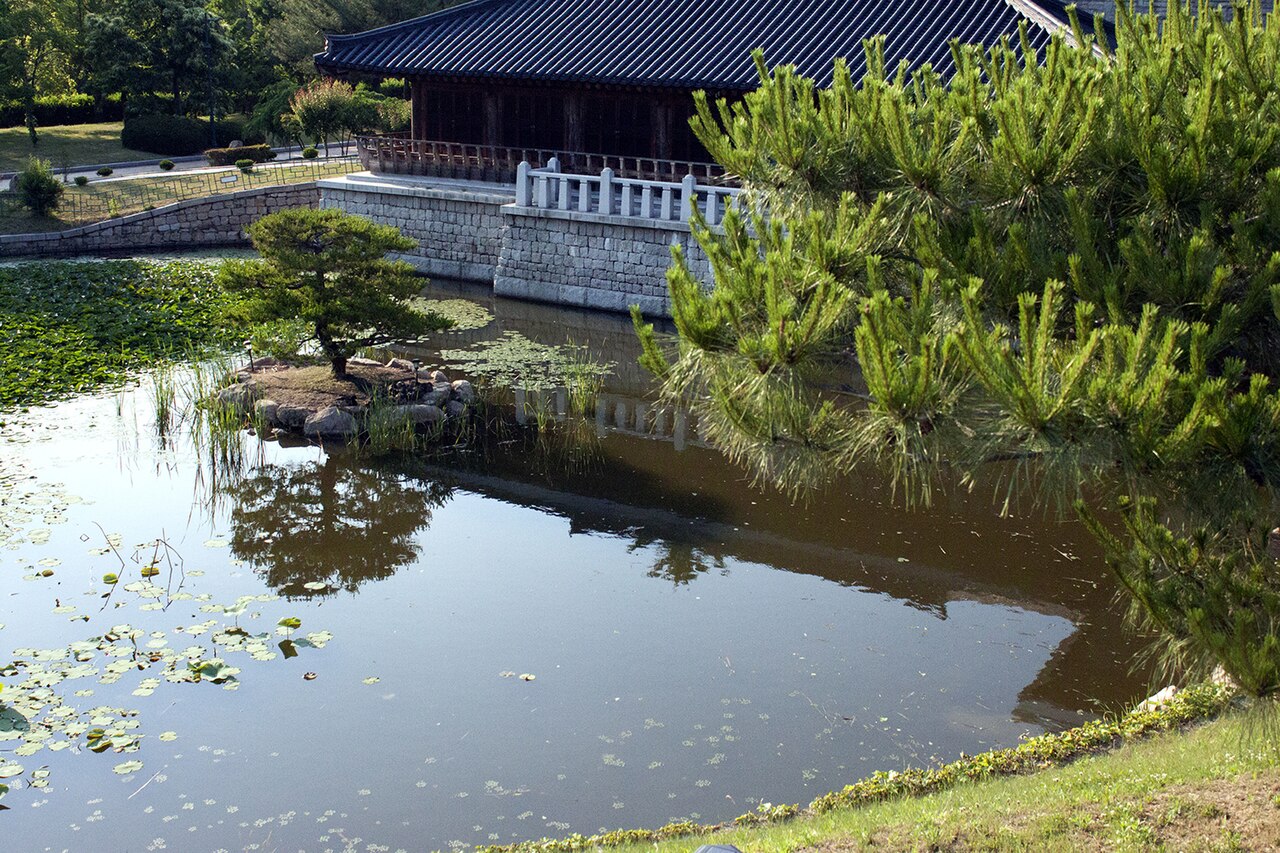
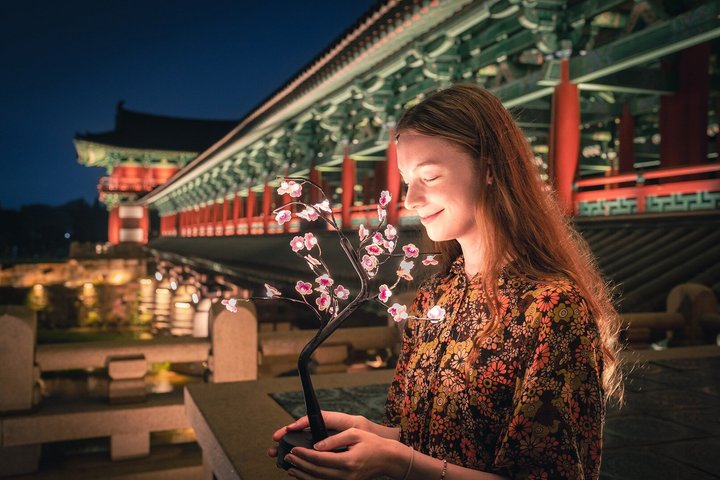
Getting there is easy by taxi from the old city or Hwangnidan-gil in under fifteen minutes, or by a flat bicycle ride along quiet roads. It is a good late-afternoon stop, and combines well with the Wolseong palace site and Gyerim Forest, Cheomseongdae and an evening at Donggung Palace and Wolji Pond. Travelers who love archaeology will find it richly rewarding, families may find it a short stop, and anyone seeking big photographs of golden pagodas should head to Bulguksa instead.
What to expect
The experience
A self-guided walk across open ground marked by massive foundation stones, with information boards and a nearby museum.
Best time
Late afternoon for soft light, with spring and autumn for flower plantings.
How long
About an hour, longer with the museum and Bunhwangsa nearby.
Tips
Bring a hat or a warm layer because there is little shade or shelter, and check the opening arrangements with tourist information first.
Quick picks
- Best for
- Archaeology and history lovers who want to picture the lost scale of Silla.
- Families
- Lots of open space for children to roam, though the history is abstract for the very young.
- Couples
- A peaceful sunset stroll away from the crowds.
- Pair with
- Bunhwangsa, the Wolseong site and Gyerim Forest, and Cheomseongdae.
- Time needed
- One to two hours.
Good questions
What was Hwangnyongsa?+
It was the largest temple of the Silla kingdom, built between 553 and 569, and a centre of royal Buddhism. It no longer stands, and the site preserves its foundations.
Is there anything to see besides foundation stones?+
Yes, information boards explain the layout, seasonal flower fields often cover parts of the ground, and a museum nearby displays finds from the excavations.
How big is the site?+
It covers roughly seventy acres, which is many times the area of Bulguksa and shows the scale of the original temple.
Can the temple be rebuilt?+
No full reconstruction is planned, because the upper structures are unknown and the evidence is limited to foundations and finds.
How do I get there from the old city?+
It is a short taxi ride of under fifteen minutes from Hwangnidan-gil, or a flat bicycle ride along quiet roads.