Gyeongju is one of the easiest places in Korea to visit on a modest budget. Many of its best sights are free or cost very little, the old city is walkable, and local transport is affordable. With some planning you can see the essentials, eat well and sleep comfortably without overspending.
Start with the free sights
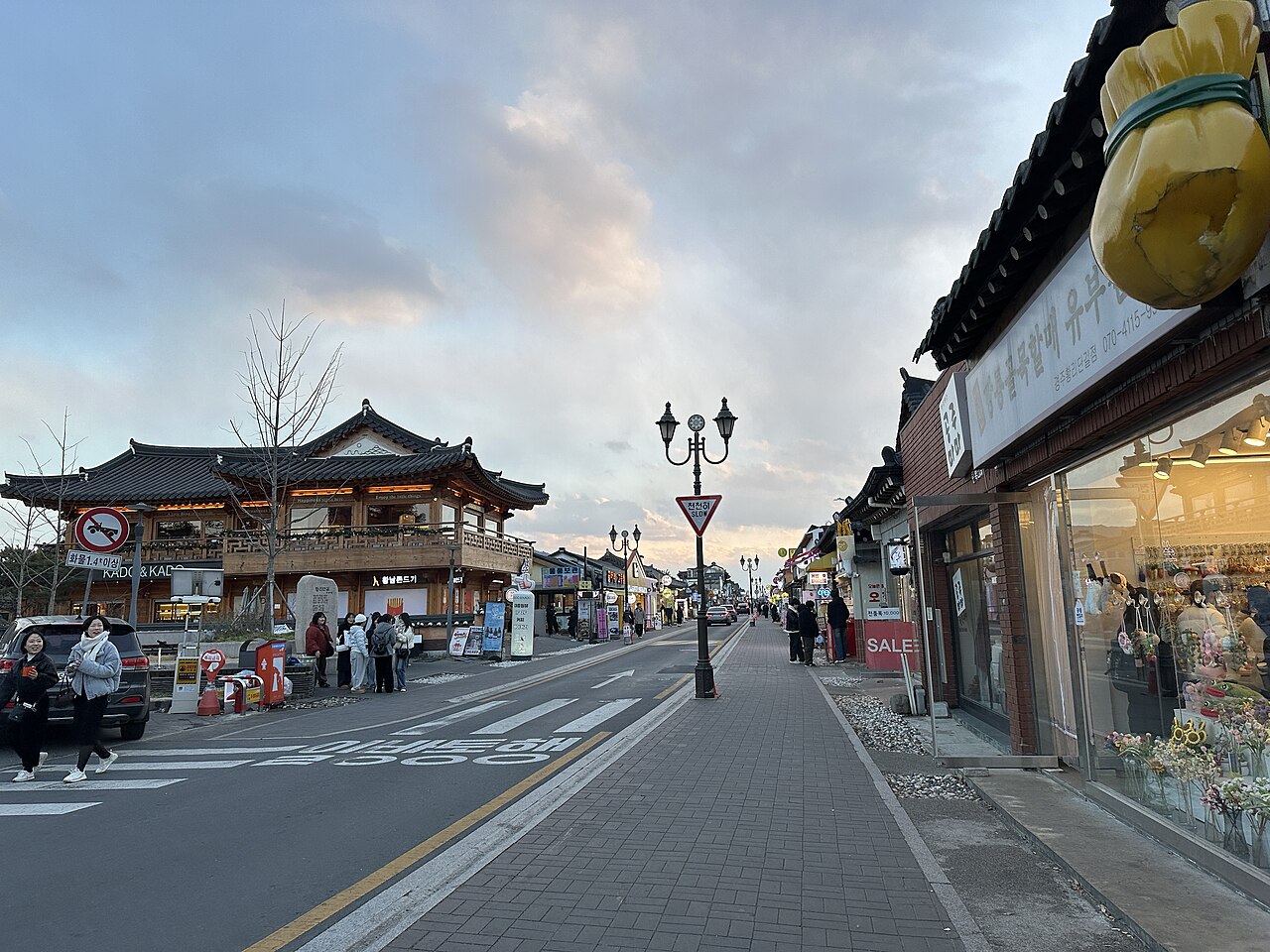
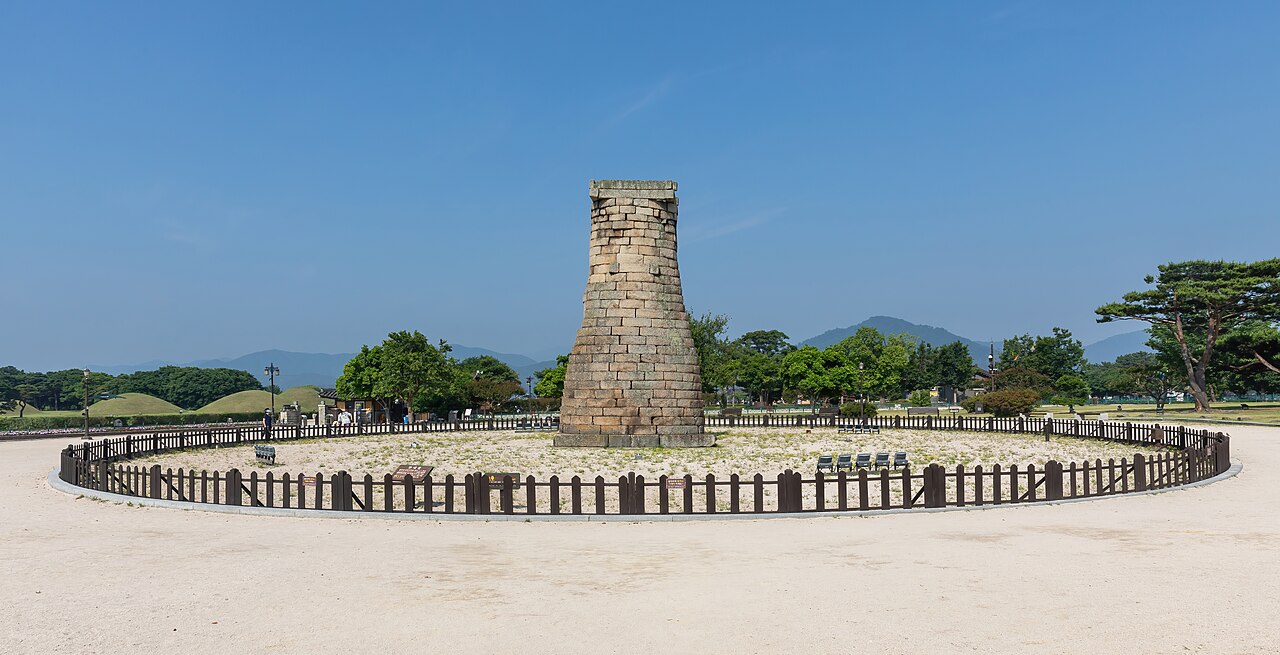
A surprising number of the city's highlights charge nothing. Cheomseongdae, the seventh-century observatory, is free to see, as is the Gyeongju National Museum, which is one of the best collections of Silla art in the country. The lanes of Hwangnidan-gil are free to wander, Bomun Lake is open at all hours, Namsan is free to enter and the Hwangnyongsa Temple Site is an open field of ruins. The Wolseong palace site and Gyerim Forest are an easy, shaded walk beside the observatory. Spend your first day on these and you will already have seen a large share of Silla's capital. Budget your paying sights for the ones that matter most to you.
Pay for the right things
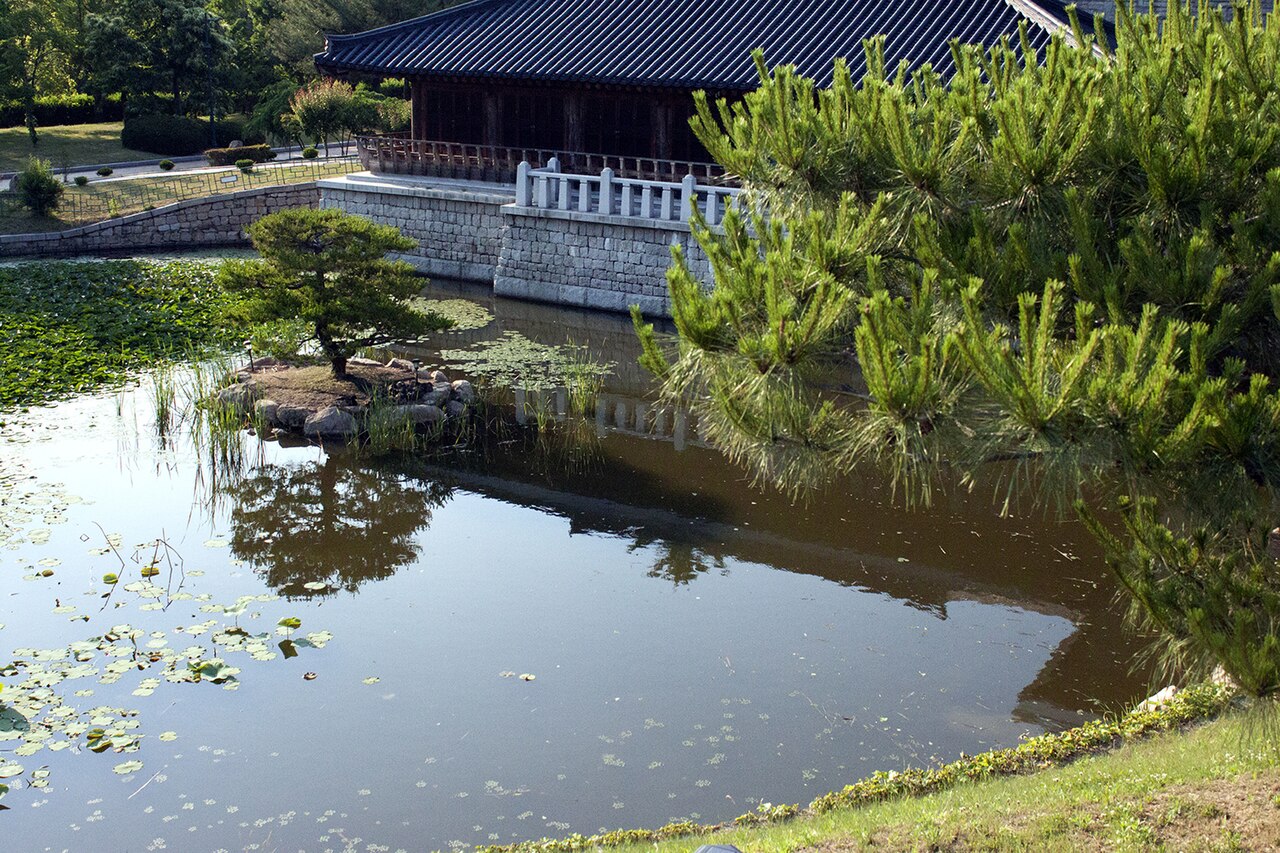
Bulguksa, Seokguram, Daereungwon with Cheonmachong, Donggung Palace and Wolji Pond, and Yangdong Folk Village charge modest entrance fees, and Poseokjeong asks a small fee too. These are worth paying for, and the fees are low compared with sights in many other countries. Check current rates before you go, and carry a little cash for the gates. If you are travelling as a group of three or four, a shared private taxi tour can work out better value than separate fares, and it saves time.
Getting around cheaply
The old city is flat and compact, so walking and cycling cover most of it. Bicycle rental is common and a pleasant way to link the tomb park, the palace site and the pond. Local buses reach Bulguksa, Seokguram, Namsan and Bomun Lake from the centre, and taxis are inexpensive for short rides, particularly when shared. Rail and intercity buses connect Gyeongju with Busan, Seoul and Daegu at sensible prices, and a day trip from Busan is cheapest if you go independently by bus and use local buses in town. A guided day is more expensive, but it saves planning time and includes transport, so decide whether time or money matters more. A good compromise is to use buses on most days and book one guided or private day for the sights that are hardest to reach.
Cheap places to stay
In the old city, guesthouses and small hanok stays offer simple rooms at low prices, and some include a light breakfast. Momojein Guest House, for example, is a short walk from the tomb park and offers dorm and private rooms with a shared kitchen. Staying near Hwangnidan-gil saves on taxis, because you can walk to most evening activities. Resort hotels at Bomun Lake can be good value on weekdays and outside the blossom and foliage seasons, but the weekend rates rise in peak periods, so book early or travel midweek. Compare cancellation terms before you reserve, and confirm what breakfast and parking cost.
Eat smart
Lunch is the best-value meal: set meals and noodle dishes cost less than dinner, and a large lunch can carry you through the day. Bakeries and street snacks fill the gaps, and convenience stores sell cheap drinks and light meals. Hanok cafes are lovely but can be pricey for a coffee, so choose one for the atmosphere and make the rest of your drinks simpler. Shared dishes are cheaper per person, so travel with a friend if you can. Many hotels offer breakfast at an extra charge, so a bakery stop may be better value.
Time your visit
Prices rise in the blossom and autumn colour periods, particularly at weekends. Shoulder months, weekdays and winter offer lower hotel rates and quieter sights. Evening visits to Wolji Pond and the tomb park cost less than the busiest daytime hours in terms of crowds, and the walk between them is free.
A sample budget day
Begin with a bakery breakfast, walk to Cheomseongdae and the palace site, visit the museum, then a set lunch near Hwangnidan-gil. Take a bus to Bulguksa for the afternoon, return to the old city, watch the lights at Wolji Pond and end with a simple dinner. You will have seen the best of Gyeongju, spent very little on admission and still had time to enjoy the atmosphere.