Hanoi is more than a thousand years old, and its streets show many layers of history. Reading the city in order, from the legendary citadel through the imperial centuries and the colonial era to the wars and independence, turns a series of sights into a story. This guide suggests a trail you can follow over two or three days, with advice on what to expect at each stop.
Before the capital: Co Loa
The oldest place on the trail lies on the northern edge of the city. The earth ramparts of Co Loa belong to a legendary kingdom more than two thousand years ago, and the temples inside them keep the story of King An Duong Vuong and his magic crossbow alive. It is a quiet site, best visited on a guided half-day tour that adds a ride through the countryside.
The imperial capital
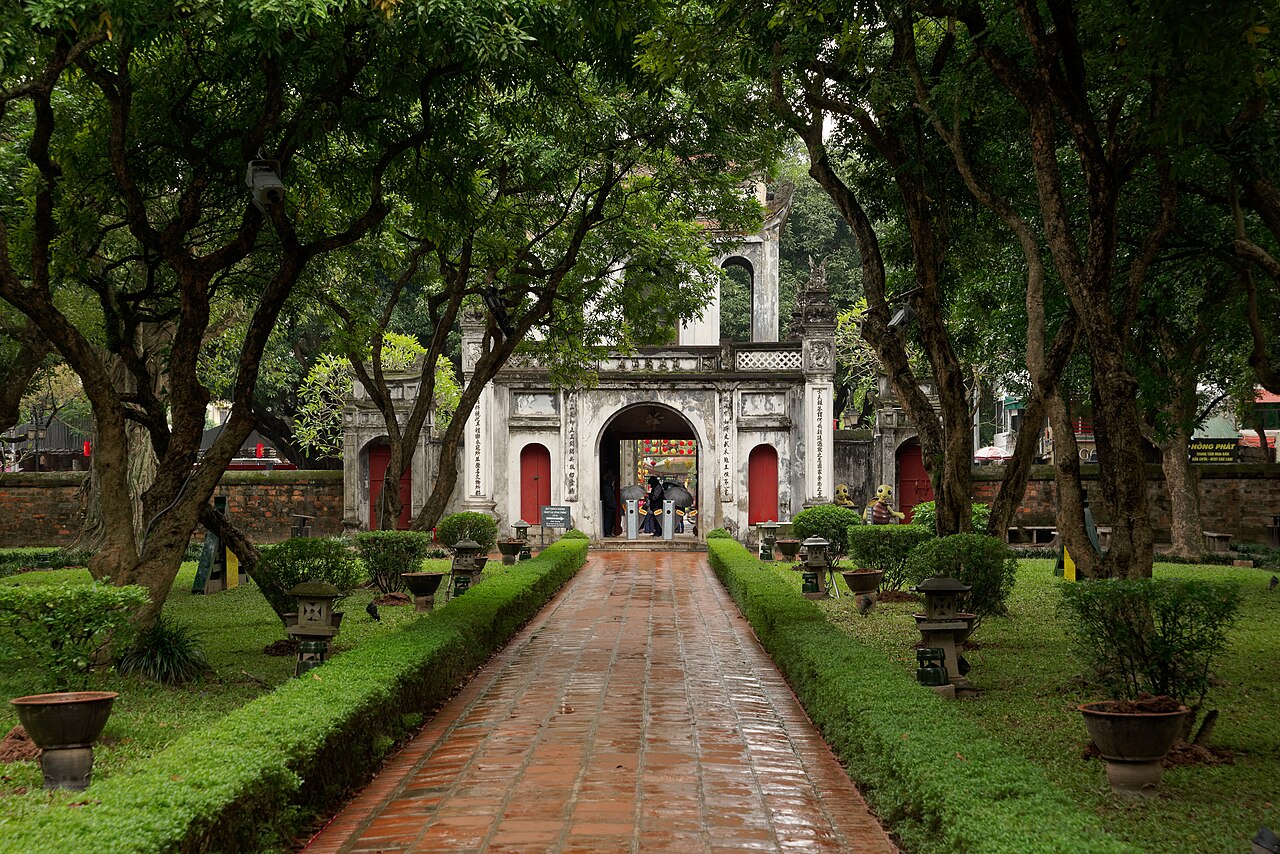
The city was named Thang Long, Rising Dragon, in the eleventh century, when the Ly dynasty moved its capital here. Several relics of that period survive. The Temple of Literature, founded in 1070, was the country’s first national university, and its courtyards with stone stelae on the backs of turtles record the names of scholars who passed the royal examinations. The nearby streets give a sense of how education and ritual shaped the court. The Old Quarter grew around the citadel as a market, with each street named after a trade, and the 36 streets still hint at the old guild system. Walking them early in the morning shows how much of that trade survives in the form of silk, tin, paper and food.
The lake and the legend
Hoan Kiem Lake, in the heart of the city, is tied to the legend of a king returning a magic sword to a golden turtle. Ngoc Son Temple on its island, reached by the red Huc Bridge, honours heroes and scholars. It is a pleasant place to pause between stops, and a reminder of how much of Hanoi’s identity is told through stories.
The French quarter
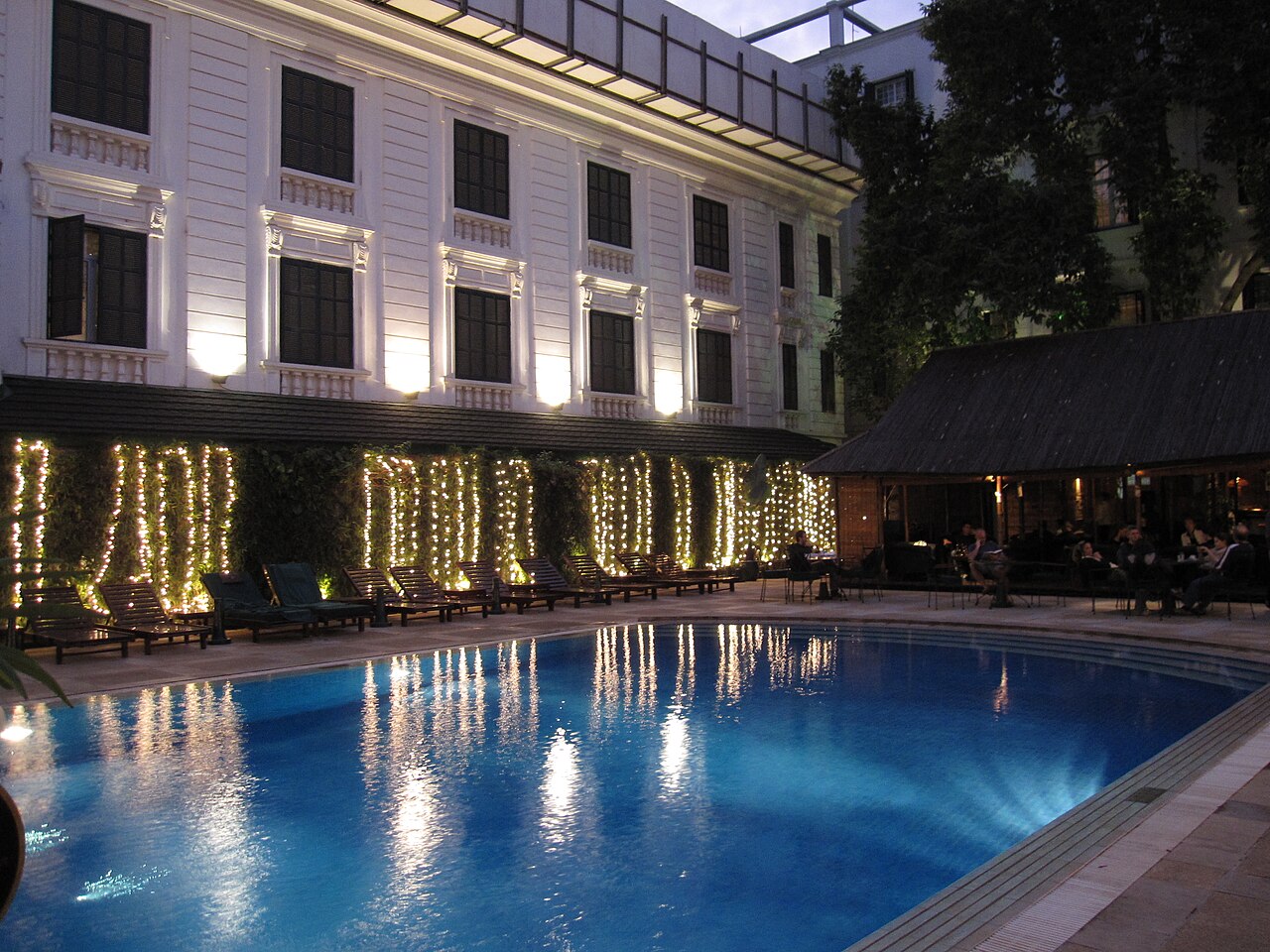
In the late nineteenth century the French made Hanoi the capital of Indochina and built a new district south of the lake, with wide boulevards, the Opera House, grand hotels and Saint Joseph’s Cathedral. The Sofitel Legend Metropole, opened in 1901, is the most famous survivor. A walk along Trang Tien Street and around the Opera House shows the colonial taste for neoclassical facades and shuttered windows. The cathedral, built in neo-Gothic style, stands on a busy square surrounded by cafes.
Prison and resistance
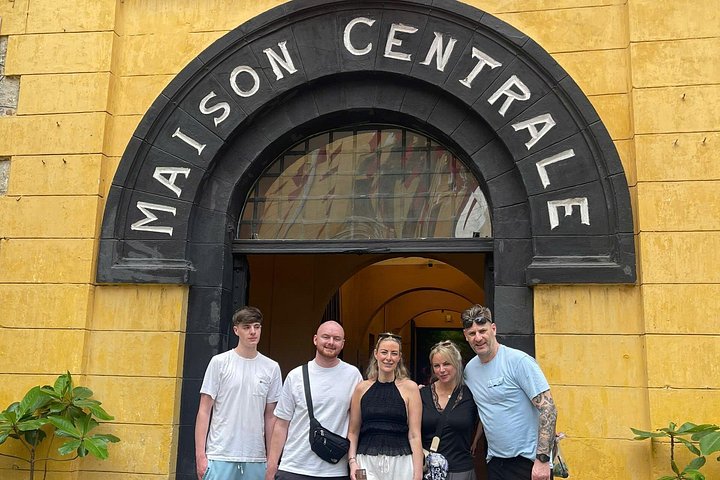
Hoa Lo Prison, built by the French, was used to hold Vietnamese revolutionaries and later American pilots. Much of it was demolished, but the remaining section has exhibits on both periods, and its stories are told from a Vietnamese point of view. It is an essential stop for understanding the colonial era and the road to independence. A guided tour adds context and a walk through the French Quarter.
The wars and the modern state
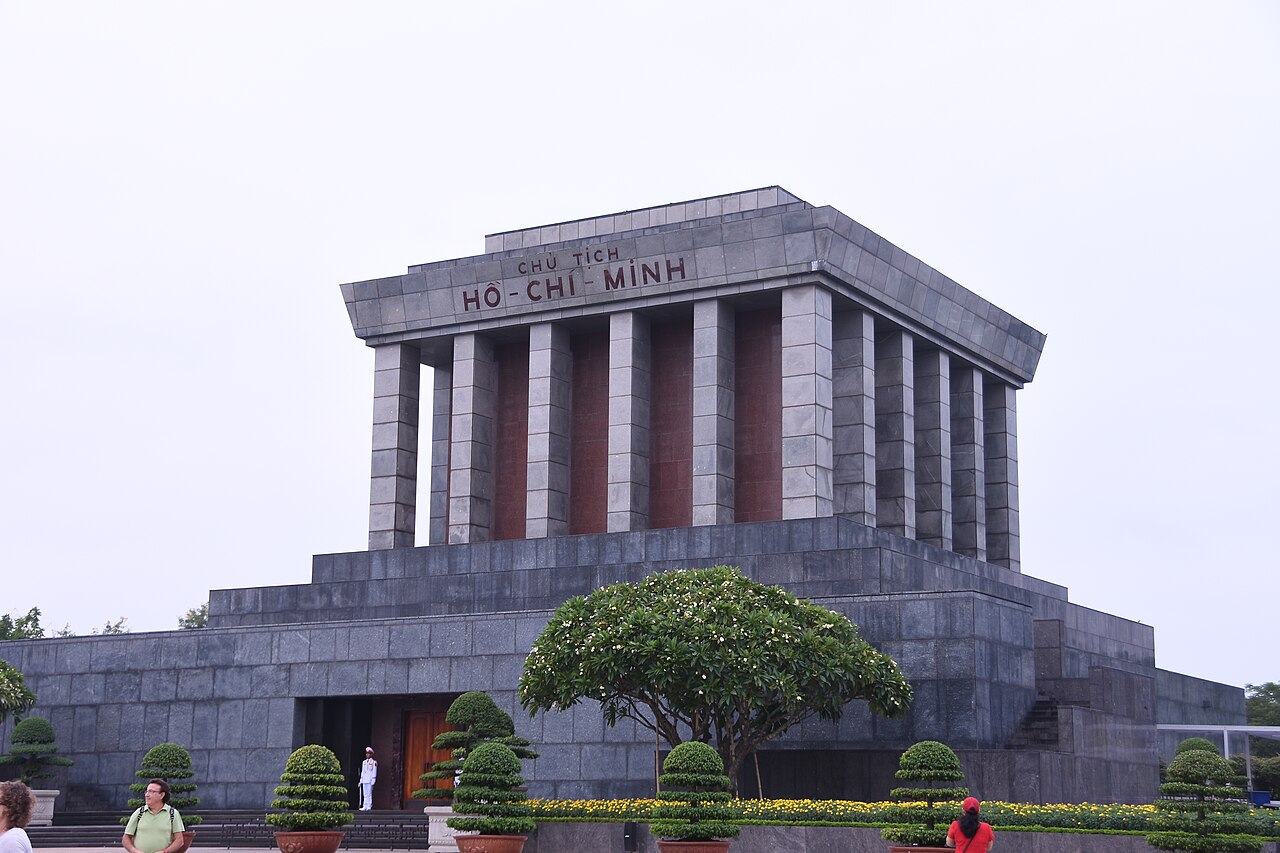
The Vietnam Military History Museum covers the country’s struggles from ancient times to 1975, with a yard of aircraft and tanks and the old Flag Tower beside it. Nearby, Ba Dinh Square is where Ho Chi Minh read the declaration of independence in 1945, and the mausoleum and the stilt house complex stand beside it. Visitors queue in silence, dress modestly and follow strict rules, so check the opening days, which are mornings only, and remember that it closes for maintenance for a couple of months in most years.
People and everyday life
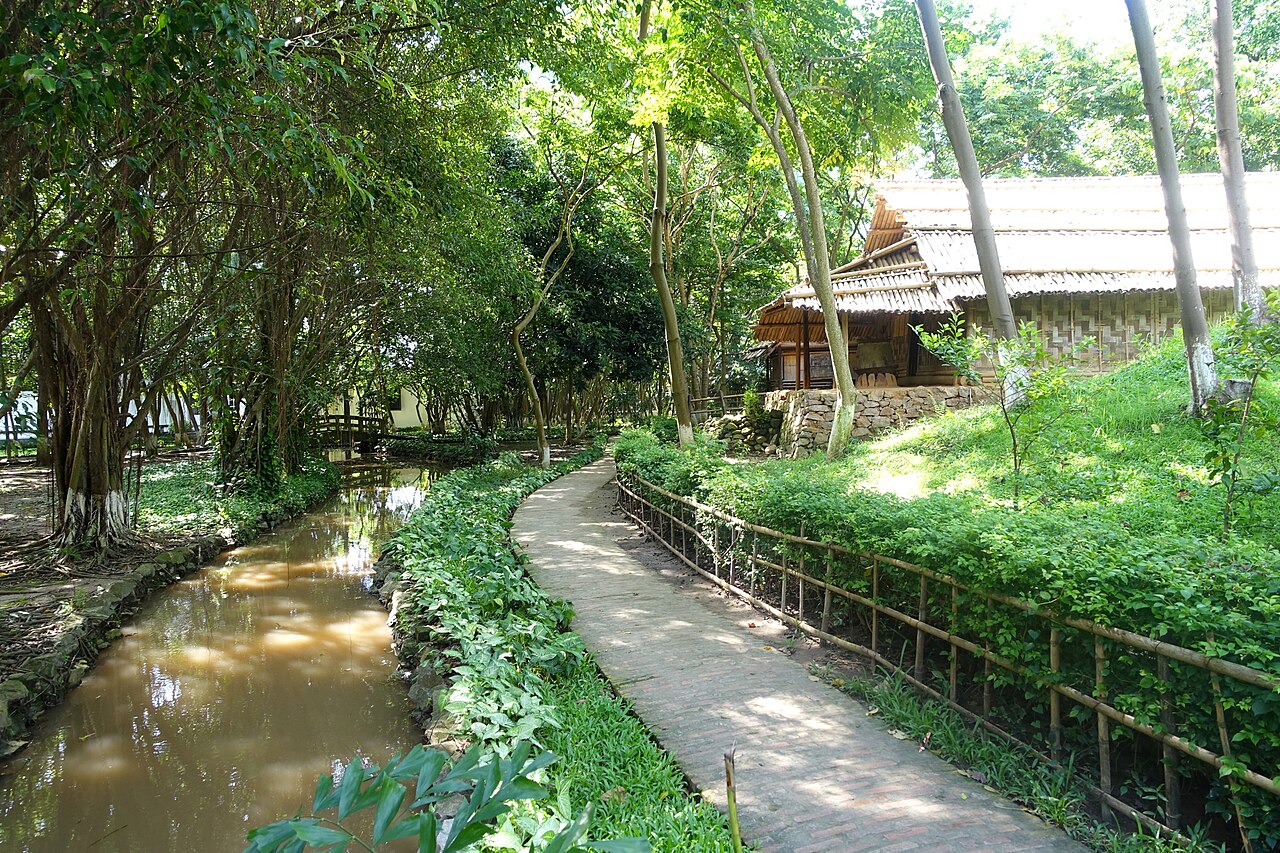
To finish, spend a morning at the Museum of Ethnology, which tells the story of the country’s 54 ethnic groups through clothing, tools and houses. It is the best counterweight to the political history, and the garden of full-size buildings is a pleasure on a dry day.
Suggested route
Day one: Temple of Literature, Hoan Kiem Lake and the Old Quarter, ending with a water puppet show. Day two: Hoa Lo Prison, the French Quarter and the cathedral, then the Military History Museum. Day three: the mausoleum complex in the morning, the Ethnology Museum after lunch, and Co Loa if you have a fourth day. Wear comfortable shoes, carry water and take your time, because each stop rewards slow looking.