Hiroshima eats with confidence. The city has one famous dish, a regional seafood tradition from the Seto Inland Sea, and a sake-brewing district a short train ride away, and all of it is easy to enjoy at counters where nobody minds a visitor who points at the menu. This guide explains what to look for, how to order and where a tour or a class is worth paying for.
Okonomiyaki, the Hiroshima way
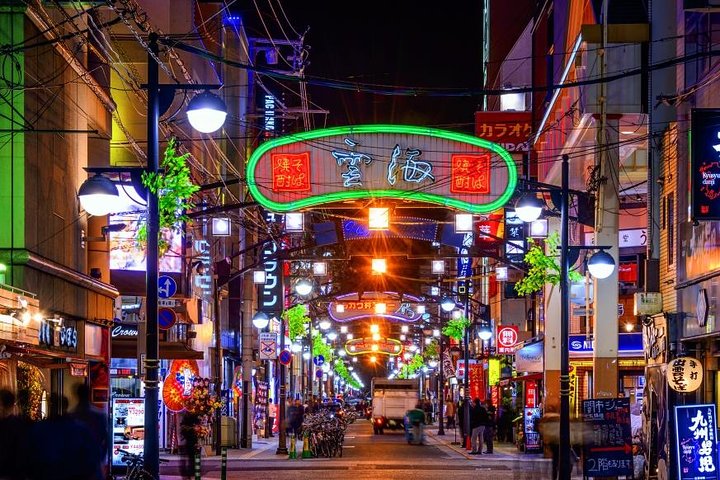
The dish people queue for is not the mixed-batter pancake you may know from Osaka. In Hiroshima the ingredients are layered rather than stirred: a thin crepe-like base, a heap of shredded cabbage, bean sprouts, pork, a fried egg and a bed of noodles, all pressed together on a hot iron griddle and finished with a sweet and savory sauce. You usually choose your noodles, soba or udon, and add extras such as squid, oysters or cheese. Sit at the counter if you can, because you watch the cook assemble it and it arrives hot enough to eat straight from the griddle with a small metal spatula. Several floors of the downtown food building are given over to okonomiyaki stalls, and many neighborhood shops are small enough that you will be elbow to elbow with locals. Expect a wait at peak times and cash-only counters from time to time.
Learn it or taste it
If you enjoy cooking, the Hiroshima Okonomiyaki Cooking Class near the station teaches you to build the layers yourself, and it works well on an arrival or departure day. If you would rather simply eat, the Hiroshima Okonomiyaki and Food Tour takes you through several downtown counters with a local guide, which solves the problem of choosing among dozens of shops. A guided tour is especially useful if you do not read Japanese, because the menus and the ordering rules at small counters can feel opaque.
Oysters and Seto Inland Sea seafood
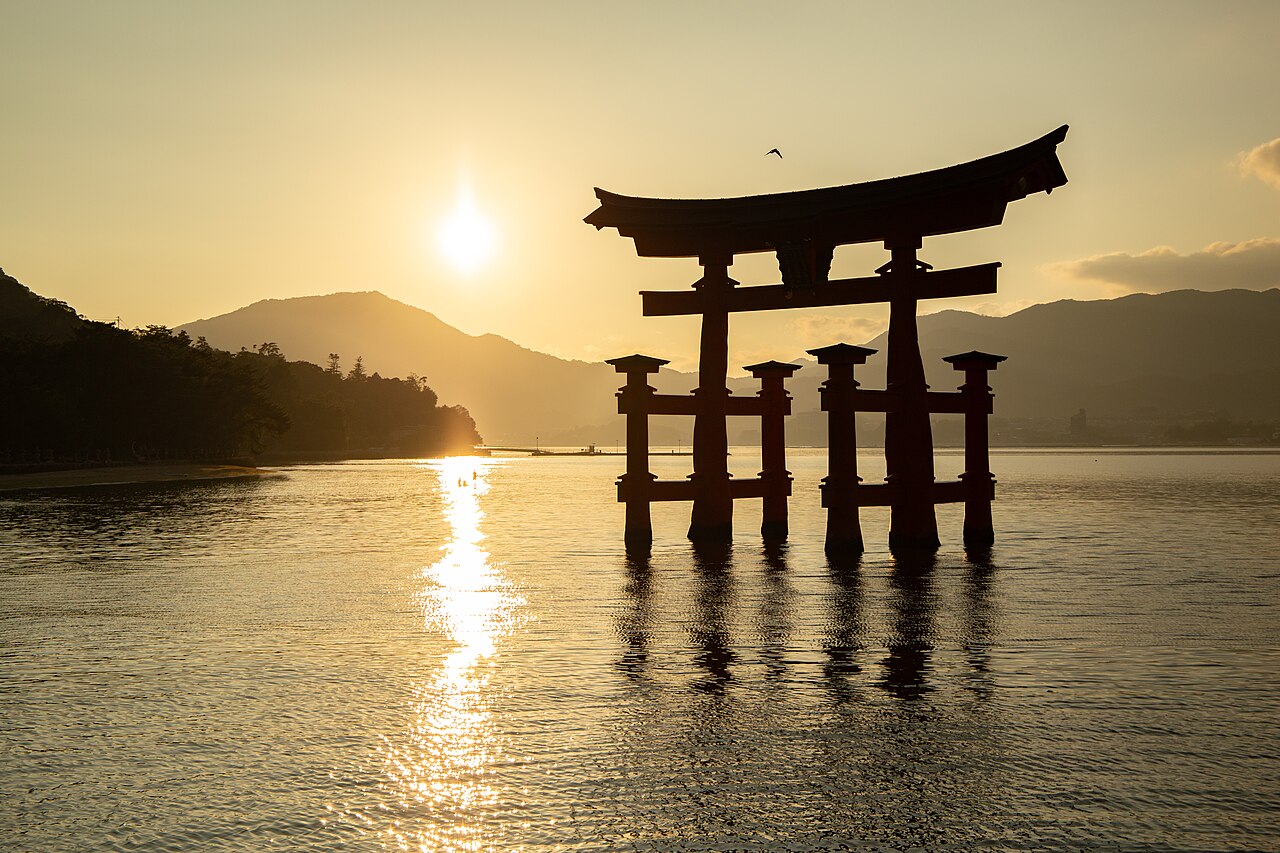
Hiroshima is Japan's best-known oyster prefecture, and the season runs through the colder months, roughly from autumn into early spring. You will see them grilled, fried, steamed, baked, in hot pots and even dropped into okonomiyaki. On Miyajima, grilled oysters are sold from street stalls near the shrine, which makes a good snack between sights. Conger eel is another island specialty, often served over rice in a lacquered box. If you do not eat shellfish, Miyajima and the downtown arcades have plenty of other options, so you will not go hungry.
Miyajima snacks
The island's best-known sweet is momiji manju, a small maple-leaf-shaped cake filled with sweet bean paste, which bakeries make fresh and sell warm. Modern fillings include custard and chocolate, and some shops sell a deep-fried version on a stick. Rice paddles are the island's traditional craft, and you will see giant ones in shop windows. Keep food tucked away while you walk, because the deer are persistent and have learned exactly what a paper bag means.
Sake in Saijo
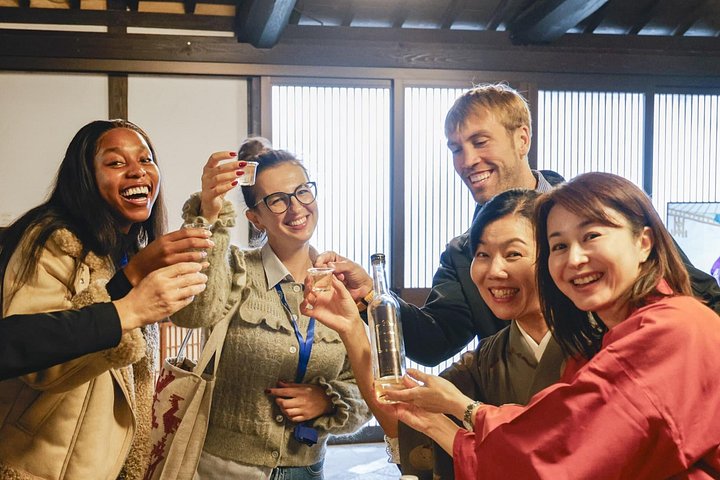
About half an hour by train from Hiroshima, Saijo is one of Japan's celebrated sake towns, with red-brick brewery chimneys and a cluster of breweries around the station. Hiroshima sake is traditionally soft and smooth, shaped by the region's soft water. Many breweries open for tastings and a small number run tours, with the autumn festival drawing the biggest crowds. The Saijo Sake Town tasting is the simplest way to see several in one afternoon, and it is best done unhurried and with a plan to take a train, not a car, afterward.
Practical tips
Lunch menus are usually cheaper than dinner, which makes a set lunch the best value meal of the day. Tipping is not expected, and a quiet thank-you when you leave is the polite gesture. Many small counters take limited bookings, so go early or accept a short wait. Tell your cook about allergies clearly, since fish stock and pork appear in many dishes, and vegetarian options are limited in the traditional shops. Finally, carry some cash, as many small places still prefer it.
A sample food day
Have a light breakfast, take the morning for sightseeing, eat a set lunch near the park, snack on momiji manju or grilled oysters if you are on Miyajima, and save the evening for okonomiyaki at the counter with a glass of local sake.