Three days is the length of stay that lets Hiroshima breathe. You can give the city's memorial sites the quiet time they deserve, spend a full day on Miyajima without watching the clock, and still keep a gentler third day for gardens, food and one excursion. This plan keeps each day to a handful of stops, with trams and ferries doing the work, and it leaves room for the lunch counters and side streets that make the city feel lived in rather than preserved.
Day one: the memorial core
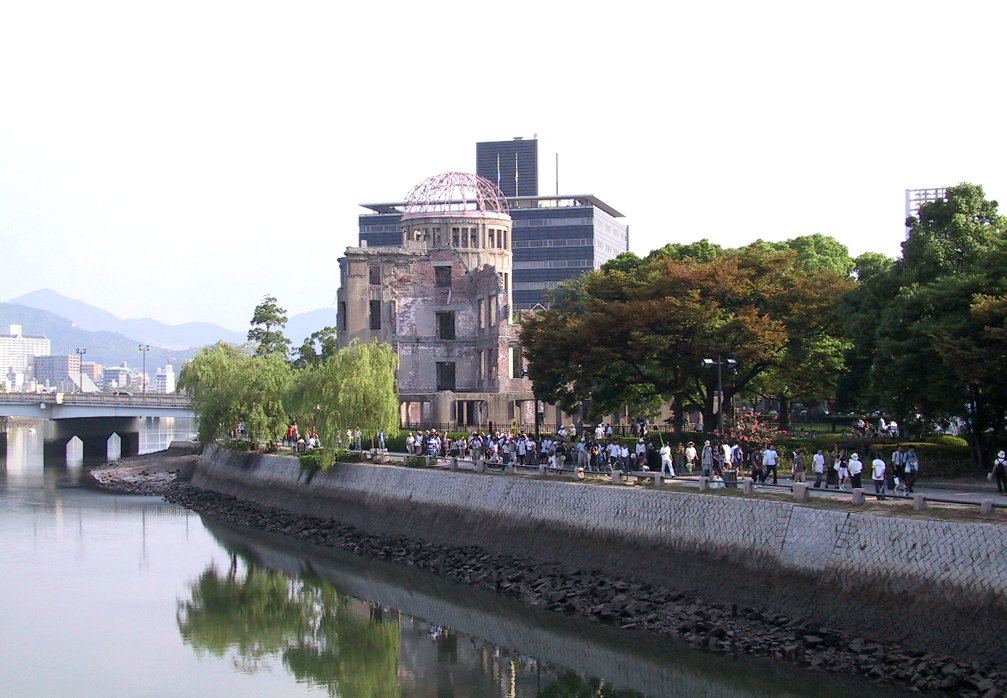
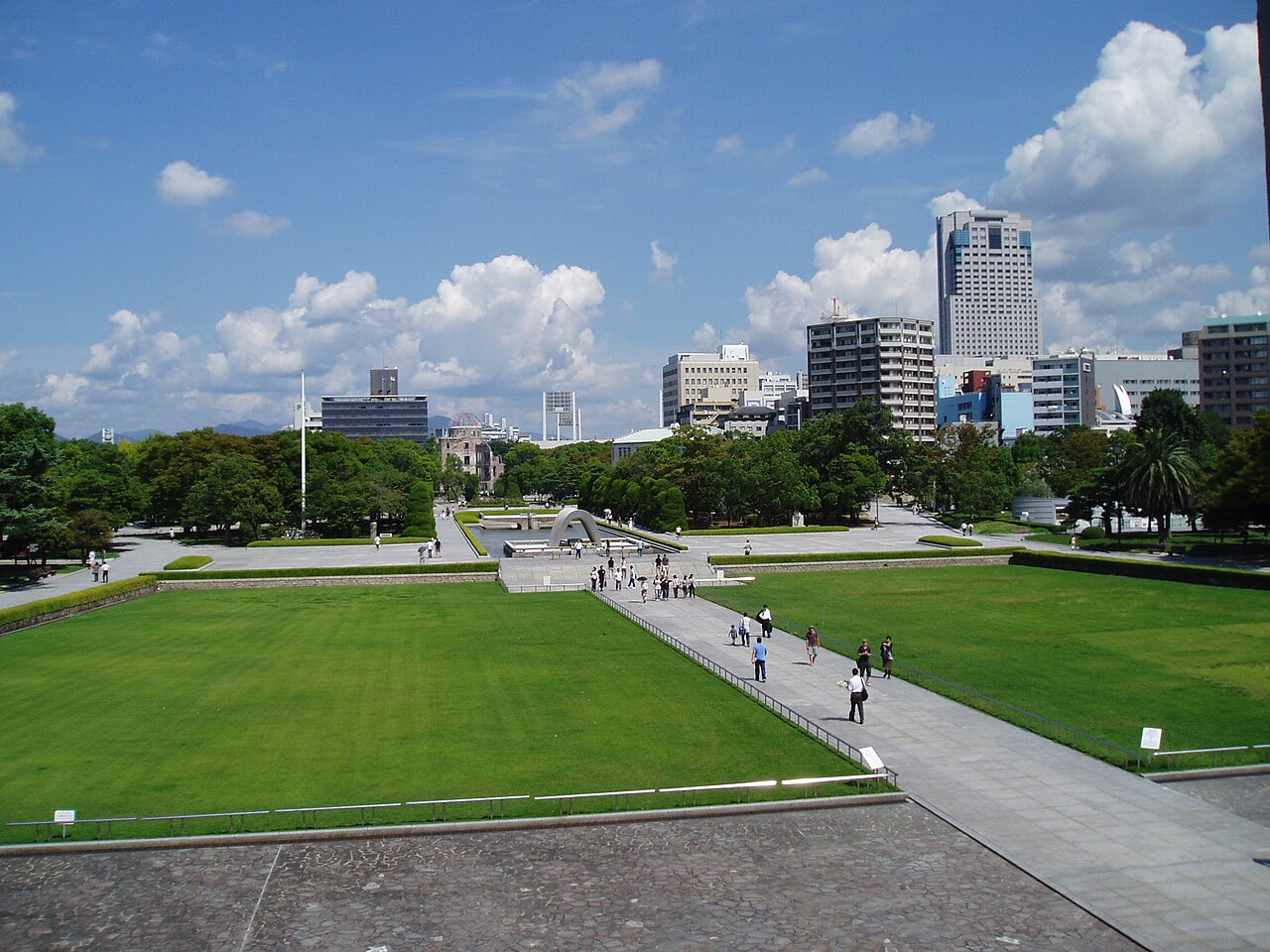
Start in the Peace Memorial Park and spend the morning at the Peace Memorial Museum, which is the emotional center of any visit. Go early, move at your own pace and expect to need a break afterward. Walk out along the river to the Atomic Bomb Dome, the one ruin left standing near the hypocenter, and take a few minutes to read the boards and look at it from the riverbank. For lunch, head to a counter downtown and have your first Hiroshima-style okonomiyaki, the layered version with noodles that locals consider the real thing. In the afternoon, go up Orizuru Tower beside the Dome for a rooftop view that explains how the city sits between the hills and the sea. If you still have energy, walk through the park again toward evening, when the light is soft and the mood is calm. A simple dinner and an early night suit this day.
Day two: Miyajima
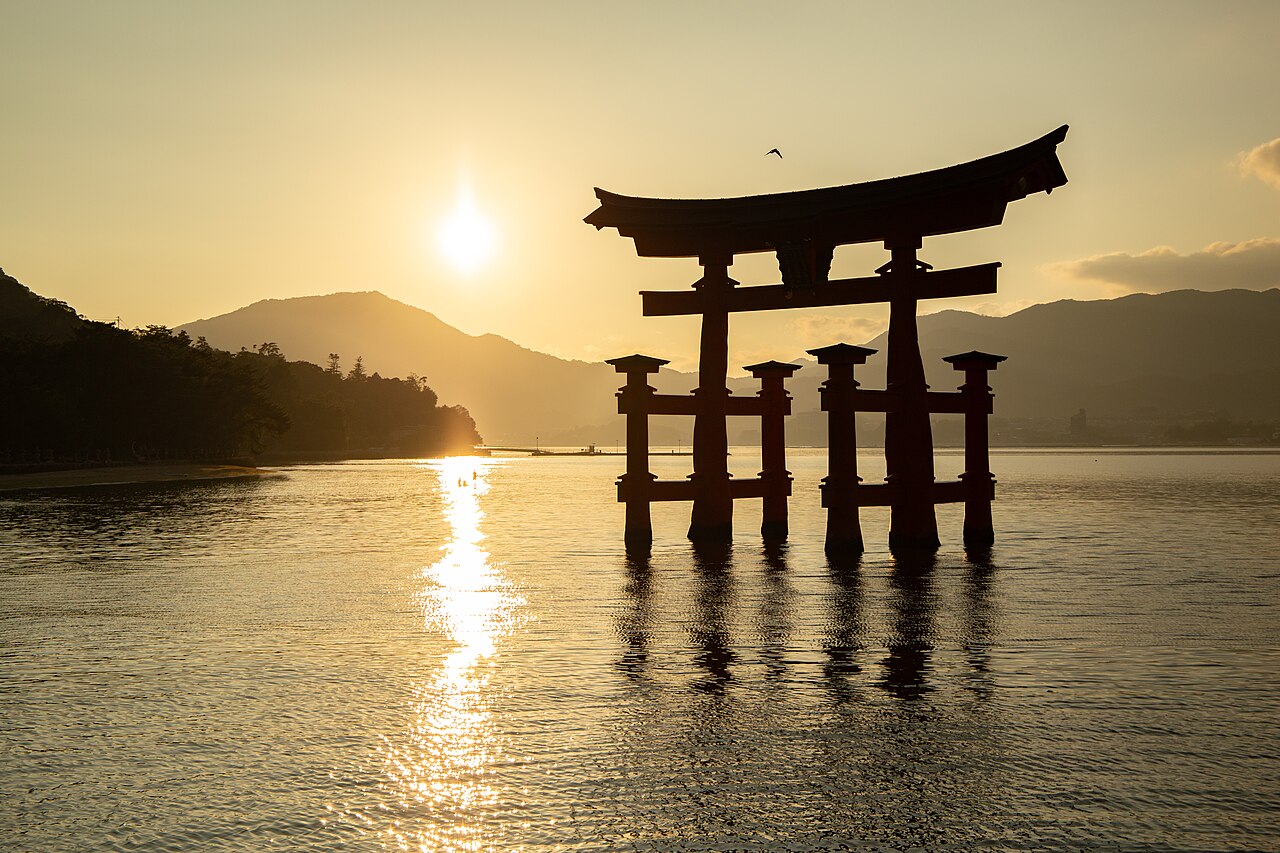
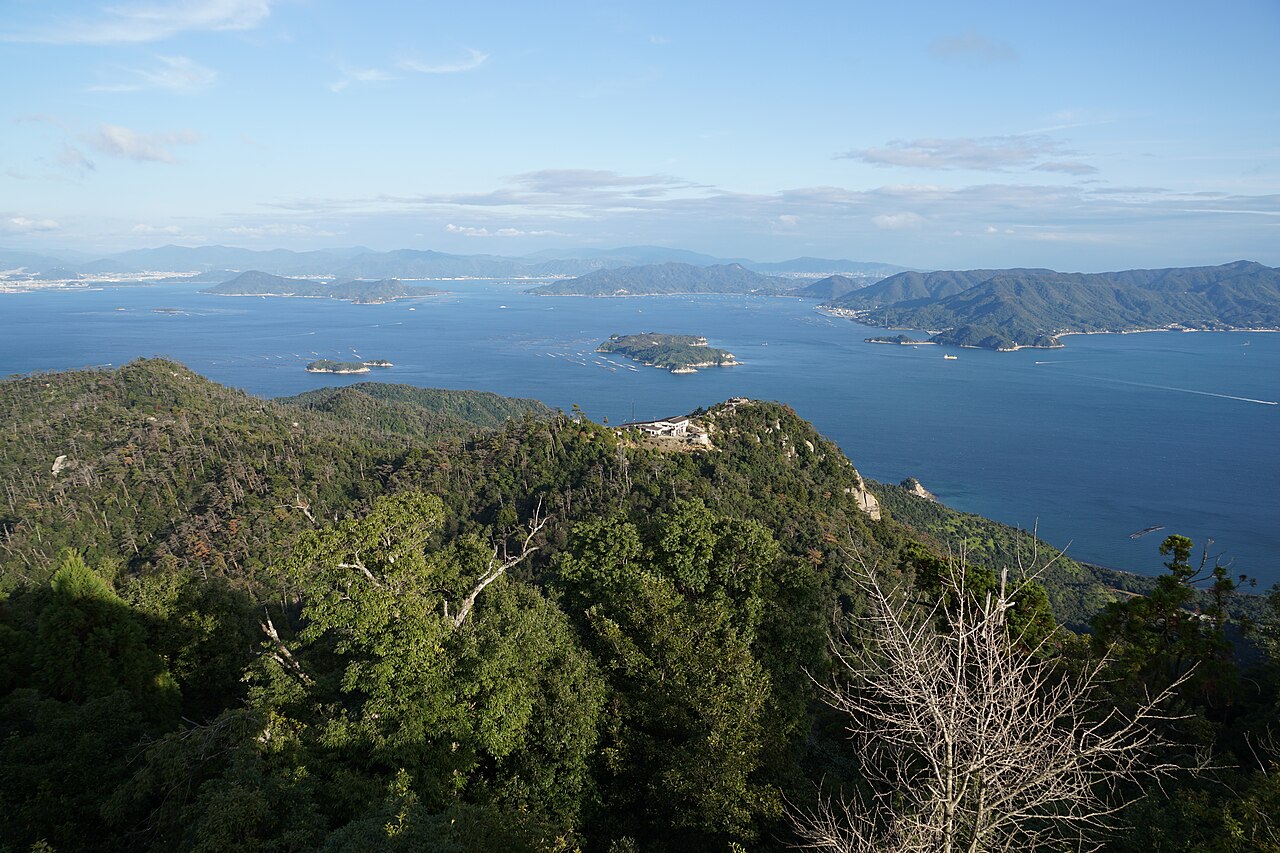
Take the JR line from Hiroshima Station to Miyajimaguchi and the short ferry across, collecting the small visitor tax with your fare. Check the tide table the night before, because it decides whether you see Itsukushima Shrine and its great torii afloat or standing on wet sand you can walk out to. Aim to be at the shrine in the morning, then wander the lanes past the deer and the shops selling maple-leaf cakes. Quiet Daisho-in Temple, on the slope behind the town, is free and a good counterweight to the crowds at the shrine. In the afternoon, ride the Mount Misen ropeway and walk to the summit viewpoint if the weather is clear. Stay for the ferry back at dusk, or, if your budget allows, sleep on the island and see the shrine lit and nearly empty after the day visitors leave.
Day three: gardens, food and a choice
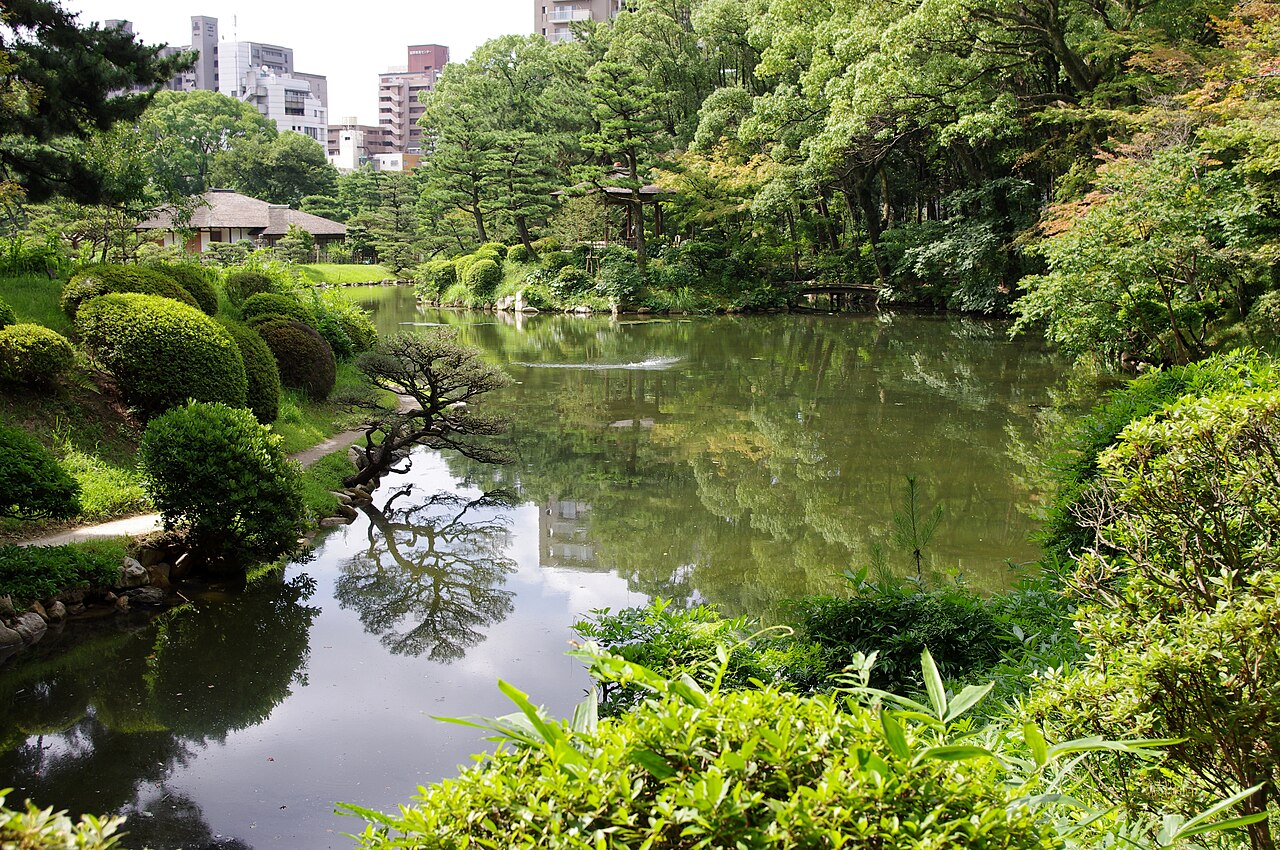
Begin at Shukkeien Garden, a compact landscape garden of ponds, small bridges and tea houses that shows a gentler side of the city. Add the grounds of Hiroshima Castle, remembering that the keep itself is closed, so you are there for the moat, the Ninomaru area and the shrines. Then choose how to spend the afternoon. For food, book an okonomiyaki cooking class or an evening food tour and eat your way through the downtown counters. For something different, take a half day to Iwakuni and the Kintai Bridge, or to Kure and the Yamato Museum if you are interested in shipbuilding and naval history. Car lovers can try for a Mazda Museum tour, but it needs a booking ahead of time and a trip east of the city, so only add it if you reserved well in advance.
Practical rhythm
The streetcar network connects almost everything in the city, and IC cards from other Japanese cities work on it. Hiroshima is flat and walkable, so comfortable shoes matter more than any pass. Do not stack two heavy experiences in a row, and put the museum and the shrine on different days, as this plan does. If rain arrives, swap day two and day three, because the garden and the indoor museums cope with weather better than a ropeway ride.
Where to sleep
For this itinerary a downtown hotel near the trams works best, because day one and day three are both city days and the Miyajima trip leaves from the same train network. If you want one island night, make it the second one, and travel light, since the walk from the ferry to a ryokan can take around fifteen minutes. Book that night early in November and spring, which are the busiest seasons.
If you only have two days
Keep day one and day two exactly as written and fold the garden into the morning of your departure. If you have a fourth day, use it for Okunoshima or the Shimanami Kaido, which both reward an unhurried start.