Hiroshima is a very good base. The Seto Inland Sea coast, the island ferries and the Sanyo rail line put half a dozen distinct day trips within a couple of hours of the station, and most of them need no special booking. This guide helps you choose, and shows which pairs of stops work in a single day.
Iwakuni and the Kintai Bridge
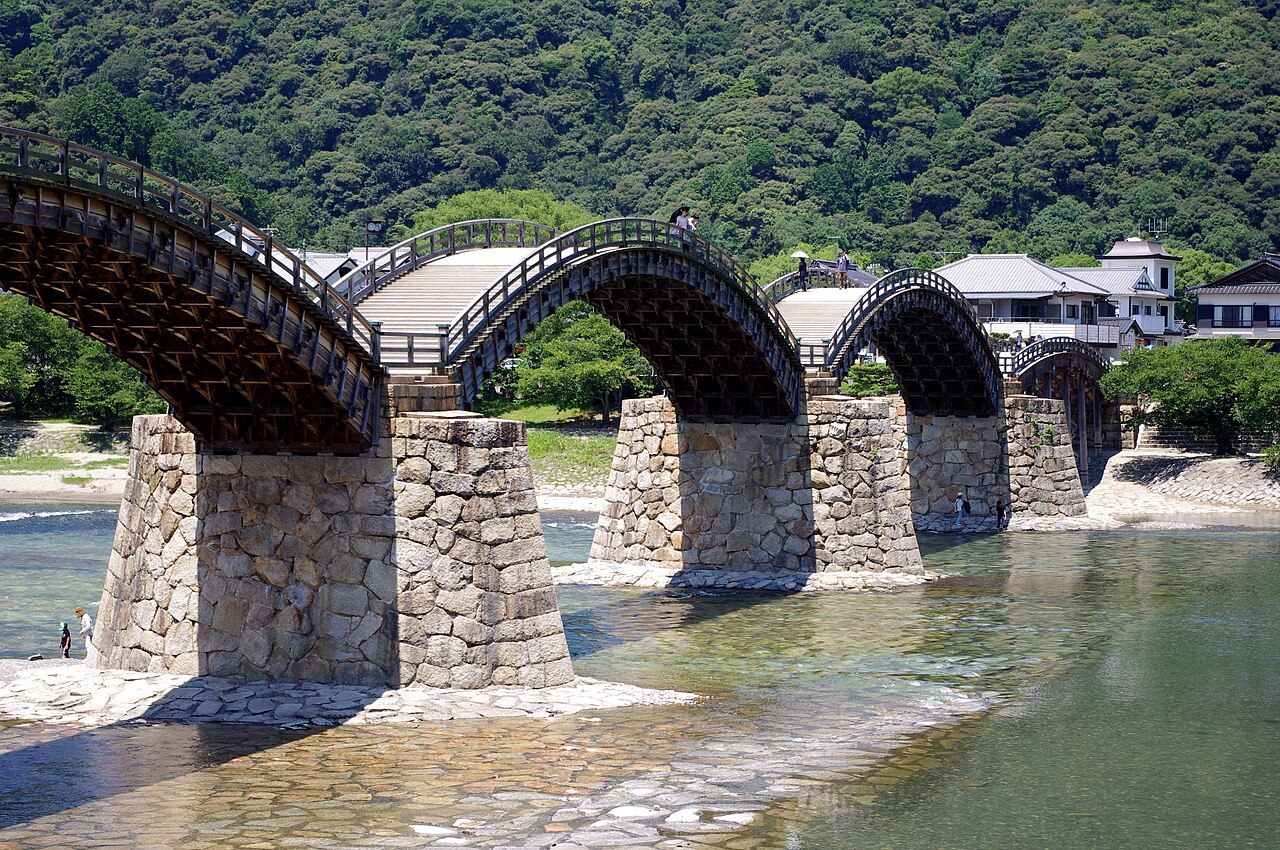
To the west, the town of Iwakuni is known for the Kintai Bridge, a series of five wooden arches across the Nishiki River that dates from the seventeenth century and has been rebuilt faithfully since. You can walk across it, wander the quiet park on the riverbank and take the ropeway up to the hilltop castle for a view over the town and the bay. Allow most of a day including the train and a short bus ride, roughly an hour each way. It is the easiest of these trips and suits spring blossom or November color. It also combines well with Miyajima because both lie along the same western rail corridor.
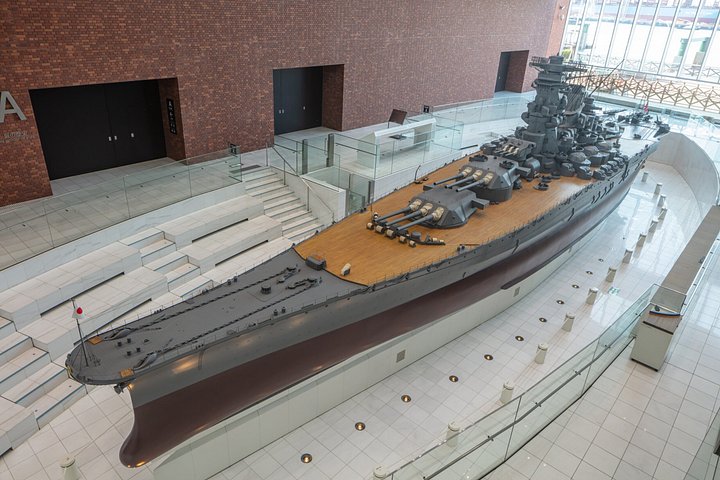
Kure and the Yamato Museum
South of Hiroshima, Kure is a harbor city with a long shipbuilding history. The Yamato Museum focuses on that story, with a large scale model of the battleship at its heart and displays on postwar engineering. It suits travelers who want to understand the industrial and naval side of the region, and it is a respectful, well-presented visit. Check the weekly closing day before you go. Kure is a short train ride from the city, so you can pair the museum with a harbor stroll and a late lunch and be back downtown for dinner.
Okunoshima, the rabbit island
A ferry from Tadanoumi takes you to a small island inhabited by hundreds of tame rabbits, which come to visitors for food. It is a gentle, family-friendly day, and the island also has a small museum and the ruins of a wartime facility that add historical depth. The route involves a train and a short crossing, so allow four to six hours. Do not bring your own treats without checking the current guidance, and keep dogs and loud play away from the animals. It is lovely in spring and autumn, and less comfortable in summer heat.
Onomichi and the Shimanami Kaido
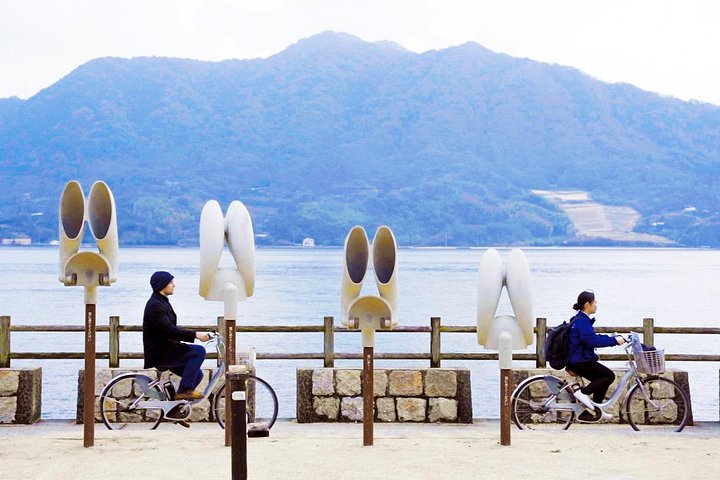
East of Hiroshima, Onomichi is a hillside port town of temples, narrow lanes and cats, and it is the starting point for the Shimanami Kaido, the chain of bridges linking islands across the Inland Sea to Shikoku. Cyclists can ride sections of the route with rental bikes and drop them off at the other end, while non-cyclists can enjoy the town on foot and ride the ropeway to the hilltop. This is a full day, so start early and choose spring or autumn for comfortable riding.
Saijo, the sake town
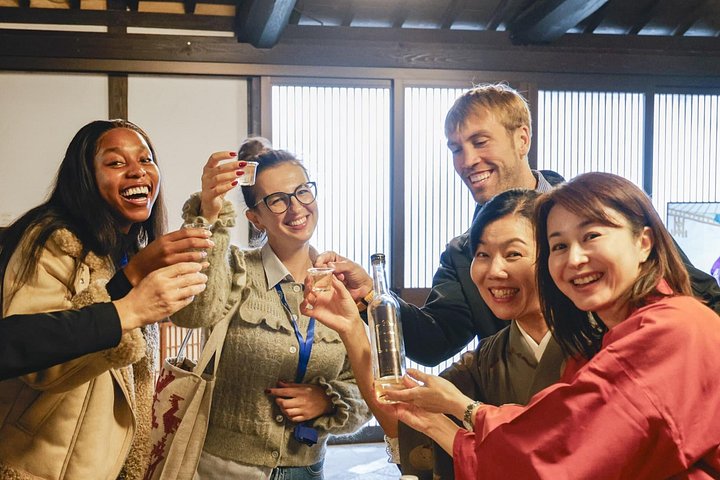
Half an hour east by train, Saijo packs several breweries into a walkable district around the station. It is a short, relaxed excursion that works as an afternoon, and it combines well with a return to Hiroshima for an okonomiyaki dinner. Go on a weekday afternoon, when more breweries are open, and plan to take the train home.
Farther afield
If you are staying in Hiroshima for several nights and want a longer excursion, the bullet train makes Osaka and Kyoto realistic by rail. That works the other way too: a guided day from those cities brings visitors to Hiroshima and Miyajima in one long day, which is why you will see so many daytrippers at the shrine by midday.
How to choose
For history, pick Kure. For scenery and architecture, pick Iwakuni. For families, pick Okunoshima. For active travelers, pick the Shimanami Kaido. For food and drink, pick Saijo. Two of these in a single day is ambitious, so the safest pairing is Iwakuni with Miyajima, or Saijo with a Hiroshima food evening. Trains run frequently along the main line, but the last services home leave earlier than you might expect on branch lines, so check the final departure before you commit to a late finish.
Practical tips
Wear shoes you can walk in, carry water, and keep a little cash for small bus fares and ferry crossings. Rail passes can cover parts of these routes, so compare the cost with single tickets before buying. Weekend and holiday crowds are heaviest at Okunoshima and Iwakuni, so a weekday start gives a calmer visit.