Hiroshima works in every season, but each one gives you a different trip. The memorials are meaningful year-round, while Miyajima, the gardens and the day trips are much more sensitive to weather and crowds. This guide describes what each season is like so you can match your dates to what you want from the visit.
Spring, March to May
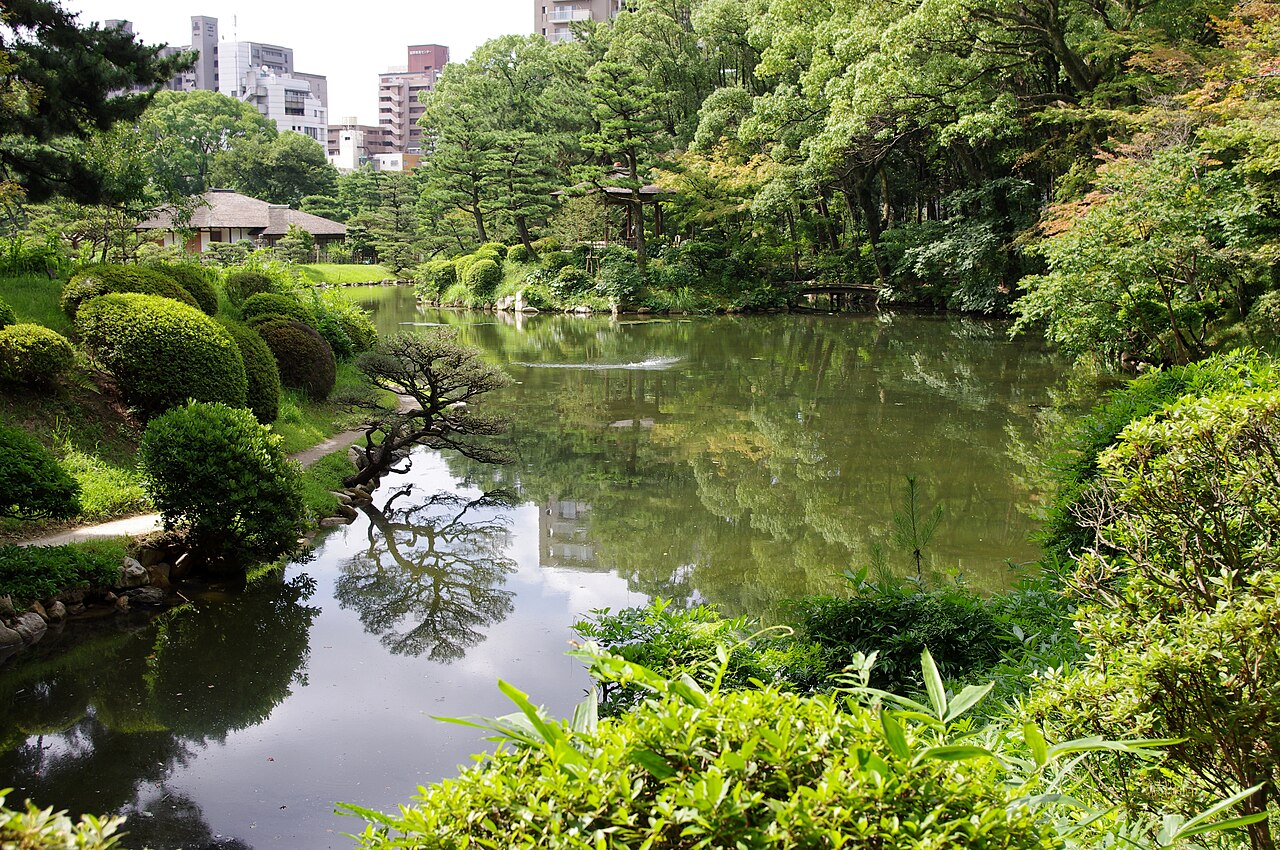
Cherry blossom turns the riverbanks, Hiroshima Castle grounds and Shukkeien Garden pink, usually from late March into early April, with exact timing changing from year to year. Temperatures are comfortable for walking, which makes this a very good season for the Peace Park, Miyajima and cycling the Shimanami Kaido. It is also busy. Hotels, especially on Miyajima, fill early, and the shrine island is crowded at midday. Book accommodation and any small-group experiences well ahead, and start your Miyajima day early.
Early summer and the rainy season
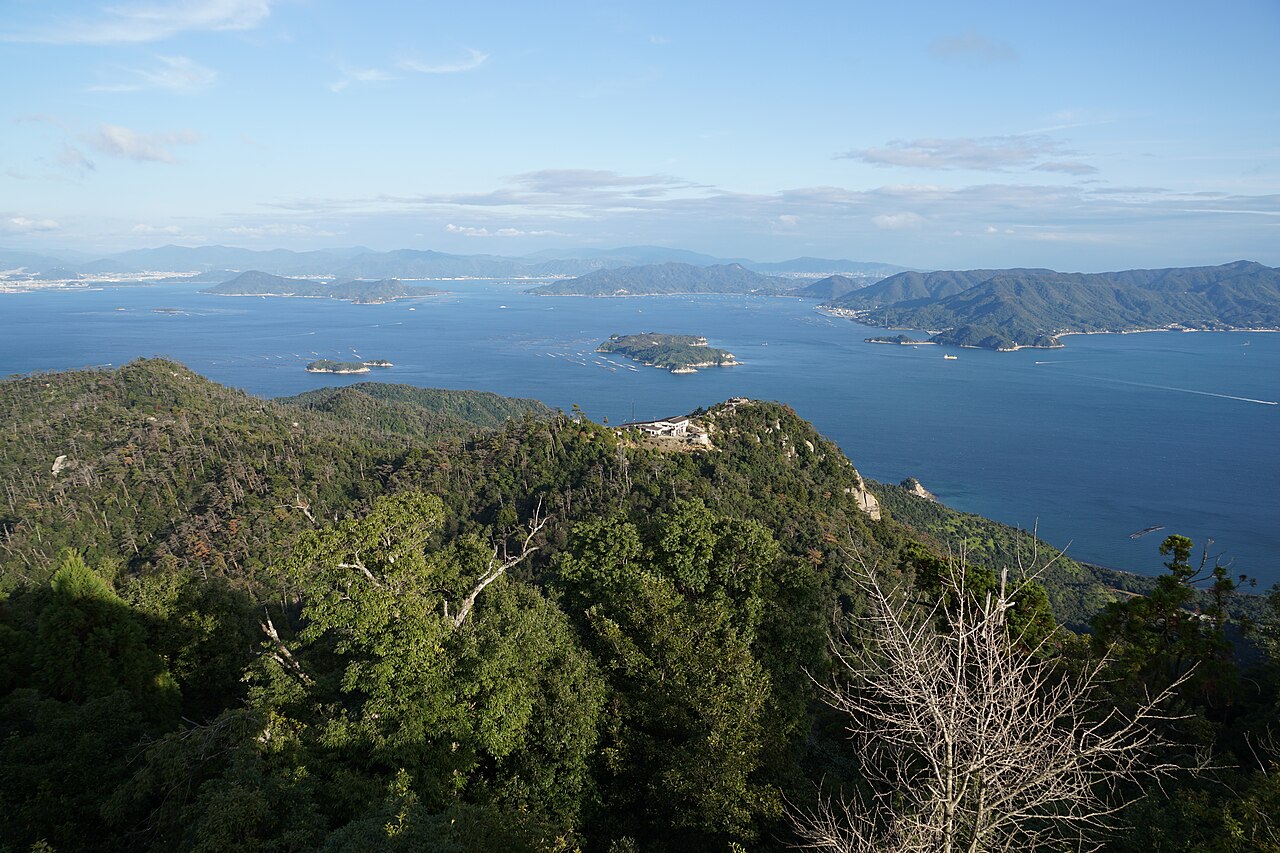
In June the region enters the rainy season, with gray skies and humid air. Crowds thin out, and rooms are easier to find. Plan more indoor time at the museums and the Orizuru Tower, and keep ropeway and summit plans flexible, because low cloud can remove the view. Carry a compact umbrella and a change of socks.
Summer, July and August
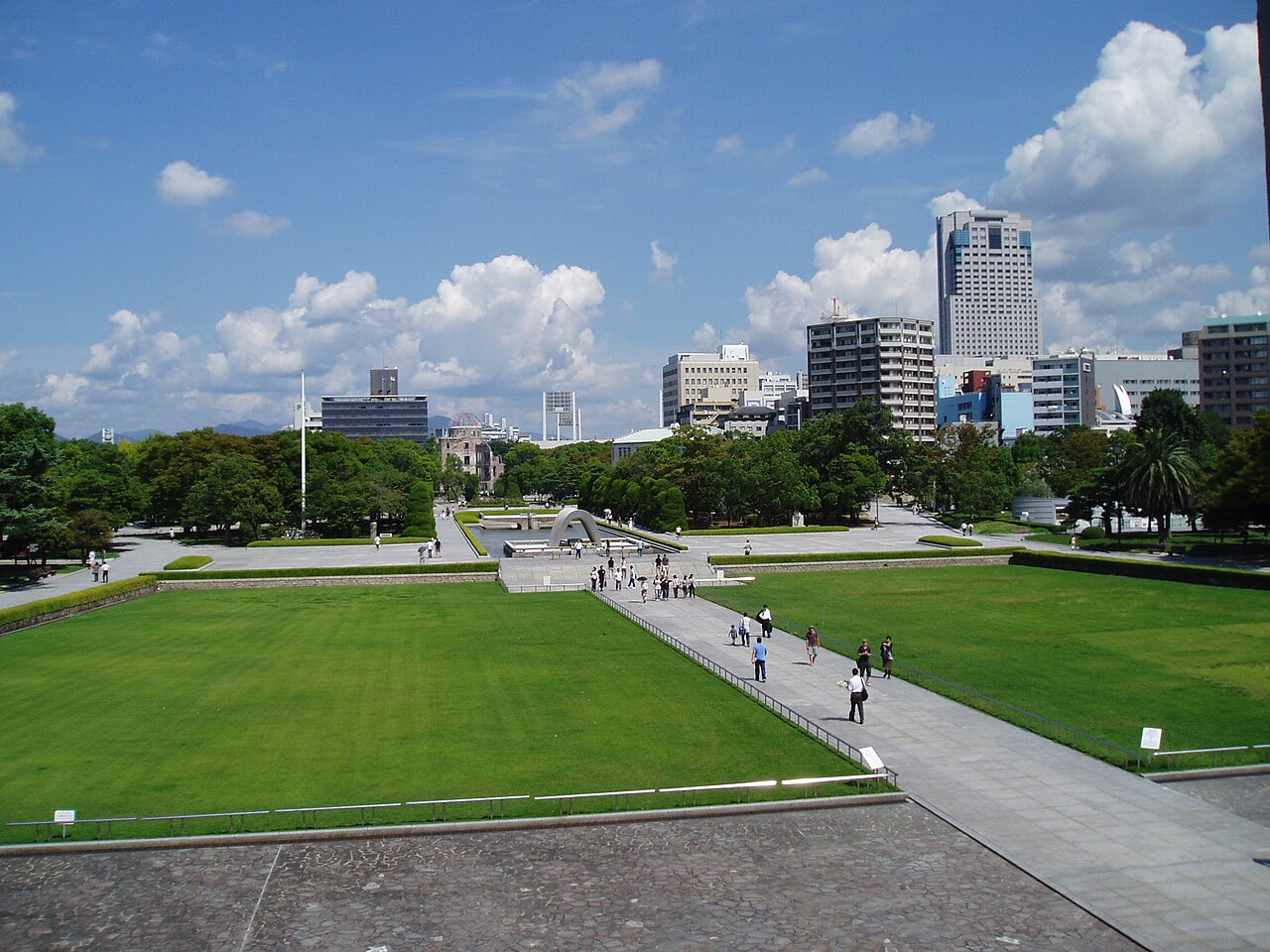
Summer is hot and very humid, so schedule outdoor sights for the morning and rest in the afternoon. Early August carries special weight. The Peace Memorial Ceremony takes place in the park on 6 August, and the city fills with visitors, with road closures and heavy security around the memorial area. If you want to attend, reserve lodging many months ahead. If you would rather see the memorials quietly, avoid that week. Summer is also the season for lantern floating on the river in remembrance, a moving sight that many visitors find unforgettable. Fireworks and festivals appear on Miyajima and in the city during these months, so check local calendars when you plan.
Autumn, October and November
Many travelers regard this as the best season. Temperatures are mild, skies are often clear, and the maples around Momijidani on Miyajima, in Shukkeien Garden and at Mitaki-dera Temple turn red, usually peaking in mid to late November. The sake town of Saijo holds its festival in October. Expect crowds at the shrine and on the ropeway in November, and note that the shrine and the last ropeway descent close earlier as the days shorten. Book hotels on the island in advance and arrive at the most popular spots in the morning.
Winter, December to February
Winter is cool, quiet and good value. Oyster season is in full swing, with grilled and fried oysters sold on Miyajima and in restaurants across the city. Snow is uncommon in the city but possible in the hills, and a dusting on the shrine and the summit is memorable if you are lucky. The days are short, so start early and plan indoor stops for the afternoon. The Peace Park is calm and uncrowded in this season, which many visitors find suits the mood of the museum.
Tides and timing
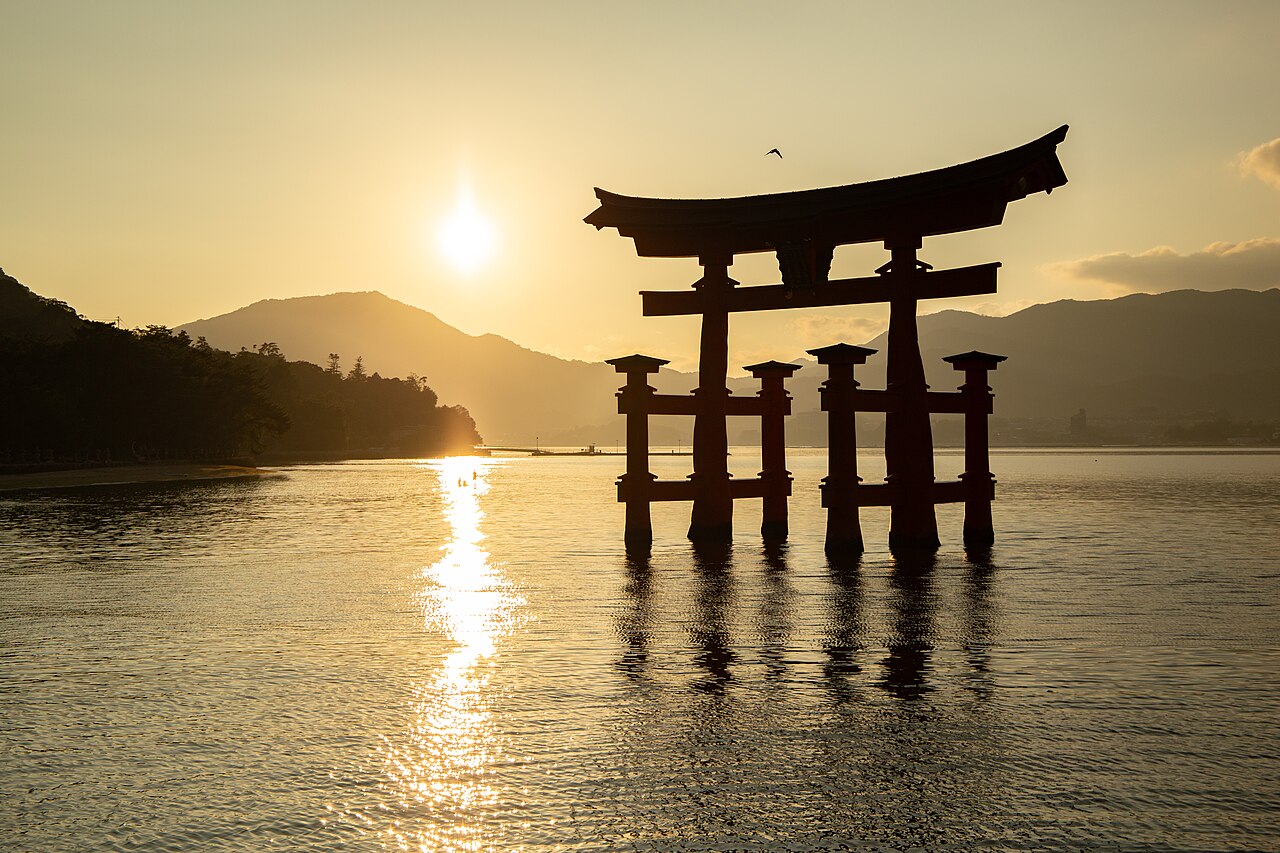
Whatever the season, check the tide table for Miyajima. High tide gives you the floating torii, low tide lets you walk out across the sand to the gate. The two views are different, and if you have a night on the island you can see both in a single stay. Tide times shift daily, so confirm them the day before your visit.
Closures and changes
Hiroshima Castle's keep is closed to the public, so the grounds are the focus of any visit there. Some museums have weekly closing days, and the Mazda Museum needs advance booking. Seasonal repair work on Miyajima has covered parts of the five-storey pagoda in recent years, so expect some scaffolding in photos. Check each venue before you travel.
Our pick
If you can choose freely, go in the second half of November or in early April for the best mix of weather, color and atmosphere, and book early. If you want the quietest, most contemplative trip, go in winter. If you want to experience the city at its most historically significant, plan around 6 August and book as far ahead as you can.