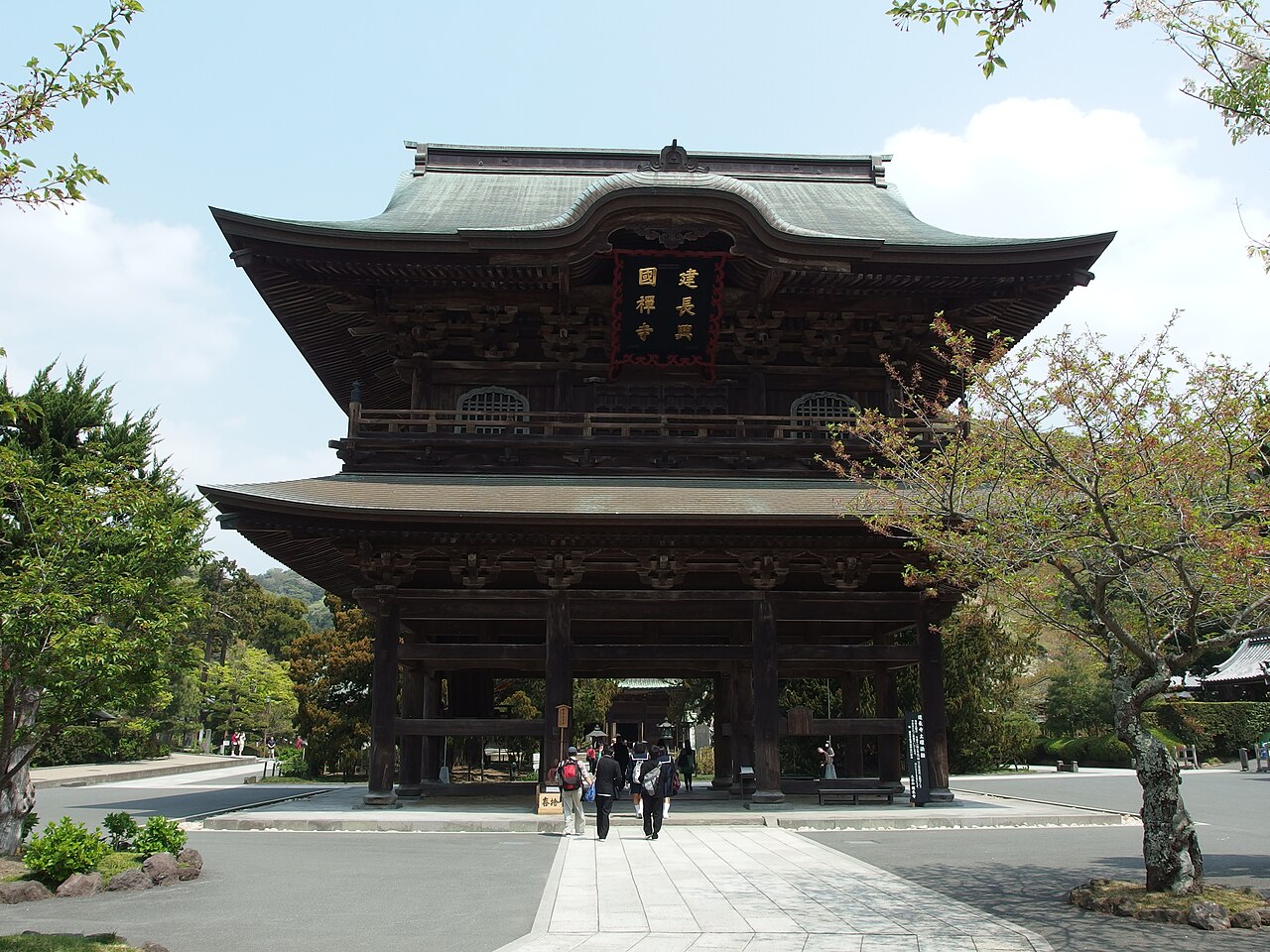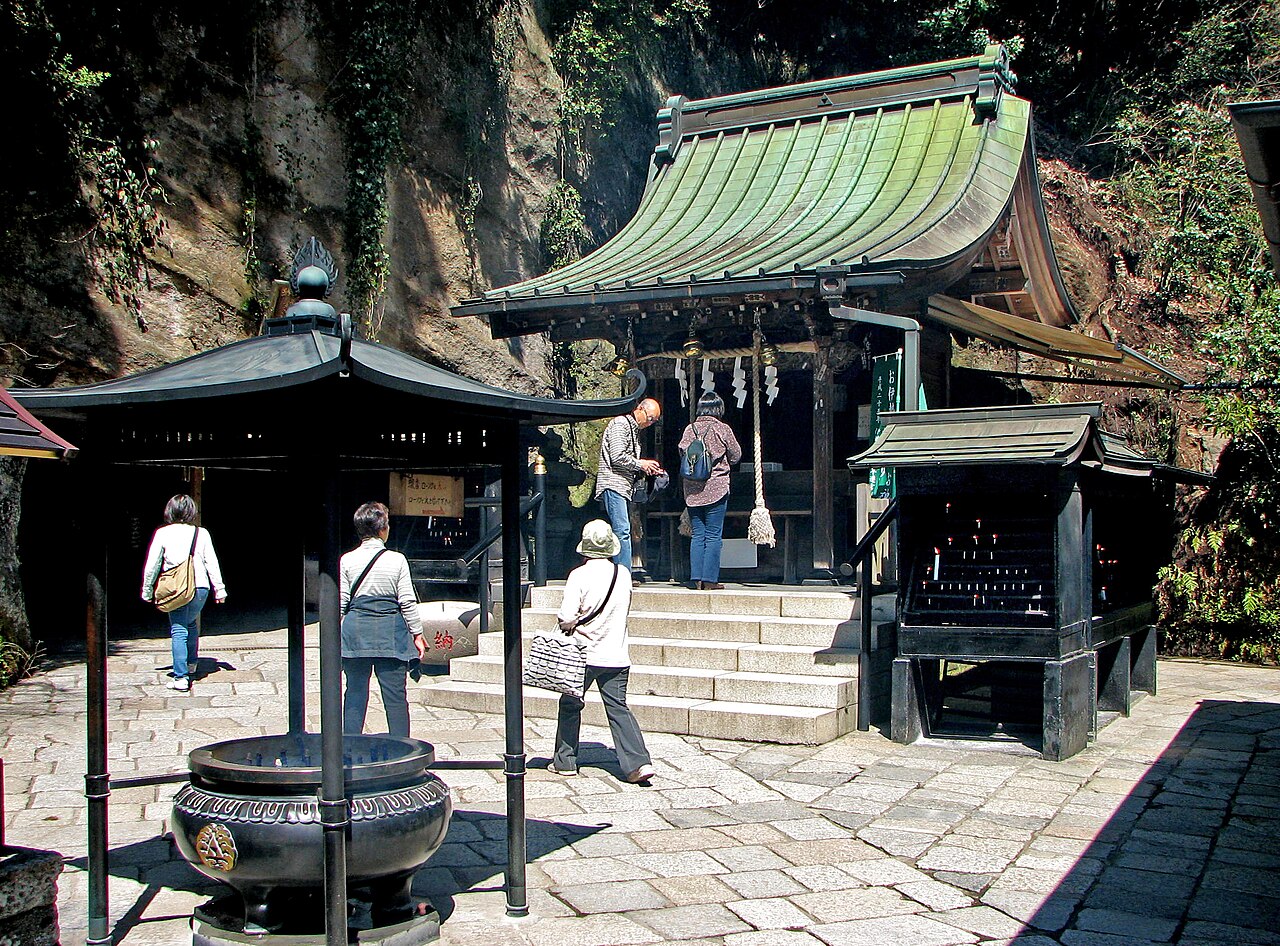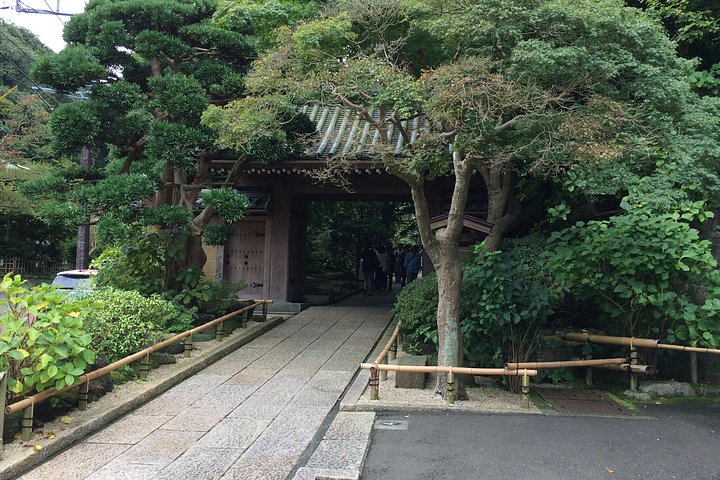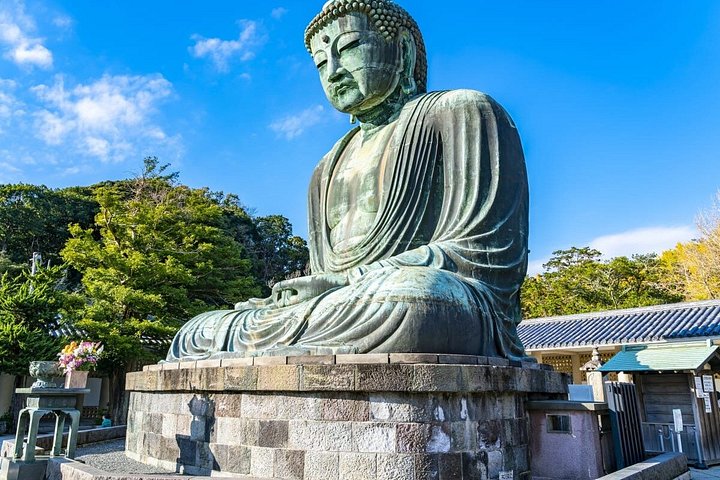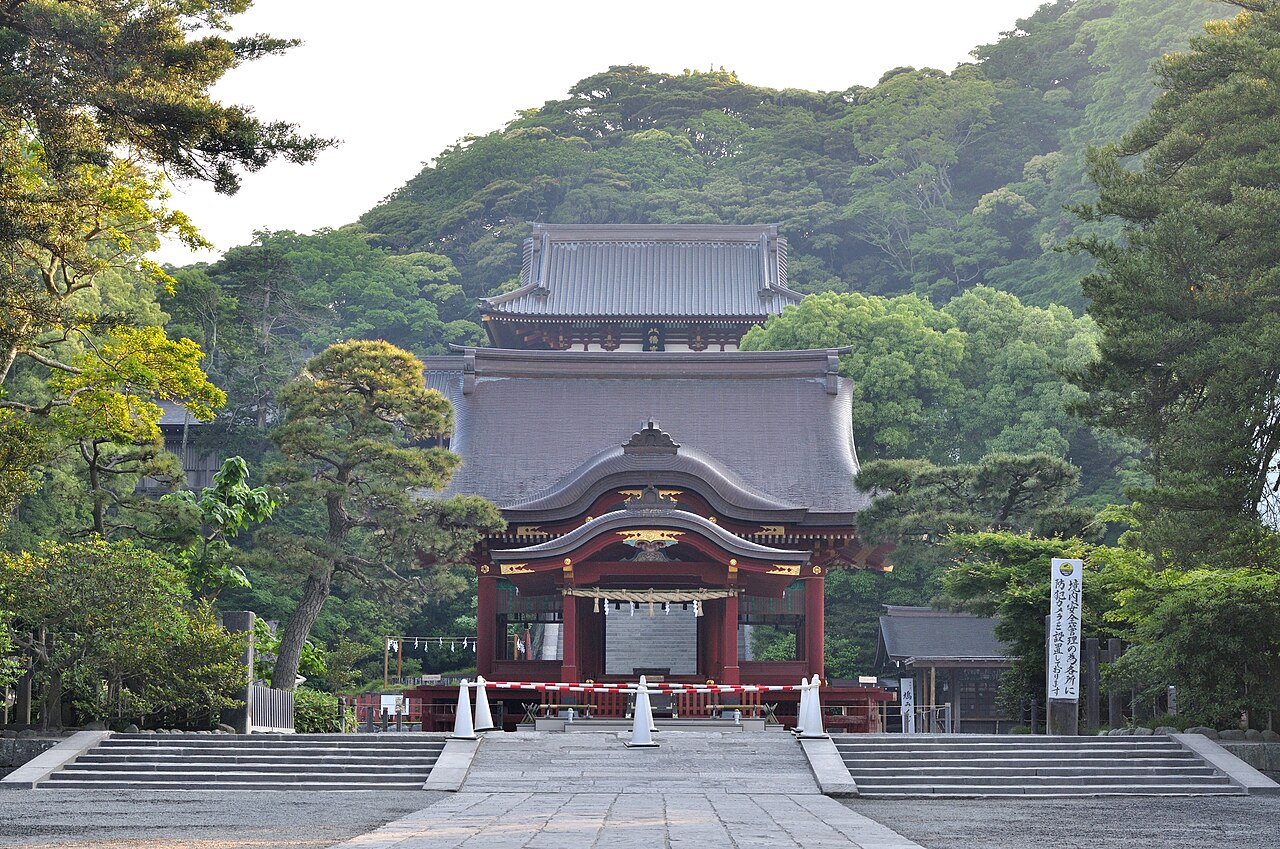
Kamakura sits in a natural amphitheatre, with hills on three sides and the sea on the fourth, and the old shoguns used the ridges as natural fortifications. Today those ridges carry a network of signed footpaths that link temples, shrines and viewpoints through cool, shady woodland. The best known is the Daibutsu trail, which runs from the Kita-Kamakura area over the hills to Hase and the Great Buddha, passing a shrine and a hillside park on the way. Others climb from Kencho-ji up to the ridge behind it, connect Zeniarai Benten to the wider network or lead through the eastern valleys to quiet temples. The trails are free to use, and most are suitable for ordinary walkers in sturdy shoes, although they are steep in places and rooty or muddy after rain.
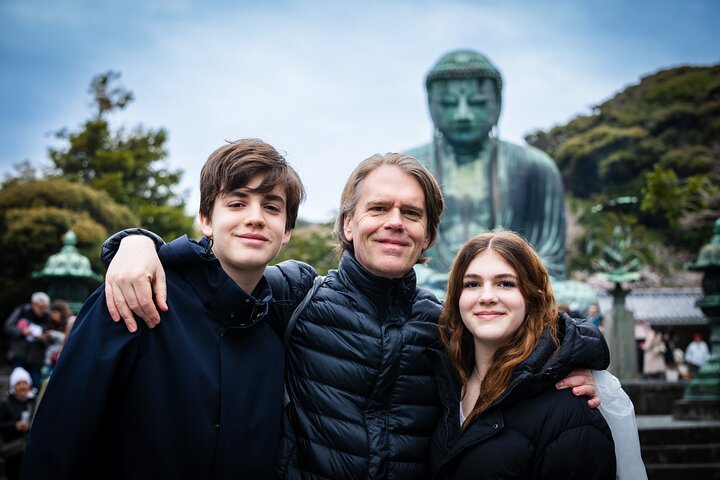
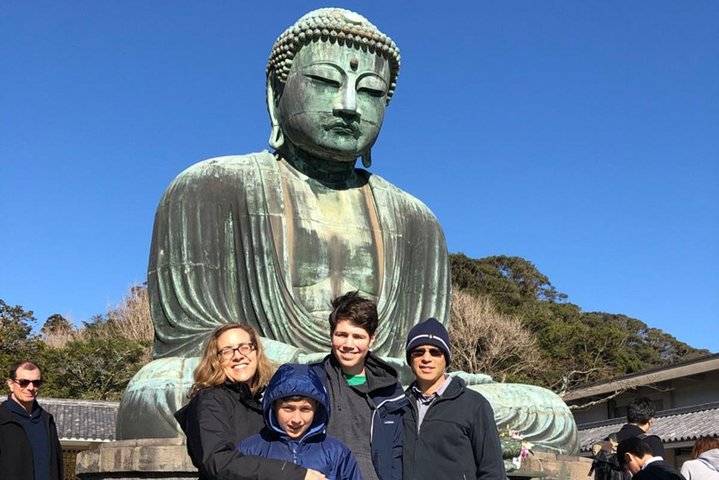
A good first walk is the Daibutsu trail, which takes about an hour and a half with stops. Start near Jufuku-ji, climb into the woods and follow the ridge past the hillside shrine and a viewpoint over the town, then drop down into Hase, where the Great Buddha and Hase-dera are waiting. It is a satisfying alternative to the train and lets you see the temples as a traveller of old might have done, arriving from the hills. Signs in English mark the main junctions, and the path is wide enough to walk in pairs.
Preparation matters more than fitness. Carry water, wear shoes with grip, bring a light rain jacket and allow time before sunset, because the woods grow dark early. After heavy rain, paths can be slippery and sections may be closed for safety, so check the day's conditions with the local tourist information office before you set out. Summer is hot and humid, with biting insects, while autumn and spring are the most pleasant seasons. Winter is cool and clear, with the best chance of long views.
Trail etiquette is simple
Stay on marked paths, take your rubbish home and give way to uphill walkers. Some routes pass close to private land and cemeteries, so keep voices low. Squirrels and other wild animals live in the hills, and you should never feed them. Food and drink sellers are scarce along the ridges, so pack a snack. Lockers at the main stations help you travel light.
Guided hikes are available for visitors who want context, and a guide can link the trail with temple visits, explain the history of the old fortifications and take care of route finding. A walk that combines a ridge trail with a few temples and a view of the Great Buddha is among the most rewarding days in Kamakura. Mark the trails on a map in advance, tell someone your plan and start in the morning so you finish with daylight to spare.
Even a short stretch of trail changes how Kamakura feels. Within minutes of leaving a busy street you are among trees, with cicadas, birdsong and glimpses of the roofs below, and the temples feel like part of a landscape rather than isolated stops. If you only have time for one section, choose the stretch near Kencho-ji or the Daibutsu route and enjoy the contrast with the town below.
What to expect
The experience
A self-guided walk on signed ridge trails through woodland between temples, with the option of a guided route.
Best time
Spring and autumn mornings, and clear winter days for views.
How long
One and a half to three hours, depending on the route.
Tips
Wear shoes with grip, carry water, avoid the trails after heavy rain and start early so you finish in daylight.
Quick picks
- Best for
- Active visitors who want shade, quiet and a different view of the temples.
- Families
- Suitable for older children who like walking, but steep and rooty in places.
- Couples
- A peaceful alternative to the train, ending at the Great Buddha.
- Pair with
- The Great Buddha, Hase-dera, Kencho-ji and Zeniarai Benten.
- Time needed
- Half a day with temple stops.
Good questions
What is the Daibutsu trail?+
A ridge path from the Kita-Kamakura area to Hase and the Great Buddha, taking about an hour and a half.
Are the trails free?+
Yes, the footpaths are free to use, though temples along the way may charge for entry.
Are they suitable for beginners?+
Most are fine for ordinary walkers in sturdy shoes, but they are steep and muddy in places.
When should I avoid the trails?+
After heavy rain, when paths are slippery and sections may be closed, and late in the day when the woods grow dark.
Can I take a guided hike?+
Yes, guided walks link the trails with temples and explain the history of the hills.