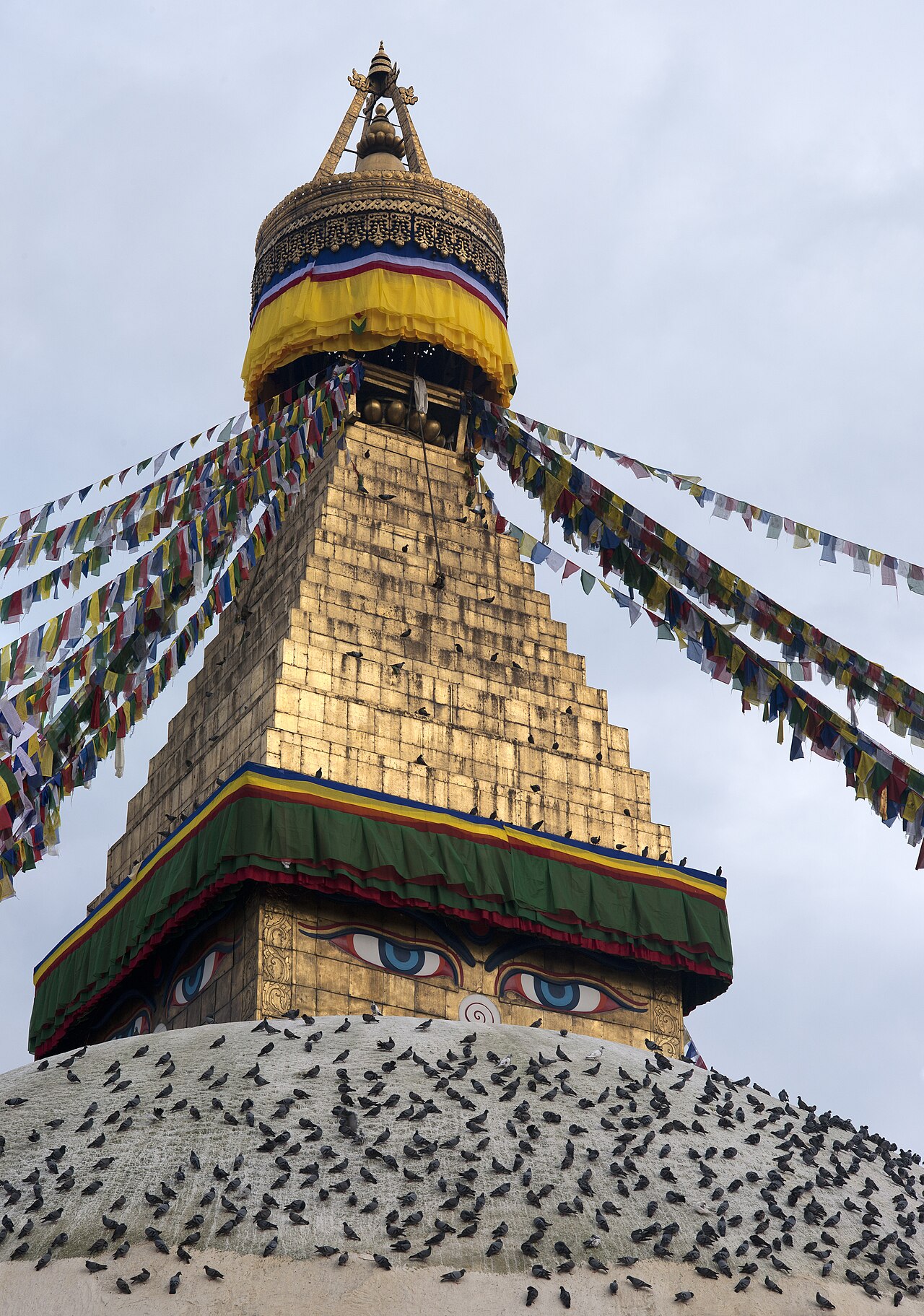
Kopan Monastery sits on a hill north of Boudhanath, a short drive or a steady walk from the great stupa below. Founded in the 1970s by the Tibetan lamas Thubten Yeshe and Zopa Rinpoche, it belongs to the Gelug tradition and has become one of the best known Buddhist centers in Nepal, welcoming students from all over the world to its meditation courses. Hundreds of monks and young students live and study on the hill, and the monastery is a working school as much as a place to visit. The grounds are neat and peaceful, with terraced gardens, white stupas, colorful prayer flags and a large main hall with a golden Buddha and detailed murals. A small gift shop and café serve visitors, and the viewpoint at the edge of the property looks across the valley. The atmosphere is calm and focused, quite different from the busy circle of Boudhanath, and it is an easy place to sit, listen and slow down.
Visitors are generally welcome outside of retreat periods and some quiet hours, and many come simply to see the grounds and the main hall. The best moments are the ones you cannot plan: a debate session, where monks clap and shout to sharpen their arguments, a puja with horns and chanting, or the low hum of students reciting texts. Ask at the gate about the daily schedule and be ready to wait quietly if something is happening.
Meditation courses are the monastery's main activity, ranging from a few days to a month, and they are popular with international students. If you are curious, ask at the office about courses and conditions, and book ahead, since places fill. For most visitors a short visit is enough, and a half-day that pairs Kopan with Boudhanath is a classic: begin at the stupa in the early morning, walk or ride up the hill, and finish with lunch in the café.
Etiquette is simple. Dress modestly, with shoulders and knees covered, remove shoes before entering the main hall, keep your voice low and avoid pointing your feet toward images or monks. Ask before photographing people, and do not photograph inside halls unless signs say it is fine. Some areas are reserved for students, and signs mark them clearly. A small donation for entry or at the shrine room is appreciated, and the shop and café help support the community.
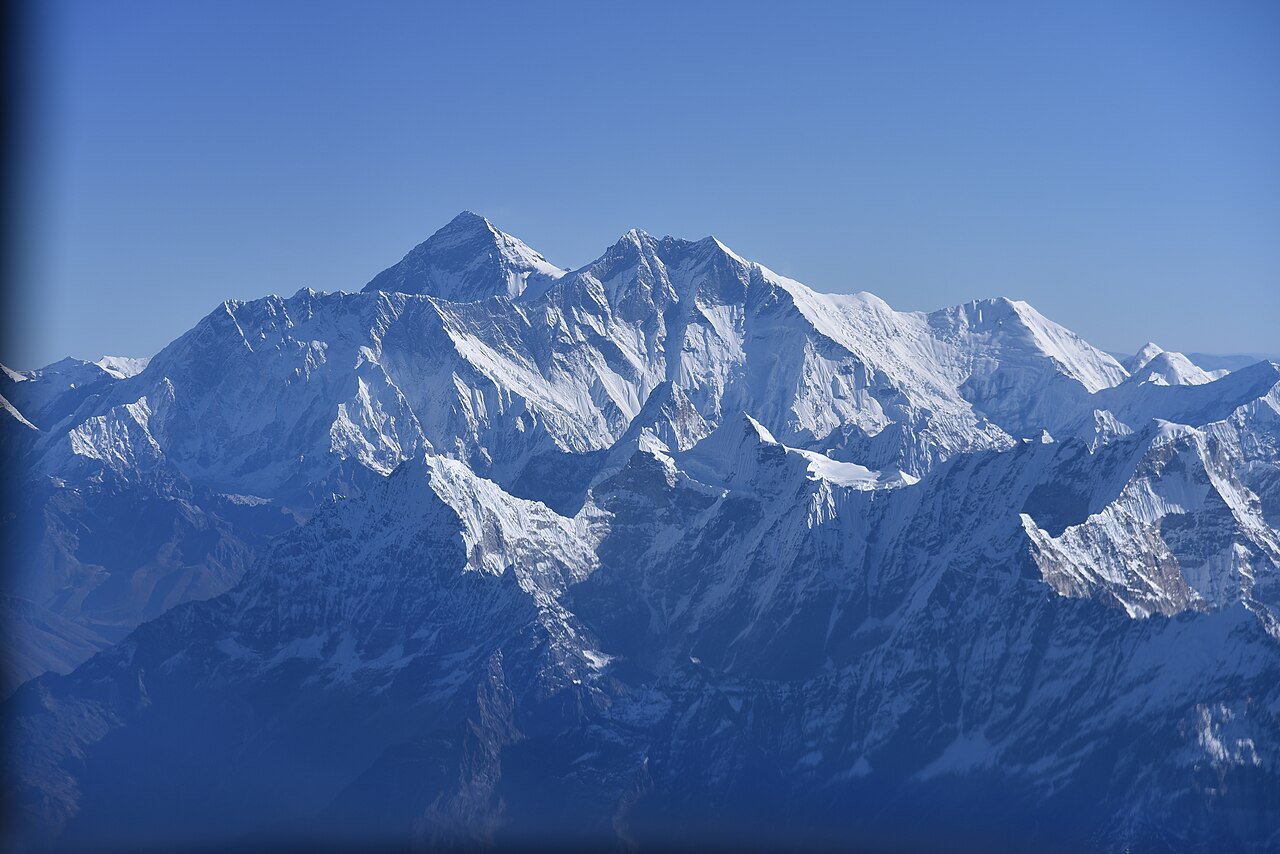
Allow a couple of hours and come with a flexible mind. In the dry season the views stretch across the valley to the mountains on clear mornings, while the monsoon makes the paths slick and the view hazy. If you have time, the walk down toward Boudha takes less than an hour on a steady path, passing through quiet lanes and small neighborhoods. Taking a taxi up and walking down is a good mix of effort and reward.
Kopan also works as a base for slow travelers. Some visitors stay in the simple guesthouses nearby for a few nights, joining morning prayers, walking the quiet lanes and reading in the garden. Even a short stay changes the rhythm of a trip, and the contrast with Thamel is striking. If you have only a day, choose a morning visit, take your time in the main hall and allow a calm hour afterward to sit in the garden before heading back to the busier parts of the valley.
What to expect
The experience
A guided or independent visit to the monastery grounds, main hall and viewpoint, often combined with Boudhanath on a half-day tour.
Best time
Morning for quiet grounds and clear views, and when monks gather for prayers.
How long
Allow two to three hours, or a half day with Boudhanath.
Tips
Dress modestly, remove shoes in the hall, speak softly and ask before photographing monks or students.
Quick picks
- Best for
- Travelers curious about Tibetan Buddhism who want a quiet, reflective counterpart to the city.
- Families
- Children enjoy the colorful hall and the monks, but the grounds call for quiet voices and close supervision.
- Couples
- Start at Boudhanath at dawn, walk up to Kopan for the view and have tea at the café.
- Pair with
- Boudhanath stupa below, or Swayambhunath for another hilltop view.
- Time needed
- Two to three hours; a half day with Boudhanath.
Good questions
What is Kopan Monastery?+
It is a Tibetan Buddhist monastery of the Gelug tradition, founded in the 1970s, which serves as a school for young monks and a center for meditation courses.
Can anyone visit?+
Visitors are generally welcome to see the grounds and main hall outside of retreat periods and quiet hours. Check at the gate for any restrictions.
How far is it from Boudhanath?+
It is a short taxi ride, or a walk of about forty-five minutes to an hour, from the stupa.
Can I join a meditation course?+
The monastery runs courses that range from a few days to several weeks. Contact the office well in advance, because places can fill quickly.
What should I wear?+
Dress modestly with shoulders and knees covered, and wear shoes that are easy to remove at the hall entrance.