Few European cities hold the story of the twentieth century as visibly as Kraków. For several hundred years Jewish and Christian communities lived side by side here, and for a few years during the Second World War the city was a centre of Nazi occupation, ghettoisation and mass murder. Visitors who want to understand that history will find an unusual concentration of places within a short distance of each other, from living synagogues to memorials and museums. This guide suggests an order, a pace and some habits that make the experience meaningful rather than overwhelming.
Start with Kazimierz
Before you learn how the Jewish community was destroyed, it helps to see how it lived. Kazimierz was a separate town until the nineteenth century, and its streets still hold the Old Synagogue, the Remuh Synagogue and its small cemetery, Szeroka Street and a handful of other prayer houses. A guided walk of about two hours explains the layout, the traditions and the way the community was rebuilt in recent decades, including the Jewish Culture Festival. Wear modest clothing in synagogues, cover your head where requested and check opening hours, because prayer houses close on the Sabbath and holidays.
Cross the river to Podgórze
The Kraków Ghetto was created in 1941 on the south bank of the Vistula. A walking tour of Podgórze visits Ghetto Heroes Square with its empty bronze chairs, the Eagle Pharmacy and the fragments of the ghetto wall. The district is now ordinary and lively, which can make the history feel startlingly close. A guide helps you read the streets, and the walk gives the context you need for the museum visits that follow.
Visit Schindler's Factory
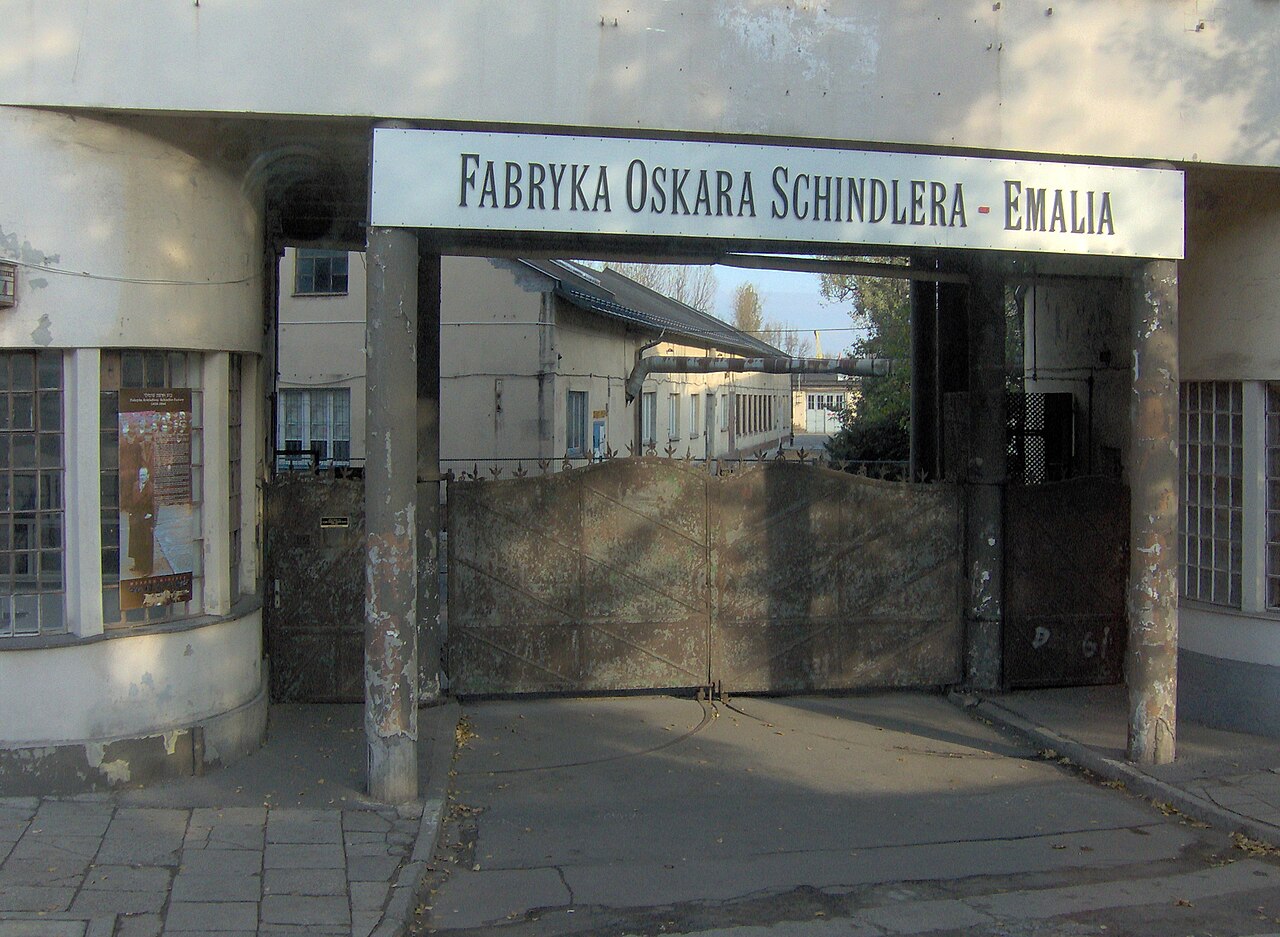
The museum in the former enamel factory is not a biography of one man. It tells the story of Kraków under occupation, from September 1939 to liberation, using rooms that recreate streets, apartments and offices of the period. It is thoughtfully designed, absorbing and emotionally demanding. Timed tickets sell out, so reserve ahead, and allow two to three hours. Nearby, the Eagle Pharmacy and the memorial at the camp site fill in more of the picture.
Płaszów
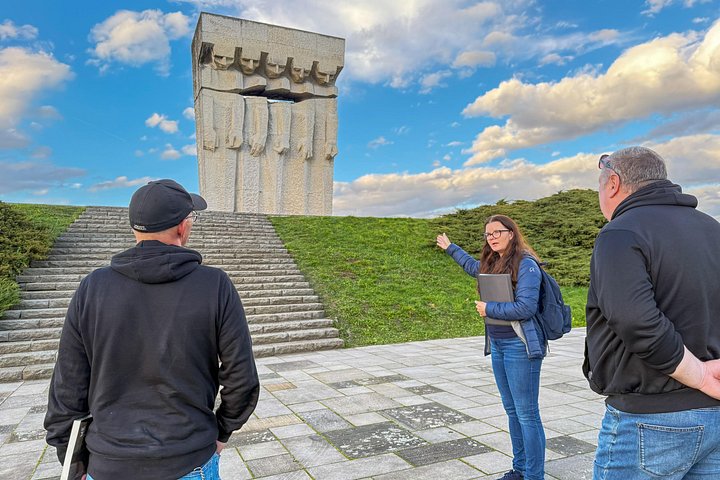
The former Płaszów labour and concentration camp lies on a hill in the south of the city, and today it is mainly a large, quiet green space with scattered memorials and the grey concrete monument at its edge. There is little to see without a guide, who can point out the foundations, the quarry and the site of the commandant's villa and explain how the camp functioned. It is a place for reflection, so keep your voice low and stay on the paths.
Auschwitz-Birkenau
The Memorial and Museum lies about an hour and a half west of the city. Entry to the grounds is free but requires a reserved pass, and most visitors choose a guided tour with transport from Kraków. Plan the whole day around it and avoid adding other sightseeing. The site is not recommended for children under fourteen. Wear comfortable shoes, dress for the weather because much of the visit is outdoors and bring water. Take the rules about photography and behaviour seriously, and leave yourself time afterwards to be quiet.
Pacing the days
Do not try to see everything in two days. A thoughtful sequence might spend one day on Kazimierz and Podgórze, a second on Schindler's Factory with a lighter afternoon, and a third on Auschwitz-Birkenau, followed by a gentler day such as the salt mine, a river cruise or a food tour. Most visitors find a rest day between the heaviest places helpful. If your time is short, choose two: Schindler's Factory for the city's story and Auschwitz-Birkenau for the camp.
Etiquette
Treat memorials and cemeteries as places of mourning. Do not climb on monuments, do not take smiling photographs at sites of atrocity, and do not remove stones left on gravestones. Ask permission before photographing people. If you are visiting with teenagers, talk with them in advance about what they will see and let them step away if needed. Be careful with humour, and avoid treating the sites as backdrops.
Finishing with the living city
Kazimierz is not only a memorial. It has restaurants, galleries, bookshops and festivals, and spending an evening there is part of understanding the community's continuity. Eat at one of the local restaurants, listen to live music and walk the streets after dark. It is a fitting end to a journey through difficult history.