Lofoten is expensive. Norway is one of the costliest countries in Europe, the islands are remote, and the main season is short, so accommodation, food and transport all carry a premium. The good news is that the best of Lofoten is the landscape, and the landscape is free. This guide shows how to build a trip around the free sights, where the real costs sit and the simple choices that save the most.
The free sights
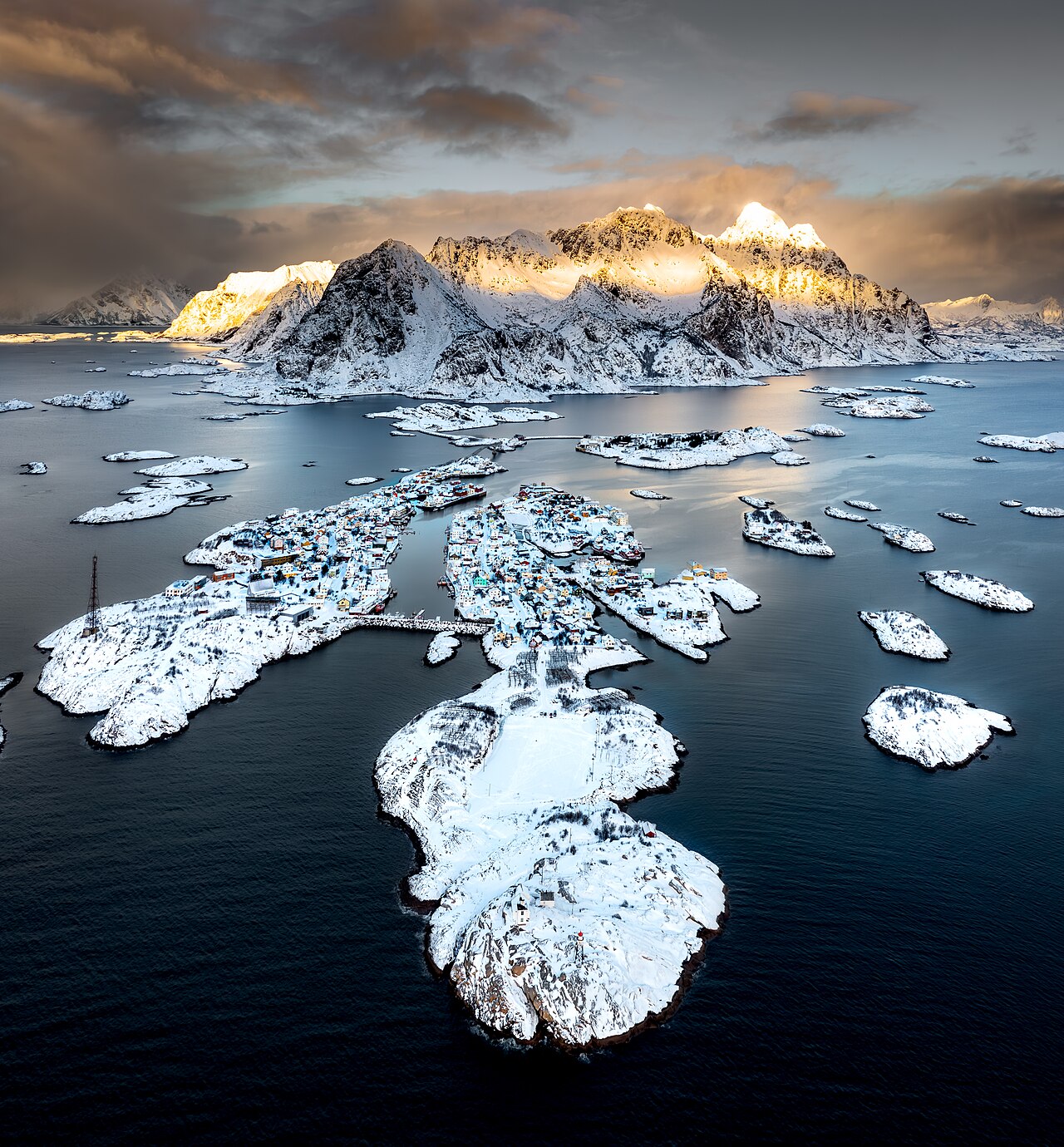
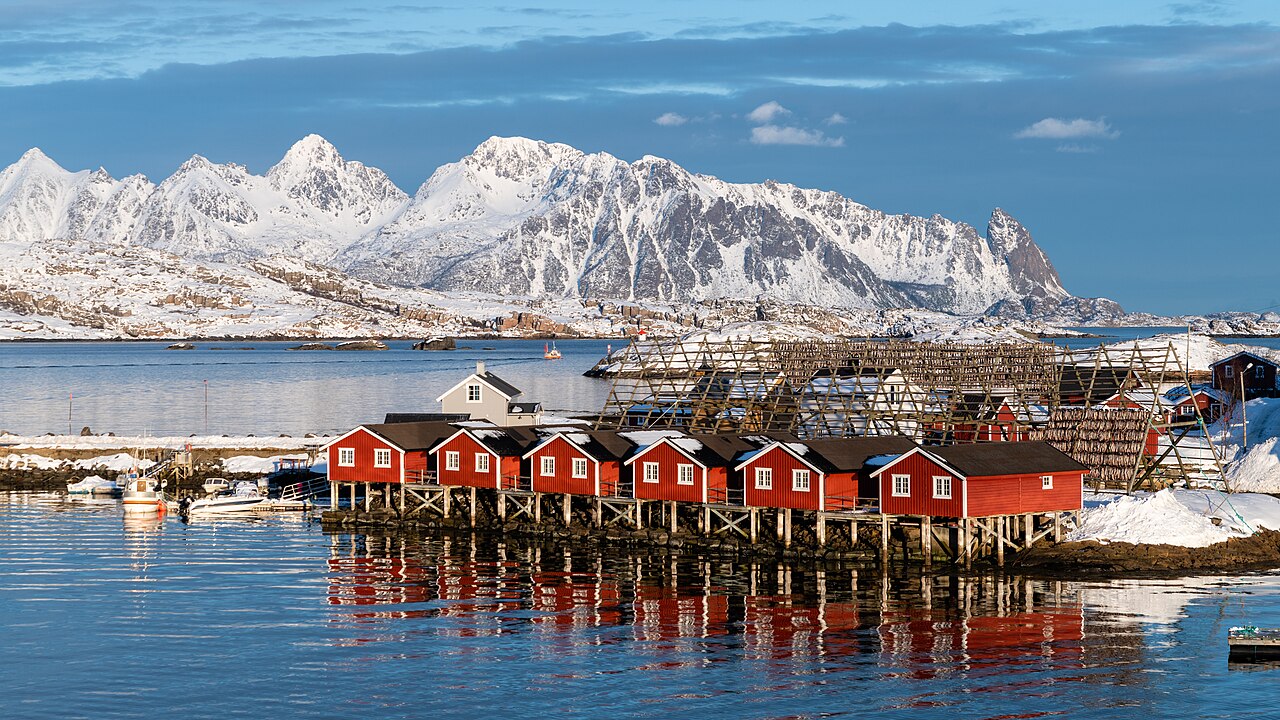
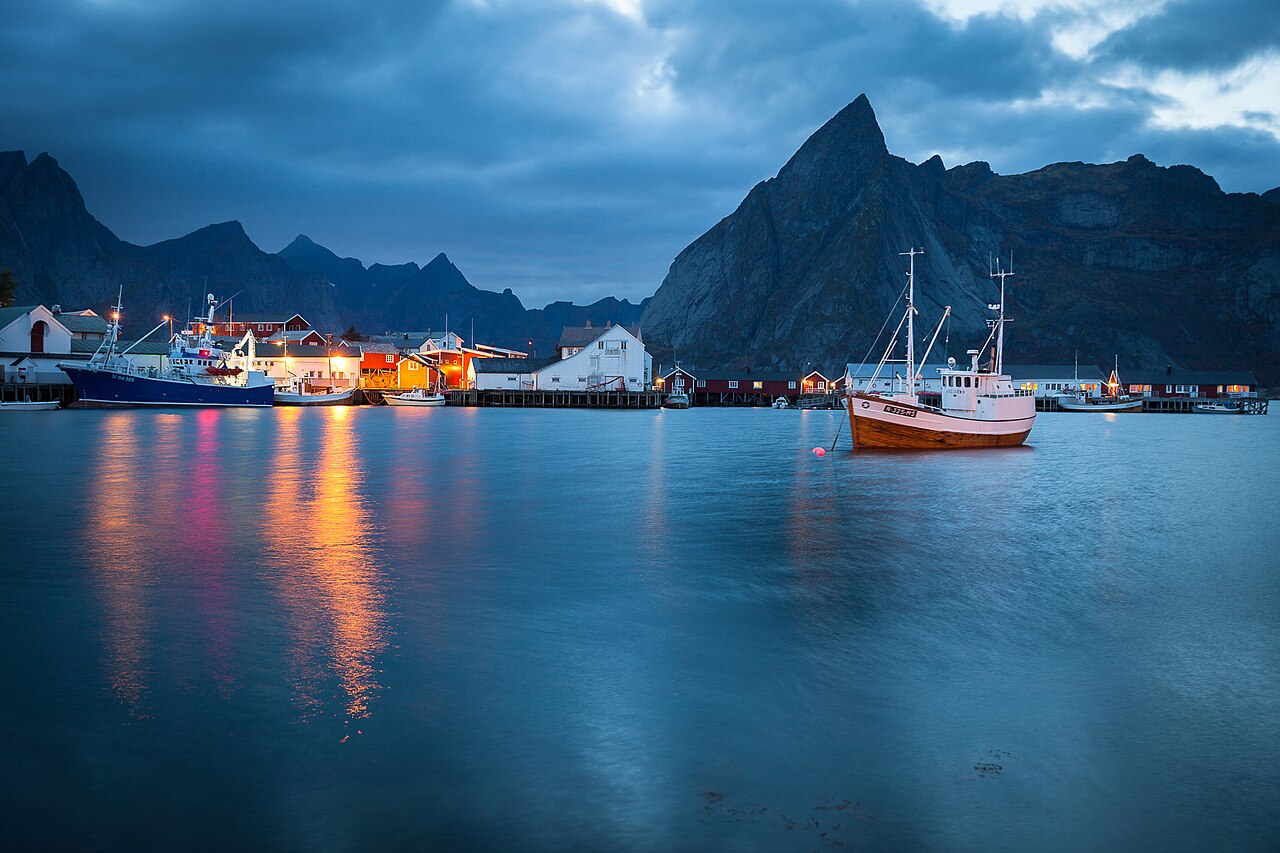
Most of what makes Lofoten famous costs nothing to see. Reine and Hamnøy, with the red cabins below the peaks, are public places with no gate or ticket. Henningsvær's harbour and bridges are free to walk, and so are the quays and the Svinøya quarter in Svolvær. Haukland and Uttakleiv are free white-sand beaches, with only a modest hourly parking fee at Haukland. In season, the hikes to Reinebringen, Mannen and Kvalvika are free, though they are demanding and strictly for the summer months. The Svolværgeita peak above Svolvær is a landmark you can admire from the town, and the sea eagles, the northern lights and the midnight sun are free too.
Where the money goes
Three things take most of a Lofoten budget: accommodation, a car and food. Rooms and cabins are the largest cost, particularly in summer and in the aurora months, and prices rise with demand. Car rental and fuel add up, since the islands are long and the road is slow. Meals in restaurants are costly by the standards of most travellers. The few paid highlights, a boat trip, a guided hike or a museum ticket, are usually a smaller share of the total, so choose them carefully rather than trying to skip them all.
Accommodation savings
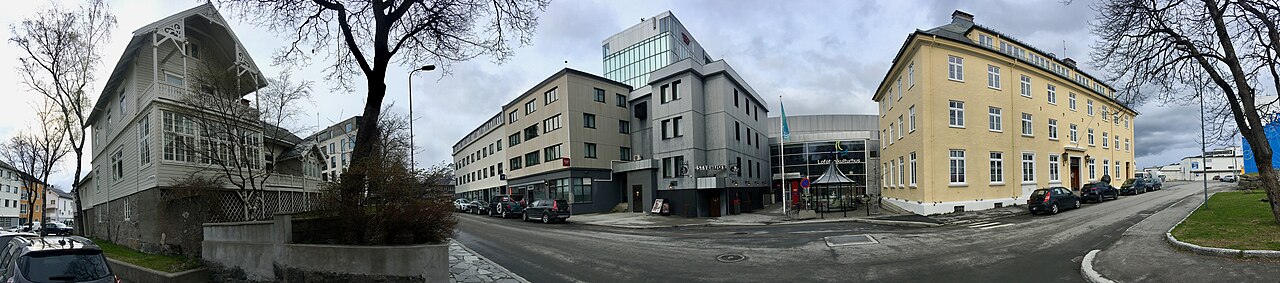
Travel in the shoulder season, in late spring or early autumn, when prices fall and crowds thin. Choose a town hotel in Svolvær over a harbour cabin in the far west, because it is usually better value and gives you services nearby. Look for cabins with kitchens, so you can cook and save on restaurants. Book early for summer, since the cheapest rooms disappear first, and check what is included, such as bedding and breakfast. A simple hotel such as a chain property in Svolvær will often undercut the atmospheric cabin stays, while giving you an easy base for tours.
Getting around
A car gives the most freedom, but it is also a big cost. If you are travelling with others, sharing a car cuts the price per person. Fill the tank in the larger towns, where stations are more common, and use signed parking only, since fines are steep. Regional buses run along the E10, and while winter timetables are thin, bus tickets can be cheaper than a rental for a simple trip between Svolvær, Leknes and Reine. For the one or two days when you want to see everything efficiently, a guided day trip can cost less than a rental and fuel and removes the stress of winter roads.
Food savings
Cook in your cabin, and buy groceries in Svolvær or Leknes before heading west, since village shops are small and expensive. Eat your main restaurant meal at lunch, when many places offer set menus, and use bakeries and cafes for cheaper bites. Carry a refillable bottle, because Norwegian tap water is excellent. Beer and wine in restaurants are costly, and wine and spirits can only be bought at state shops with limited hours, so plan purchases ahead or skip alcohol on a tight budget.
What to pay for and what to skip
If you can afford only one paid outing, choose the experience that you cannot do alone: the Trollfjord boat trip, a guided winter snowshoe walk, a northern lights tour with a driver who knows the clear gaps, or a kayak on the fjord. Museums such as the Lofoten Museum and the Norwegian Fishing Village Museum give good value and are ideal for bad weather. Novelty stops, such as the ice bar, are optional. Free sights fill the rest of the days, and in the dark season you can look for the aurora on your own from a quiet beach or harbour, with no ticket at all.
Respect the rules
Norway has a right of access to the outdoors, but it comes with responsibilities, and Lofoten's popularity has strained it. Wild camping and overnight parking in vans are restricted in many places, so follow local signs and use proper sites. Do not park on the road or block private drives to get a photograph, and keep off private jetties and cabins. Take all your rubbish away. These rules protect the places you came to see and keep fines out of your budget.
A free-sights plan
Spend a day in Svolvær and Henningsvær walking harbours, a day in the centre on the beaches and the Mannen hike, and a day in the west at Hamnøy, Reine and, in summer, Reinebringen. Add one paid outing, and keep the rest for the sky.