Lofoten's food starts with one fish. Cod has driven the economy of the islands for a thousand years, and it still shapes what is on the plate, from simple fish soup to delicate cod tongues. The islands are remote and prices are high by European standards, so eating well here is partly about knowing what to look for, partly about using a cabin kitchen, and partly about accepting that opening hours shrink in winter. This guide gives you the dishes and the practical sense to find them without naming restaurants whose menus and hours change.
The cod story
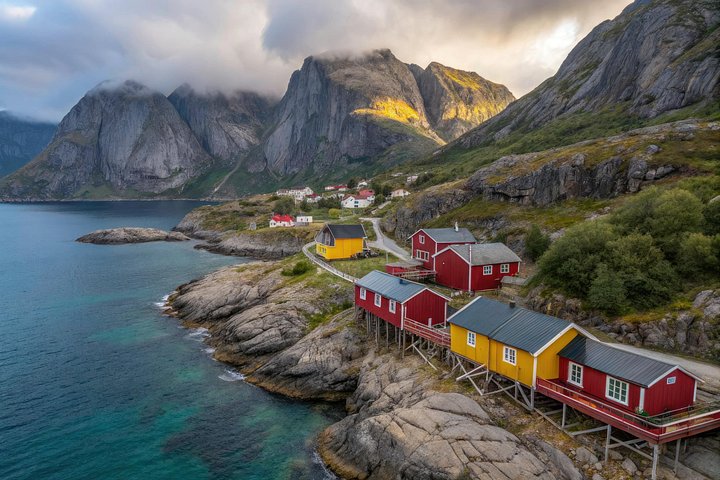
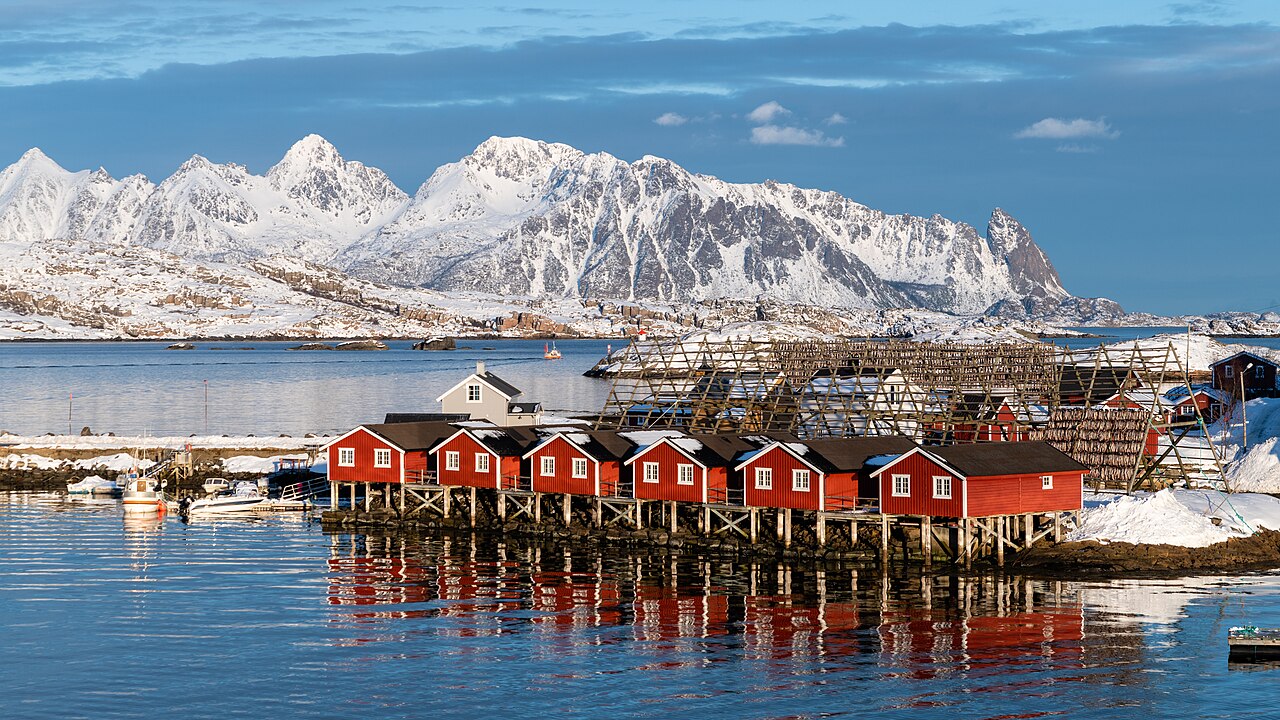
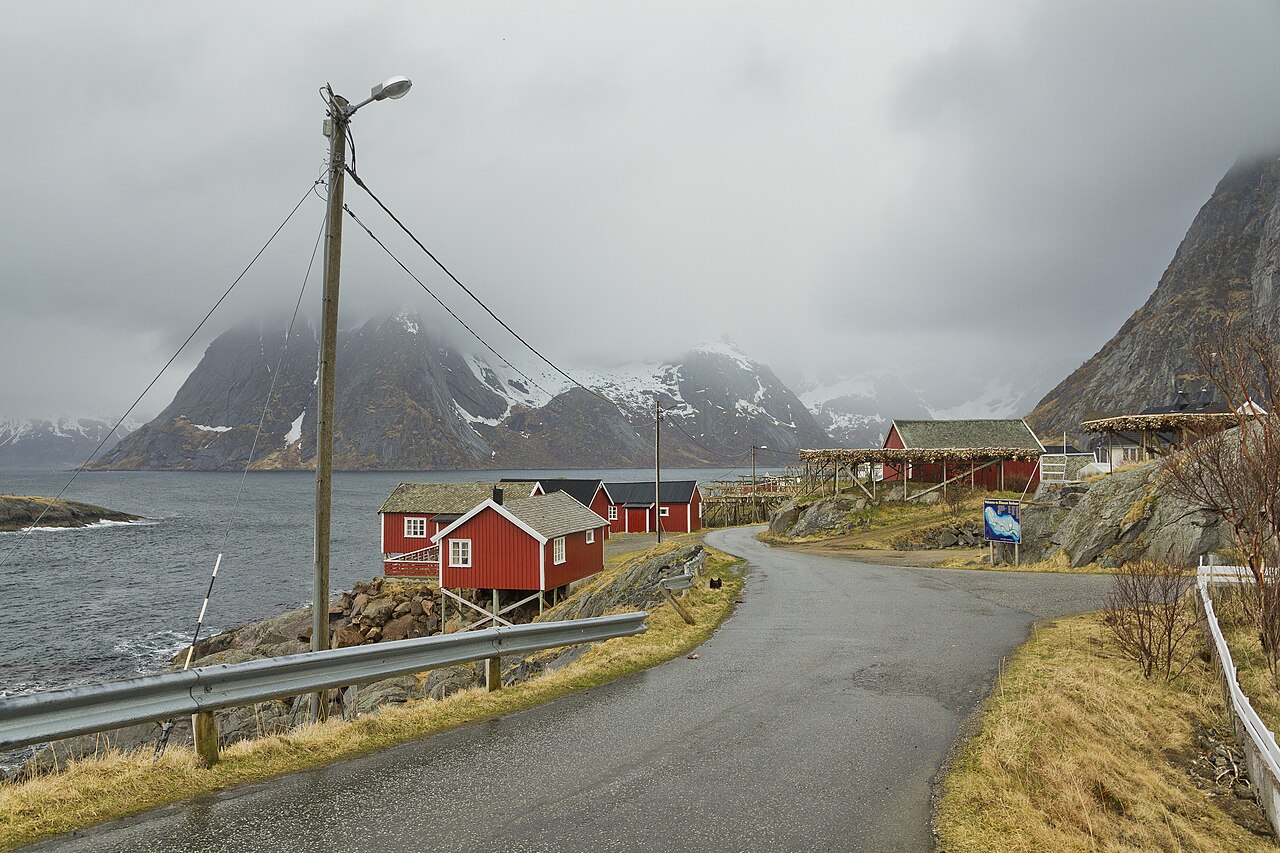
The winter cod fishery, when mature cod swim to the islands to spawn, is the reason the red cabins exist. Fishermen caught the fish, hung it on wooden racks to dry in the cold air, and shipped it as stockfish, a product that lasts for years and was traded to southern Europe for centuries. The racks are still visible around the harbours, and the fishing village museum in Å explains the trade and the cod liver oil industry beside it. Understanding this makes every cod dish more interesting.
Dishes to try
Fresh cod, often called skrei in the winter season, is the best of the year and is served simply, poached, pan-fried or in a creamy fish soup. Cod tongues, a traditional local delicacy, are breaded and fried and are usually offered as a starter or a snack. Stockfish itself is prepared in stews and baked dishes, and its strong flavour is an acquired taste, so share a portion first. Look also for fresh shellfish and other local fish on menus near the harbours, reindeer in the Sami tradition, lamb and traditional sweets such as waffles with brown cheese, a sweet caramel-flavoured Norwegian cheese. Ask what was landed locally and eat that.
Where to eat
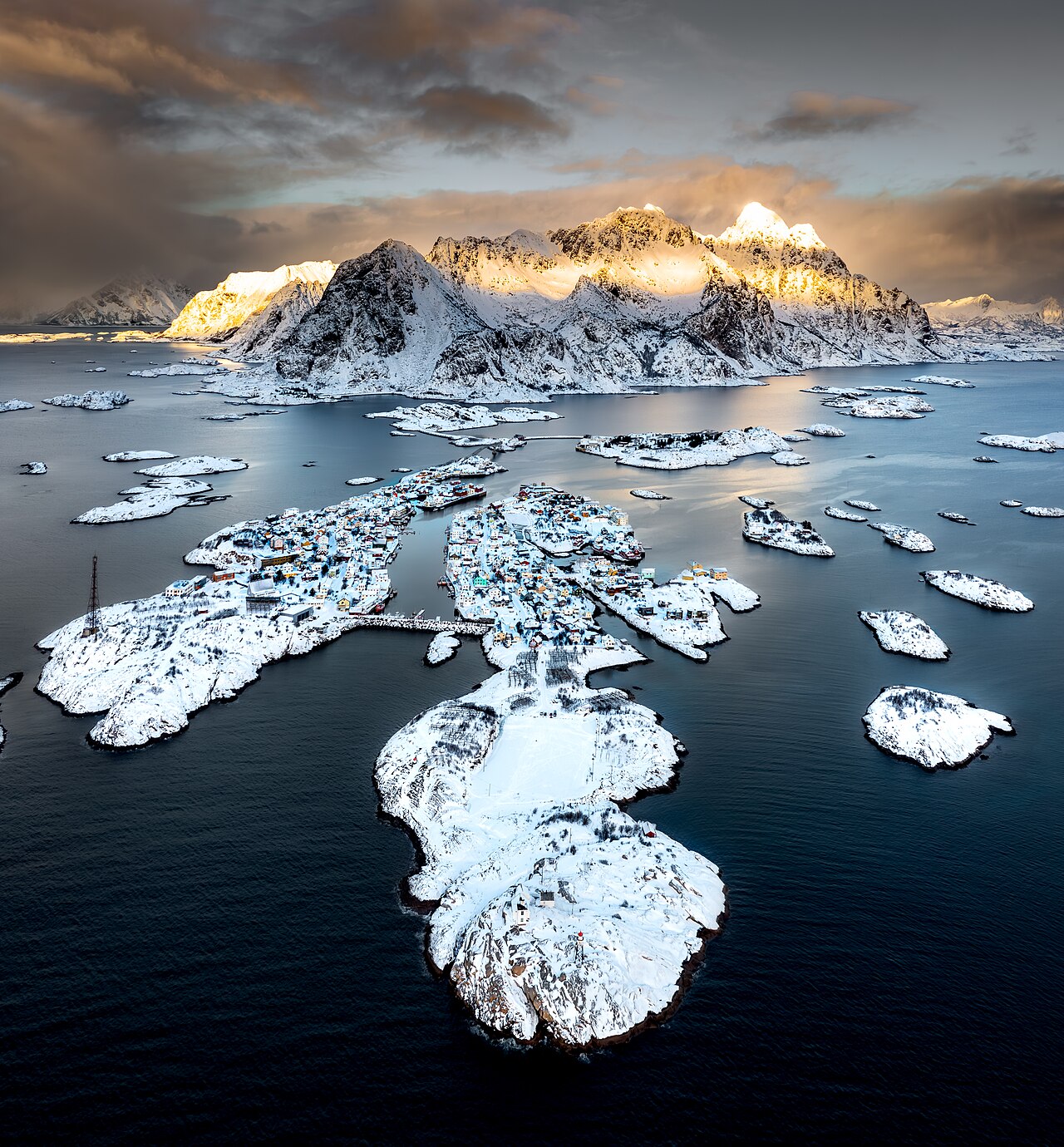
Svolvær has the widest choice, with harbourside restaurants, cafes and shops that stay open longer than anywhere else. Henningsvær offers a quieter, more creative scene around its galleries and harbour, and Leknes has the supermarkets and practical services of the centre. In the far west, around Reine, Hamnøy and Nusfjord, choices are fewer and a good share of cafes and restaurants close or cut hours outside summer. In Å, the bakery attached to the fishing village museum bakes bread and cinnamon rolls in an 1878 stone oven during summer, from June to the end of September. Beach cafes, such as the one at Haukland, keep longer hours in midsummer and shorter hours the rest of the year.
Self-catering in a rorbu
The most sensible way to eat in Lofoten is to cook some meals yourself. Many rorbuer and cabins have kitchens, which helps both your budget and your flexibility, especially in winter when restaurants close early. Shop in Svolvær or Leknes before heading west, because the shops in the villages are small and keep short hours. Fresh fish can be bought from local fishermen or fish counters, and a simple pan-fried cod with potatoes in a cabin kitchen at the foot of the peaks is hard to beat. Check whether a cabin includes bedding, towels and basic cooking supplies, and bring spices and oil if you plan to cook seriously.
Drinks
Norway restricts alcohol sales. Supermarkets sell beer only until the evening and not on Sundays, and wine and spirits are sold only through the state shops, which have limited hours and are found mainly in the larger towns. Plan ahead if you want to bring something to the cabin. Local craft beer is available in some bars and shops, and a brewery tour in Svolvær is a possible rainy-day activity. Tap water is excellent everywhere, so carry a bottle and save money. Coffee is taken seriously, and a strong cup after a cold harbour walk is part of the experience.
Costs and payments
Prices are in Norwegian kroner, and cards and phone payments are accepted almost everywhere, including small cafes, so you rarely need cash. Tipping is not expected in the way it is in some countries, though rounding up for good service is welcome. Expect a main course in a restaurant to cost noticeably more than at home, and a lunch special, a bakery stop or a picnic to be the best value. Booking ahead is wise for dinner in summer and on weekends in the aurora season, since small places fill quickly.
Winter and hours
In the dark season many village cafes and restaurants are closed or open only on selected days, so look at opening times online or ask your host before relying on them. Svolvær and Leknes stay open year-round, and your accommodation can often advise on what is running. Carry snacks and a flask on days out, particularly on tours that begin early or end late, since the hot drink at the right moment is worth a great deal when the wind is blowing.
A simple eating plan
Have breakfast in your cabin, lunch at a harbour cafe or bakery on the road, and a fish dinner in Svolvær or Henningsvær on the evenings you are in town. On the far-west nights, cook your own. Try cod three ways, tongues, soup and fresh fillet, and you will taste the whole history of the islands.