The Loire Valley is one of the easiest regions in France to explore by bicycle. The land is gentle, the villages are close together, the châteaux are spread along the river and its tributaries, and a long network of signed cycle routes ties them together. You do not need to be an athlete, and with the arrival of electric bikes the region has become accessible to almost everyone. This guide explains how the system works, which rides to choose and how to plan around the seasons, so that you can decide whether to ride on your own or join a guided day.
The Loire à Vélo
The backbone of cycling in the valley is the Loire à Vélo, a long signed route that follows the river for hundreds of kilometres, using a mixture of dedicated paths, quiet lanes and shared roads. Around Tours, Amboise and Blois it is well marked, with green and white signs that point the way, and there are branches that lead to the major châteaux. The paths are mostly flat, so a day of thirty to fifty kilometres is realistic for an ordinary rider. Most cyclists ride a section rather than the whole route, using trains to return to their starting point.
Guided e-bike days
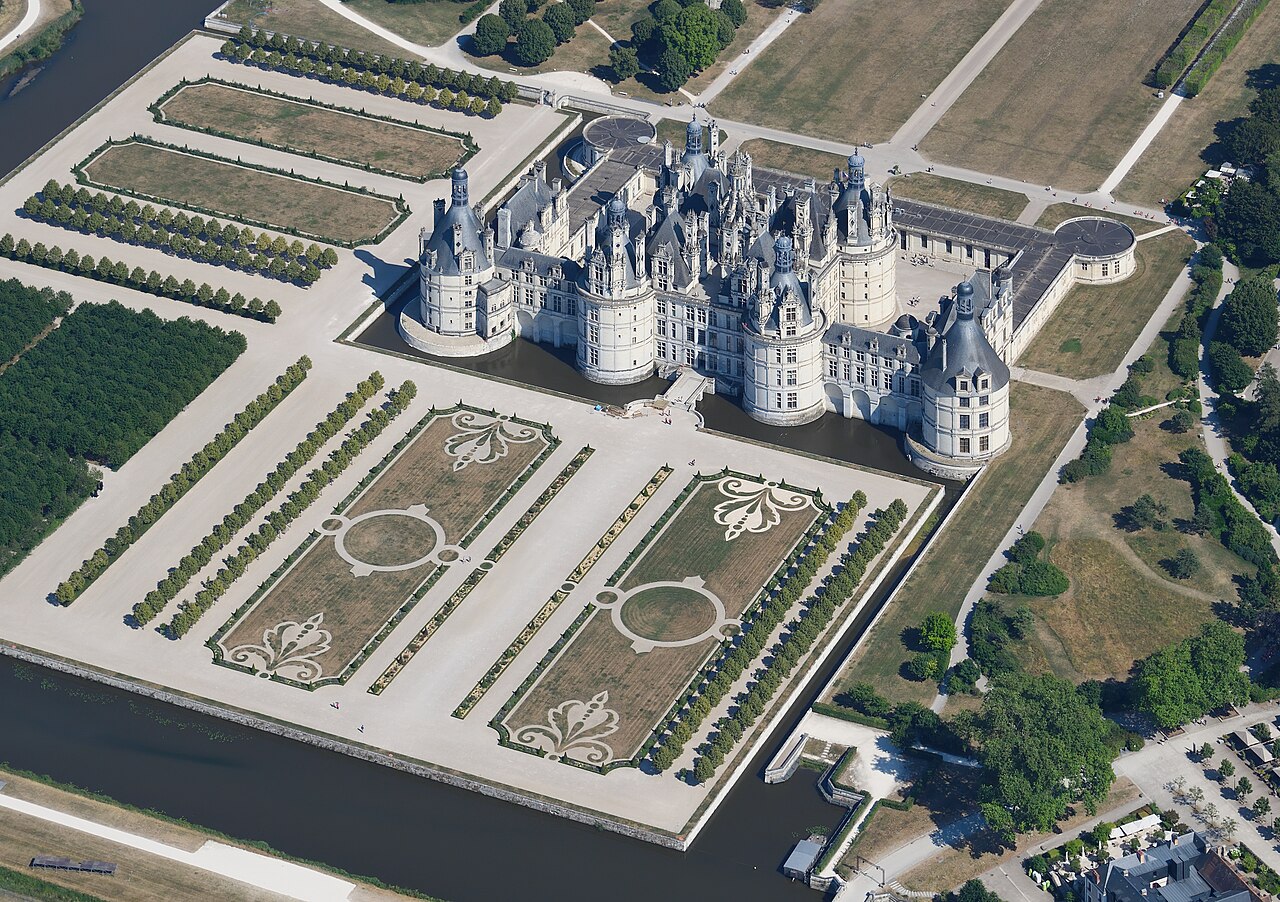
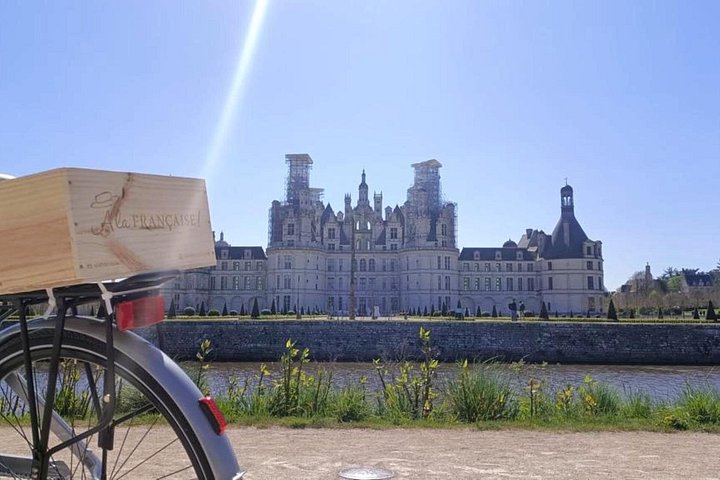
If you would rather leave the navigation to someone else, a guided e-bike day is a good solution. The guide handles the route, the bikes and the timing, and leads you along quiet lanes to a major sight. The Chambord ride from Tours is the best known and takes you through forests to the largest château in the valley, and a picnic ride to Chenonceau gives a gentler day with lunch in the countryside. In the west, the Saumur ride combines the river with vineyards and tufa villages and finishes with a tasting. These outings are suited to couples, friends and active families with teenagers.
Hiring a bike and riding alone
Bike hire is available in Tours, Amboise, Blois and other towns, and many hotels and tourist offices can arrange it. Ask for a bike that fits your height, a helmet, a lock and a repair kit, and check how to return the bike if you finish in a different town. Electric bikes are worth the extra if the day is long or the weather is windy, and the battery will usually cover the distances in this guide. Book ahead in summer and at weekends, because the supply of electric bikes is limited.
Choosing a route
For a first ride, a short loop from Amboise to Chenonceau through the forest is hard to beat, as it combines a famous château with quiet tracks. From Tours, a ride along the Cher to Villandry is gentle and mostly flat, with the garden as a reward. A ride from Blois to Chambord follows the cycle route through the forest and is a favourite for confident riders. In the west, the riverside route near Saumur and Fontevraud is flat and scenic. Whatever you choose, leave time to see the château at the end, as the ride itself is half the experience.
Seasons and weather
Spring and early autumn are the best seasons for cycling, with mild temperatures, long light and fewer crowds. Summer is warm and can be hot in the afternoon, so start early, carry water and plan a long lunch. Winter is quiet, with short days and wet paths, and many operators run fewer departures, so confirm your date. In any season, a light waterproof is useful, and sun protection is important in summer.
Practical tips
Wear comfortable clothes and closed shoes, and bring padded shorts if you plan a long ride. Carry water, a snack, a phone with a map and some cash for cafés. Many villages close for a long lunch, so plan your food stops in advance. Remember that French drivers expect cyclists to ride on the right, and that you should give way at junctions without paths. If you are carrying luggage, ask your hotel whether it can be moved ahead or stored, and check train rules for carrying bicycles, since they vary by service.
Combining cycling with trains
The regional railway along the Loire is a natural partner for cycling. You can ride out to a château and take the train back, or take the train upstream and ride downstream with the current of the day. Check the timetable and the bike policy before you set off, and avoid peak commuter times. A day that combines a short train ride and a long cycle is often the best way to see two or three sights without a car.
Who should choose what
Families with younger children may prefer a short, flat ride with a picnic, or a day by car with a garden visit. Couples often enjoy a guided picnic ride, and wine lovers will like the cycling-and-tasting days in Saumur. Confident riders can plan multi-day journeys along the river, staying in small hotels and moving their luggage with a transfer service. Whatever your level, there is a way to enjoy the valley on two wheels.