Three days is enough to see the headline châteaux of the Loire without turning the trip into a race. This plan assumes you sleep in Tours or Amboise, that you would like to see about two major sights a day, and that you want time for lunch and a glass of wine. It mixes trains, a taxi or two and, on the second day, an optional drive. Swap the days around to suit the weather, because the gardens and the roof terraces are best on clear days, and the interiors can wait for rain.
Day one: Tours and the Touraine vineyards
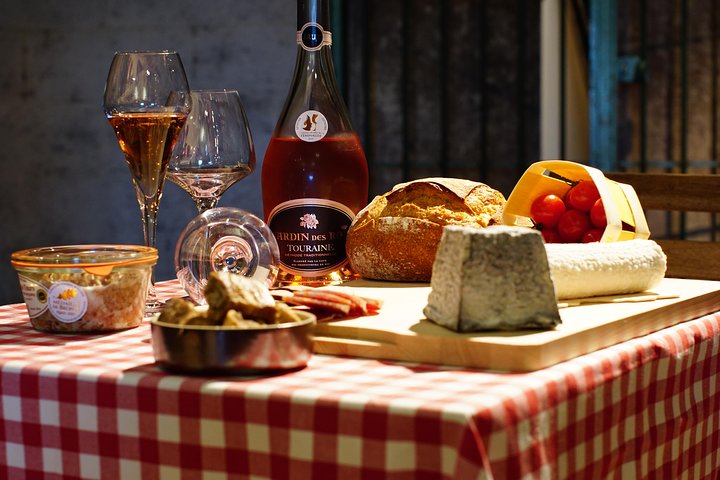
Spend the morning in Tours, starting at Saint-Gatien Cathedral, where the thirteenth-century stained glass in the choir is the highlight and entry is free. Walk to Place Plumereau and the timber-framed lanes of the old town, which are at their best in the late morning before the cafés fill. After lunch, head across the river to Vouvray for a Chenin Blanc tasting in a cellar cut into the tufa cliffs. This is a gentle first day that gets you used to the pace of the valley, and it works in any weather. If you prefer to keep the afternoon free, go to the Place Plumereau bars for an early evening aperitif instead.
Day two: Amboise, Clos Lucé and Chenonceau
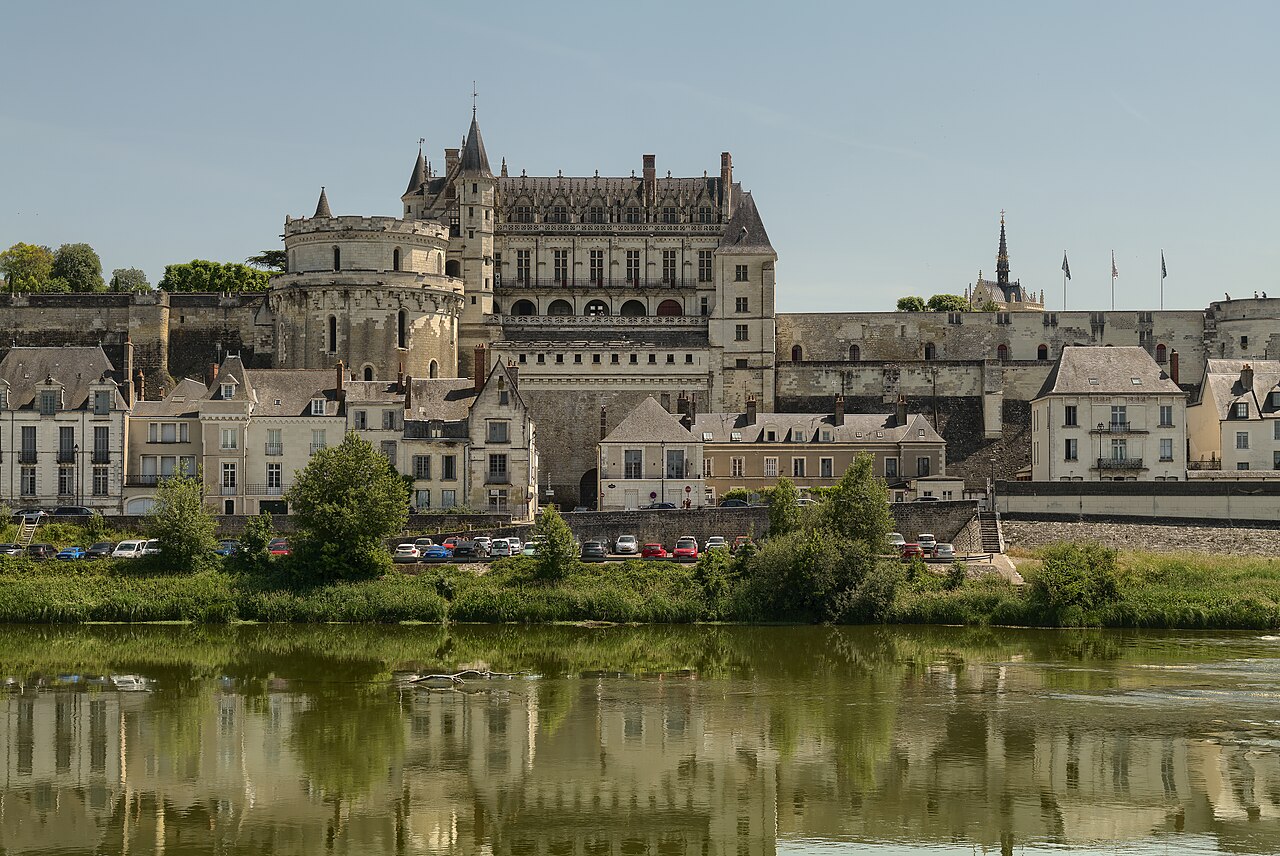
Take an early train from Tours to Amboise, a short ride on the regional line, and climb to the royal château, where the ramparts, the horse-ramp towers and the Saint-Hubert chapel take about ninety minutes. Walk or take a taxi to Clos Lucé, where Leonardo da Vinci spent his last years, and allow a similar time for his bedroom, workshop and the working models of his machines. Have a relaxed lunch in Amboise, then take the train or a taxi on to Chenonceau for the late afternoon. The gallery over the Cher is lovely in low light, and arriving after midday avoids some of the morning coach groups. Check train times in advance, because evening services are less frequent, and book a timed ticket for Chenonceau.
Day three: choose your own adventure
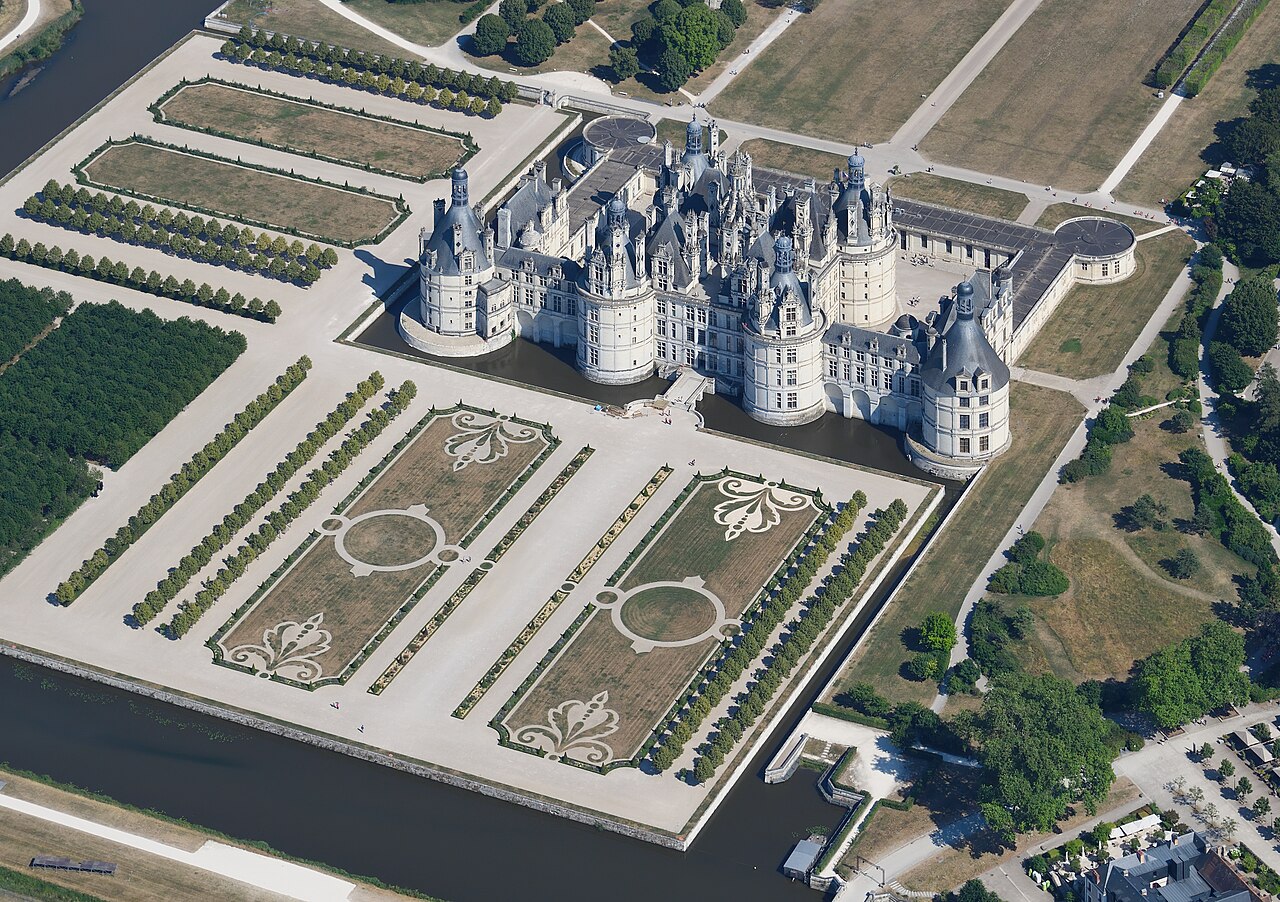
Here the plan splits according to what you want. For scale and spectacle, hire a car or join a tour to Chambord, the vast hunting lodge with the double-helix staircase and the roof terrace, then continue to the château of Cheverny, where the house still feels lived in. For gardens and a lighter day by train, go to Villandry for its great formal kitchen garden and to Azay-le-Rideau, the small Renaissance house on its pond, which are both easy from Tours with a short taxi hop. For an active day, take the guided e-bike tour to Chambord. Whichever you choose, give each sight its two or three hours and do not try to add a third.
How to use trains and cars
Regional trains from Tours serve Amboise, Chenonceaux, Azay-le-Rideau, Langeais and Blois, and are the simplest way to travel without a car. Villandry, Chambord and Cheverny are much easier by car, taxi or tour. If you have a car, it is better to base yourself in Amboise or the countryside near it, because the distances to the main sights are shorter and you can reach Chambord and Blois in under an hour. Parking at the châteaux is generally simple, though you pay at some. Summer weekends and school holidays are the busiest, so book ahead for Chenonceau and Chambord.
Where to sleep
Tours is the best base for rail travellers, with a choice of hotels near the station and the old town for evenings. Amboise is smaller and more romantic and puts Clos Lucé and Chenonceau close by, while Blois suits those who put Chambord and Cheverny first. If you want one splurge night, a château-hotel near Amboise adds atmosphere, though it needs a car or a taxi. See where to stay for more detail on each option.
If you have a fourth day
Add Chinon and its great fortress, the Royal City of Loches or Fontevraud Abbey, all quieter than the headline sights and well suited to a car. A day on the Loire à Vélo route is another fine way to use extra time. Each of these is covered in the day trips guide.
A few practical notes
Hours vary by season, so check each sight for your date, especially in winter when days are short and some châteaux close at midday. Many sights are closed on 25 December and 1 January. Restaurants often close one or two days a week and some take a break between lunch and dinner, so reserve in the evening and eat lunch on the early side. Prices are in euros, service is included in the bill and a small extra tip is a courtesy rather than an obligation.