The Loire Valley has more châteaux than anyone can see in a week, and the trick is to choose a few and see them well. Tours and Amboise make the best bases, because trains run between them and several of the great houses, and because both have a good choice of hotels and restaurants. This guide sets out what to book, how to move around and how to fit the headline sights into three or four days.
Pick your headline châteaux
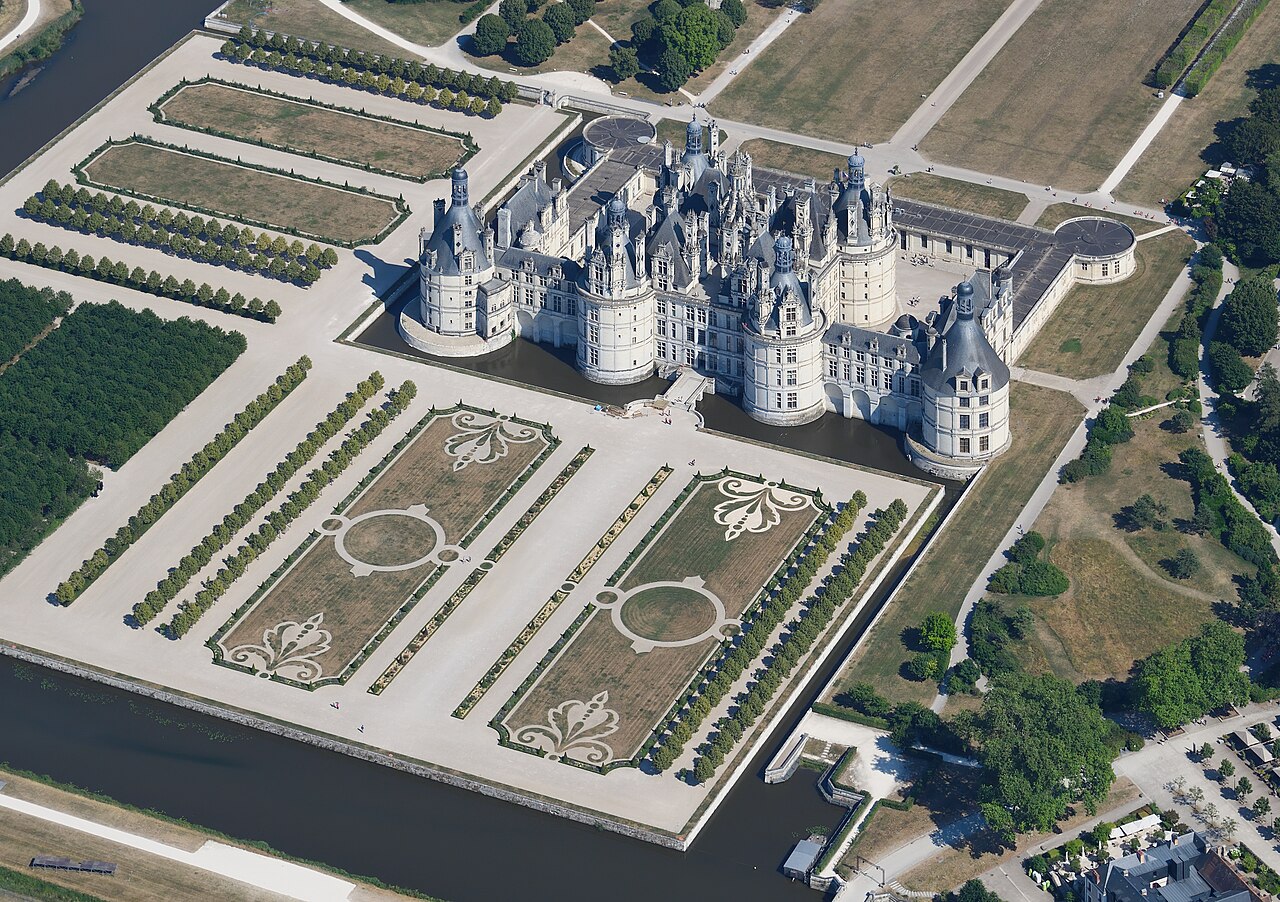
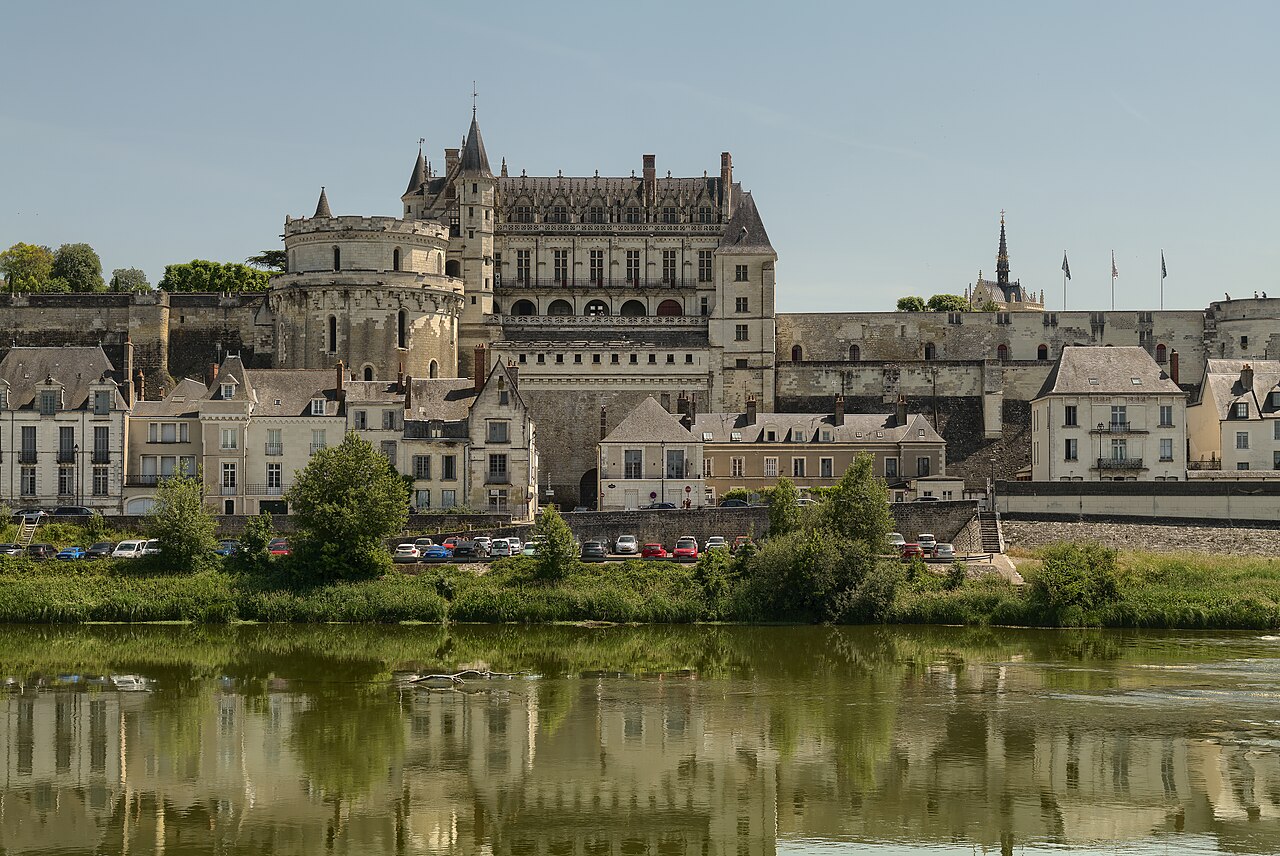
Start with Chenonceau, the palace built out over the River Cher, and Chambord, the vast Renaissance hunting lodge in its forest park. Add Amboise and Clos Lucé for royal history and Leonardo da Vinci, Villandry for gardens, and Azay-le-Rideau for the small, perfect Renaissance house on the water. Blois and Cheverny round out a longer stay, with Blois a good town in its own right and Cheverny the château that still feels lived in. Each is sold as a single-château ticket, and you should buy them one at a time rather than relying on a multi-stop day tour, which gives you only a quick look at each.
What to book ahead
Chenonceau and Chambord are the busiest, and timed entry can apply at weekends and in school holidays, so buy those tickets in advance. Amboise and Clos Lucé are easily combined on foot and can be booked as separate tickets. Cheverny sells tickets on site only. If you want a wine tasting in Vouvray or a guided e-bike day, reserve the date early, because winter departures are fewer.
How to get around
Without a car, use the trains from Tours: Amboise and Chenonceaux are on a regional line, Azay-le-Rideau is on another, and Blois is a short ride on the main line. Villandry, Chambord and Cheverny are much easier by car, taxi or a small-group tour. In Amboise, the château and Clos Lucé are a walk apart. With a car, Tours and Amboise are both within an hour of Chambord and Blois, and parking at the châteaux is simple, though you pay at some.
How many days
Three days is the sweet spot. Spend the first in Tours and Vouvray, the second in Amboise with Clos Lucé and Chenonceau, and the third with Chambord and Cheverny or Villandry and Azay-le-Rideau. Add a fourth day for Blois or a bike ride along the Loire à Vélo. Do not try to see more than two châteaux a day, because each deserves two or three hours.
What late autumn and winter are like
From November to March the valley is quiet, with fewer visitors and cheaper rooms, but hours are shorter and daylight is brief. Chenonceau keeps shorter winter hours and closes in the late afternoon, Chambord opens until five and has some Monday closures in low season, and the Amboise château keeps a lunch break in winter. Cheverny stays open daily from ten to five, and Clos Lucé keeps its house open while much of the park closes. Outdoor gardens are bare, and Christmas decorations appear at the end of November. Balloon flights are a seasonal activity that runs from spring to autumn. Always check the hours for your date before you travel.
Where the sights fit
Tours is the lively city, good for evenings around Place Plumereau, and the base for trains. Amboise is the small, pretty town under its château, with Clos Lucé and Chenonceau close by. Blois is the best base for Chambord and Cheverny. If you want a night in a château-hotel, the countryside near Amboise offers the most romantic option.
A final tip
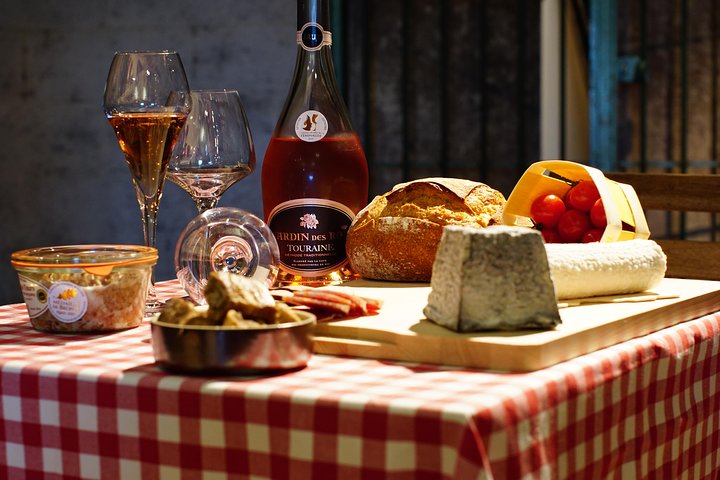
Build slack into every day. The pleasure of the Loire is the pace, so leave time for a long lunch, a walk along the river and a glass of Vouvray, and let the châteaux fill the gaps rather than the other way round.