Luang Prabang has more than thirty temples packed onto a peninsula barely two kilometres long, and its cultural sights sit close enough together to see on foot in a day or two. The trick is choosing a route that gives each place room to breathe rather than ticking off every gilded roof. Here is a way to organise the town's wats, museums and craft centres, with the etiquette that makes the visit smoother.
Start with the architecture
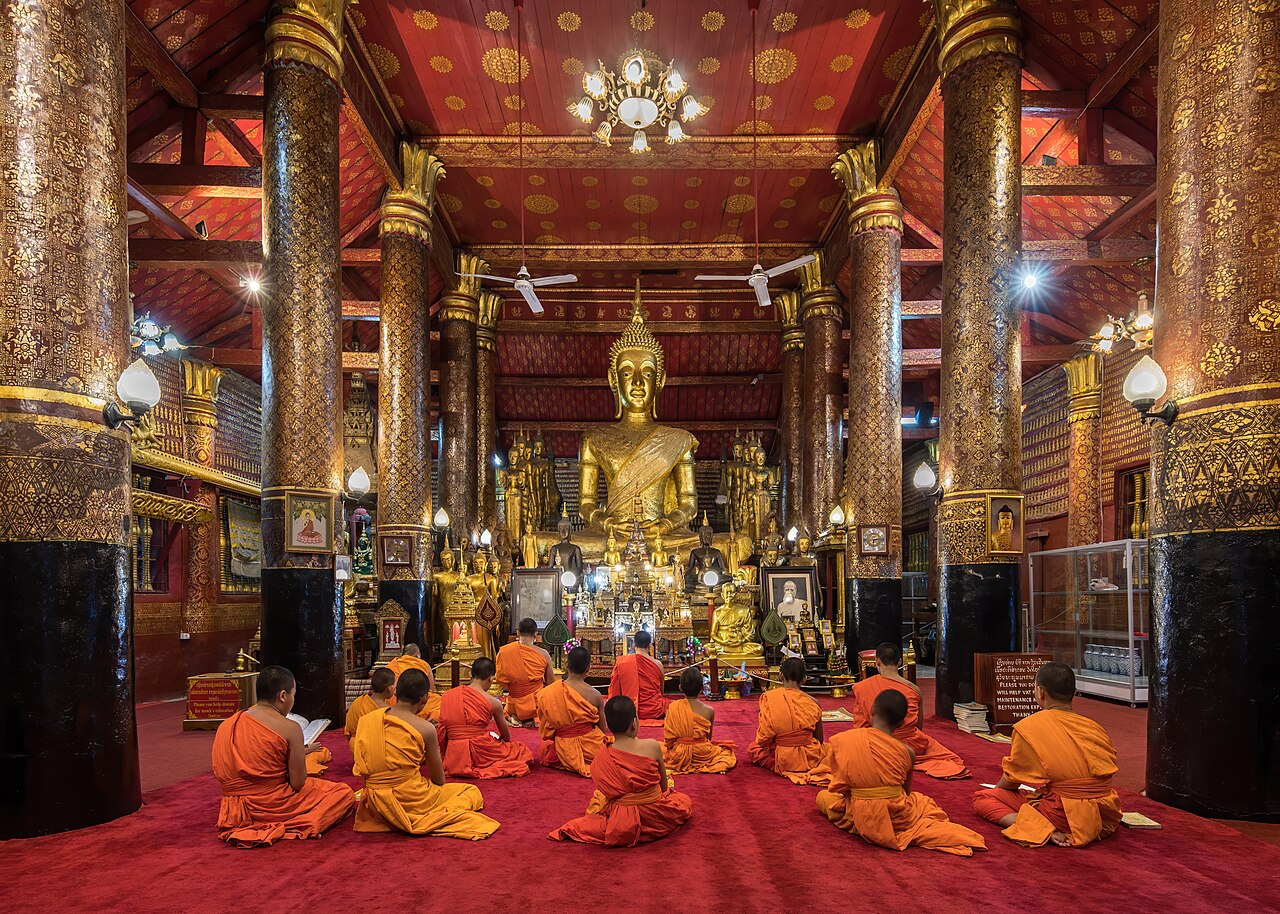
Luang Prabang temples share a distinctive style, with steeply sloping, tiered roofs that sweep nearly to the ground, carved wooden doors and walls decorated in gold stencil on black or red lacquer. Wat Xieng Thong, at the northern tip of the peninsula, is the finest example and the best place to start. Its sim, the main ordination hall, has a roof that falls in layers, and the rear wall carries a glowing mosaic of the Tree of Life in coloured glass. A smaller chapel nearby holds a rare funeral carriage and its great carved dragon. Go in the morning, when the light is soft and tour groups are few.
Walk the main street in the middle of the day
The street that runs along the spine of the peninsula links most of the other sights. Wat Mai, close to the Royal Palace Museum, is known for its five-tiered roof and gilded panels telling scenes from the Ramayana, and it was once home to the head of the Lao Buddhist order. Wat Visounnarath, or Wat Wisunalat, is older and quieter and holds the large domed stupa nicknamed the watermelon stupa. Between them are smaller temples that most visitors pass without entering. Step in if the gate is open, as long as no ceremony is under way, and you may find novices studying, chanting or sweeping the courtyard.
Add a museum or two
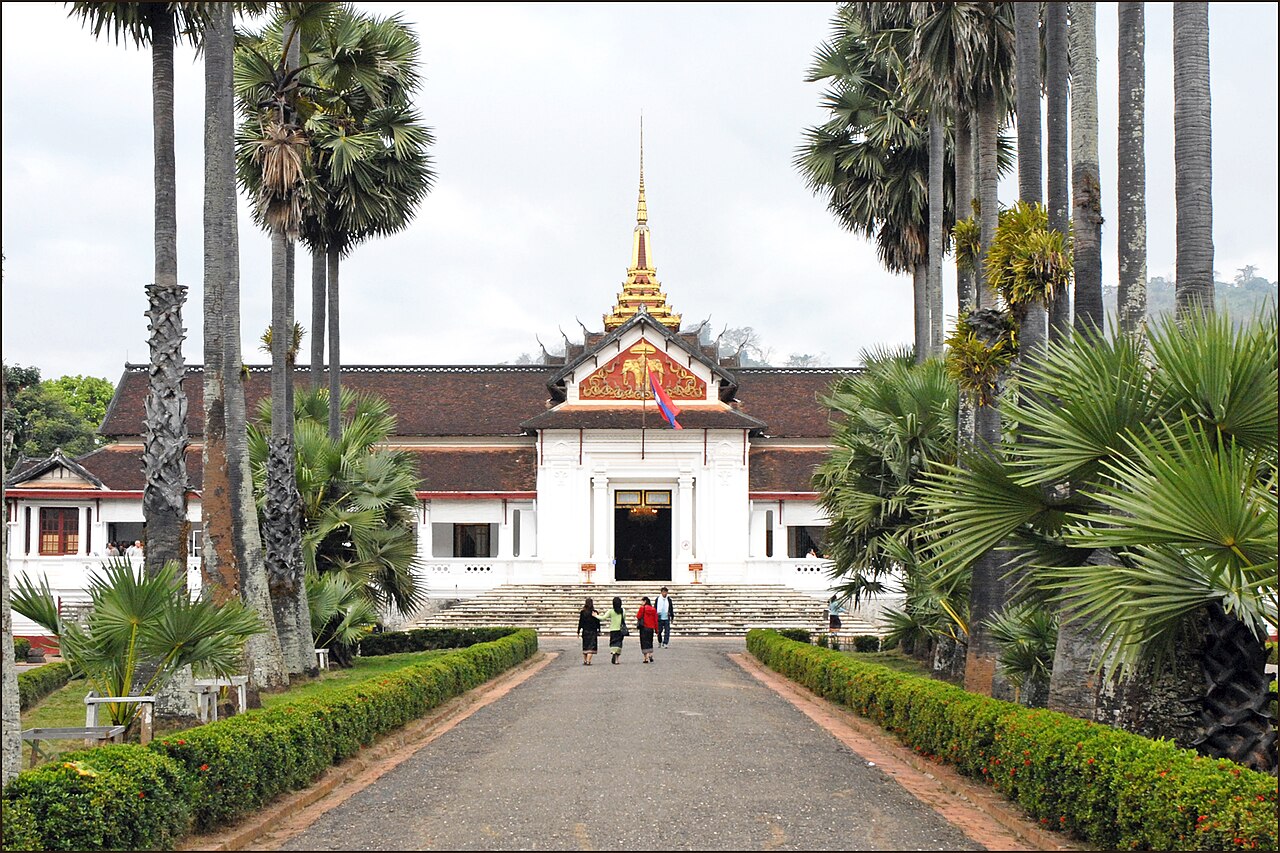
The Royal Palace Museum, in the former palace of the kings of Laos, shows throne rooms, ceremonial gifts, murals and the Prabang Buddha image that gave the town its name. The rooms are a quiet way to spend an hour in the heat. The Traditional Arts and Ethnology Centre on the Nam Khan side tells the story of Laos's many ethnic groups through costumes, textiles and photographs, and its shop is a good place to buy honest handicrafts. The UXO Lao Visitor Centre explains the unexploded bombs that still affect the country, and it is a sobering and worthwhile hour for older children and adults.
Meet the makers
A craft visit makes culture more tangible. The Ock Pop Tok Living Crafts Centre on the Mekong shows silk weaving, natural dyeing and bamboo work, and offers short classes. Hands-on sessions in bamboo weaving, cooking or pottery fit well into an afternoon, and they support local teachers. At the night market, look for hand-woven textiles, paper lanterns, silver and carved wood, and bargain with a smile. Ask who made an item before buying, since the best pieces have a clear maker and fair price.
Dress and behave well
Temples are active religious places. Cover shoulders and knees, remove shoes at the door of any building with a Buddha image, and remove your hat. Do not point your feet toward a Buddha statue or a monk. Women should never touch a monk or take anything from his hand, and should hand items to a man to pass on. Speak softly, switch the phone to silent and leave the flash off. Do not climb on stupas or sit with your back to a Buddha image. Entrance fees at the larger temples are small, and donations in the box are appreciated.
Timing your day
A good day begins with a quiet watch of the alms round or an early breakfast at the Morning Market. Visit Wat Xieng Thong at about eight, walk the main street toward Wat Mai, and reach the Royal Palace Museum before it closes for lunch. Rest during the hottest hours, then choose one more place for the late afternoon, such as the Ethnology Centre or a craft class. Climb Mount Phousi at golden hour for a view of all the roofs you have seen, then finish at the night market. A second day can cover the quieter edge of town and the craft centres by the river.
Going beyond the town
The Pak Ou Caves, upstream on the Mekong, hold thousands of Buddha images left by pilgrims, and a boat journey there turns a cultural day into a river day. A guided temples tour is a good choice if you want context, because guides can explain the symbols, the stories in the murals and the monastic routines that appear as you walk. Private guides can also arrange a visit to a monastery school, which gives a view of daily life that a quick photo stop cannot.
Where to base yourself
Staying inside the old town makes this walking itinerary easy, since most sights are within a ten-minute stroll. Hotels such as Burasari Heritage, Villa Santi and Homm Souvannaphoum put you close to the main street, while Rosewood can arrange private cultural visits. Bring a light scarf for temple visits, and carry small notes for entrance fees and donations. Allow slower days than you think you need; the point of Luang Prabang is to linger.