Choosing when to visit Luxor and Aswan is mostly a question of heat. These are among the sunniest, driest places in the world, and the difference between a pleasant winter day and a summer afternoon is enormous. Most visitors go between October and April, but the shoulder months and even the summer have their advantages. This guide explains how the seasons feel and how to plan around them.
The short answer
The most comfortable period runs from late October to March, with warm, sunny days and cool nights. Winter is also the busiest season, with the highest hotel prices, especially around Christmas and New Year. If you want pleasant weather with slightly fewer crowds, aim for late October, November, February or March. Avoid peak holiday weeks unless you have booked ahead.
Winter: December to February
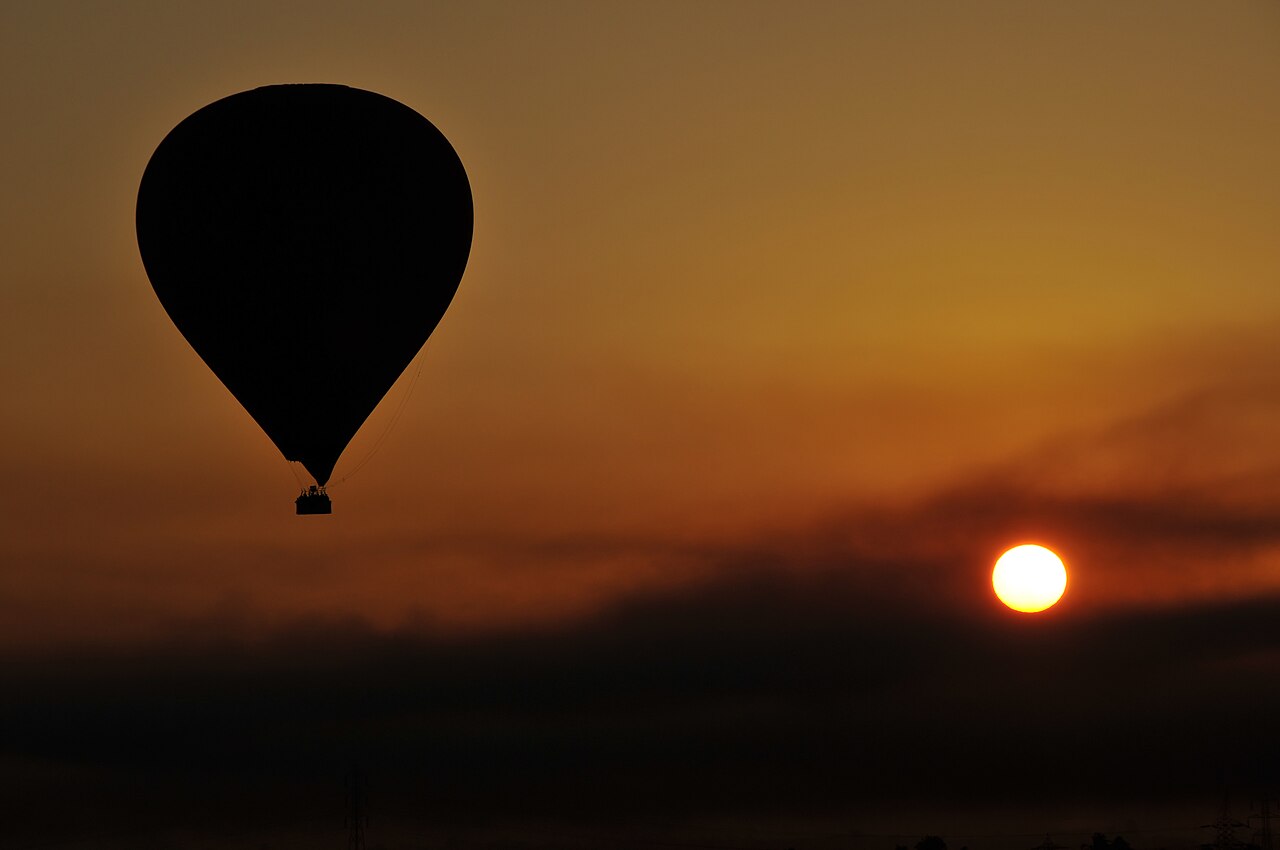
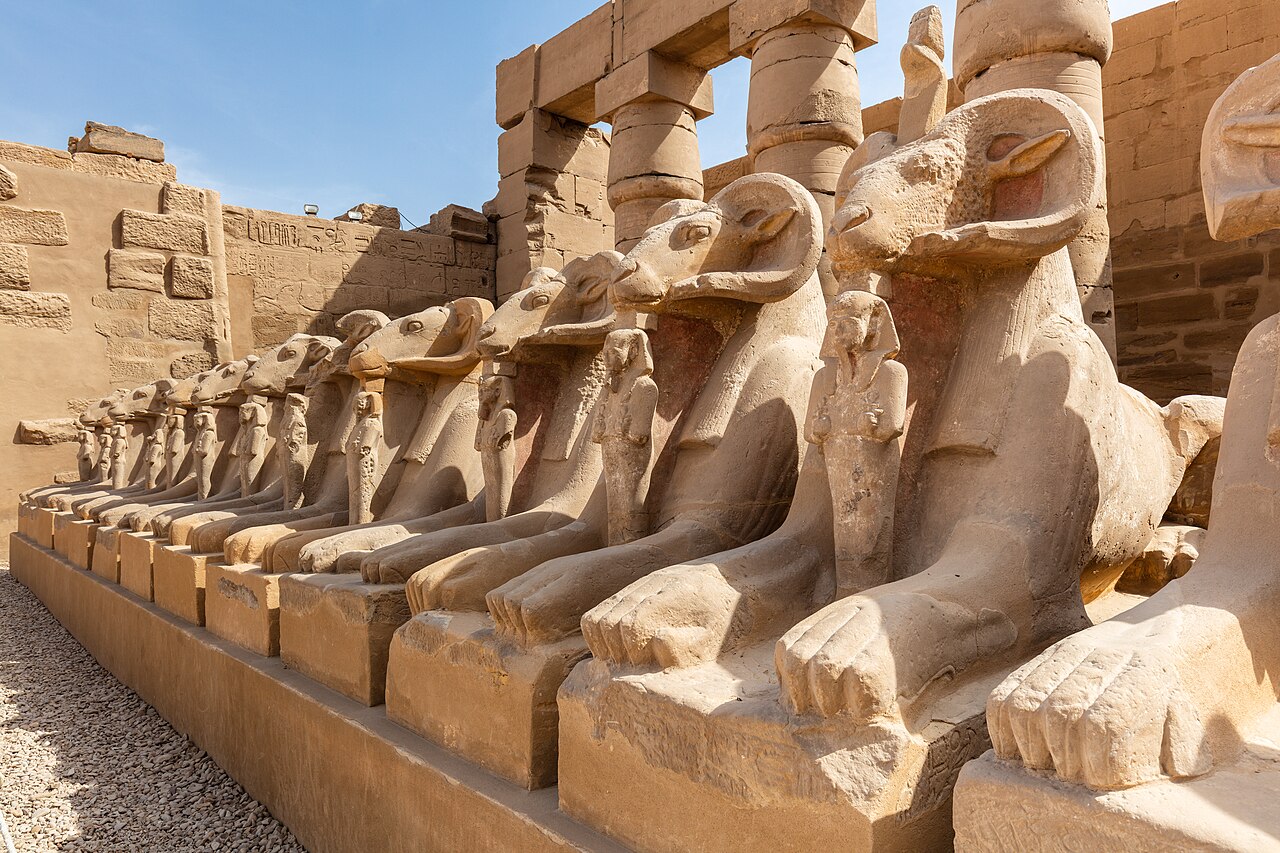
Days are usually mild and bright, which is ideal for long walks around Karnak and the West Bank, but early mornings and evenings can be properly cold, especially on a balloon flight, in a felucca or at the temples before sunrise. Bring layers, a warm jacket and a scarf, and expect cool nights in desert-edge hotels and on the water. This is the busiest and most expensive time, so book hotels, balloon flights and Nile cruises well in advance.
Spring: March and April
Temperatures rise steadily, and by April the middle of the day can already be hot. March is often the sweet spot, with warm weather and fewer crowds than midwinter. Spring winds and occasional dust can affect balloon flights and visibility, so keep a spare morning in your plan. The Khamsin winds, which blow sand in from the desert, are most likely in this season.
Summer: May to September
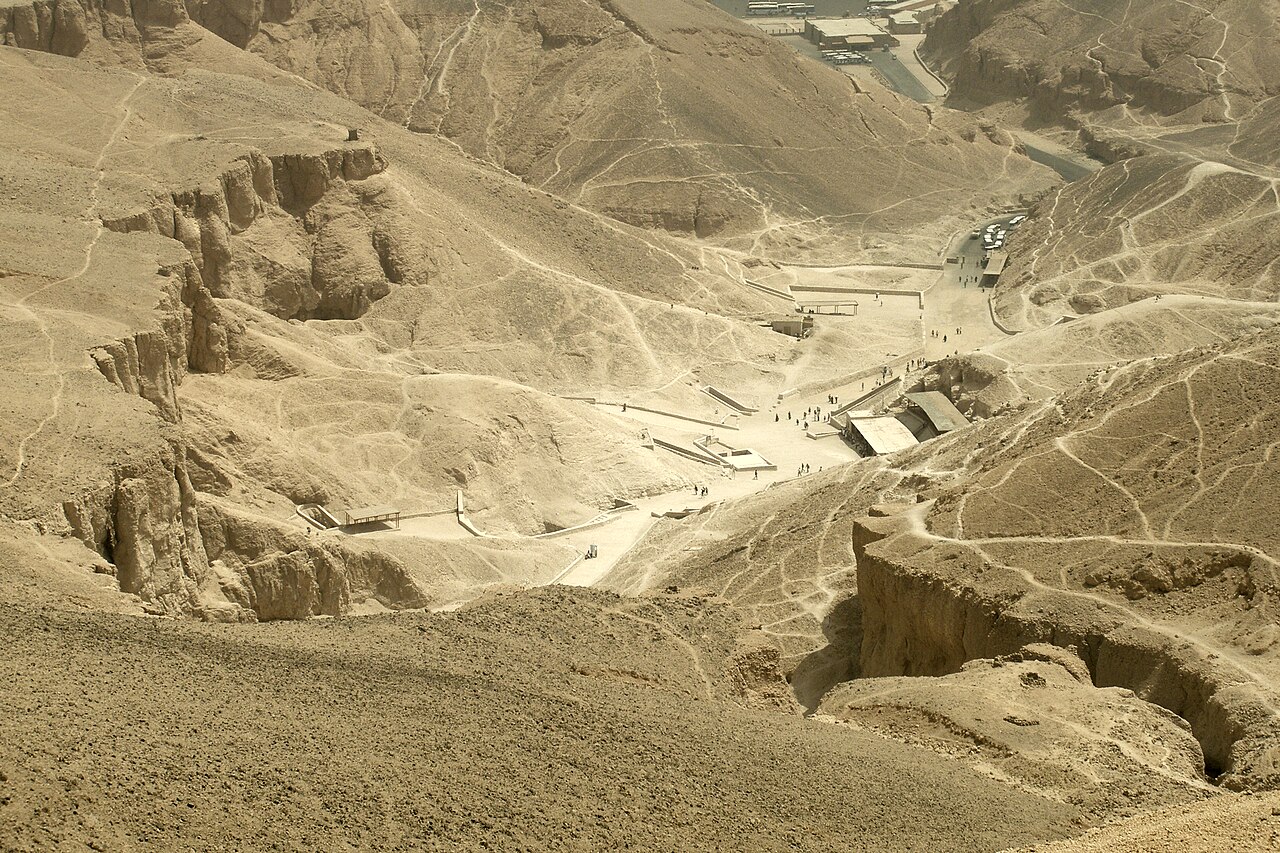
It is very hot, with midday temperatures that can rise well above those of most European summers, and tourist numbers drop sharply. The advantage is value: hotels are cheaper, sites are quiet and you can see Karnak and the Valley of the Kings with few other visitors. If you go, follow local rhythm: be at the gates at opening, finish by late morning, rest through the afternoon and go out again in the evening. Drink constantly, wear a hat and light long clothing, and avoid strenuous walking at midday. Some boutique hotels close in the hottest months, so check before you book.
Autumn: October and November
Heat eases through October, and by November the weather is delightful. Crowds are lighter than in midwinter, though Nile cruise traffic rises, and it is an excellent time for photographers because the air is clear and the light is warm. Prices start to climb in late November as the high season approaches.
Balloons and cruises
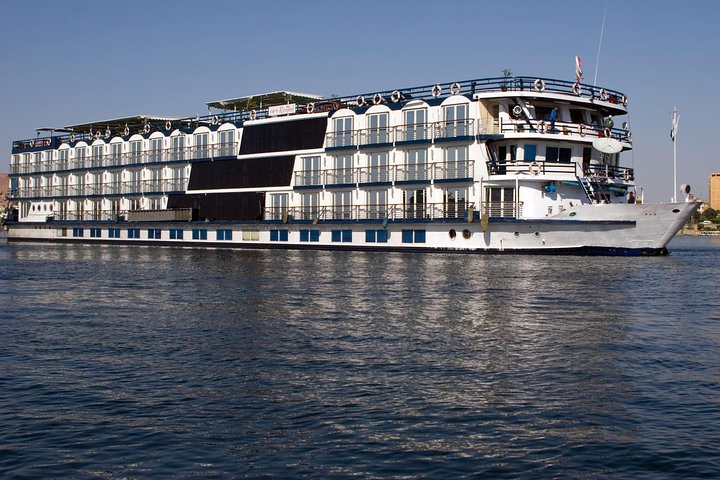
Hot-air balloon flights run through most of the year, but they depend on morning wind and visibility, so allow a spare day. Nile cruises operate year-round and are busiest in winter, when ships can feel crowded and temple visits can be busy. A summer or shoulder-season cruise is quieter, though you will want to spend more time on the air-conditioned ship in the afternoon.
Special dates
Ramadan moves through the calendar, and during it daytime hours at restaurants and some services shift, while temples and tours keep operating, often with adjusted opening times. Egyptian public holidays and school holidays bring local visitors to the sights and raise hotel demand, so check dates for your trip. If you want to see evening shows or night visits, check seasonal schedules, which change between summer and winter.
What to pack by season
In winter, bring a warm layer for dawn balloon flights and evenings on the river, along with a light waterproof for the rare shower. In spring and autumn, pack light cotton clothing, a hat, sunglasses and a scarf for dust. In summer, pack the lightest long-sleeved clothes you own, high-factor sunscreen, a refillable water bottle and sandals with a secure strap. Modest clothing, with shoulders and knees covered, is appreciated at all times of year at religious sites and in villages, and it also protects against the sun.
Our pick
If you can choose freely, go in November or in March. You will get warm days, usable early mornings and a comfortable balance between crowds and prices. Whatever the season, the same principles apply: start early, rest at midday, carry water and book the balloon first.