Lyon’s reputation as the capital of French gastronomy rests on a simple fact: the city has long been a place where ordinary people eat extremely well. Its tradition grew from the mères lyonnaises, the women cooks who fed silk workers and wealthy families in the 19th and early 20th centuries, and from its position between the farms of the Bresse, the vineyards of Beaujolais and the Rhône valley. Here is how to eat and drink your way around it.
Start with the bouchon
A bouchon is a small, informal Lyonnais restaurant serving hearty traditional food at fair prices, often with checked tablecloths, shared tables and a relaxed, noisy atmosphere. Many are in Vieux Lyon and on the Presqu’île. A certification scheme exists for authentic bouchons, so look for the little marionette sign if you want the real thing. Most offer a set menu with a starter, a main course and a cheese or dessert, and the house wine often arrives in a pot, a thick-bottomed 46-centilitre bottle that is the traditional measure.
Dishes to look for
Quenelles, light dumplings of pike or poultry in a creamy sauce, are the emblem of Lyonnais cooking. Saucisson brioché is a sausage baked inside brioche, and salade lyonnaise combines bitter leaves, bacon, croutons and a poached egg. Tablier de sapeur is breaded and fried tripe, a love-it-or-leave-it local classic, and andouillette is a strongly flavoured tripe sausage. Cervelle de canut, despite the name, is a harmless fresh cheese blended with herbs, shallots and garlic, and gratin of cardoons is a winter side dish. Ask your waiter for the plat du jour if you want a recommendation.
Cheese and sweet things
After the main course, a cheese plate often includes soft regional cheeses such as Saint-Marcellin and Saint-Félicien. Lyon’s sweet specialities include the tarte aux pralines, a tart made with bright pink caramelised almonds, bugnes, light fried pastries traditionally eaten around carnival time, and the coussin de Lyon, a pale green marzipan sweet filled with chocolate. Pâtisseries and chocolate shops are scattered across the Presqu’île, and a morning coffee with a pastry is a good way to start.
Markets and food halls
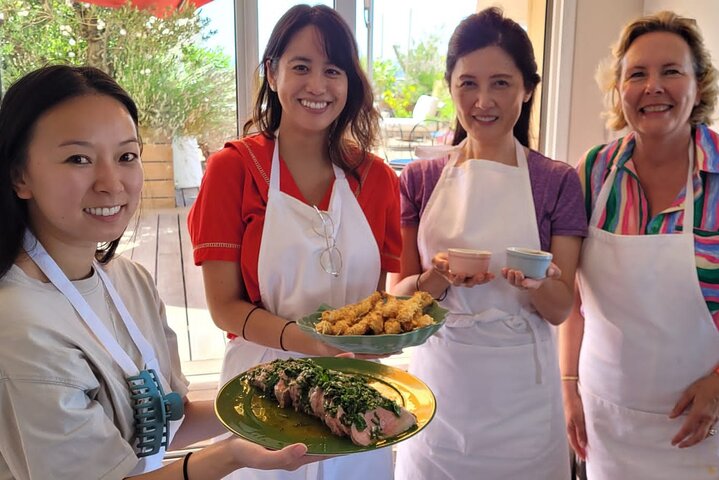
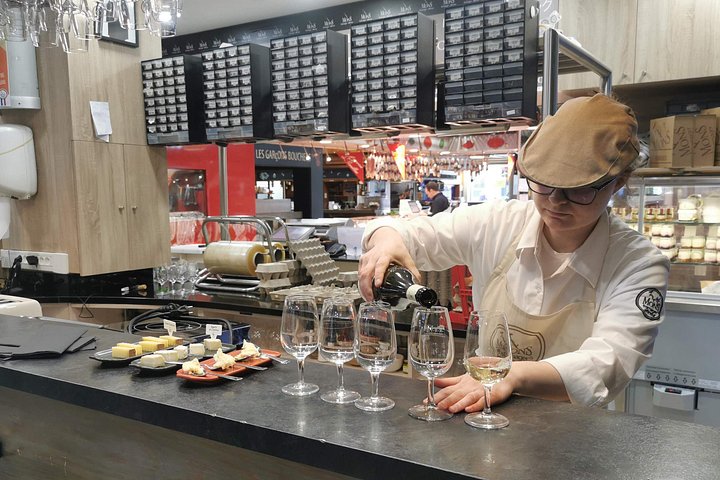
The best introduction to the city’s produce is Les Halles de Lyon Paul Bocuse, an indoor market near Part-Dieu station named after the city’s most famous chef. It holds butchers, cheesemongers, fishmongers, pastry counters and small restaurants where you can eat standing or seated at a counter. Come hungry, and note that many stalls rest on Mondays. The Croix-Rousse has a lively morning market along the boulevard, and quay-side markets on the Saône draw locals at weekends. Combine a market visit with a Croix-Rousse cooking class if you like to learn techniques as well as eat.
Wine
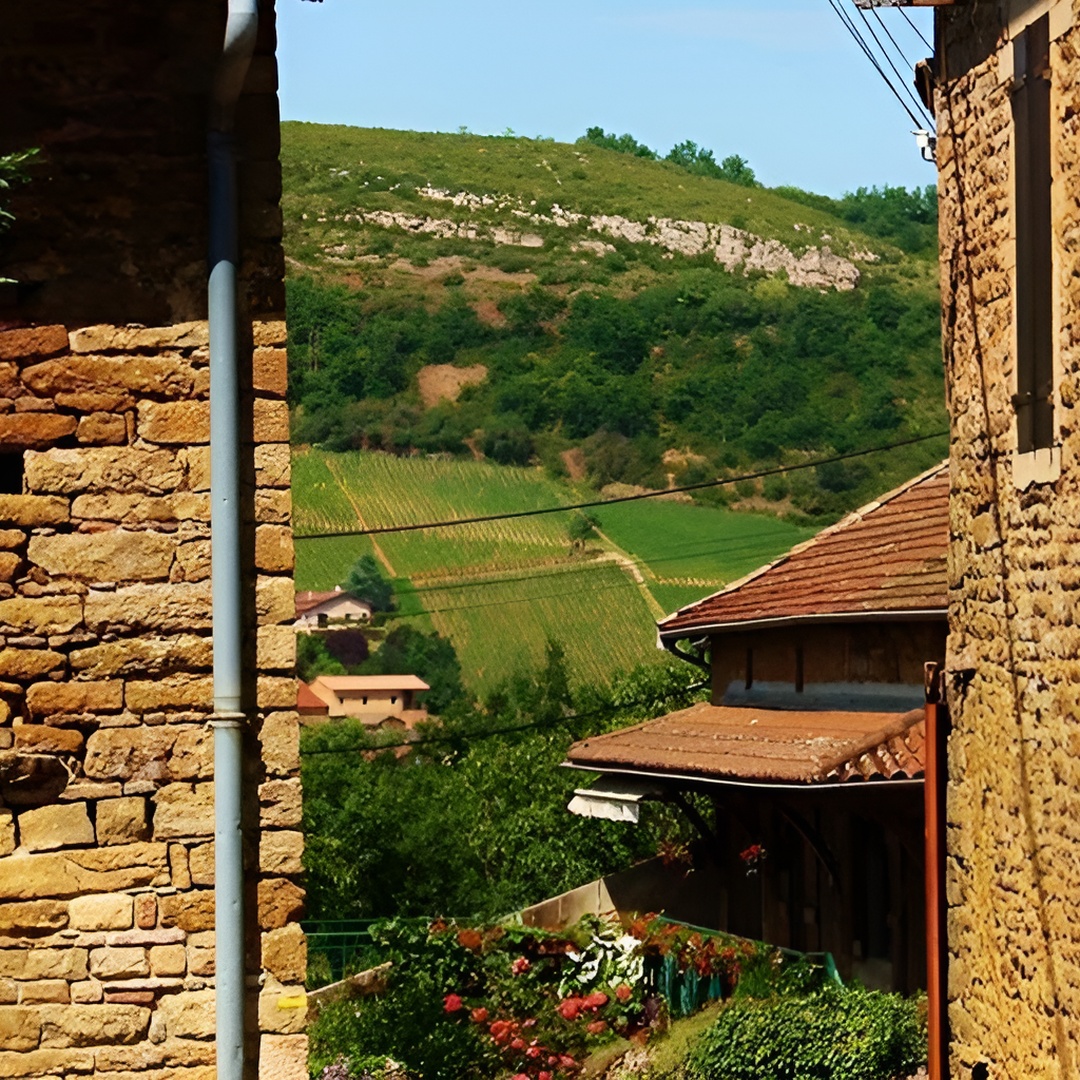
Lyon sits between two great wine regions. Beaujolais, to the north, produces light, fruity reds from the Gamay grape, from simple village wines to the serious crus, and the Rhône valley to the south has the powerful Syrah reds of the Côte-Rôtie and the aromatic whites of Condrieu. Beaujolais Nouveau, the first wine of the harvest, is released on the third Thursday of November and celebrated all over the city. A small-group half-day tour of the Golden Stones villages is an easy way to taste at the source without driving.
Booking and etiquette
Reserve bouchons and any serious restaurant ahead, especially for Friday and Saturday dinners, and be on time. Lunch is usually served between noon and two, and dinner from about seven. Many restaurants close one or two days a week, often Sunday and Monday, and some close for several weeks in August. Say bonjour when you enter, and expect unhurried service. Service is included in French bills, so any extra tip is a small bonus rather than an obligation. Water comes from the tap unless you ask for bottled.
A simple plan
Have a market breakfast at Les Halles, a bouchon lunch in Vieux Lyon, a pastry stop on the Presqu’île in the afternoon and a more refined dinner by the river. If you want to splurge, the Saône dinner cruise or a table in a hotel restaurant such as PAVYLLON at Hotel Le Royal makes a memorable evening. Whatever you choose, come with an appetite and leave plenty of time, because in Lyon a meal is meant to last.
For different budgets
A set lunch at a bouchon is usually the best value meal in the city, and the plat du jour at a neighbourhood café is cheaper still. Market counters at Les Halles let you assemble a meal from oysters, charcuterie and pastries at your own pace, and picnic supplies for the Parc de la Tête d’Or cost little. Fine dining is concentrated on the Presqu’île and in hotel restaurants, where lunch menus are often kinder to the wallet than dinner. Vegetarians will find Lyonnais cooking meat-heavy, so ask about meat-free options in advance and look for cheese, salads and vegetable gratins.