Lyon is a city for all seasons, but each has its own character, and the festival calendar can change the experience of a visit dramatically. The climate is fairly continental, with hot summers, cold and often misty winters and pleasant shoulder seasons. Here is how to choose the right time for the trip you want.
Spring: April to June
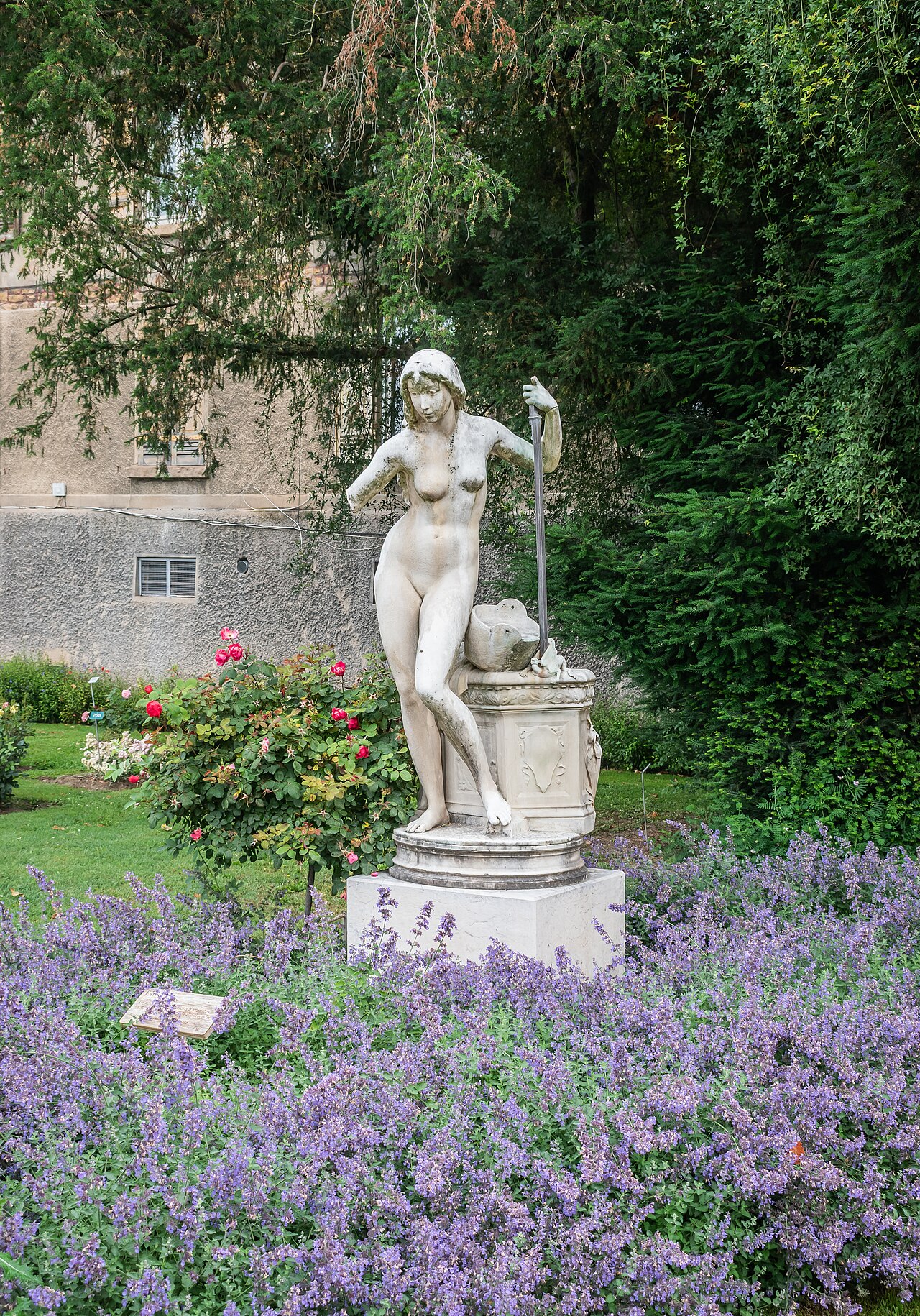
Many locals say spring is the best time to be in Lyon. Temperatures are mild, the trees along the quays are in leaf, and terraces fill up. The rose garden in the Parc de la Tête d’Or is at its best in late spring, and Beaujolais vineyards turn green. Easter and the May bank holidays are busy, and a few museums close on 1 May. Spring is a good time for river cruises, Beaujolais tours and walking the traboules without sweating. Pack a light jacket for the evenings and an umbrella, since showers are common.
Summer: July and August
Summer is hot, and the city can be very warm in July and August. The upside is long evenings, terrace dining and the Nuits de Fourvière festival, which fills the Roman theatres with concerts, theatre and dance in early summer. Mornings are the best time for sightseeing, and a museum or aquarium is a good place to be in the heat of the afternoon. Some restaurants and small shops close for a few weeks in August, so check before you rely on a favourite. Hotel rates in the centre can be lower in August when business travel slows down, but book air-conditioned rooms and a quiet street.
Autumn: September to November
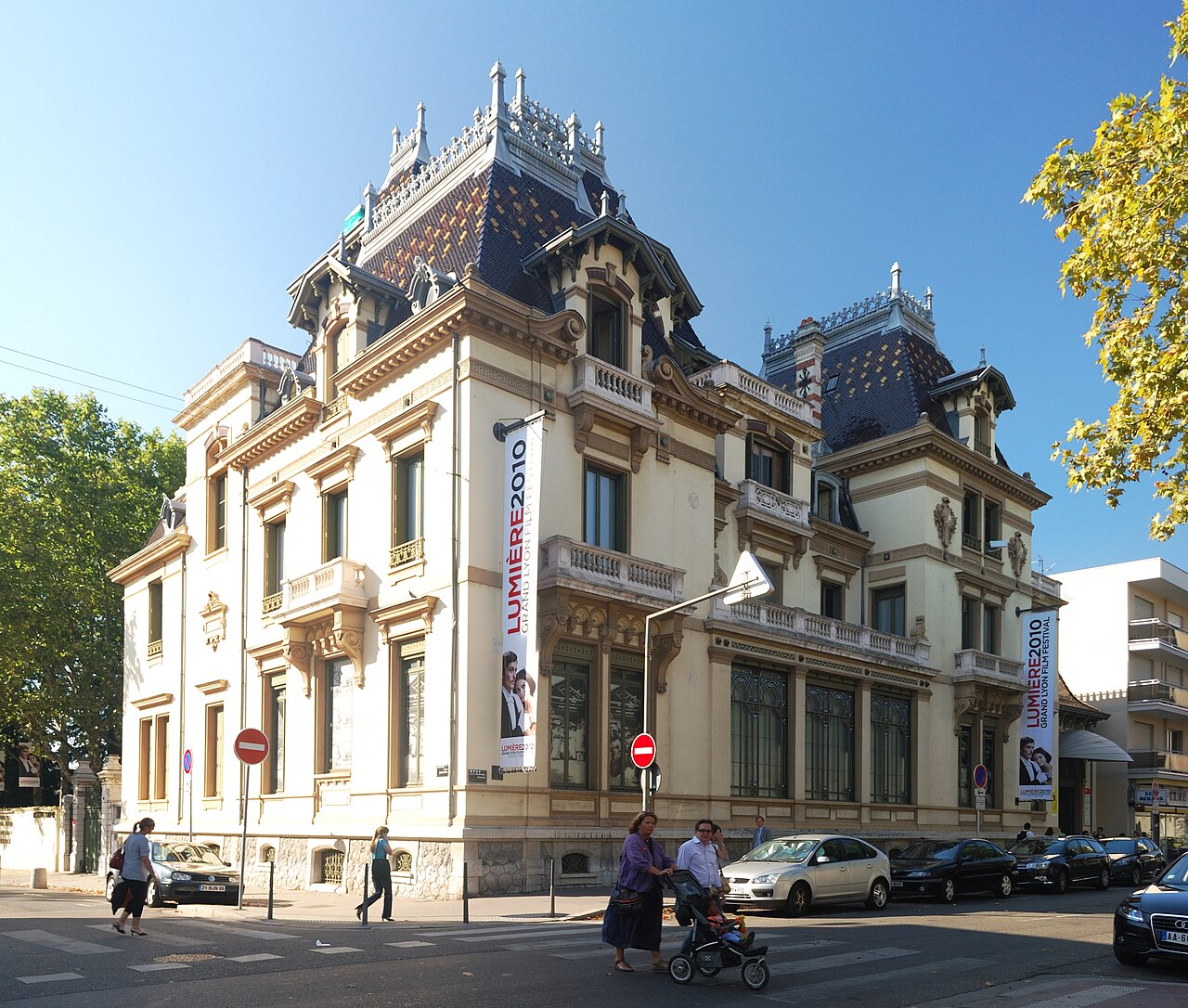
Early autumn is lovely, with warm days, a grape harvest in the Beaujolais and the Rhône, and golden light on the stone of Vieux Lyon. In October the Lumière Festival, organised by the Institut Lumière, celebrates film with screenings and events around the city, so hotels fill. In November the weather cools and the third Thursday brings Beaujolais Nouveau, a good excuse to taste the new wines. Mornings can be foggy in the river valleys, but the fog usually clears by midday. This is a good season for food, museums and quieter streets.
Winter and the Fête des Lumières: December to February
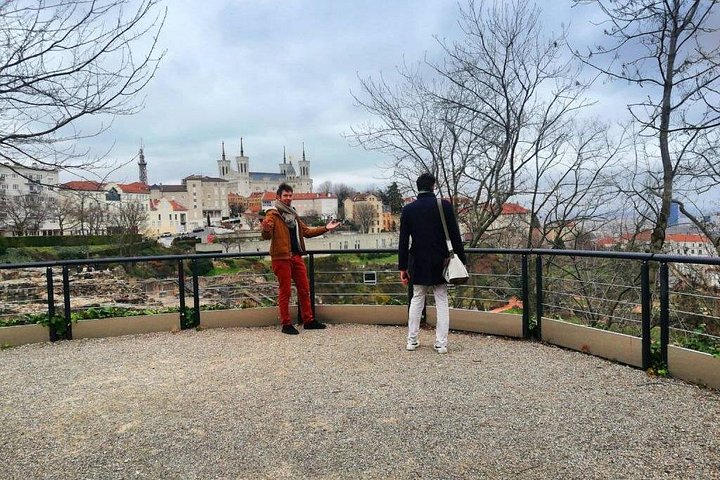
Early December brings the city’s biggest event, the Fête des Lumières. Over four nights around 8 December, Lyon becomes an open-air gallery of light installations, and on the evening of the 8th residents place candles in their windows, a tradition that began in 1852. Crowds are enormous, so expect packed metros, road closures and fully booked hotels, and book your room and your restaurants many months ahead. Some cruises and transport may be altered, and you will do best to explore early in the evening and walk between installations. Christmas markets and festive lighting continue through December, and the Fourvière basilica is often lit up for the holidays. January and February are the quietest months, with lower hotel rates, mist and cold, and a calm city for museums and bouchon lunches.
Weekly closing days
Whatever the season, remember that Lyon’s museums close on different days. The Musée des Confluences, the Lugdunum museum and the Institut Lumière close on Mondays, and the Musée des Beaux-Arts closes on Tuesdays. Fourvière Basilica, Vieux Lyon, the Saône cruises and the Aquarium are good options on Mondays. Many market stalls and some restaurants also rest on Sundays or Mondays.
Our recommendation
If you want mild weather, long days and good wine, choose late May, June or September. For a festive city, choose early December, but plan and book months ahead. For quiet and value, choose January or February, or the second half of November. Whichever you pick, bring comfortable shoes for the cobbles and hills, and allow a long lunch in your plans, because Lyon is at its best when you slow down.
Practical weather notes
Lyon’s summer afternoons regularly climb into the high twenties and thirties Celsius, so a hat, water and shade breaks make a real difference, and the river quays are cooler in the evening. Winter days are often grey but rarely severe, with occasional frost, so pack a warm coat, gloves and waterproof shoes for the cobbles. The hills make the weather feel different at different heights, and Fourvière can be breezy or misty when the quays are calm. Because many museums are indoors and the traboules provide shelter, rain does not need to spoil a visit, and a wet day is a good moment for the Musée des Beaux-Arts, the Musée des Confluences or a long bouchon lunch.