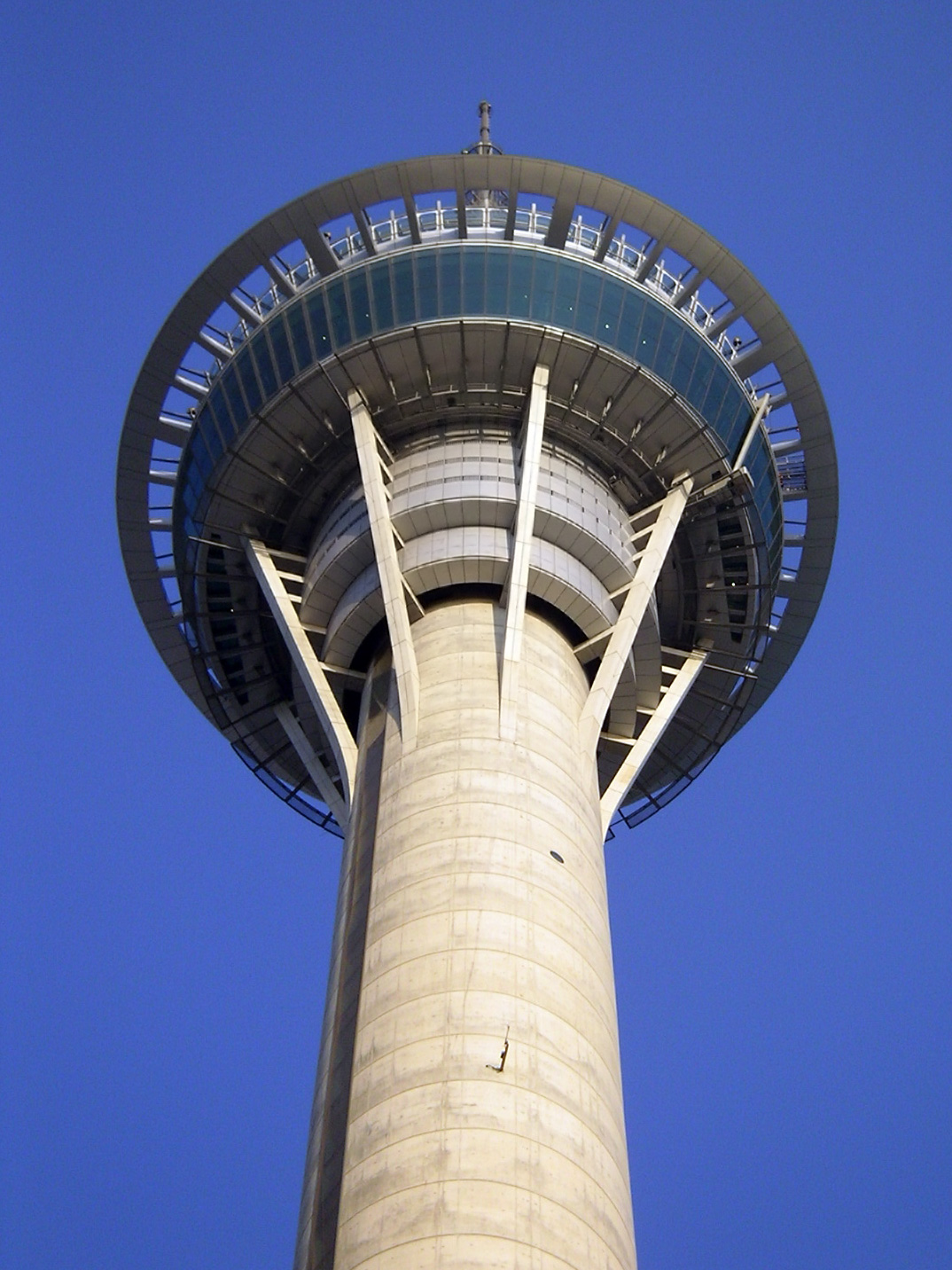
Macau has a humid subtropical climate, with hot, wet summers and mild, dry winters, so the best time to visit depends on how much heat and humidity you can tolerate and how much you mind crowds. In general, autumn and early winter are the most comfortable months, while spring is pleasant but often misty and damp, and summer is hot, steamy and wet. Because the territory is small and most sights are close together, the weather matters less for planning than it does in a large country, but it still shapes how much you enjoy walking the old town.
Autumn (October to November): the best all-round choice
These are widely regarded as the most pleasant months. The humidity drops, the skies are clearer and temperatures are comfortable for walking, which makes this the best season for the old town, the temples and the gardens. Views from the Macau Tower and other high points are at their sharpest, and the outdoor activities, such as the zipline, are at their most enjoyable. The main drawback is that autumn is also a popular season, and hotel prices rise during public holidays, so book early.
Winter (December to February): cool, dry and bright
Winters are mild by most standards, with cool mornings and evenings, although occasional cold snaps can feel chilly because of the damp air. Skies are often clear and the air is dry, which suits long walking days and temple visits. Christmas and New Year bring decorations and events in the resorts and a busy period for hotels, and Chinese New Year, which falls in late January or February, is the busiest and most colourful time of the year, with festive lights, lion dances and fireworks, but also crowds and high prices.
Spring (March to May): warmer and often misty
Temperatures climb steadily, and the humidity returns, bringing mist, fog and drizzle, especially in March and April. Visibility from viewpoints can be poor on misty days, so keep your plans flexible. May is warmer and more humid, with a mix of sunny and wet days. Spring is a good season for the gardens, and quieter than the Chinese New Year and autumn periods, apart from public holidays. Festivals such as the Feast of the Drunken Dragon and the Procession of the Passion of Our Lord add local colour.
Summer (June to September): hot, humid and wet
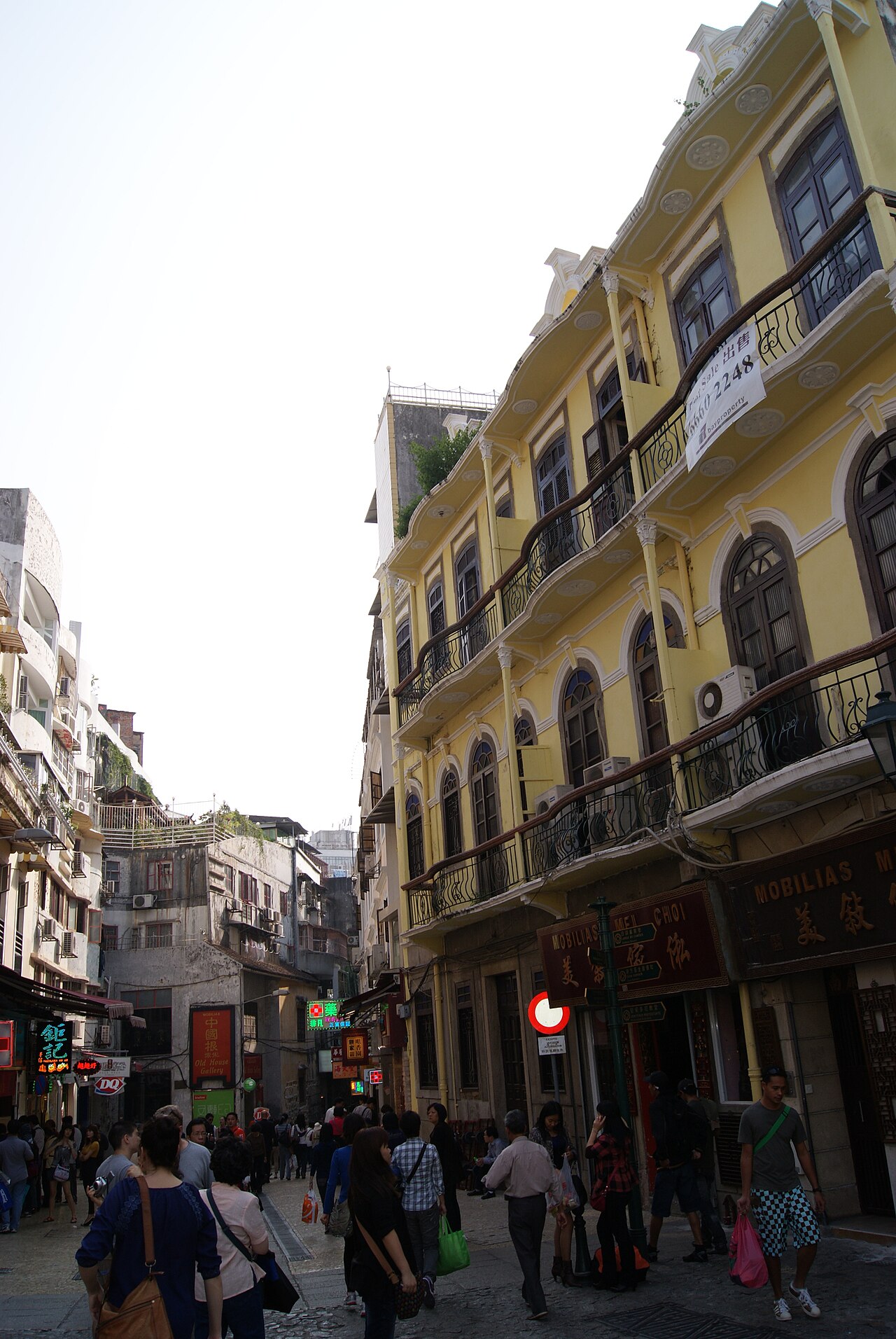
Summer is hot and humid, with frequent heavy showers, and it is the typhoon season, with the peak risk normally in the later part of the season. Typhoon warnings can close attractions, suspend ferries and disrupt flights, so check forecasts, buy flexible tickets and consider travel insurance. The advantages are lower hotel prices and the fact that Cotai’s resorts, shows and indoor attractions are fully air-conditioned, so a summer trip focused on Cotai can still be comfortable. If you plan to explore the old town in summer, start early, rest in the middle of the day and carry an umbrella.
Crowds and prices
Weekends and public holidays are busy at any time of year, because Macau is a short trip from Hong Kong and the mainland, and prices for hotels rise sharply on those days. Chinese New Year, the early October holiday week and some other national holidays are the busiest periods, and weekdays are noticeably quieter and cheaper. If you can travel midweek outside the main holiday periods, you will have a more relaxed trip and better value.
Festivals worth planning around
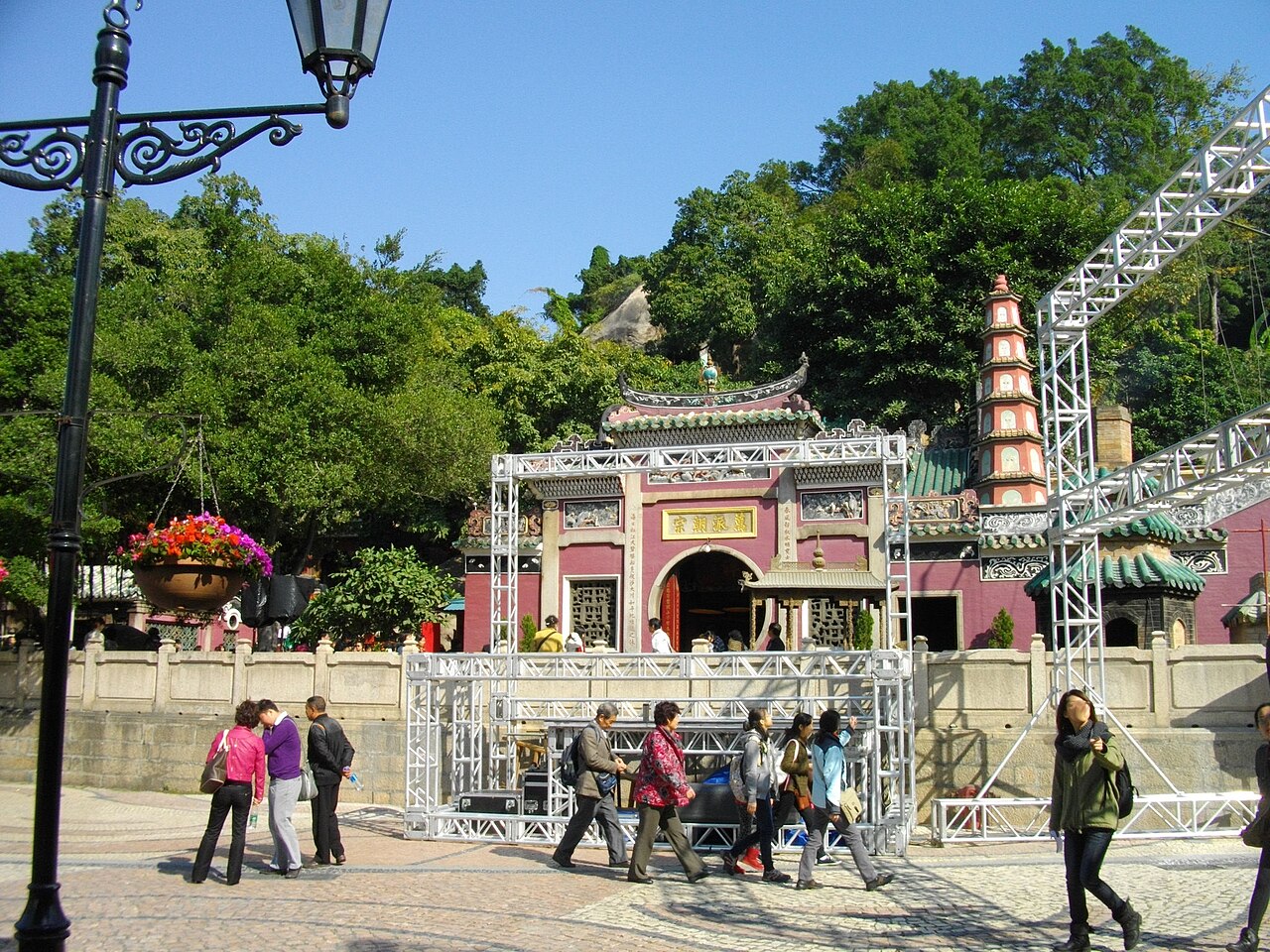
Chinese New Year, the Lantern Festival, the Feast of the Drunken Dragon, the A-Ma festival and several Portuguese-influenced religious processions give the calendar a distinctive rhythm. Dates vary from year to year, so check the current calendar. Motor-racing and music events can also fill hotels, so confirm your dates against the events calendar before booking.
Our recommendation
For the best balance of weather, views and atmosphere, aim for October, November or early December on a weekday. If you want the lowest prices and do not mind the heat, a summer trip centred on Cotai works well, and winter is ideal for walking the old town. Whenever you go, check the entry requirements for your nationality before you travel, and look at the weather forecast a few days ahead, since a single wet or hazy day can be swapped for an indoor Cotai plan with very little fuss.