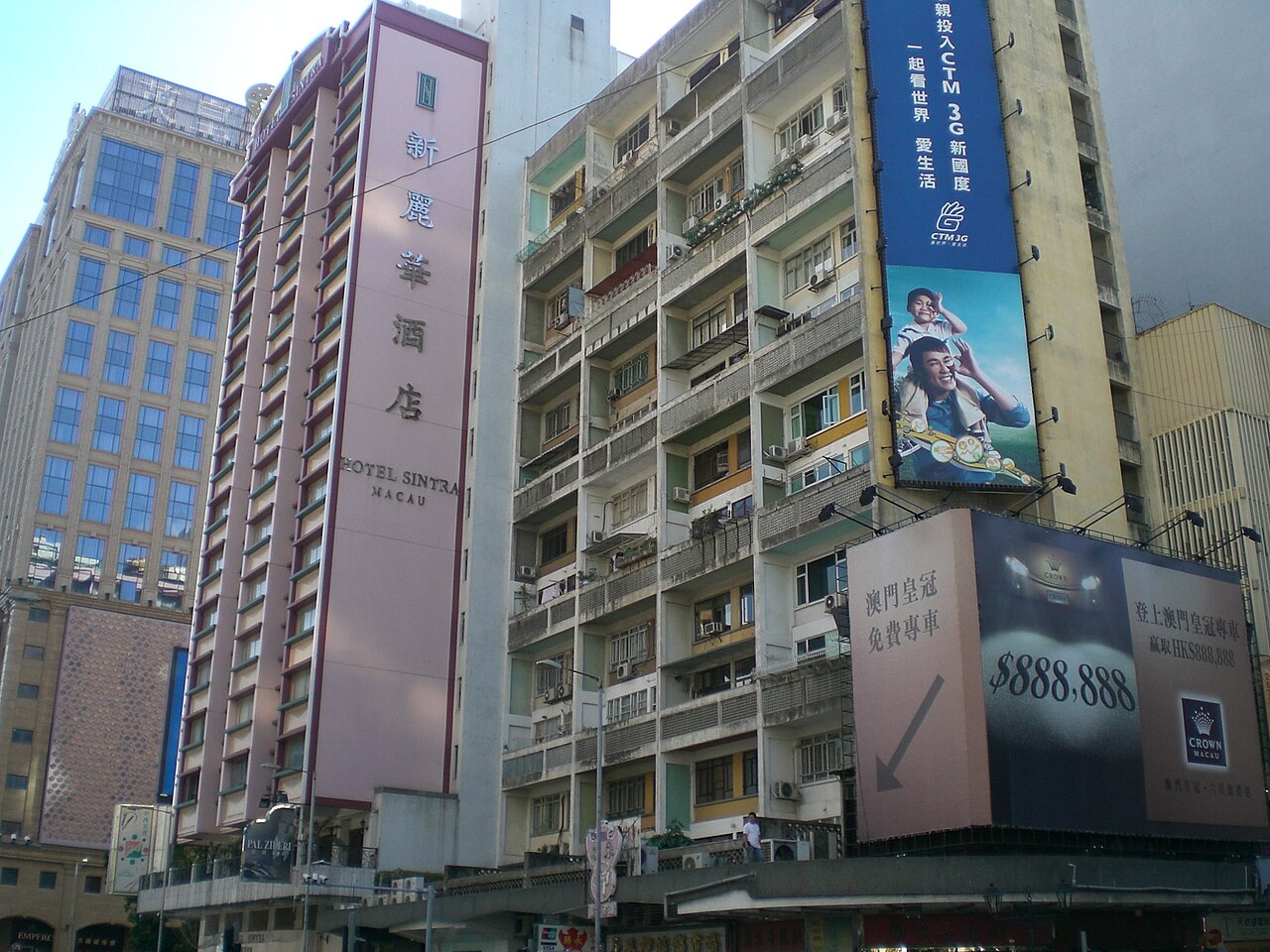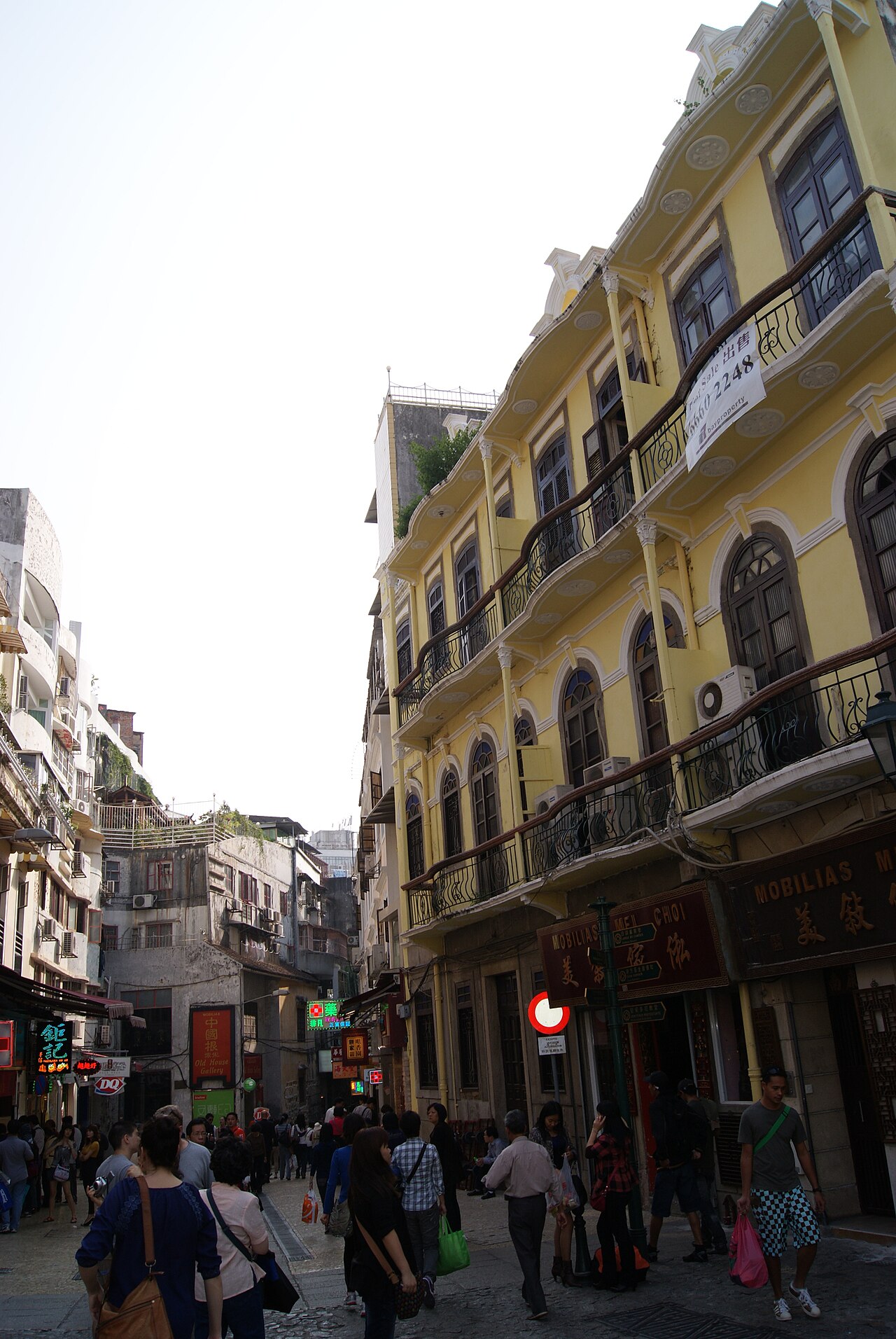
Macau is small, about the size of a large city park, but it feels like two destinations in one. On the peninsula, Portuguese-era squares, churches and Taoist temples make up a UNESCO-listed historic centre that you can cover on foot. Across the bridges, Taipa and the Cotai Strip hold the giant resorts, the shows and the adventure attractions. Most visitors want a bit of both, and the key to a good trip is deciding how to split your time.
How many days
Two full days is the minimum and lets you do the old town on one and Cotai on the other. Three days is more relaxed and leaves room for Taipa Village, a slow meal and the Macau Tower. If you are visiting as a stopover on a longer Asia trip, one long day can work, but you will be choosing between the two halves of the city.
What to book ahead
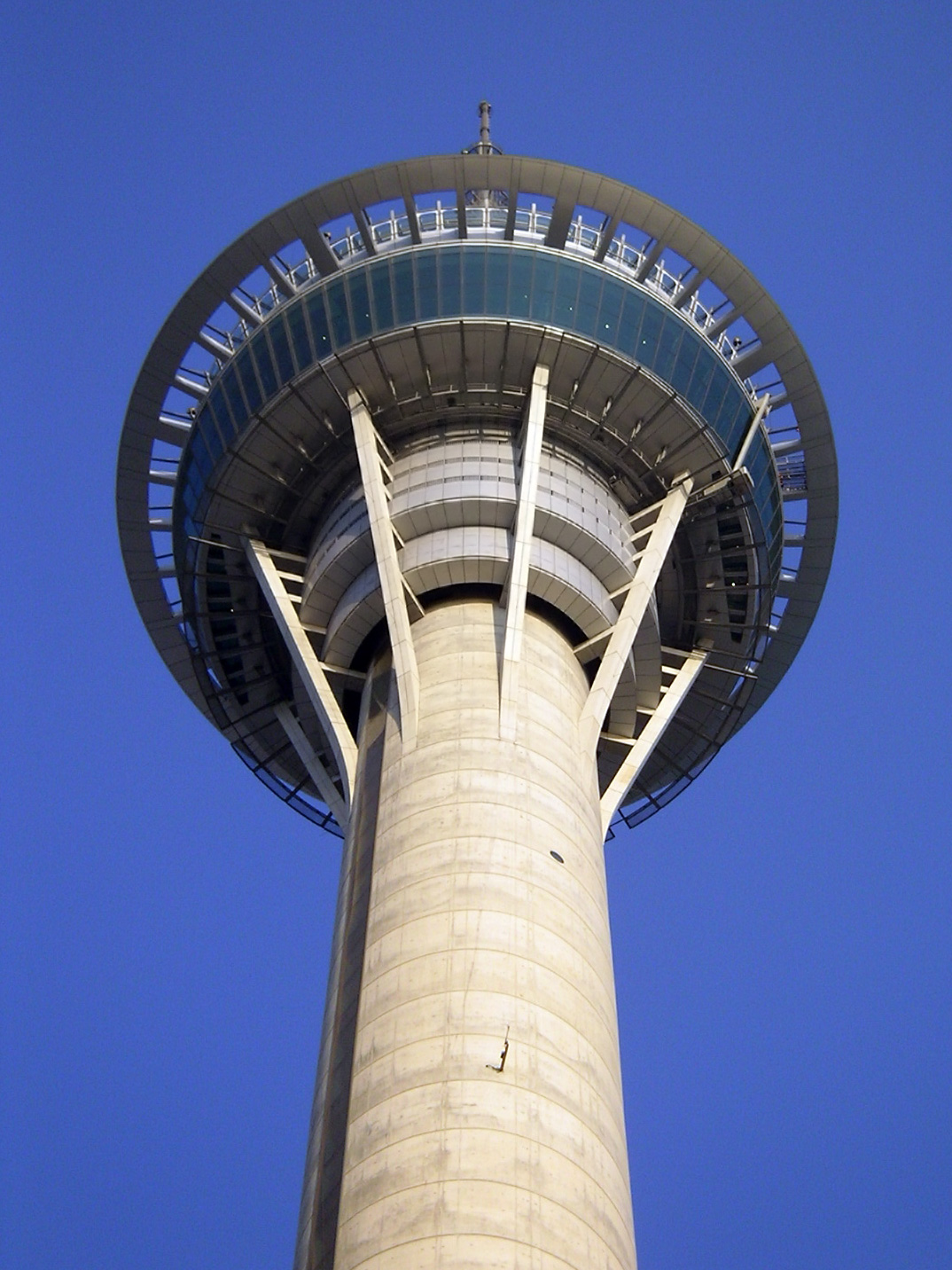
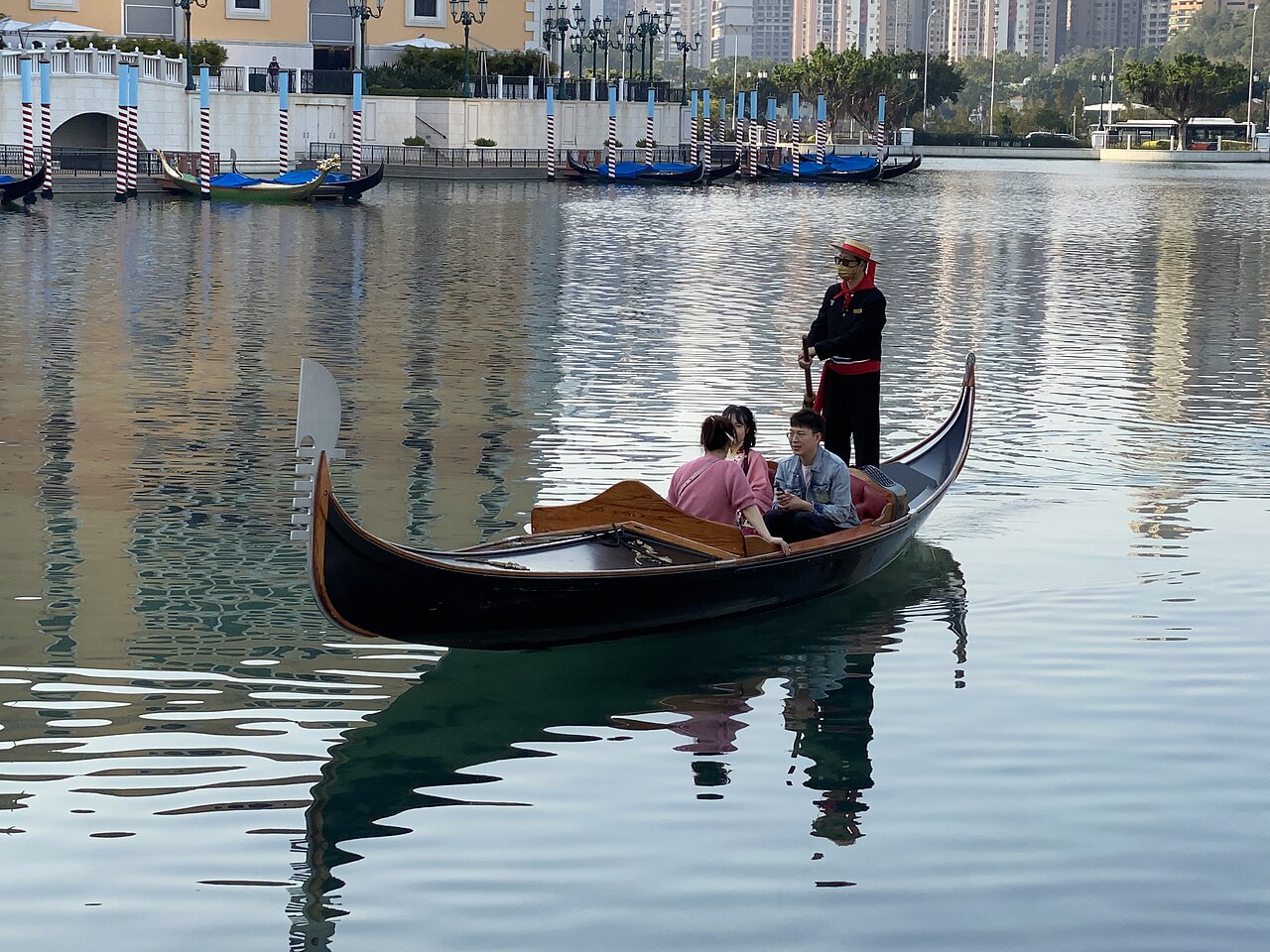
The one show that needs planning is The House of Dancing Water at City of Dreams. It does not run every night, so check the calendar and book once your dates are fixed. The Macau Tower, the Venetian gondola ride and the Zipcity zipline are all easier with tickets bought in advance, and the zipline and tower adventure activities have set sessions. If you want a local guide for the old town, a private half-day tour or a guided sightseeing tour is worth reserving a few days ahead.
The free sights
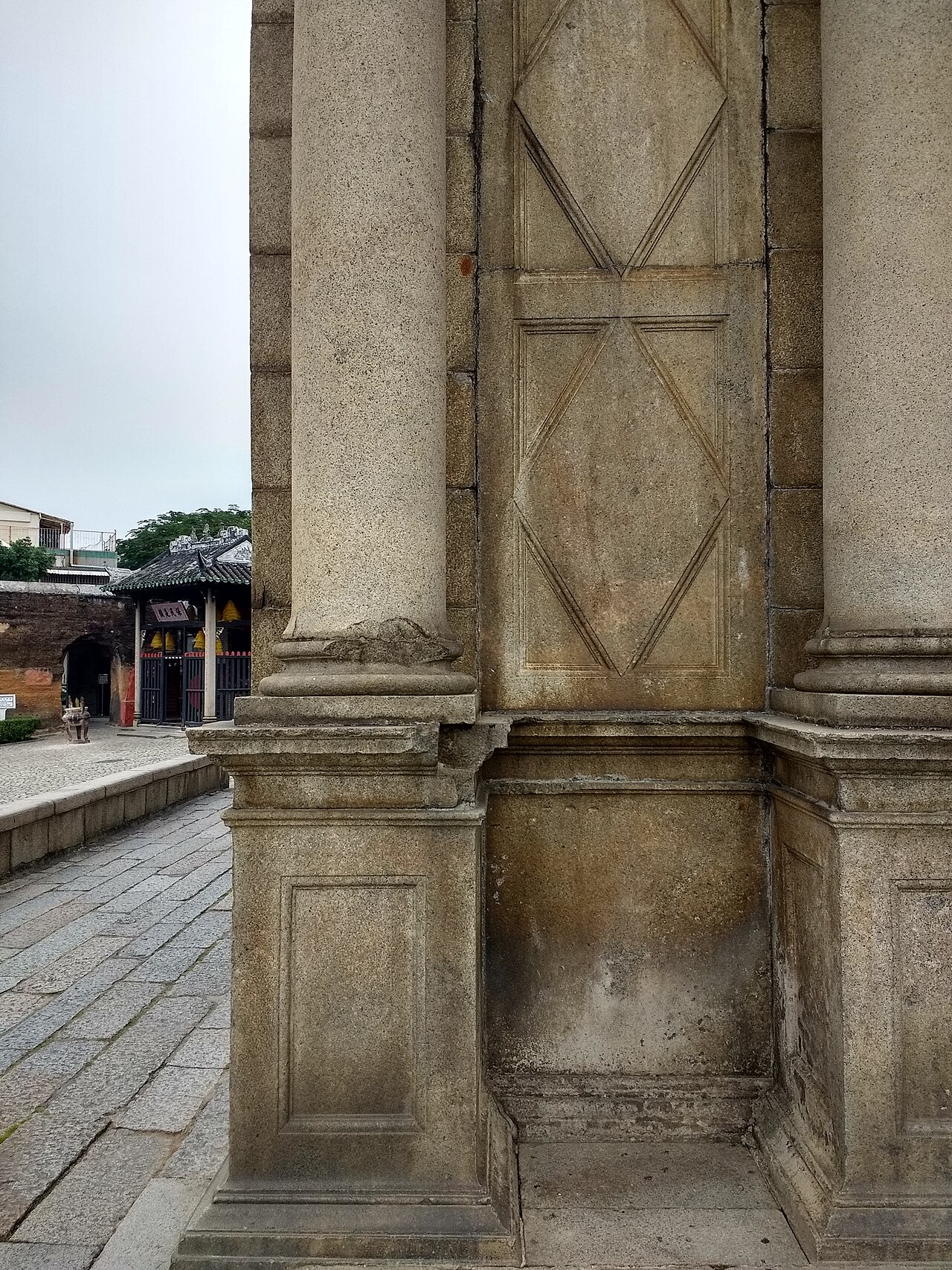
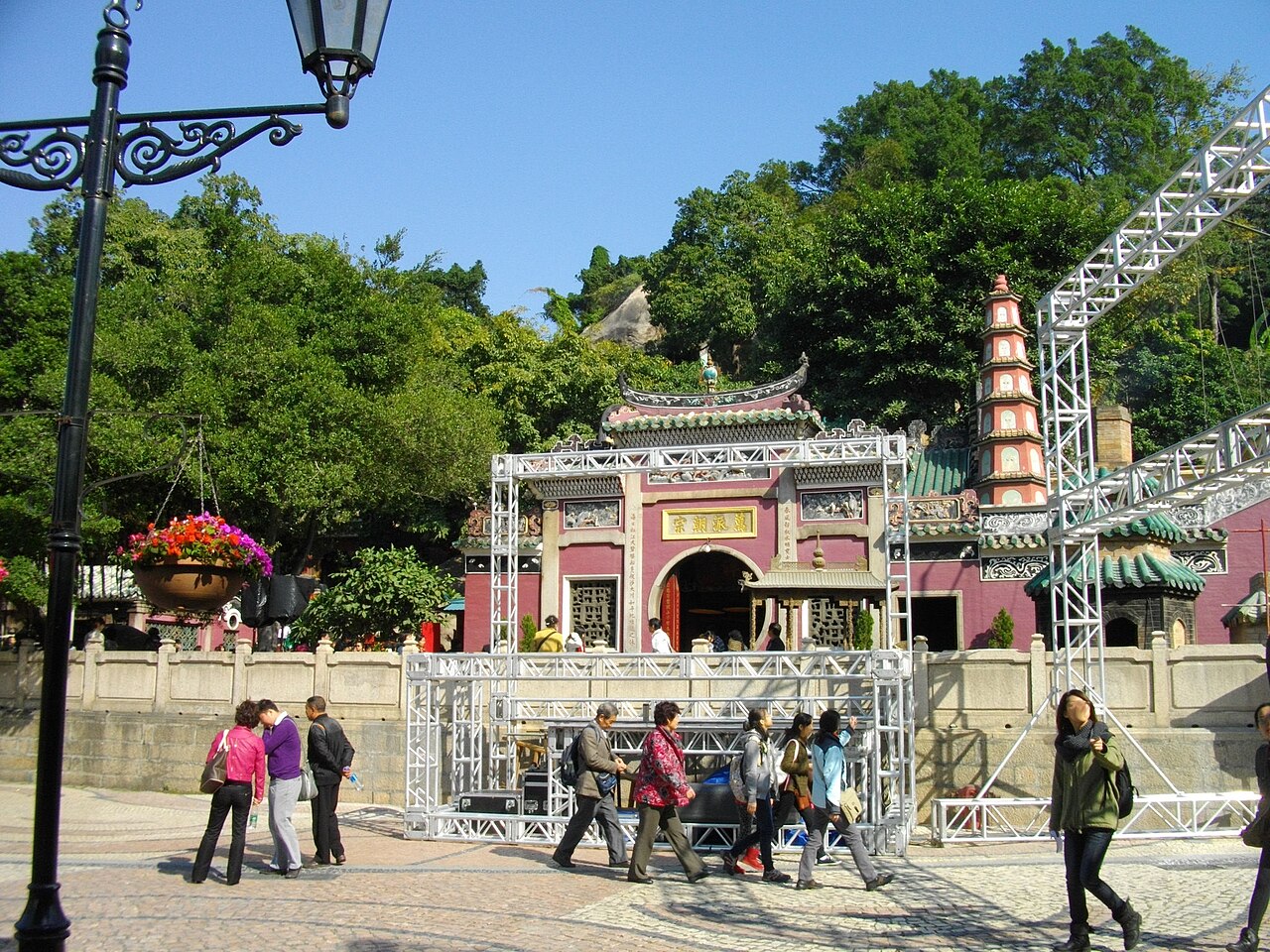
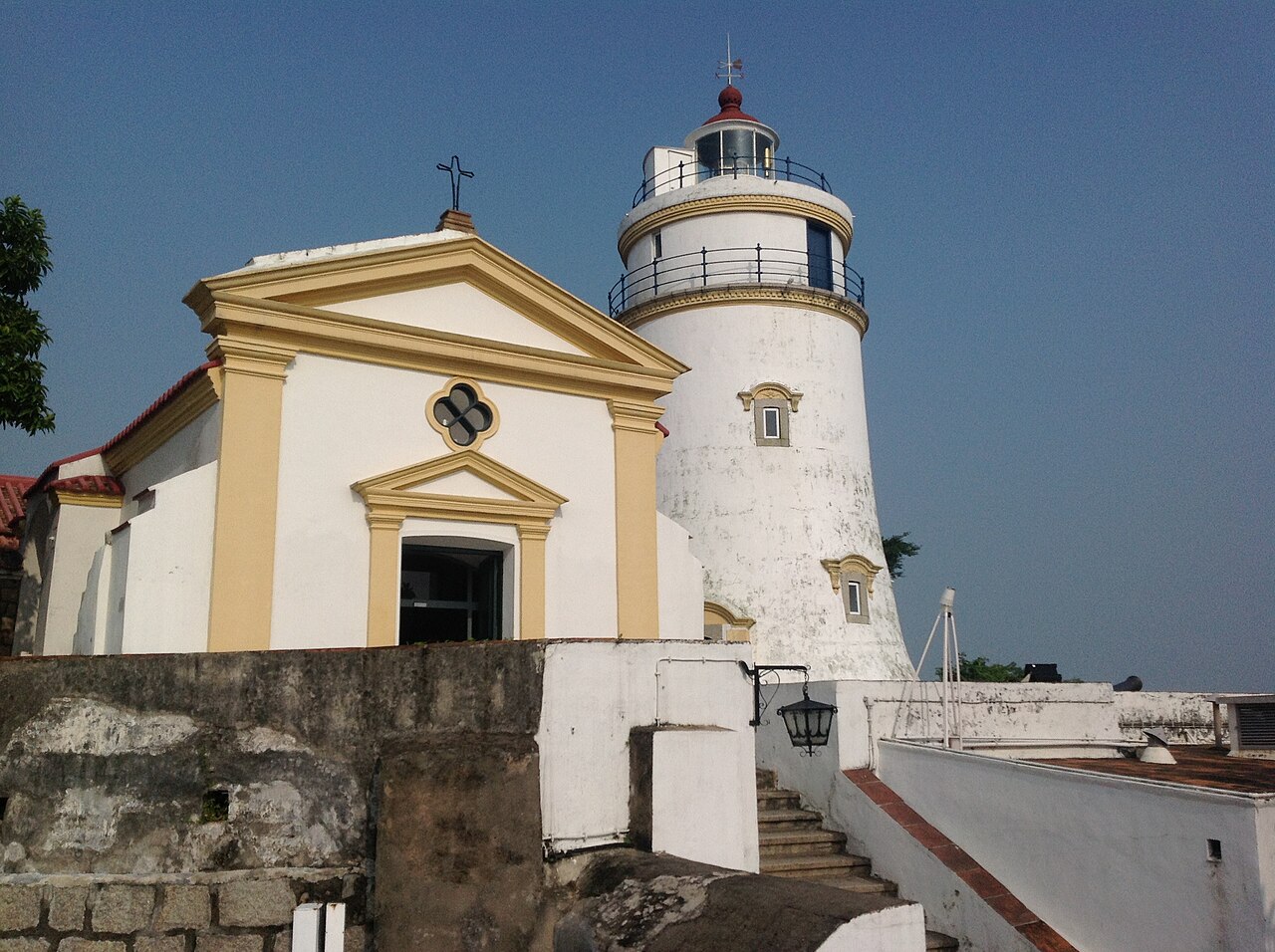
The historic centre is where Macau is at its best, and most of it costs nothing. Senado Square is the natural starting point, with its wave-patterned paving and pastel buildings. A ten-minute walk uphill brings you to the Ruins of St. Paul’s, the carved facade that is the symbol of the city. A-Ma Temple, at the southern end of the peninsula, is a living Taoist temple with incense coils and shrines in the rock, and Guia Fortress and its lighthouse on the highest hill give you a green, quiet view. Some historic buildings are temporarily closed from time to time, so check the tourism office pages before planning a detailed church route.
Getting around
The old town is best on foot, with taxis to link the squares and the temple. Between the peninsula and Cotai, taxis are the simplest option, and many large resorts run free shuttle buses between the ferry terminals, the border crossings and their hotels, so ask at the front desk of any resort about current routes and who can ride. Public buses are cheap but can be crowded, and a light rail line serves Taipa and parts of Cotai. Ride-hailing options vary, so keep some local cash or a card for taxis.
Money and practicalities
The local currency is the pataca, and Hong Kong dollars are widely accepted in shops and taxis, though you may receive change in patacas. Cards are accepted in most hotels and restaurants, and cash helps at markets and small bakeries. Entry rules for Macau differ from mainland China and change from time to time, so check the current requirements for your nationality before you travel. Summers are hot, humid and wet, with a typhoon season, and the most comfortable months are autumn and early winter.
Food
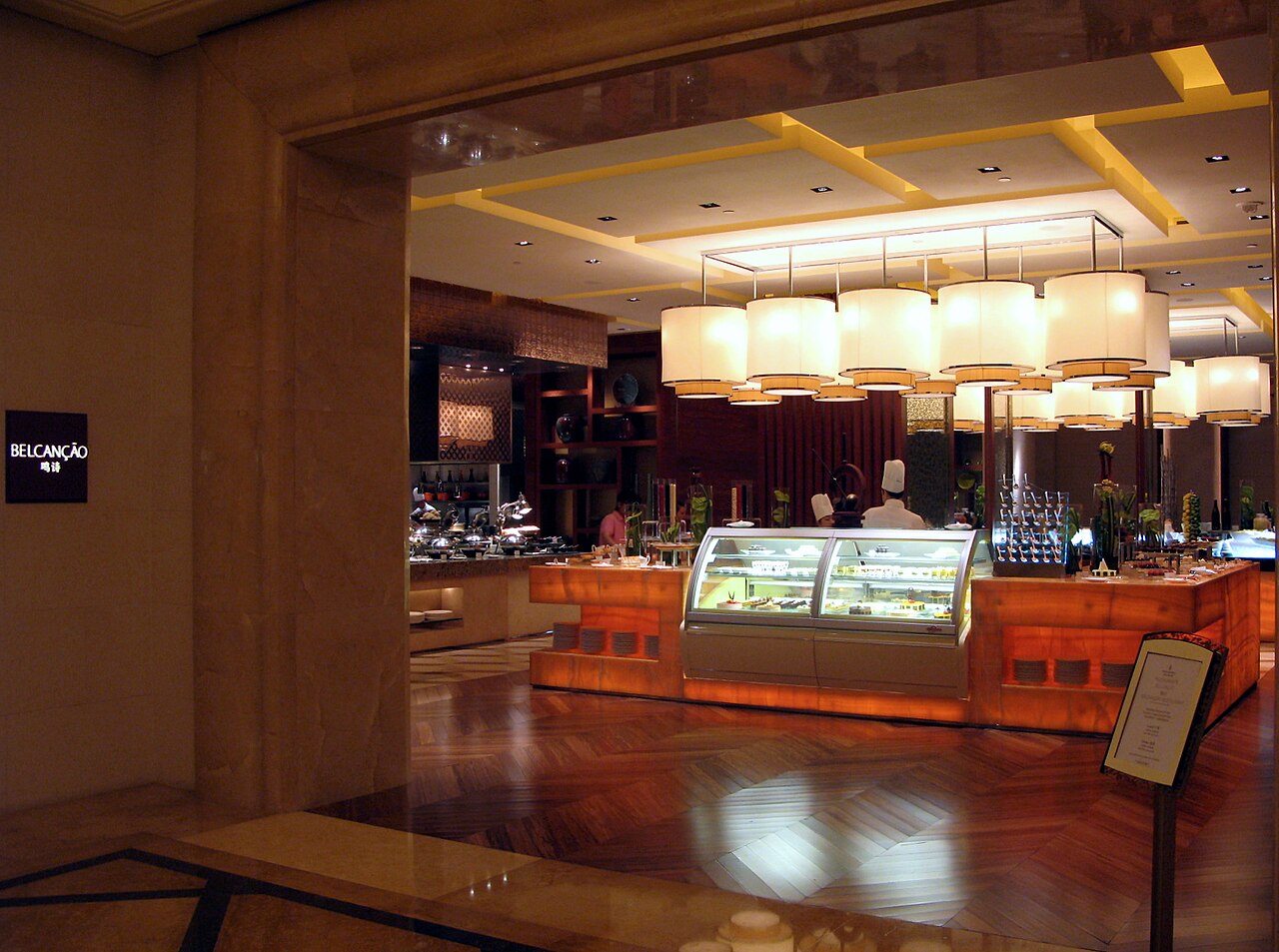
Macanese cooking blends Portuguese, Cantonese and other influences, and its famous egg tarts, almond biscuits and pork chop buns are sold across the old town. Taipa Village’s Rua do Cunha is the best food street for a slow evening, and local noodle shops are good value.
A simple plan
Day one, Senado Square, the Ruins of St. Paul’s and A-Ma Temple, with a late lunch of Macanese food and a visit to Guia Fortress in the afternoon. Day two, the Macau Tower in the morning, a gondola ride and the shops on Cotai, and The House of Dancing Water in the evening. If you have a third day, add Taipa Village and the zipline.