Three days is the ideal length for a first trip to Macau. It is long enough to see the historic centre properly, spend a day on the Cotai Strip and still have time for the quieter southern islands, without rushing from one sight to the next. The territory is small, and a taxi ride rarely takes more than half an hour, so the plan below is built around zones rather than individual sights. That keeps travel to a minimum and leaves room for long lunches, which are a big part of the Macau experience.
Day one: the historic peninsula
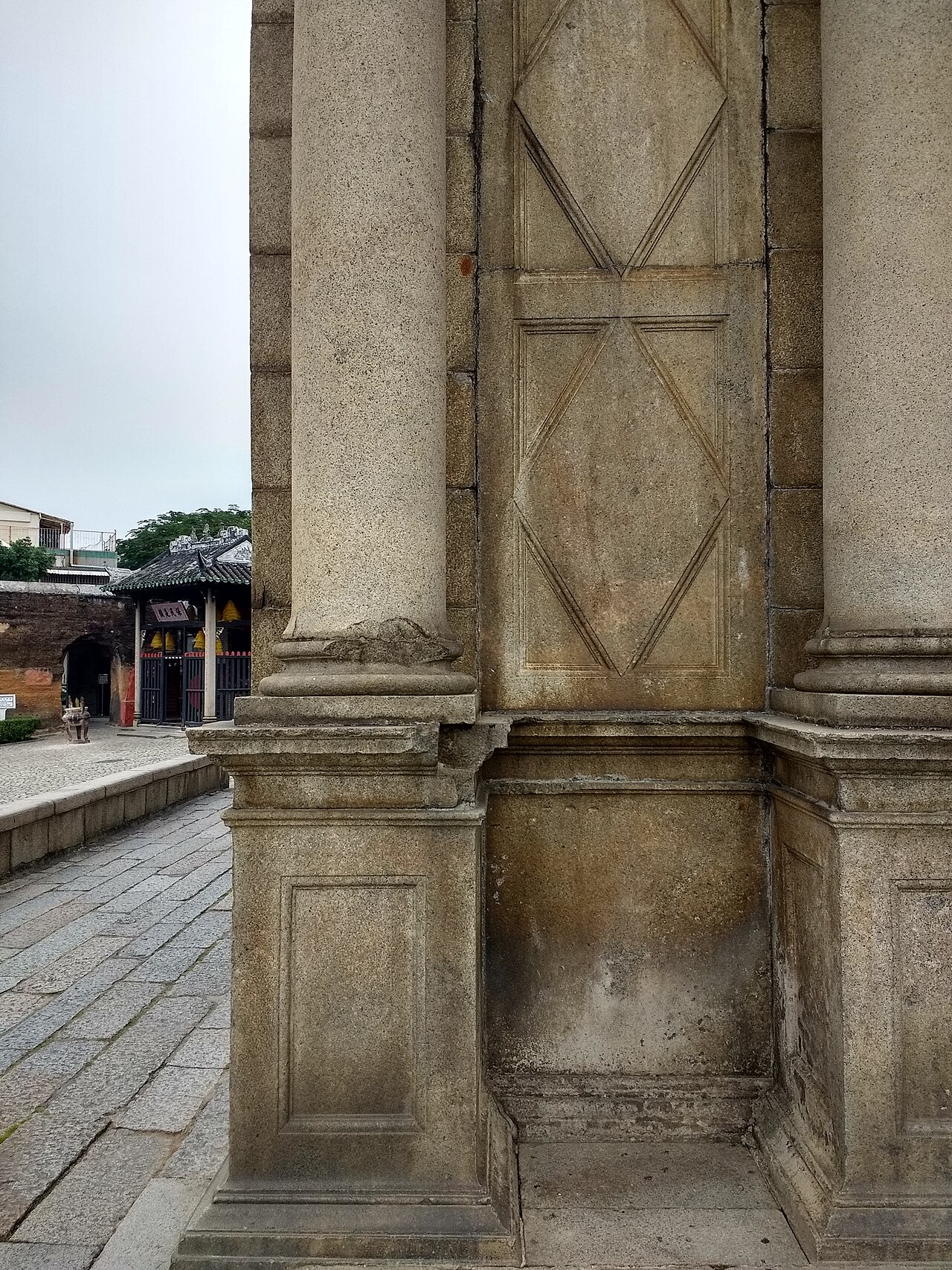
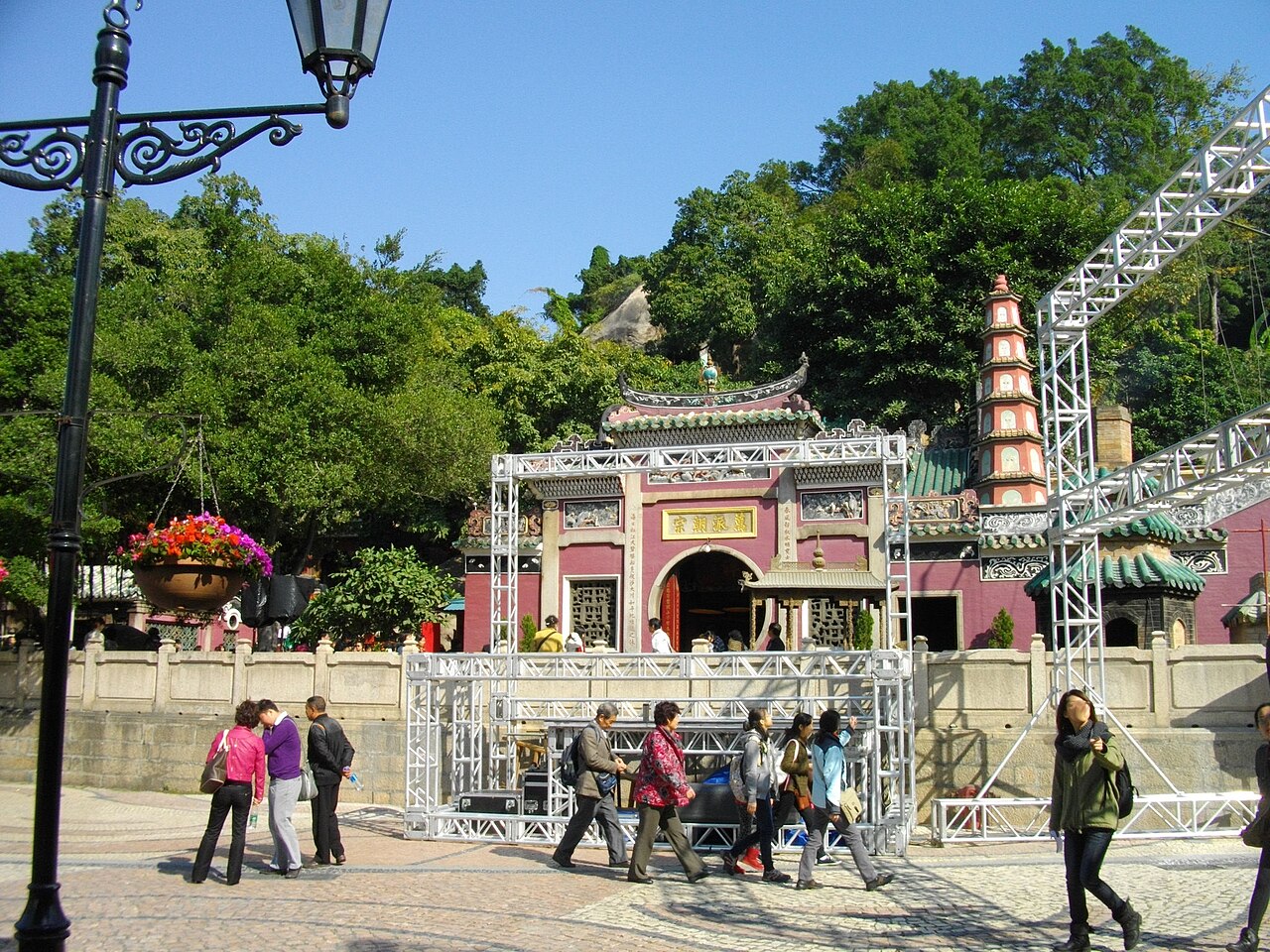
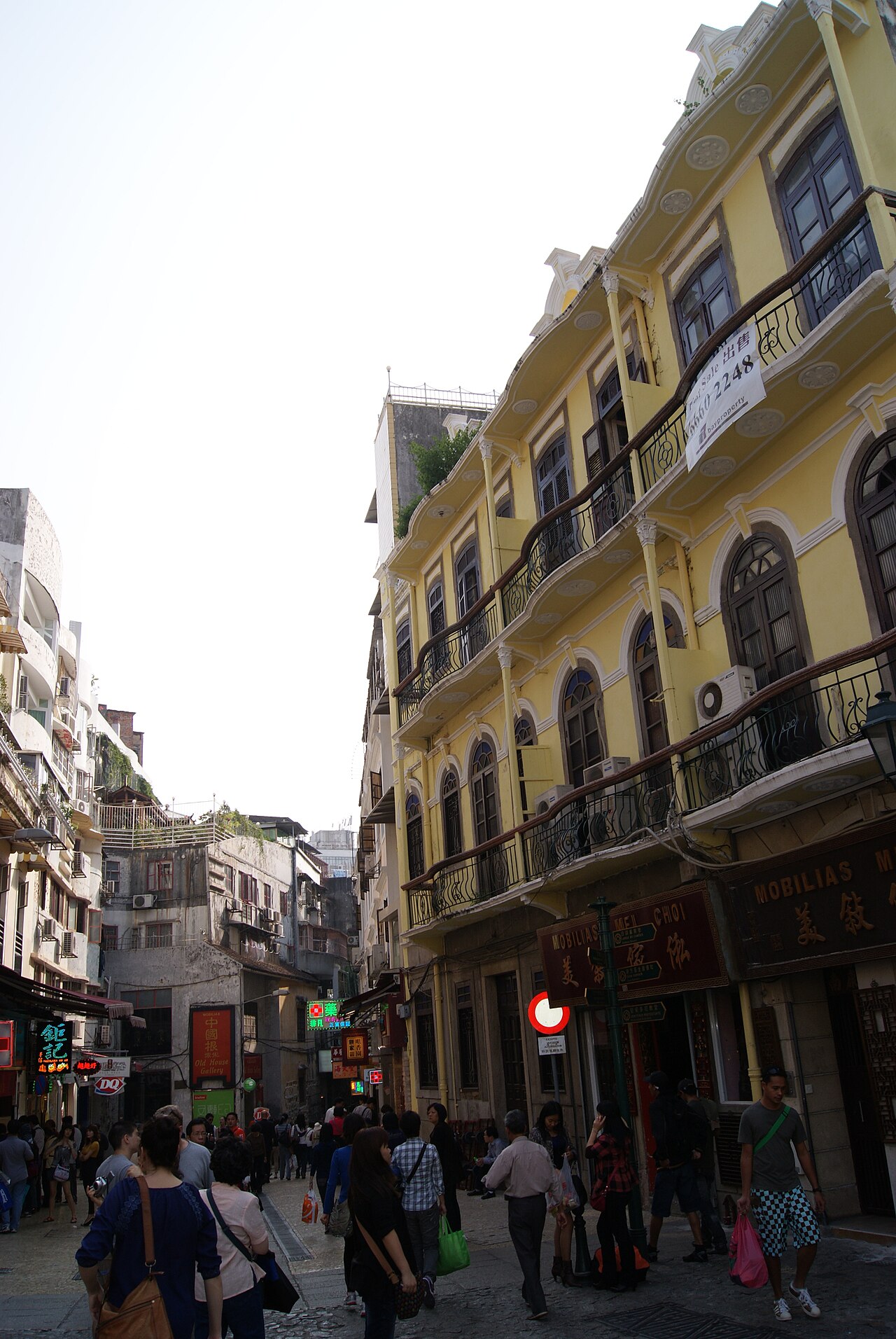
Start at Senado Square in the morning, before the tour groups arrive, and walk uphill along the pedestrian lanes to the carved facade of the Ruins of St. Paul’s. From there, continue to the hilltop for views, then walk down through the old streets for lunch at a Macanese restaurant or a noodle shop. In the afternoon, head south-west to the Mandarin’s House and A-Ma Temple, which are close together and give a very different view of the older city, from a nineteenth-century family compound to a hillside temple wrapped in incense smoke. If you still have energy at the end of the day, a walk along the Barra waterfront at dusk is a gentle way to finish.
Day two: Cotai and the shows
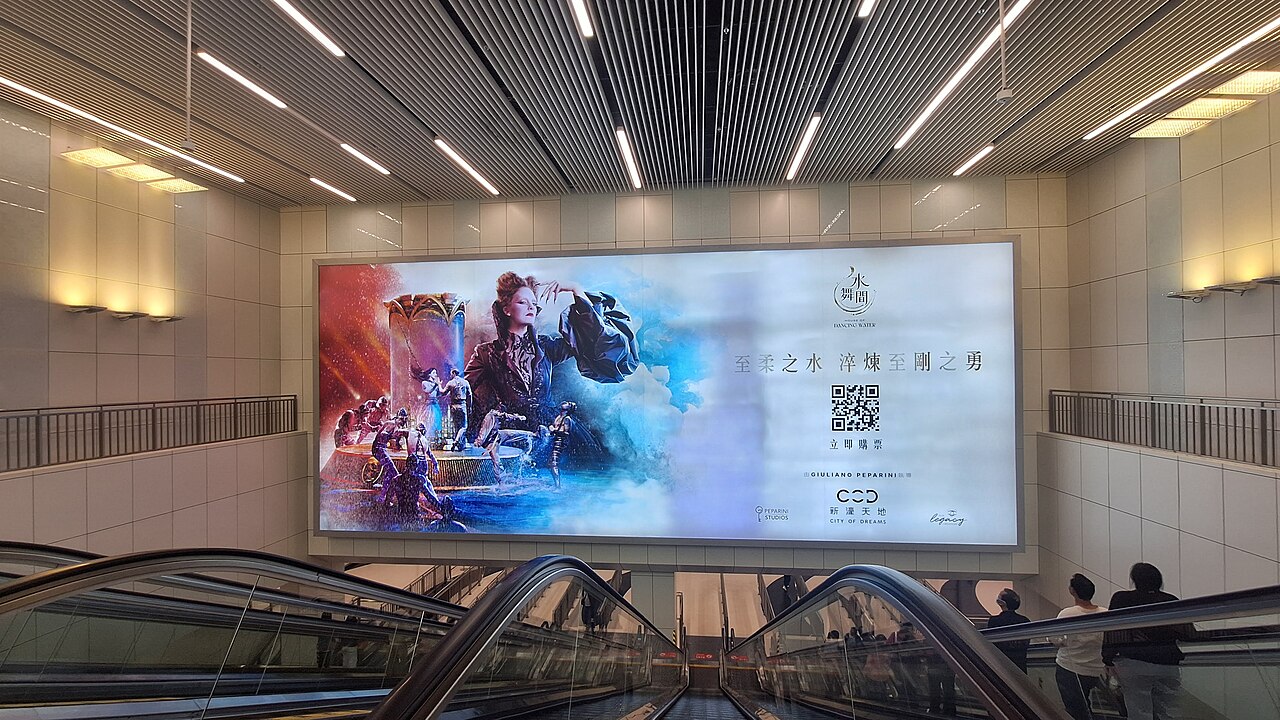
Spend the morning on the Cotai Strip, where the scale changes completely. The Venetian Macao’s gondola ride is a quick, entertaining start, and the Golden Reel Ferris Wheel at Studio City and the half-scale Eiffel Tower at The Parisian Macao give you two different views of the resorts. Have lunch in one of the big food courts or restaurants, then rest in the middle of the day, since the heat is strongest in the early afternoon. In the evening, book a seat for The House of Dancing Water at City of Dreams, which is not staged every night, so check the schedule and reserve once your dates are fixed. If you prefer adventure to theatre, the zipline and the Macau Tower’s activities are worth a look, and both need advance booking.
Day three: Taipa, Coloane and the green side
Take a taxi or the light rail to Taipa Village and walk the waterfront promenade and the lanes of Rua do Cunha, with its bakeries and snack shops. From there, continue to Coloane, the quiet southern island, where the chapel square, small temples and village lanes feel a world away from the casinos. If you have children, or just like animals, add the Giant Panda Pavilion in Seac Pai Van Park. Finish with a late Macanese lunch in Coloane and a slow afternoon, or head back across the bridge for an evening on Cotai.
A shorter or longer stay
If you have only two days, merge days one and two and keep the islands for a return visit. If you have four, add the Macau Tower and Guia Fortress on the northeast side of the peninsula and the Lou Lim Ieoc Garden, a calm Suzhou-style garden that is a good rainy-day alternative. A guided half-day tour is useful if you want context about the history and the neighbourhoods, and a private tour can be tailored to your pace.
Getting around
The old town is best on foot, with taxis linking the clusters of sights. Between the peninsula, Taipa and Cotai, taxis are simple and relatively cheap, public buses cover the whole territory, and many resorts run free shuttle buses between the ferry terminals, border crossings and their hotels. The light rail serves Taipa and parts of Cotai. Ask your hotel for the current shuttle routes and who can ride.
Where to base yourself
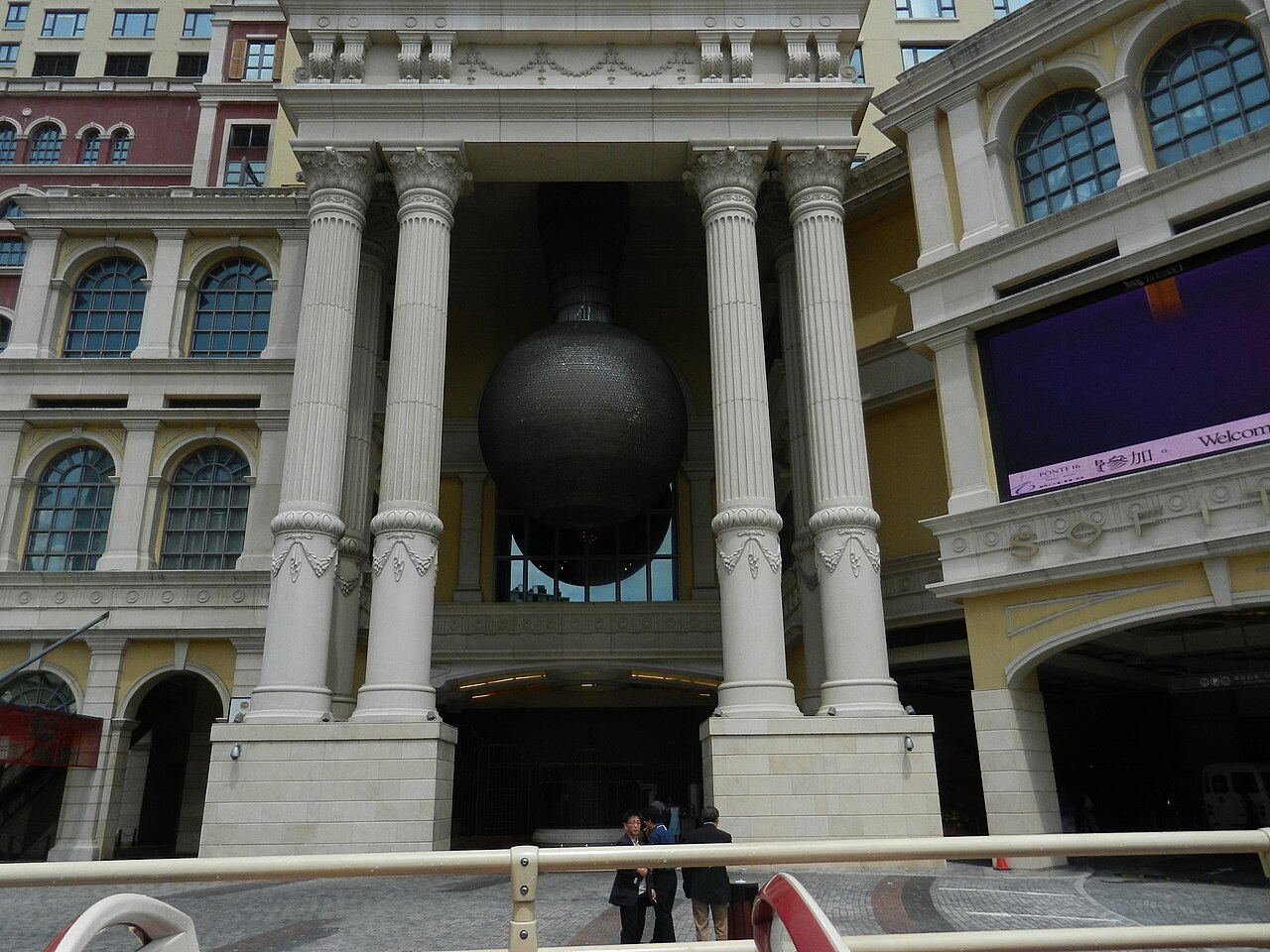
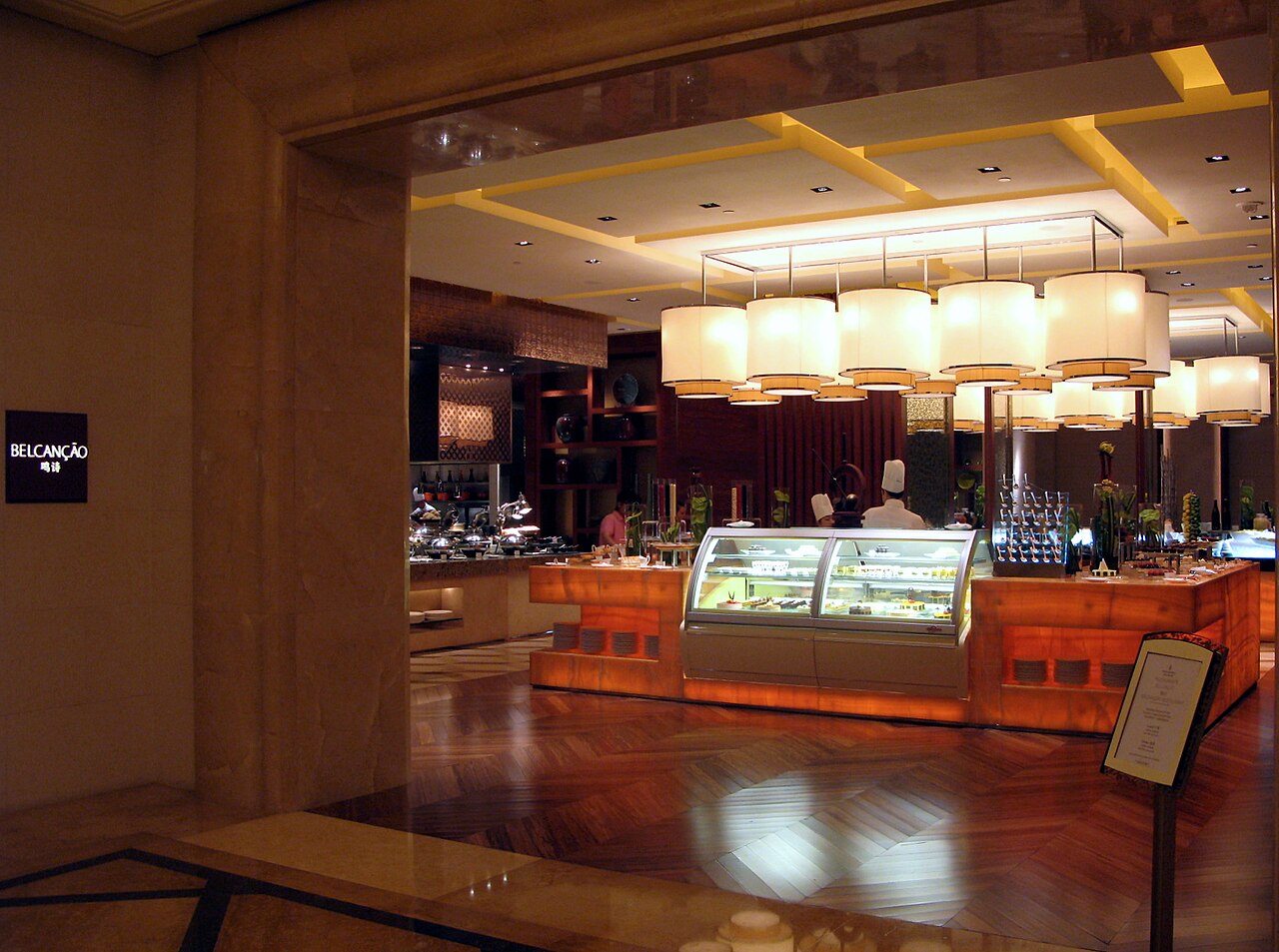
If you want to walk the heritage streets, stay on the peninsula, where hotels such as Sofitel Macau at Ponte 16 or Mandarin Oriental, Macau make the old town easy. If the shows and resorts matter most, Cotai hotels such as Four Seasons Hotel Macao, Grand Hyatt Macau and Wynn Palace put you within walking distance of the main attractions. Either way, expect higher prices at weekends and on public holidays, and book early.
Practical tips
Carry some cash for bakeries and small shops, wear comfortable shoes for cobbled streets and bring an umbrella in summer, when afternoon showers are common. Check the current entry requirements for your nationality before you travel, since the rules for Macau differ from those for mainland China. Finally, leave a little space in each day. Macau rewards slow walking, long lunches and the occasional unplanned detour more than a rigid timetable.