Macau’s food is one of the best reasons to visit, and it is more varied than most visitors expect. Centuries of Portuguese rule, trade with Southeast Asia and Africa and a strong Cantonese tradition have produced a cuisine that is known as Macanese, a blend that you will not find anywhere else. Add in street snacks, bakeries, noodle shops and some of the finest Cantonese dining in Asia, and you have a city where it is easy to eat well at any budget.
Macanese dishes to try
The classic Macanese menu includes African chicken, a grilled or roasted chicken in a spicy, coconut-tinged sauce, minchi, a comforting dish of minced meat, potato and soy sauce, often topped with a fried egg, and baked rice dishes, such as baked rice with salted cod or with duck. Portuguese-influenced favourites include caldo verde, a green soup made with kale and potato, and seafood dishes made with garlic, olive oil and tomato. Many restaurants in Taipa Village and the old town serve these dishes, and the best way to try them is to share several at a long lunch.
Egg tarts, buns and biscuits
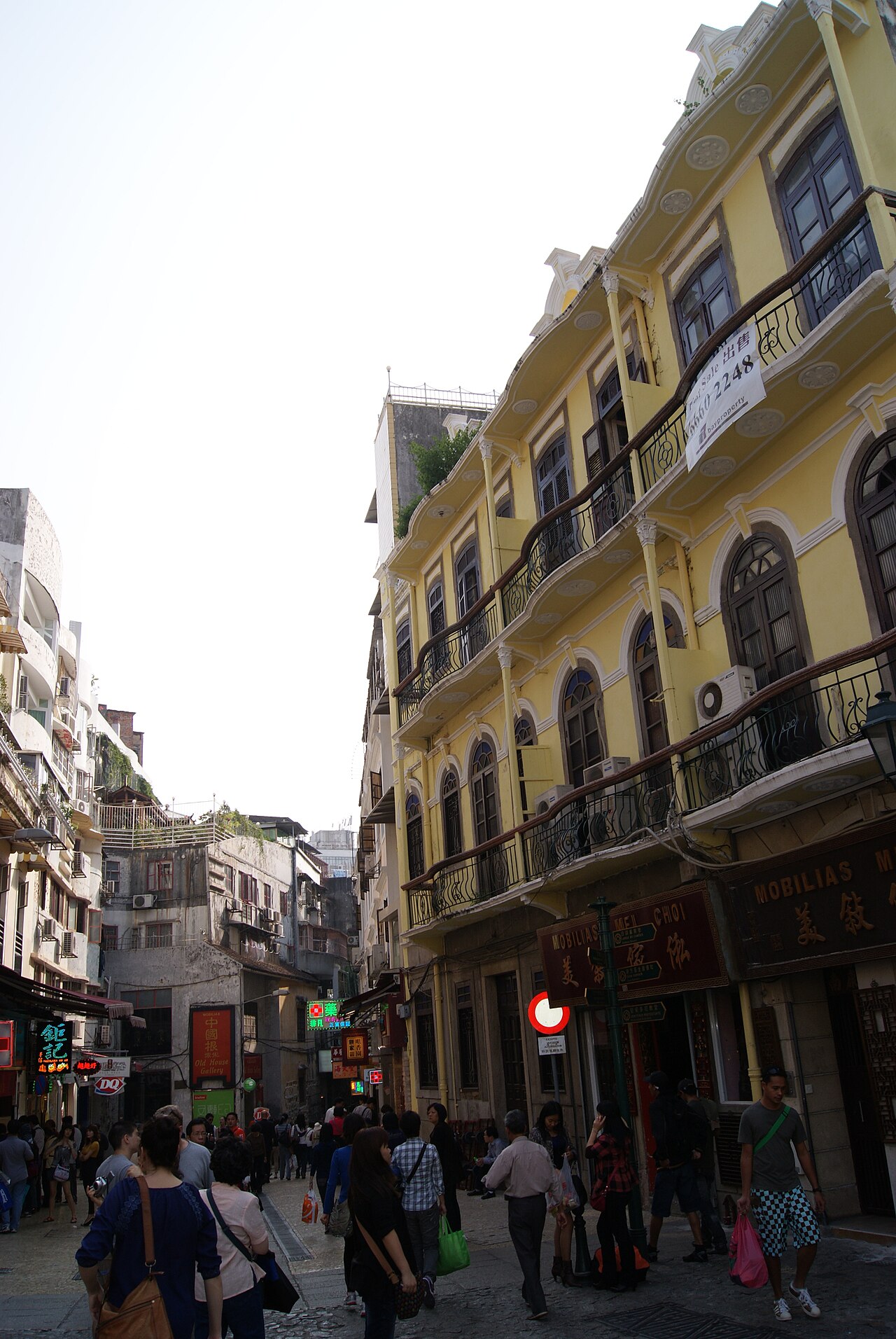
The Macau egg tart is the best-known snack, with a flaky pastry shell and a custard filling with a lightly caramelised top. The bakeries of Coloane Village and the old town have long been famous for them, and they are best eaten warm. Look also for pork chop buns, a simple sandwich of a fried pork chop in a crusty roll, and almond biscuits, which are crisp, sweet and sold in tins and bags as souvenirs. Beef jerky, ginger milk pudding and other sweets are sold in small shops, especially around Senado Square and the Ruins of St. Paul’s, where vendors often offer free samples.
Noodles and Cantonese food
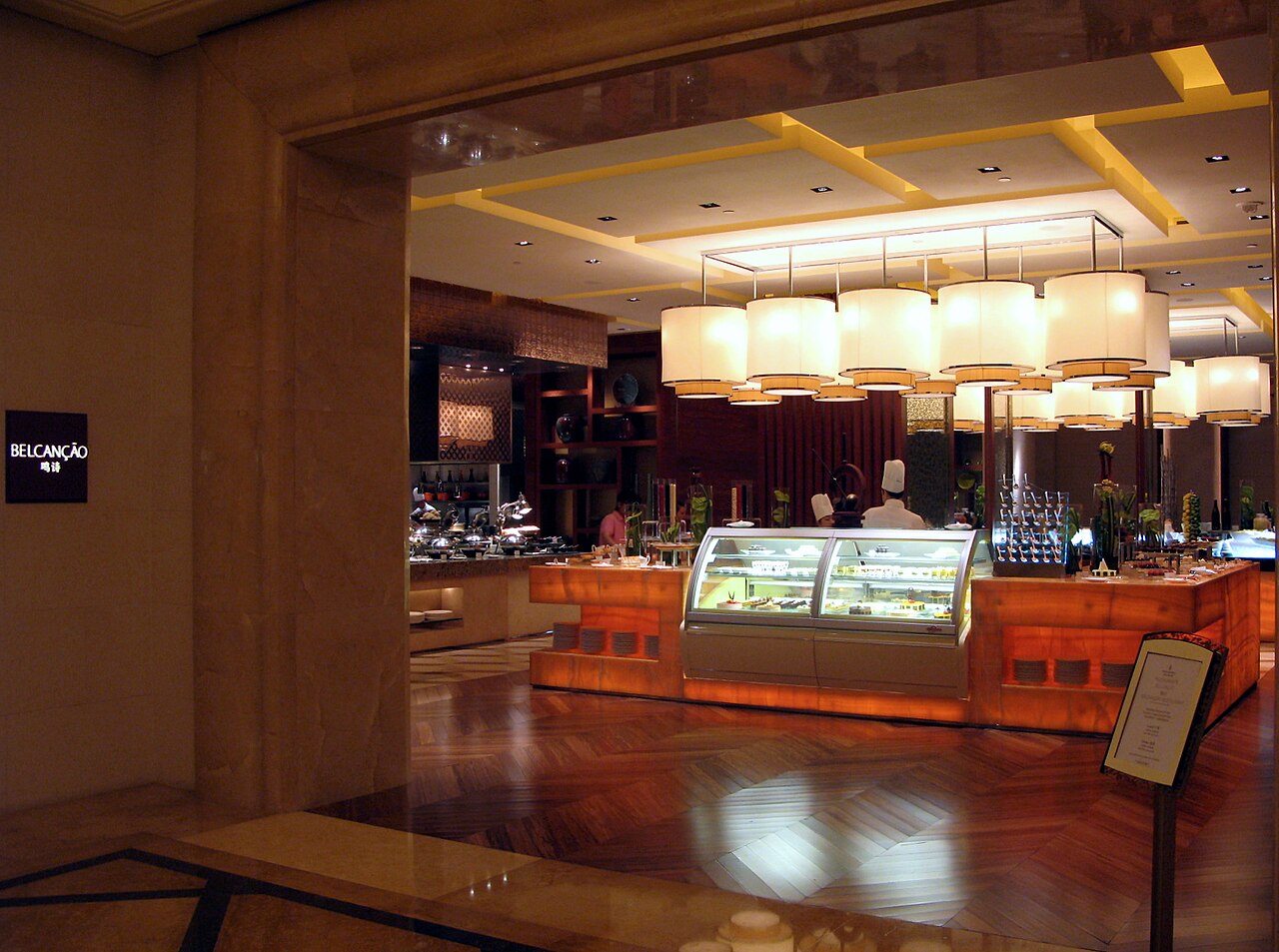
For a quick, inexpensive lunch, look for local noodle shops, where bowls of wonton noodles, fish ball noodles and beef brisket noodles are served in rich broth. Dim sum is widely available in the mornings, and Cantonese restaurants in the large hotels offer elegant, refined versions of classic dishes. Several of the major resorts have restaurants that have earned international recognition, and a special-occasion Cantonese meal is one of the best splurges in Macau. Book ahead for popular restaurants, especially at weekends.
Where to eat
Taipa Village, with its food street, Rua do Cunha, is the easiest place to taste many things in a short walk, and it is lively in the evening. The old town around Senado Square has bakeries, noodle shops and traditional cafés, and Coloane Village is a quieter place for a long lunch in an old building. On Cotai, the large resorts have restaurants for every budget, from food courts to fine dining, and they are reliable choices on wet days or after a show. Many restaurants close in the afternoon, between lunch and dinner, so plan your day accordingly.
Drinks
Tea is the everyday drink, and many Macanese cafés serve a strong milk tea with a pastry. Portuguese wines are widely available, particularly vinho verde and reds from the Douro and Alentejo regions, and a number of restaurants and wine bars specialise in them. Craft cocktails and rooftop bars have appeared in the large hotels and resorts, and the old town has a few small bars in restored buildings. If you want a quiet drink, early evening is the best time.
Practical tips
Carry some cash, since smaller bakeries and food stalls may not take cards. Prices are higher in resort restaurants than in the old town or the villages. A service charge is often added to the bill, so check before you tip, and be prepared for queues at the most popular bakeries and snack shops, especially at weekends. If you have dietary requirements, tell the restaurant in advance, since many Macanese dishes include pork, shellfish or other common allergens.
A simple food plan
Start the day with a pastry and coffee in the old town, have noodles for lunch near Senado Square, then walk to Taipa Village in the afternoon for snacks and an early dinner of Macanese dishes. On another day, take a taxi to Coloane for a long lunch and an egg tart, and finish with a drink at a Cotai resort. Whichever route you choose, leave room for another pastry.