Mérida sits within a few hours of more Maya ruins than most visitors can sensibly see, and the real planning question is not whether to go but which sites to choose. Each of the main options has a different character, a different travel time and a different crowd level. This guide compares them so that you can spend your limited days on the ones that suit you, rather than collecting every pyramid on the map.
Chichén Itzá: the headline
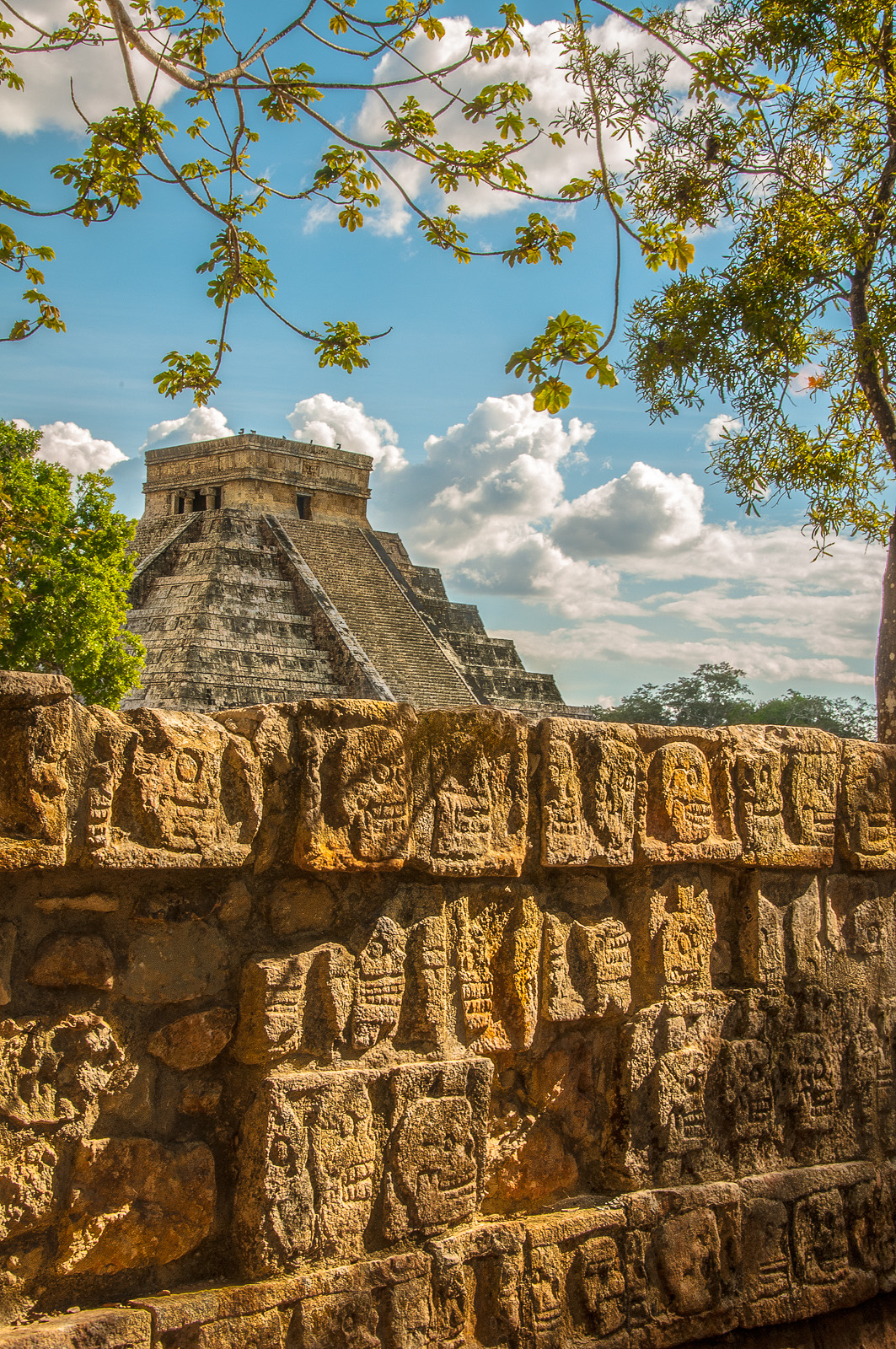
About two hours east of Mérida, Chichén Itzá is the best known and most visited site in Mexico, and the pyramid of El Castillo is the picture most people have in mind when they think of the Maya. The site is large, with the Great Ball Court, the Temple of the Warriors and the Observatory alongside the main pyramid, and it rewards a guide who can explain the astronomy and the carvings. The trade-offs are crowds, heat and shadeless paths, and the fact that the pyramids cannot be climbed. Go at opening or in the last hours of the day, and read the ticket rules, because admission has a federal part and a state part and some tours do not include it. Most first-time visitors should see it, and the easiest way is a day trip that adds a cenote and a colonial stop.
Uxmal: the architecture
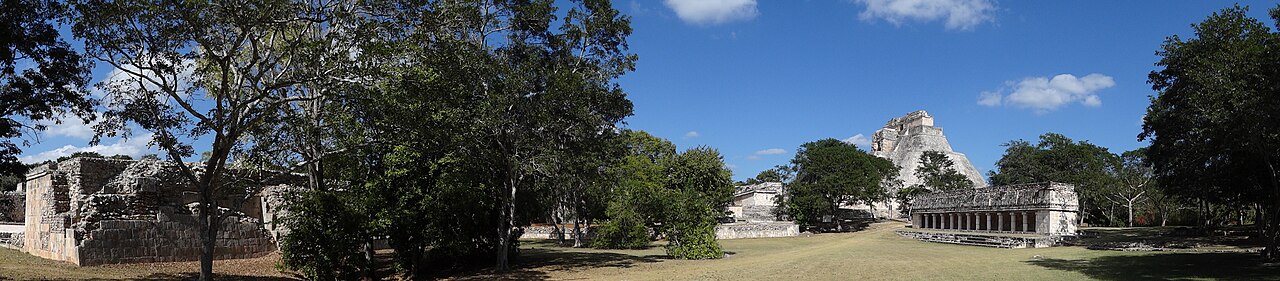
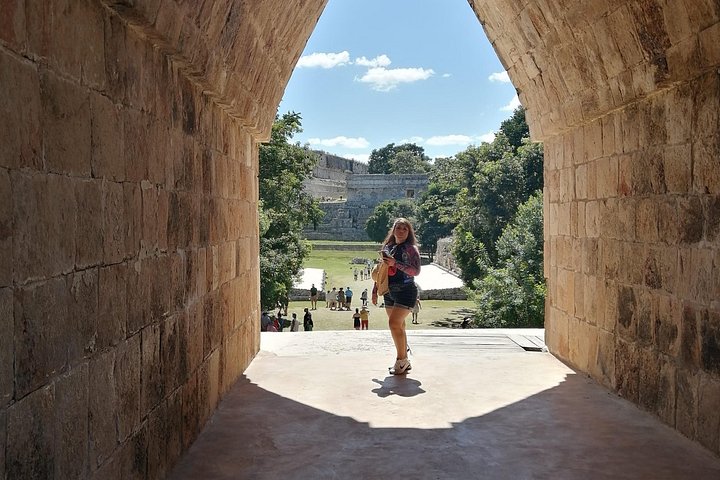
About an hour and fifteen minutes south, Uxmal is often described as the finest example of the Puuc style, with smooth lower walls and richly carved upper friezes. The Pyramid of the Magician, with its rounded profile, and the long Nunnery Quadrangle are the stars, and the Governor's Palace has a magnificent facade. Uxmal is quieter than Chichén Itzá, has more shade and gives you a better sense of an ancient city's layout. If you only have time for one site and prefer atmosphere to fame, many travellers choose Uxmal. It also fits a morning visit with lunch at a hacienda on the way back.
The Puuc Route: the quiet ones
South of Uxmal, a string of smaller sites, including Kabah, Sayil and Labná, show the same architectural tradition at a smaller scale. Kabah is known for a long facade covered in hundreds of mask-like carvings of the rain god Chaac, Sayil for its multi-storey palace and Labná for a ceremonial arch. They are often almost empty, which makes them a pleasure for people who like to explore at their own pace, and they combine well with Uxmal in a single long day or an overnight in the area. They are less suited to travellers who want one big headline moment.
Ek Balam: the carvings and the cenote
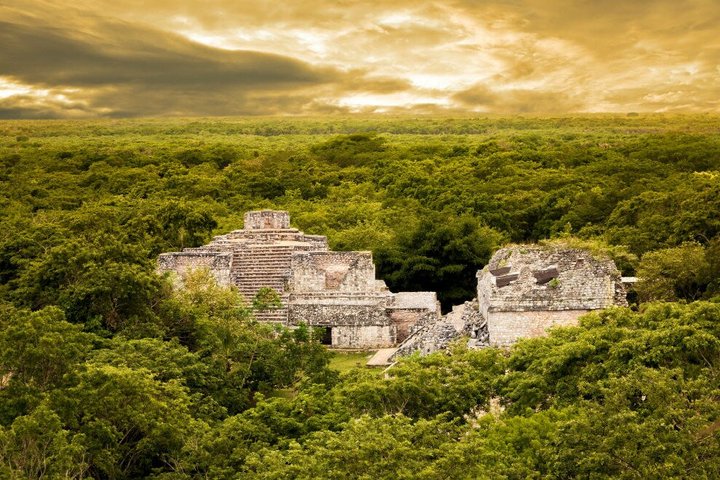
Northeast of Mérida, near Valladolid, Ek Balam is a smaller site with remarkable stucco work and a large acropolis. It is usually paired with a cenote swim and a visit to Valladolid, which makes it a good alternative if you have already seen Chichén Itzá or want a quieter day. Rules on climbing change from time to time, so check on the day before you plan around it.
How to combine them
The key is to avoid doing two big sites in one day. A sensible three-site plan is Chichén Itzá on one day with a cenote and Izamal, Uxmal on another day, perhaps with the Puuc Route if you are driving, and a lighter day in Mérida in between. If you have a fourth day, add Ek Balam with Valladolid and its cenotes. Travellers short on time can do Chichén Itzá and Uxmal and still leave with a full picture of the Maya world, while those staying a week can add the smaller sites and take them slowly.
Guided or independent
For Chichén Itzá, a guide adds a great deal, because the site has many layers of meaning that are not obvious from the signs. For Uxmal and the Puuc sites, a guide helps but is less essential, and a hire car gives you flexibility. If you are going without a car, choose a small-group tour that handles transport and tickets, and read the inclusions so there are no surprises at the gate. Whichever you choose, bring a hat, water and sunscreen, wear comfortable shoes and carry pesos for small purchases.
Timing and the season
The dry months from about November to March are the most comfortable for exploring ruins, because the midday heat is gentler. In the summer, start at opening and finish by early afternoon, since the heat and humidity build and storms can arrive in the afternoon. In every season, mornings are best for light and for crowds.
The museum as a primer
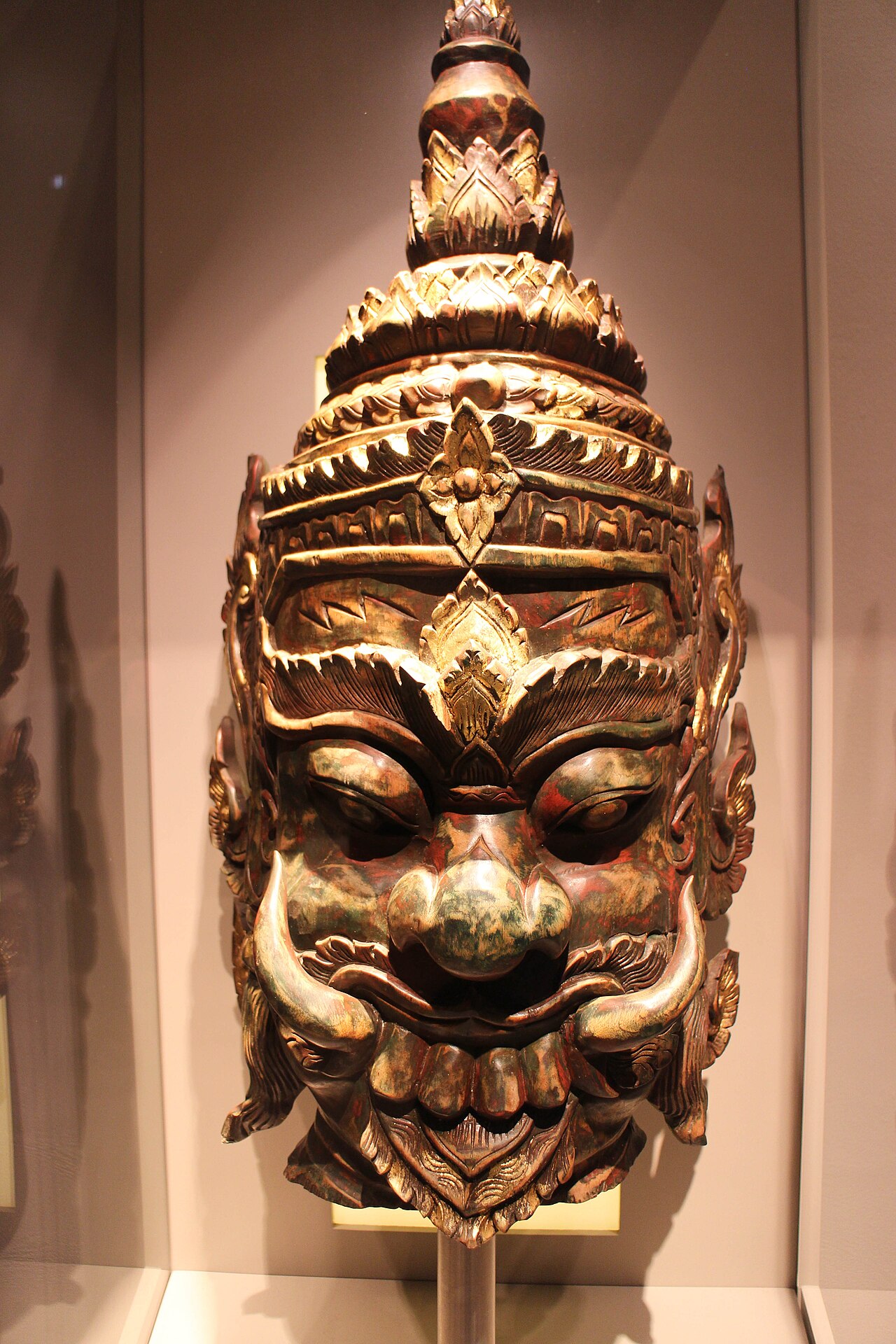
If you want to understand what you are seeing, visit the Gran Museo del Mundo Maya in Mérida first. It explains the calendar, the writing system and the iconography that you will meet at every site, and it is a cool, air-conditioned way to spend a hot afternoon before a ruins day.
A simple rule
If you can only see one site, make it Chichén Itzá for fame or Uxmal for atmosphere. If you can see two, take both. If you can see three, add a Puuc stop or Ek Balam, and pair each day with a swim or a meal so that the trip feels varied rather than repetitive.