The dabbawalas of Mumbai run one of the most admired delivery networks in the world, and you can see it working with your own eyes. Every working day, thousands of carriers collect home-cooked lunches from kitchens across the suburbs, sort them at railway stations using a simple system of painted symbols and colours, carry them by local train and then deliver them by bicycle, handcart and on foot to offices in the south of the city, before returning the empty boxes the same afternoon. The network has been running for well over a century, relies on teamwork and memory rather than technology and has become a case study in business schools. A guided walk built around the dabbawalas takes you to the places where this happens, introduces you to the people behind it and explains the codes on the boxes. It is a fascinating, human way to understand how Mumbai actually works, and a good companion to the city’s monuments.
How to visit
Dabbawala experiences are offered as guided walks, usually in the late morning around the stations and streets of South Mumbai, timed to catch the collection, sorting and delivery as it happens. The walk is run by a local guide who arranges the meetings, so book ahead and confirm the meeting point and start time when you reserve. Because the lunchbox round runs to a tight schedule, the timing matters more than for most tours, and operators may change the route to fit the day’s activity.
What to expect
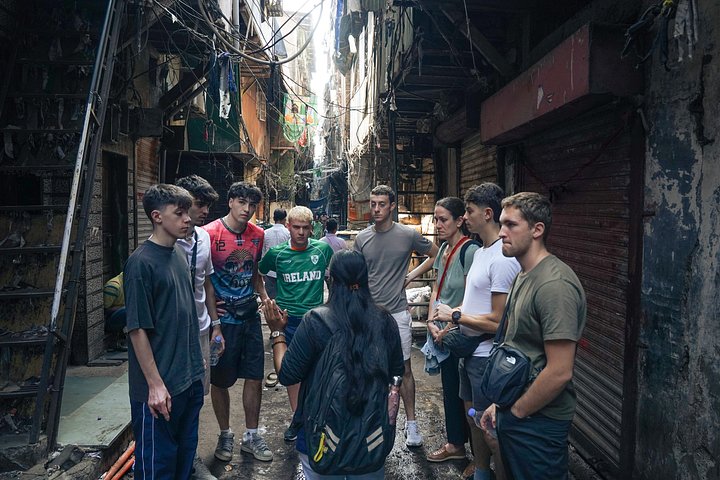
You will stand on busy pavements and station approaches while carriers load crates on to bicycles and handcarts, hang boxes on poles and sort them by the markings on the lids. The guide explains the system of codes, the roles within each group of carriers, the commuter trains that carry the load and the way mistakes are almost unheard of.
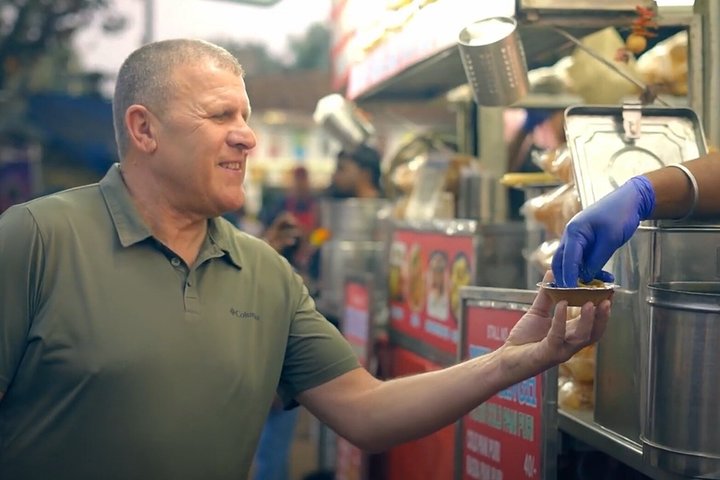
Depending on the route, you may also see parts of the old commercial district, a street market or a heritage building along the way, and some versions finish with a meal. Ask what is included when you book, as the format varies between operators.
Making the most of it
Wear comfortable shoes, carry water and a small bag, and be ready for crowds, heat and noise. Treat the dabbawalas as people at work rather than as a photo opportunity, and ask before taking close-up pictures, as they are on a tight timetable and every minute counts. If you are interested in the city’s hidden systems, combine this with the Dhobi Ghat for a morning of working Mumbai, or follow it with lunch in the Fort district.
Who it suits
Curious travellers, food lovers, anyone interested in how cities work and visitors who like their sightseeing to involve real people rather than monuments. It is a good choice on a weekday, when the lunchbox rounds are running, and it is generally not suitable for a Sunday, when the network rests, so check the operator’s schedule.
Why it is worth your time
Most of Mumbai’s famous sights are things you look at, whereas the dabbawalas are something you watch happening. The system runs on trust, routine and a shared sense of pride, and seeing it up close leaves many visitors with a new respect for the people who keep the city fed. It also gives context to the commuter crowds you will see at the stations on any other day of your trip.
What to expect
The experience
A guided walk through South Mumbai’s stations and streets to watch the lunchbox collection, sorting and delivery system and meet the people who run it.
Best time
A weekday late morning, when the lunchboxes are being sorted and delivered. The network normally rests on Sundays.
How long
Roughly two to three hours, depending on the route and whether a meal is included.
Tips
Confirm the meeting point and timing when booking, wear comfortable shoes, and ask before photographing carriers at work.
Quick picks
- Best for
- Curious travellers and food lovers who like to see how a city really works.
- Families
- Good for older children who enjoy watching a system in action, though the pavements are busy and hot.
- Couples
- A memorable, offbeat weekday morning with plenty to talk about afterwards.
- Pair with
- The Dhobi Ghat, or lunch in the Fort district.
- Time needed
- A morning.
Good questions
What is a dabbawala?+
A dabbawala is a carrier who delivers home-cooked lunchboxes to office workers in Mumbai. Boxes are collected from homes, sorted at railway stations by coded markings, carried by train and then delivered by bicycle, handcart or on foot.
Can tourists see the dabbawalas at work?+
Yes, guided walks take visitors to the stations and streets where the boxes are sorted and delivered. Timing matters, so book ahead and confirm the meeting point.
What day is best for a dabbawala tour?+
A weekday, when the lunchbox rounds are running. The network normally rests on Sundays, so avoid that day.
Is it polite to photograph the dabbawalas?+
Ask first, especially for close-up pictures. Carriers work to a tight schedule, so give them space and do not block the pavement.
How long does a dabbawala experience last?+
Most last around two to three hours. The exact length depends on the route and whether the tour includes a meal.