Mahalaxmi Dhobi Ghat is one of Mumbai’s most photographed working places and one of the few that is at its best seen from the inside. Spread across a low patch of ground beside the railway line, it is a grid of several hundred open stone washing pens, each with a flogging stone, where families of dhobis soak, scrub, beat and rinse laundry from hotels, hospitals and homes across the city. Lines of sheets, uniforms and towels in every colour are strung out to dry on the ground around the pens, and the whole scene hums with the slap of wet cloth on stone. The washing tradition here goes back well over a century, and many of the workers come from families that have done this one job for generations. Seen from the footbridge near the station it looks like a vast patchwork; walked through with a guide it becomes a lesson in how a megacity keeps its linen clean. A guided walk is the best way to see it, because the lanes are narrow and wet underfoot and the guide handles introductions with the people who work there.
How to visit
The Dhobi Ghat sits right beside Mahalaxmi railway station on the western line, roughly fifteen to thirty minutes by taxi from Colaba depending on traffic. The classic free viewpoint is the road bridge by the station, which gives a wide look down over the pens without going in. To walk between the pens, most visitors join a short guided walk, which typically takes under an hour and often runs in the morning, when the work is at its busiest.
Because this is a place of work and people’s livelihoods, treat it as such: ask before photographing individuals, keep to your guide’s route and do not step on laundry that is laid out to dry.
What to expect
The ground is damp and uneven and the air is warm and soapy, so wear closed shoes you do not mind getting splashed. You will see washers standing in the pens beating cloth against the stones, others carrying huge bundles on their heads, and rows of drying lines stretching away. Guides usually explain how each load is marked with a code so that it finds its way back to the right owner, how the work is divided between washing, drying and ironing, and how the community lives and works in the surrounding buildings.
Many guides also take in nearby corners of the neighbourhood, so ask what your tour includes.
Making the most of it
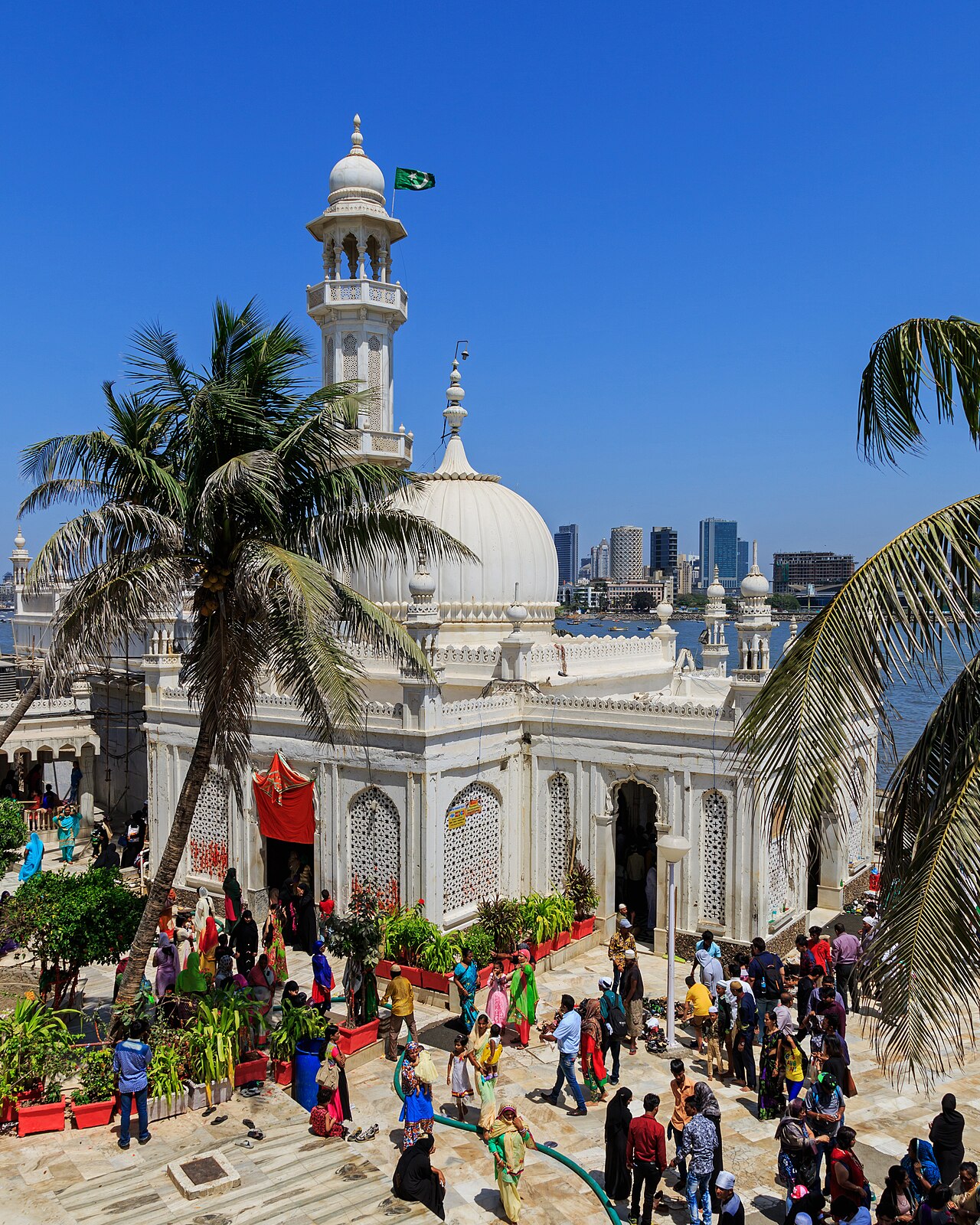
Go in the morning, avoid the middle of the day when the sun is fierce, and keep your belongings in a small bag, as the walk can be busy with other groups. The Dhobi Ghat pairs naturally with a Dabbawala experience, since both show the hidden systems that keep Mumbai moving, and with the Haji Ali Dargah, which is on the same side of the city. If you are visiting between June and September, check that the area is accessible after heavy rain, as the low-lying ground can flood.
Why it is worth the trip
Much of what makes Mumbai fascinating is not a monument but a system, and the Dhobi Ghat is one of the clearest. It costs little in time, it is vivid and photogenic, and it gives a respectful, human view of the city’s working life that complements the grand colonial buildings of the south.
What to expect
The experience
A short guided walk through the open-air washing pens beside Mahalaxmi station, with explanations of how the laundry system works.
Best time
Morning, when the washing is at its busiest and the heat is gentler. Outside the monsoon months the ground is easiest underfoot.
How long
Under an hour on the ground, plus the taxi ride from South Mumbai.
Tips
Wear closed shoes, ask before photographing people, keep to your guide’s route and carry a small bag.
Quick picks
- Best for
- Curious first-timers and photographers who want to see the working side of Mumbai.
- Families
- Older children usually find it fascinating, but the ground is wet and uneven, so watch young ones closely.
- Couples
- A vivid, offbeat morning stop that pairs well with a Dabbawala experience.
- Pair with
- The Haji Ali Dargah or a Dabbawala walk, both on the same side of the city.
- Time needed
- A short morning outing.
Good questions
Where is the Dhobi Ghat in Mumbai?+
It is beside Mahalaxmi railway station on the western line, in the middle of the city. The road bridge by the station gives a free view from above.
Can you walk inside the Dhobi Ghat?+
Yes, most visitors do so on a short guided walk, which takes you between the washing pens. It is a place of work, so follow your guide’s route and ask before taking photographs of people.
What is the best time to visit the Dhobi Ghat?+
Morning is best, when the washing is in full swing and the heat is lower. Avoid the monsoon months if you can, because the low ground can flood.
How long does a Dhobi Ghat visit take?+
The walk itself usually takes under an hour. Allow extra time for the journey from South Mumbai, which can be slow in traffic.
What should I wear to the Dhobi Ghat?+
Closed shoes you do not mind getting splashed, light clothing and a hat. The ground is damp and uneven between the pens.