Mumbai is a tropical coastal city, and the season you choose shapes almost everything about your trip, from how far you can walk to whether the Elephanta ferries are running. The year falls into three broad seasons, and each has its charms and drawbacks.
November to February: the best time
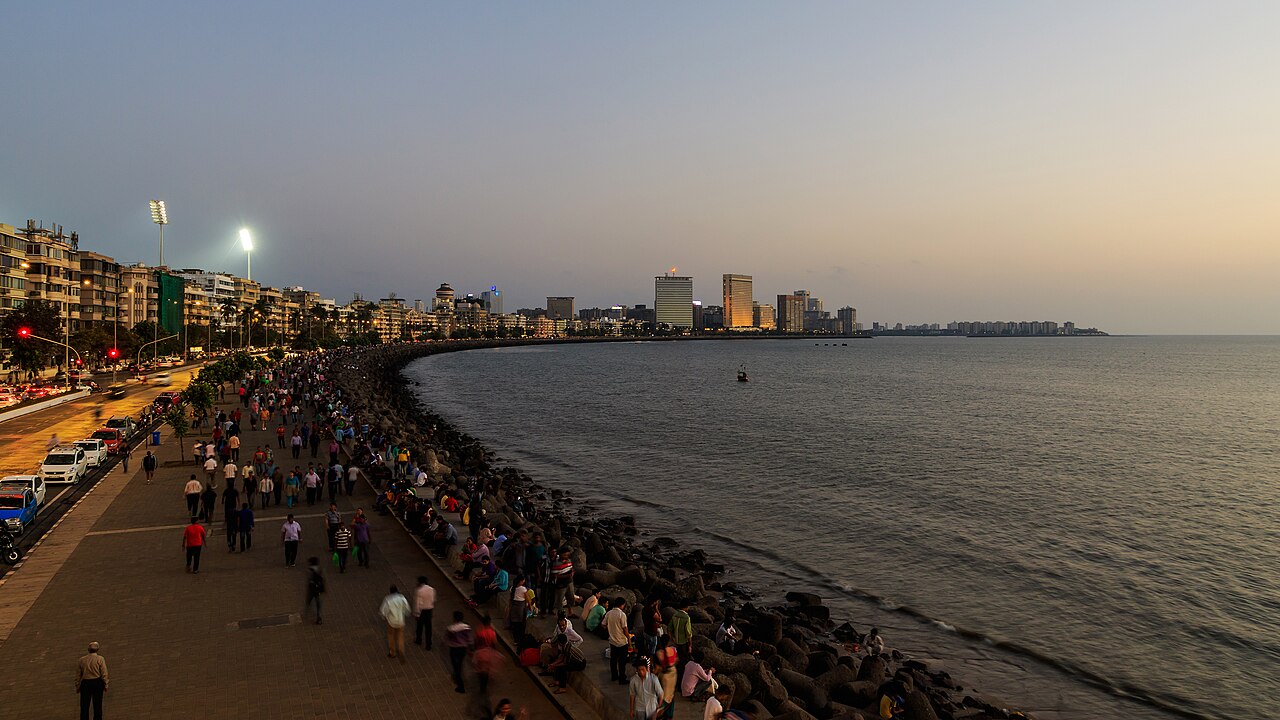
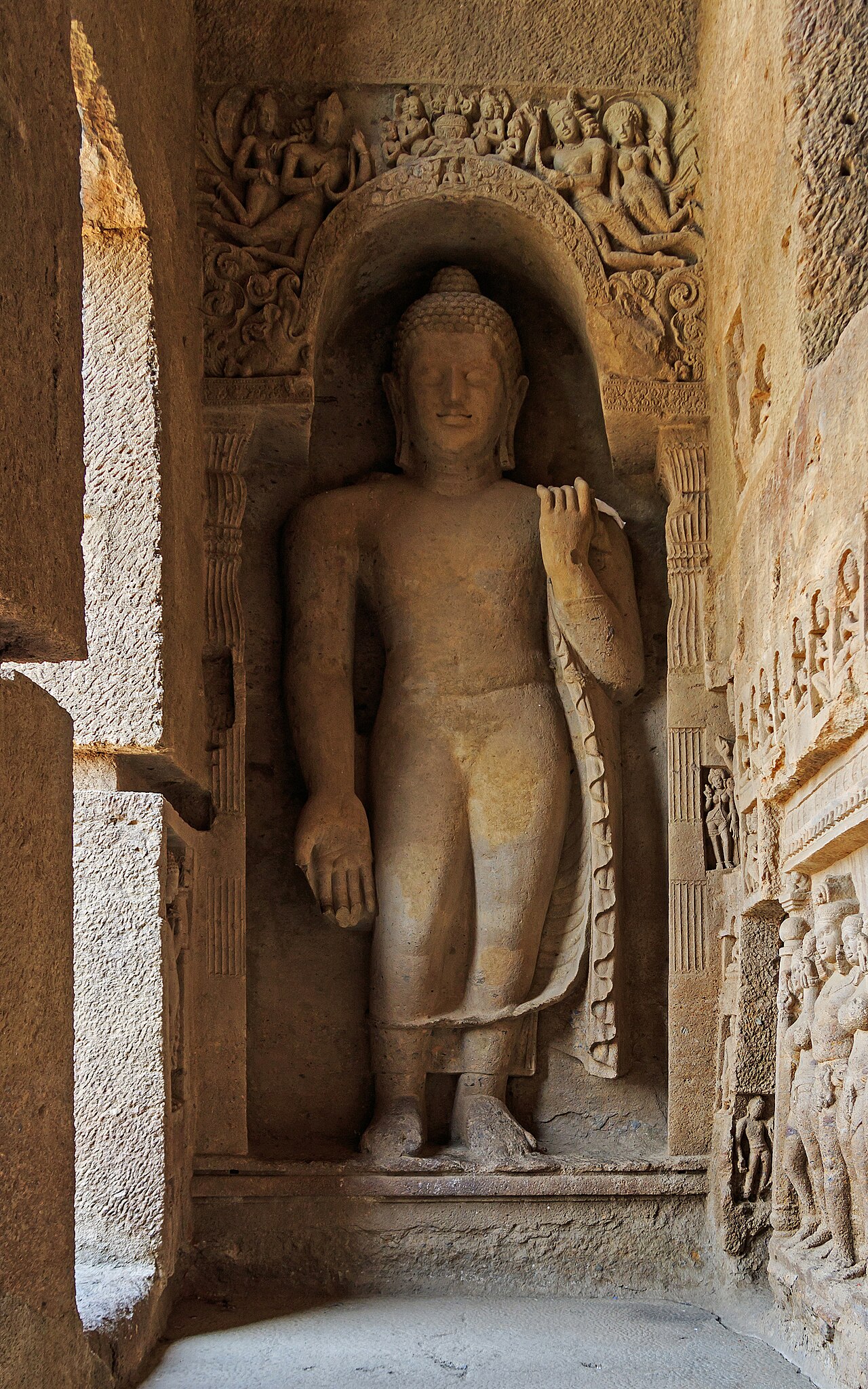
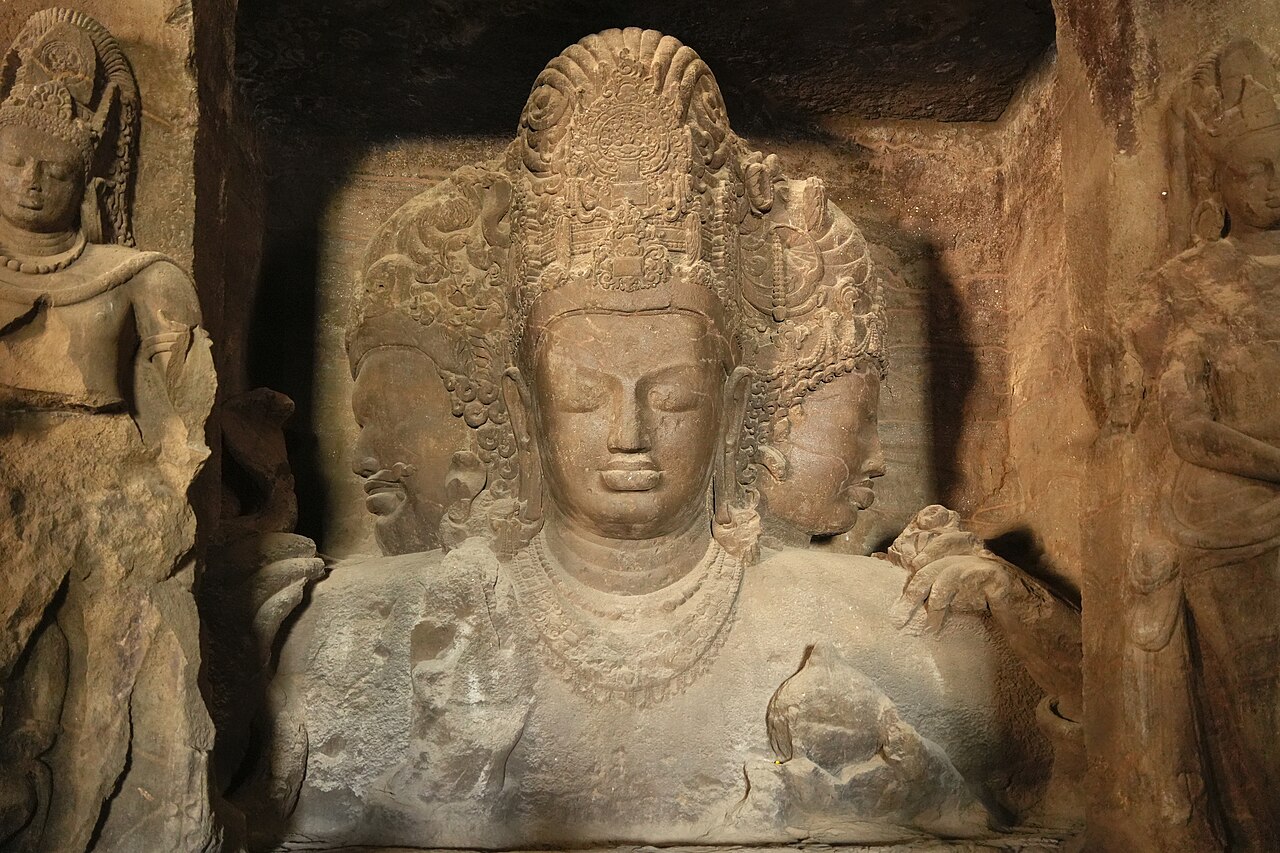
These are the cooler, drier months, and they are the most comfortable time for sightseeing. Days are warm and sunny, evenings are pleasant and the humidity is lower than at other times of year. This is the best season for walking South Mumbai, taking the ferry to Elephanta Island, climbing to the Kanheri Caves or the Karla and Bhaja Caves, and sitting on Marine Drive at sunset. It is also the busiest and most expensive season, so book hotels and popular tours well ahead, particularly around Christmas and New Year. Early mornings can be mild, so a light layer is useful, though you will rarely need more.
March to May: hot and humid
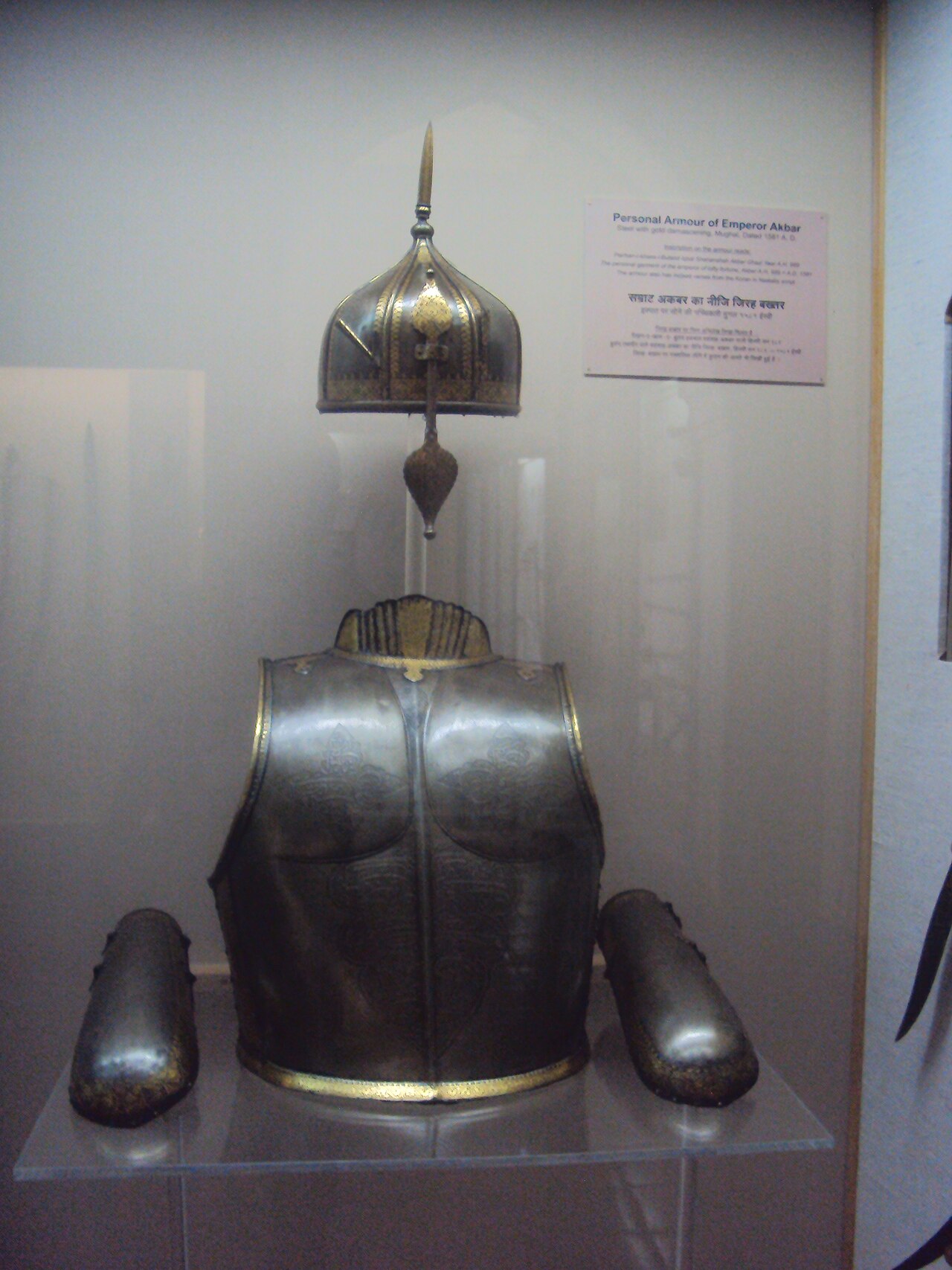
The temperature and humidity climb steadily through the spring, and by April and May the city is hot, sticky and tiring. Sightseeing is still possible if you start at dawn, break at midday in an air-conditioned museum or hotel, and go out again in the evening. The CSMVS museum is a good midday refuge, and sea breezes make Marine Drive pleasant after sunset. Carry water, wear light cotton and a hat, and plan fewer activities each day. Prices are usually lower than in the winter peak, and the crowds thinner.
June to September: the monsoon
The rains usually arrive in early June and last until September, and they define the season. Mumbai in the monsoon is dramatic: heavy downpours, dark skies, a green hillside and a rough sea. The streets can flood, trains and roads can be disrupted, and ferries to Elephanta Island are normally suspended in the worst of the weather, so check before you plan a visit. It is also the quietest season, with lower hotel prices and fewer tourists, and the hills around Lonavala and the caves at Karla and Bhaja are at their greenest, with waterfalls running. If you travel in these months, bring a rain jacket or umbrella, waterproof shoes and a flexible mindset, allow extra time for transfers and keep indoor options in reserve, such as museums, markets and food tours.
October: the transition
The rains fade and the humidity eases, but the days can still be hot, and the occasional storm lingers. It can be a good compromise month, with fewer visitors than the winter peak.
Festivals
Mumbai’s calendar is full of celebrations, and some will shape your trip. Ganesh Chaturthi, in late summer, fills the city with huge decorated idols and ends with spectacular processions to the sea, and it is one of the most memorable times to be here, though it also brings road closures and crowds. Diwali, the festival of lights, usually falls in October or November and brings lamps, sweets and fireworks. Navratri brings nights of dancing, and Eid and Ramadan transform the food lanes around Mohammed Ali Road. Dates move each year, so check the calendar when you plan, and book accommodation early for the big festivals.
Closing days to remember
Weekly closures matter more than seasons for many sights. The Elephanta Caves are normally closed on Mondays, Sanjay Gandhi National Park, which holds the Kanheri Caves, is closed on Mondays, and Ajanta and Ellora have their own weekly closing days. The CSMVS museum is open daily except for a few national days. Check hours the day before you go.
Packing by season
In the cool season, light cotton clothes, a thin layer for evenings and comfortable walking shoes cover almost everything. In the hot months, add a hat, sunglasses, high-factor sunscreen and a refillable bottle. In the monsoon, pack a compact umbrella or rain jacket, quick-drying clothes and shoes with good grip, and keep your electronics in a waterproof pouch.
Picking your month
For the easiest trip, come between November and February and book early. For lower prices and thinner crowds, choose March or October, accepting more heat or the odd storm. For drama, greenery and bargains, try the monsoon, with a flexible plan and a good raincoat.
Time of day matters too
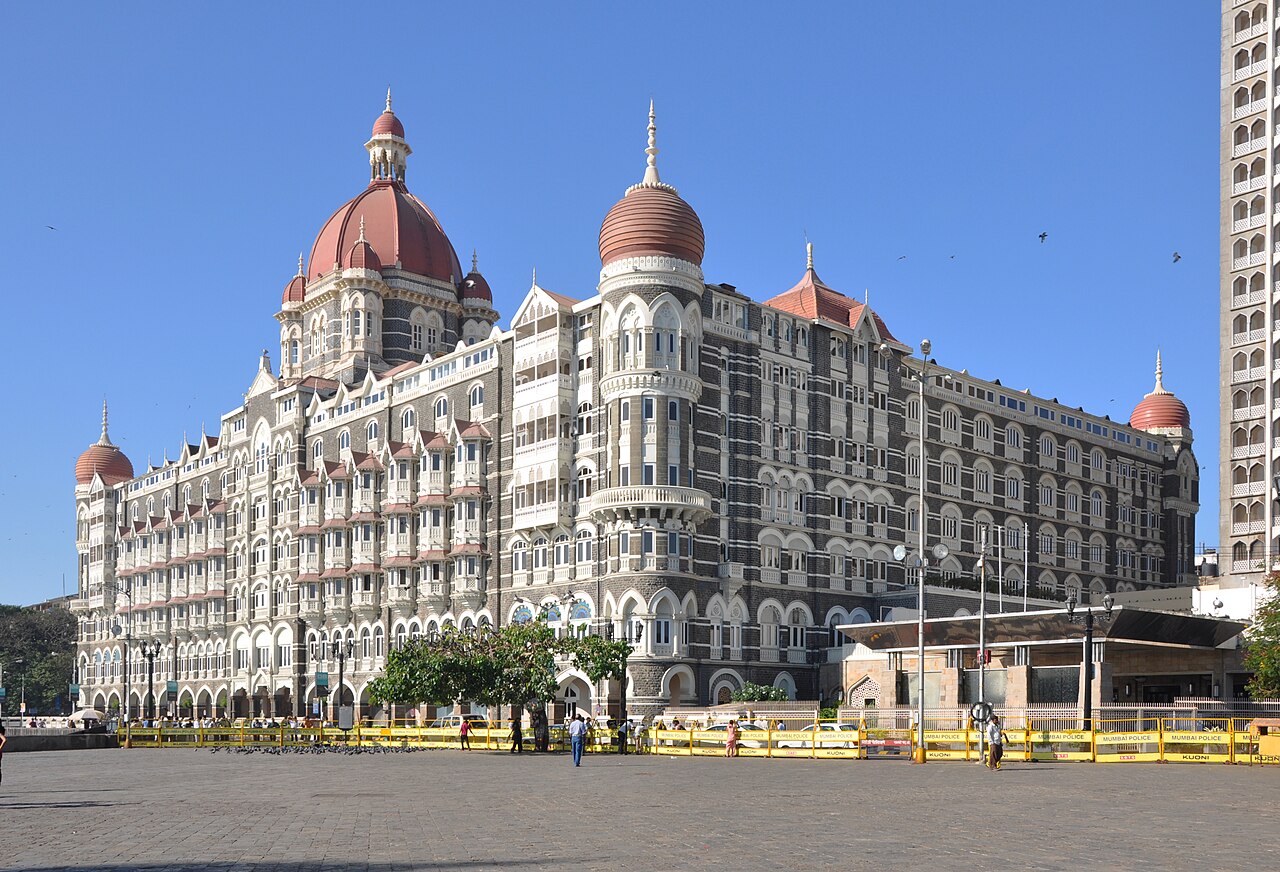
Whatever the season, the best light and the coolest temperatures are early in the morning, and the traffic is lightest then as well. Plan your outdoor sights for the first part of the day, keep the middle for museums, lunch and rest, and save Marine Drive, the Gateway of India lit up and the street food tour for the evening.