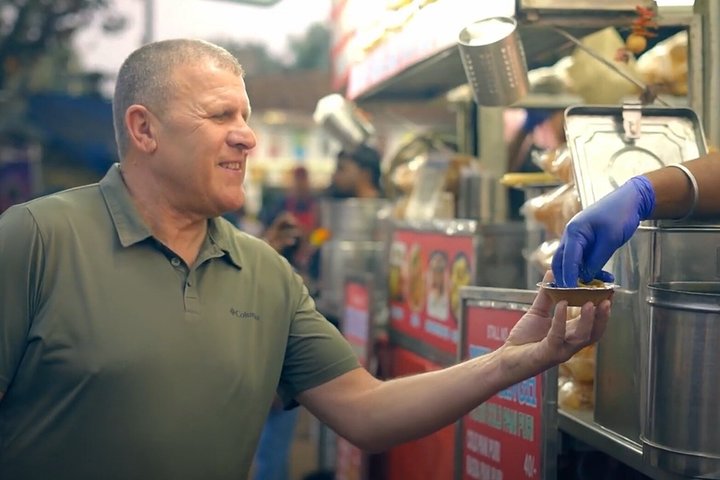
Mumbai is one of the great food cities of Asia, and much of its best eating happens on the street, at market stalls and in small, old-fashioned cafés rather than in grand restaurants. The city’s food reflects its history as a port that drew in Gujarati and Marathi families, Parsi traders, Goan cooks, Irani café owners and migrants from every part of India. Here is how to eat well on a short visit.
Start with the classic snacks
Vada pav, a spiced potato fritter in a soft bun with chutneys, is the city’s signature snack and the best first order. Pav bhaji, a buttery mashed vegetable curry served with toasted rolls, bhel puri, a crunchy mix of puffed rice, onion, tamarind and chutney, and pani puri, hollow crisp shells filled with spiced water, are the other essentials. Sev puri, ragda pattice and dahi puri are worth trying once you have the basics. Most of these cost very little and are made fresh in front of you, so choose stalls with a steady queue and a high turnover.
Join a food walk
The easiest way to try street food with confidence is to join a guided tour. The evening street food tour that starts near Churchgate and runs through to Mohammed Ali Road takes in several stalls in one go, with a guide who chooses places that are popular and clean and explains what you are eating. During Ramadan, the lanes around Mohammed Ali Road are famous for evening feasts of kebabs, bheja fry and sweet dishes, and are a spectacle in themselves. Check the timing of any tour and tell the operator about any dietary needs when you book.
Walk a market
Crawford Market, in the Fort district, is a Victorian hall piled with fruit, spices and dry fruits, and it is a feast for the senses even if you buy nothing. A guided market walk that ends with a home cooking class turns the produce into a meal and lets you eat with a local family, which is often the most memorable meal of a trip. Mornings are best, and many stalls close on Sundays.
Try seafood and Mumbai’s regional kitchens
As a coastal city, Mumbai is known for Bombay duck, which is actually a fish, pomfret, prawns and crab, cooked in Koli, Goan, Malvani and Mangalorean styles. Look for restaurants that specialise in a single regional kitchen and ask what is freshest. Parsi dishes such as dhansak, patra ni machhi and berry pulao are another local speciality, best sampled in the city’s old Parsi cafés and restaurants.
Irani cafés and the chai habit
The old Irani cafés, with their bentwood chairs, mirrors and glass cases, are among the city’s most atmospheric places for a break. Order sweet milky chai with a bun maska, a soft bun with butter, or keema pav and egg dishes, and linger. Many are shrinking in number, so go when you can.
By the sea
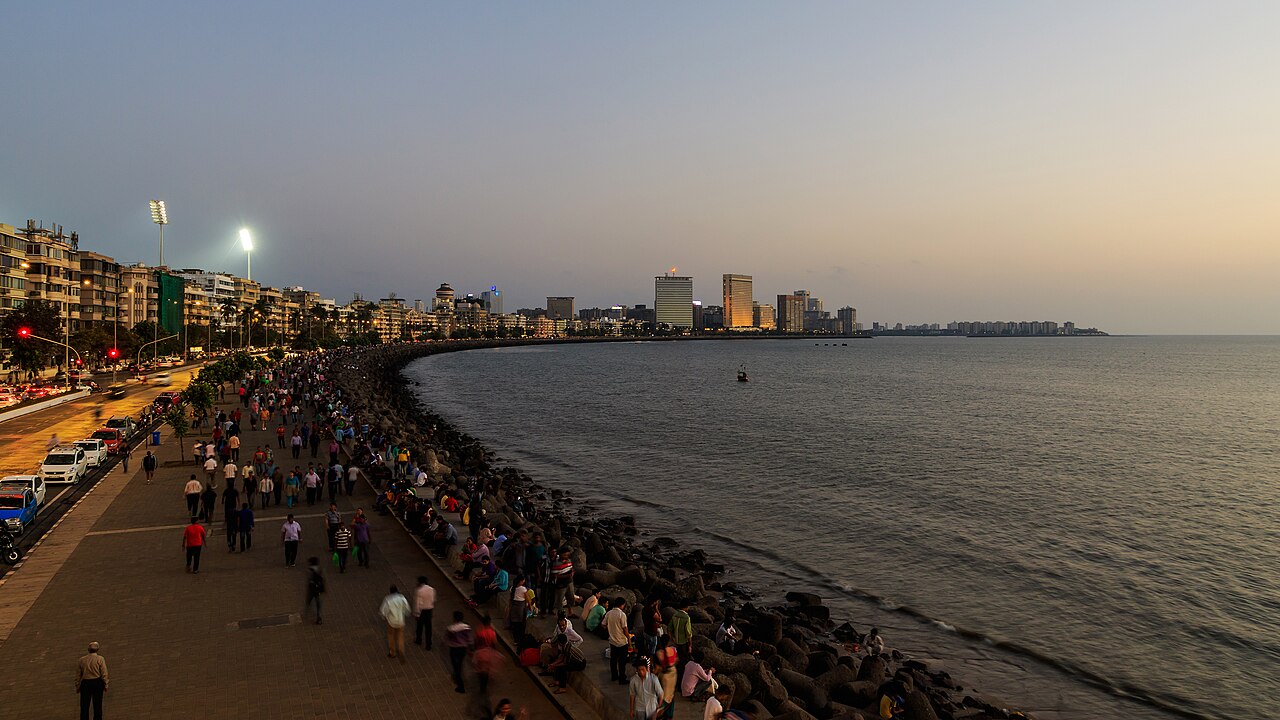
Girgaum Chowpatty and the Marine Drive promenade are the classic places for an evening snack by the water, with stalls selling bhel puri, kulfi and fresh coconut. Juhu Beach in the north has its own lively evening stalls. Go at sunset, watch the crowds and take your time.
Eating safely and comfortably
Choose busy stalls, eat food that is cooked fresh and hot, and be cautious with raw salads and ice. Drink sealed bottled water, avoid tap water and ask for no ice if unsure. Carry hand sanitiser and tissues, and start with milder dishes while your stomach adjusts. If you have food allergies, ask your guide or the restaurant to explain the ingredients, as nuts, dairy and gluten are common. Most places are cash-friendly, so carry small notes.
Drinks
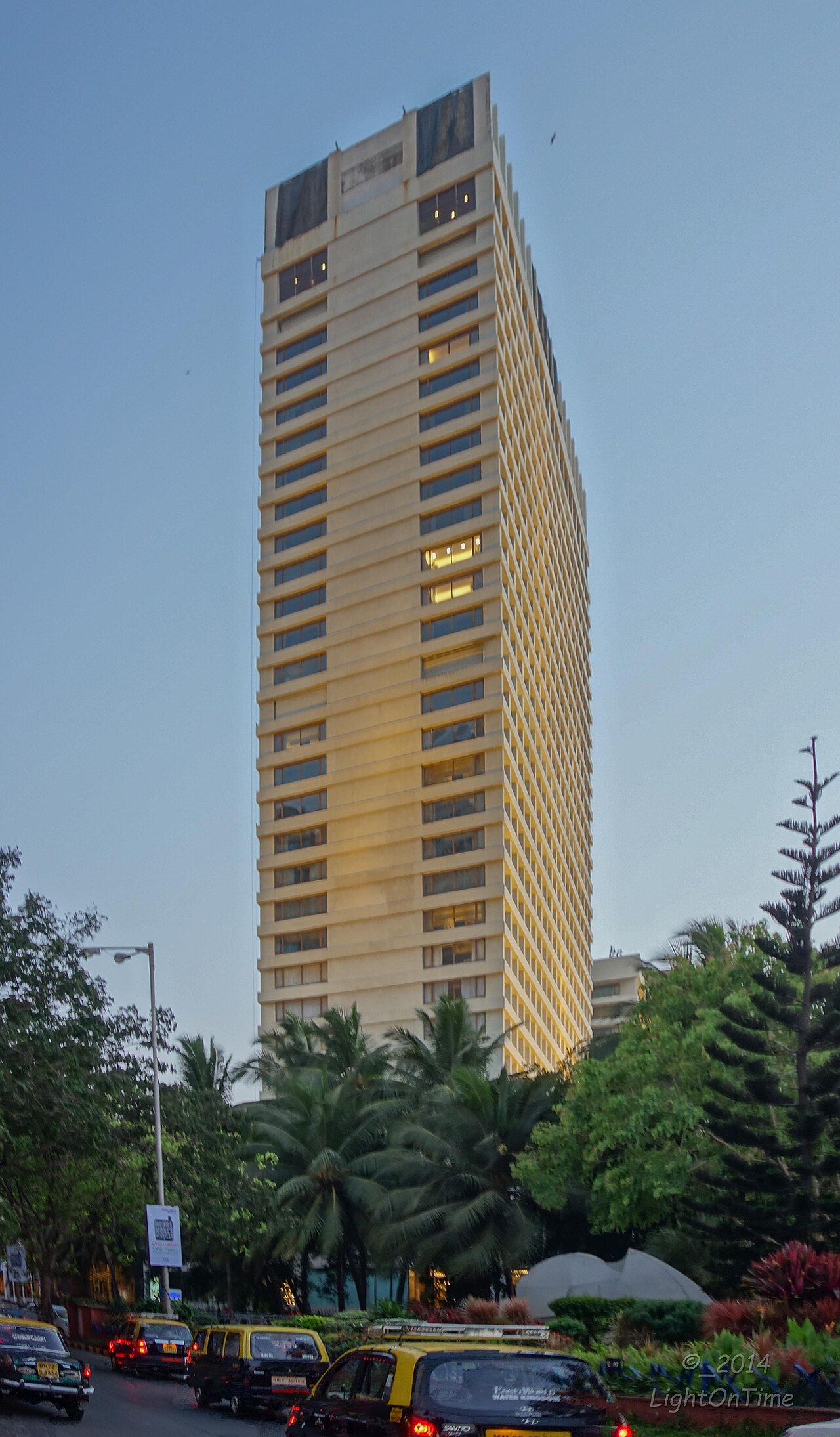
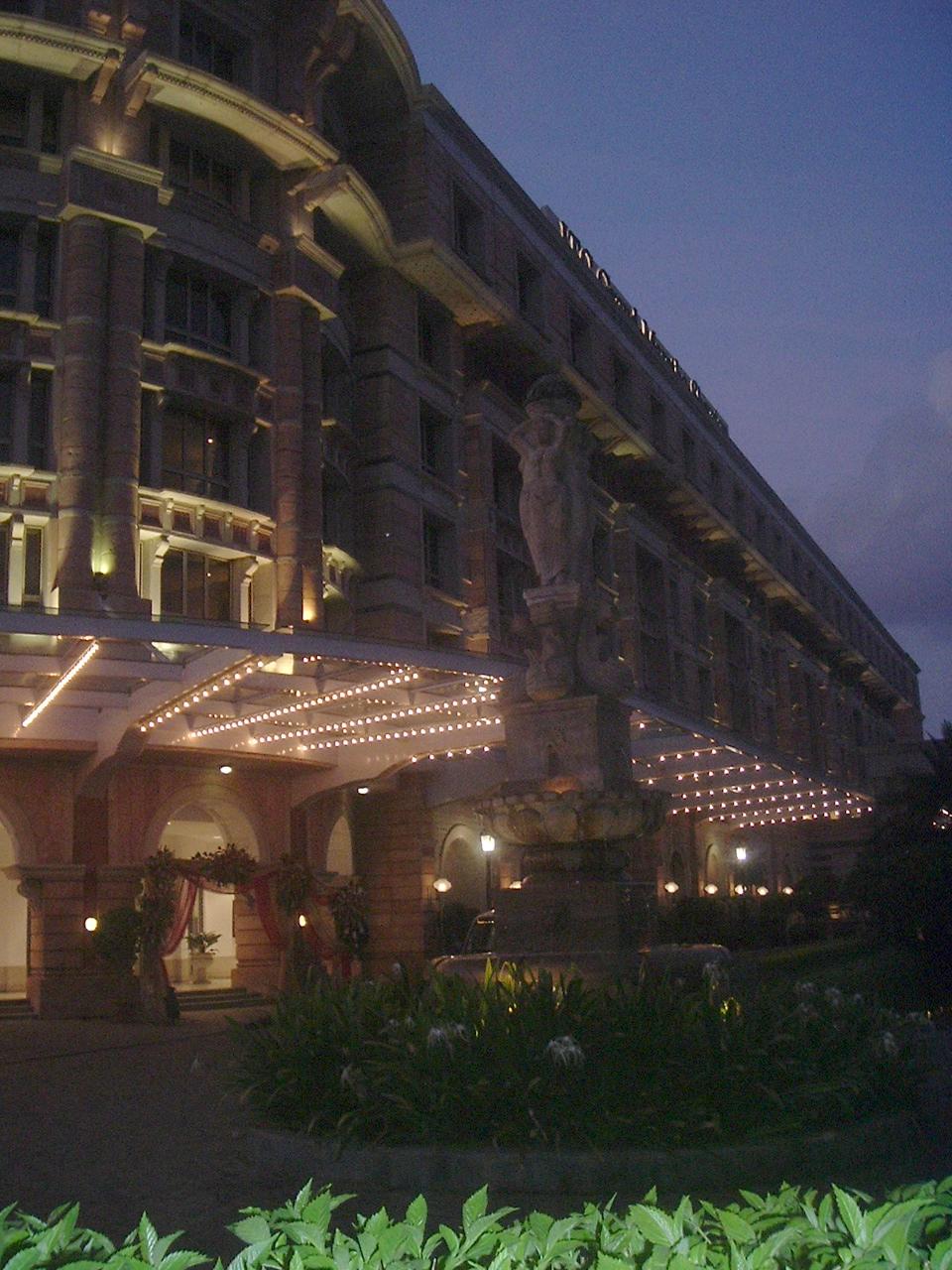
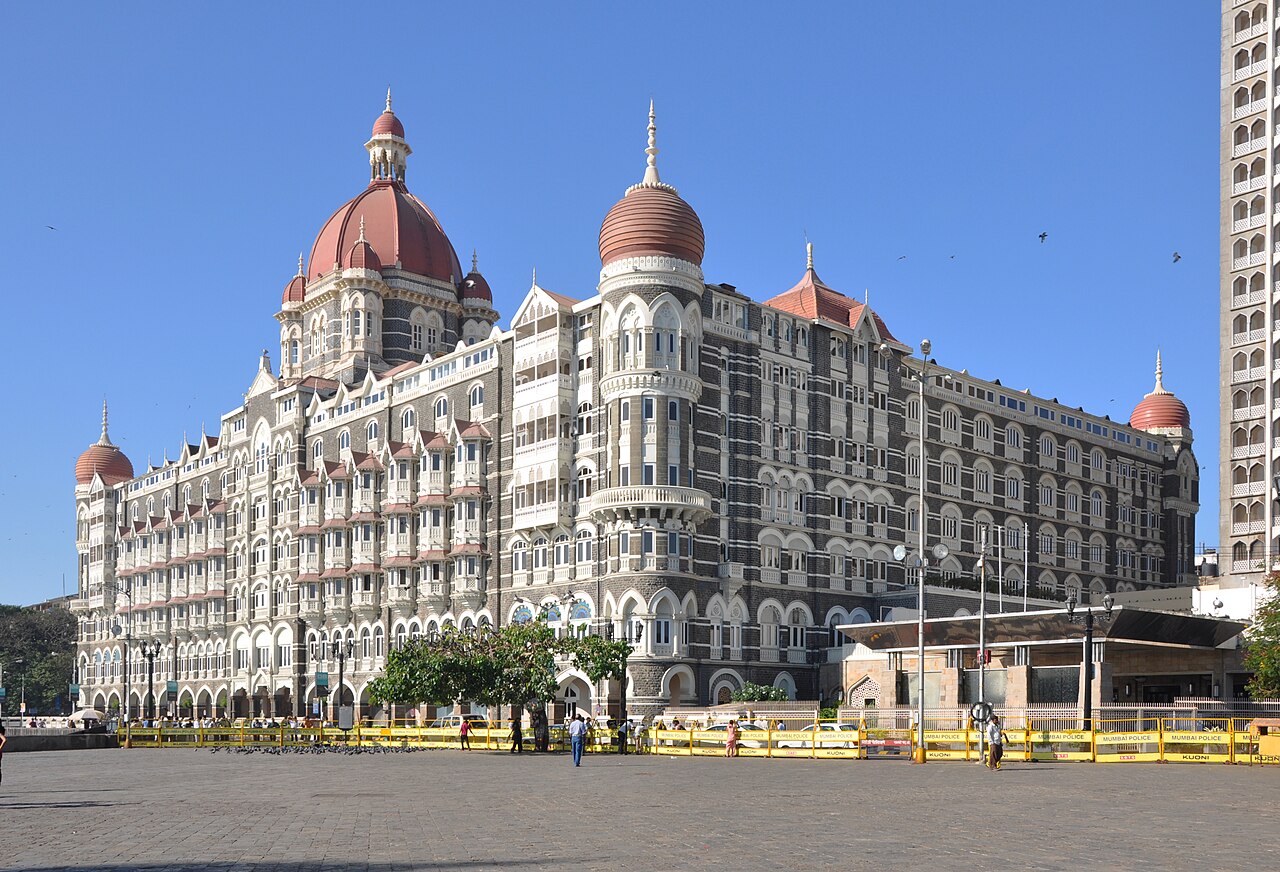
Fresh sugarcane juice, coconut water and lassi are the cooling choices on a hot day, and a cutting chai is the city’s everyday fuel. For something stronger, Mumbai has a lively bar scene, from rooftop lounges in the south to craft breweries in the suburbs, and hotels such as the Taj Mahal Palace and the Trident Nariman Point have well-known bars and restaurants. Alcohol rules and opening days vary, so check ahead.
A simple plan
Take a street food tour on your first evening, a market and cooking class on a morning, a seafood lunch in the Fort area, a tea and bun maska break at an old café and a sunset snack on Marine Drive. That covers the essentials in a few days and leaves room for your own discoveries.