Mumbai is a great base for day trips, and the region’s best excursions have a common thread: ancient rock-cut caves, carved into the hills and islands of western India over two thousand years ago. Some are within the city limits, some need a full day by road and the greatest need a few days. Here is how to choose.
Elephanta Island: the easy classic
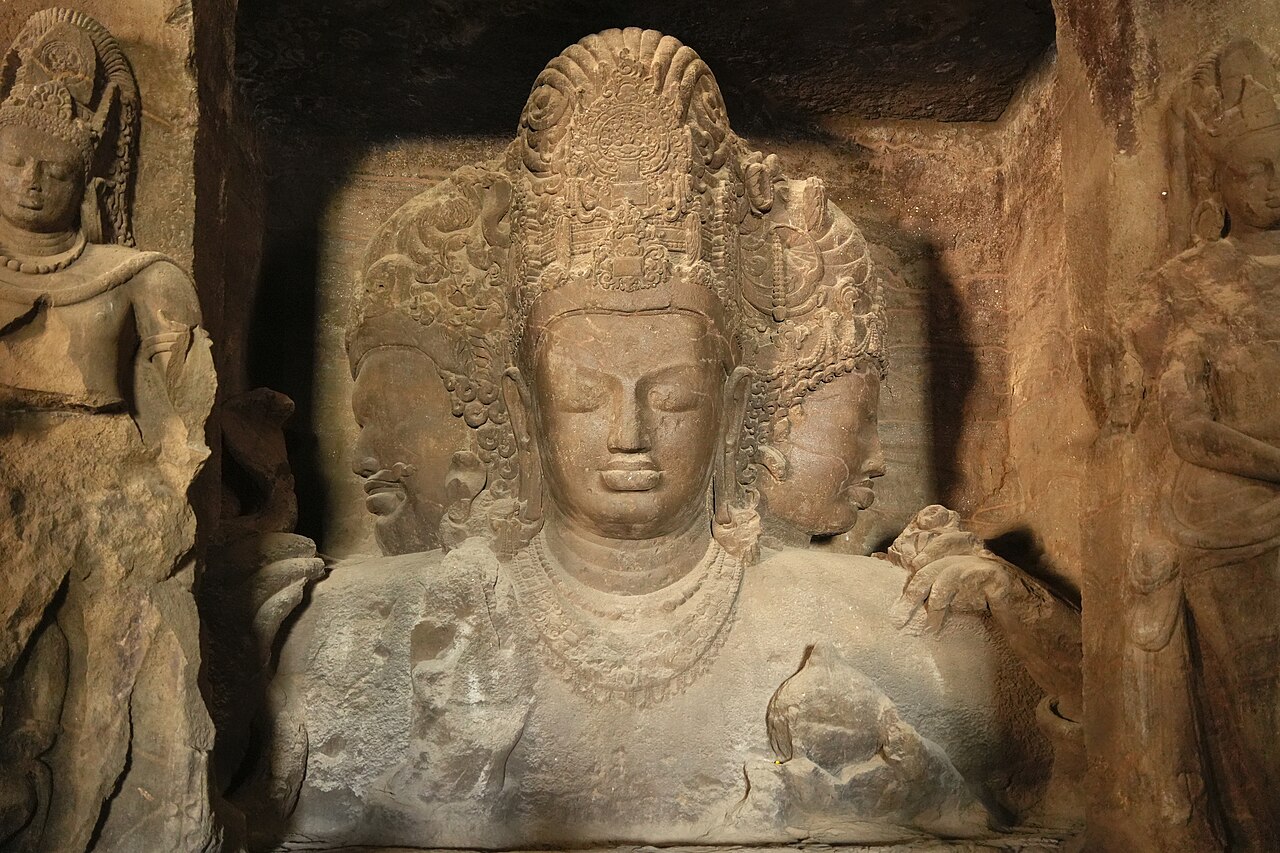
The ferry from the Gateway of India crosses the harbour in roughly an hour, and the island’s hilltop caves are the finest early Hindu rock sculpture near Mumbai. The Great Cave, with its giant three-faced Shiva, is the highlight. Allow around five hours door to door, go early, expect a climb of steps from the jetty and take water. The caves are normally closed on Mondays, and the ferries can be suspended in the heaviest monsoon weather, so check before you go. A guided tour that includes the ferry tickets, admission and a guide removes the queuing and explains the carvings.
Kanheri Caves: the wilderness inside the city
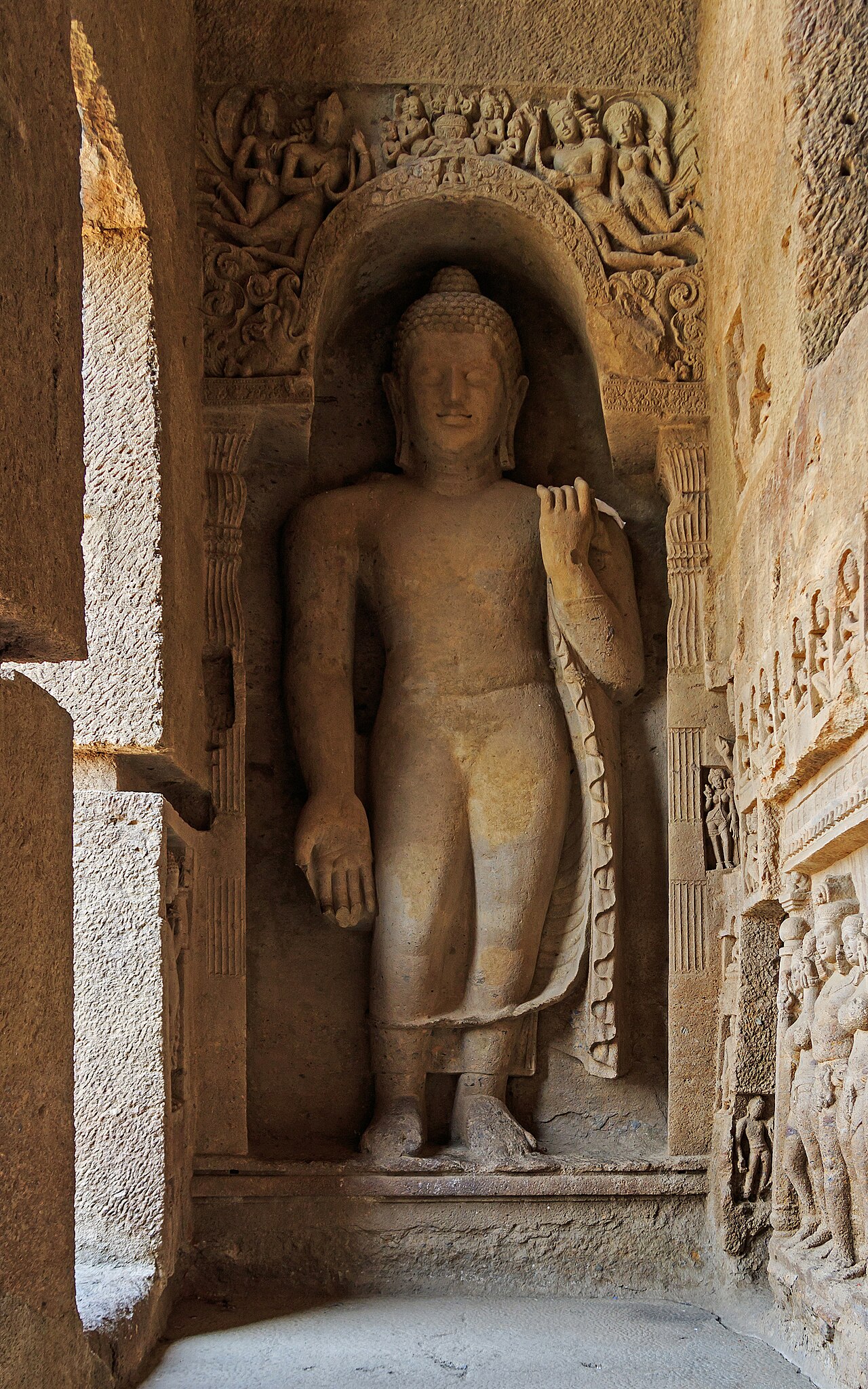
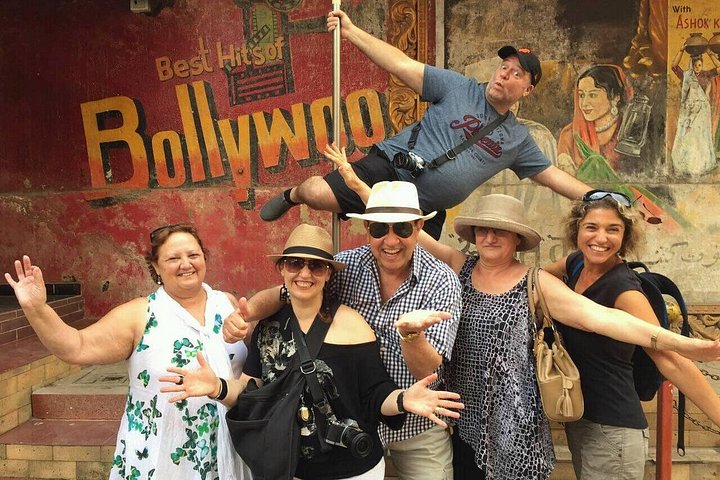
Inside Sanjay Gandhi National Park in the north of the city, more than a hundred Buddhist caves were carved into a forested hillside about two thousand years ago, and there is a remarkable system of rock-cut cisterns. It feels a world away from the traffic, with shaded paths, monkeys in the trees and views over the forest. The park is closed on Mondays, the paths involve stairs and slopes, and the journey from South Mumbai can take one to two hours each way, so a tour with hotel pickup is convenient. It combines well with the Bollywood studio at Film City in the same part of the city.
Karla and Bhaja Caves: a day in the hills
Around 100 kilometres from Mumbai, near the hill town of Lonavala, these two sites hold some of the finest early Buddhist architecture in India. Bhaja has a simple chaitya hall, cells and carved stupas reached by a climb, and Karla has the largest and best preserved chaitya hall of its kind, with tall carved pillars and a stone stupa under the original wooden ribs. The drive is two to three hours each way, so start early and treat it as a full day. Between October and March the weather is comfortable, while the monsoon turns the hills a vivid green, though the steps can be slippery.
Ajanta and Ellora: the grand tour
These two World Heritage sites near Aurangabad, several hundred kilometres east of Mumbai, are India’s greatest cave complexes. Ajanta has Buddhist halls decorated with painted murals, and Ellora has the Kailasa temple, a whole temple carved down from a single mass of rock. Most tours from Mumbai take two or three days with overnight stays, and some operators offer a very long one-day version using flights. Ajanta is normally closed on Mondays and Ellora on Tuesdays, so confirm the schedule when you plan.
Choosing between them
For a half-day with a view, take Elephanta. For a quiet, shaded morning inside the city, choose Kanheri. For the best-preserved ancient Buddhist hall within a day’s drive, go to Karla and Bhaja. For the greatest of all, commit to Ajanta and Ellora and give them the days they deserve. Many visitors do Elephanta and Kanheri on a short trip and keep the others for a return visit.
Booking and timing
Day trips are easiest to arrange the day before or earlier, particularly in the busy winter season, when drivers and guides are in demand. Ask what is included, whether admission fees, ferry tickets and meals are covered, and what time you will be back, so that you can plan your evening. If you are travelling with children or older relatives, choose Elephanta or Kanheri first, as they involve the shortest journeys.
Practical tips
Book a driver or a guided tour for anything outside the city, because public transport to the caves is slow and awkward. Start early to beat the traffic and the heat, wear sturdy shoes and carry water, a hat and sunscreen. Keep food out of sight, as monkeys are common at most of the sites. Always check weekly closing days, since they differ from site to site and a wasted journey is the most common mistake.
Making it a rhythm
A good pattern for a week in Mumbai is two days of city sights, one day trip, a day for rest, markets and food, and a final day for the experiences that make Mumbai itself, such as Dharavi or a Bollywood tour. That balance keeps the trip lively and avoids the fatigue that comes from too many long drives in a row.