The Nicoya Peninsula is a long, bent finger of land on Costa Rica's Pacific side, bounded by the Pacific on one side and the Gulf of Nicoya on the other. It is known for beaches that range from calm bays to surf breaks, for forested hills and ranch country inland and for a relaxed, unhurried atmosphere. This guide covers the central and southern parts of the peninsula, centred on Samara and Nosara in the middle and Santa Teresa, Mal Pais and Montezuma at the southern tip. The northern beaches around Tamarindo and Flamingo have their own guides on this site, so they are not repeated here.
Choosing a base
Samara is the easiest first stop. It has a calm, reef-protected bay, a walkable village centre, good restaurants and a wide range of activities, from kayaking and horseback riding to dolphin trips. Nosara, to the north, is known for yoga, surf and a spread-out jungle setting. Santa Teresa and Mal Pais, at the southern end, are surf towns with a hip, dusty, sunset-loving atmosphere, and Montezuma, on the southeast side, is a small, bohemian town with waterfalls nearby. Because distances between them are long on rough roads, most visitors choose one or two bases rather than trying to see all of them.
When to go
The dry season runs roughly from December to April and offers the most reliable sunshine, the clearest water and the biggest crowds. The green season, from May to November, brings afternoon showers, lush scenery, lower rates and quieter beaches, with the wettest months usually in September and October. Many travellers enjoy the green season, especially for wildlife and for turtle nesting in the second half of the year, but some roads and trails become muddy and a few services slow down. Whichever season you choose, mornings are usually the best time for outdoor plans.
What to do first
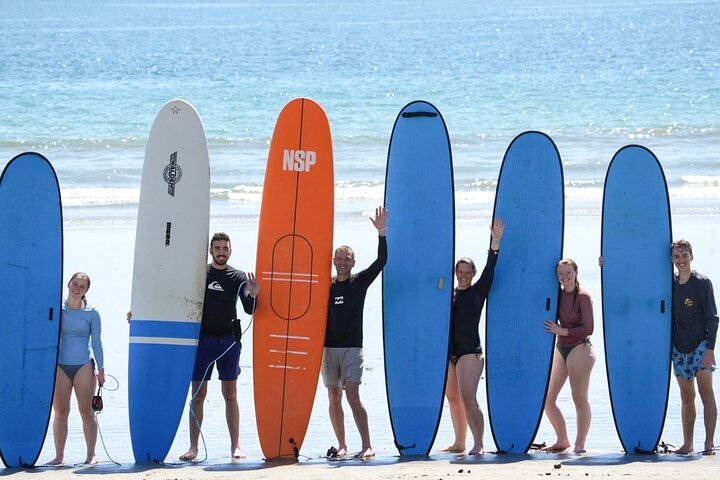
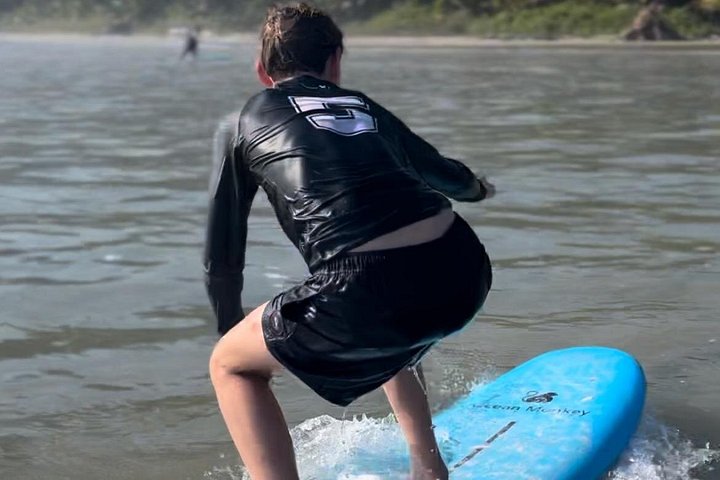
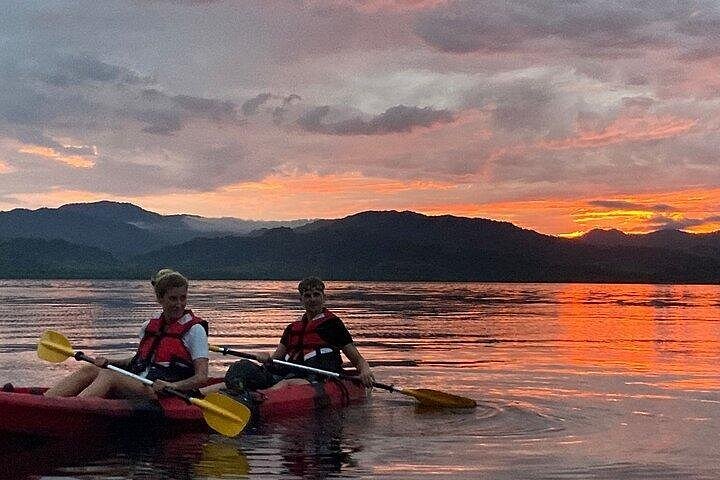
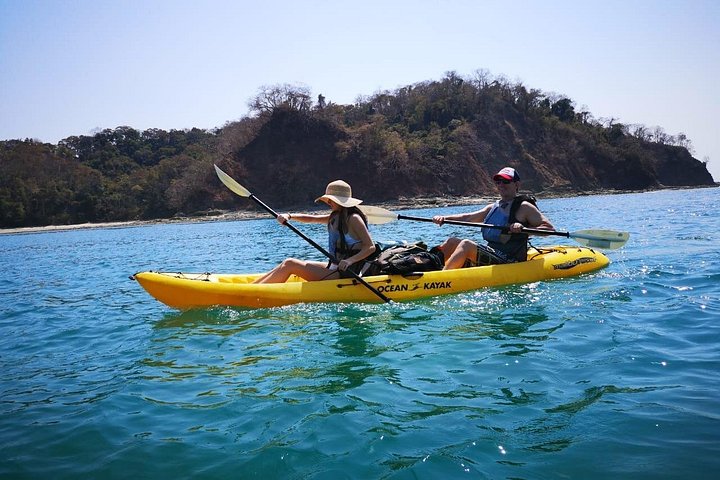
If you are in Samara, start with something on the water, such as a kayak to Isla Chora or a dolphin and snorkelling trip, to get your bearings. Add a surf lesson, since the bay is among the gentlest on the coast, and a horseback ride along forest tracks and beach. If you are in Santa Teresa, a surf lesson, a zipline or an ATV tour will fill a day, and a dawn walk in Cabo Blanco gives you a taste of the reserve. A bioluminescence kayak in the Gulf of Nicoya is an unforgettable night out.
Wildlife and nature
The peninsula has monkeys, sloths, scarlet macaws, coatis and a long list of birds, as well as sea turtles on the beaches in season. Guided walks improve your chances, and small-group tours tend to see more than independent wanderers. The mangroves near Samara and the wildlife refuge at Curu are both rewarding, and the forest reserves around Samara and Cabo Blanco protect important habitat. Keep your distance from animals, never feed them and follow local rules, particularly on turtle beaches.
What to book ahead
In the dry season and around Christmas, New Year and Easter, hotels fill early, so reserve accommodation well in advance, especially in Samara and Santa Teresa. Popular tours, such as bioluminescence paddles, Isla Tortuga and turtle outings, can sell out, so book a few days ahead. Airport transfers and ferry tickets are easier to secure early, and rental cars are in demand at peak times. Leave some room for spontaneity, since the best days often include a long lunch and an unplanned swim.
Money and practicalities
US dollars are widely accepted in tourist areas, but colones are handy for small purchases, taxis and local sodas. Cards work in most hotels and restaurants, but cash machines are limited in small towns, so withdraw cash when you can. Tap water is generally safe in towns, but many visitors drink bottled or filtered water. Bring reef-safe sunscreen, a hat, insect repellent, a light rain layer and closed shoes for trails. Roads can be rough and dusty, so allow extra time for every journey and avoid driving after dark where possible.
Respect the place
Costa Ricans take pride in their environment and in their culture of pura vida, a phrase that means pure life and serves as hello, goodbye and everything in between. Take your rubbish with you, avoid single-use plastics where you can, do not remove shells or plants, and keep noise low in residential areas. Support local businesses, from family restaurants to small tour operators, and be patient with the slower pace of service, which is part of the charm.
A simple first-trip plan
With a week, spend three or four nights in Samara or Nosara and three in Santa Teresa or Montezuma, using the ferry or a shuttle to link them. Do one water activity, one nature activity and one adventure in each, and leave at least one free day at each end for the beach, a hammock and good food. That balance gives you sea, forest and a taste of local life, without a schedule so tight that you forget to enjoy the place.