The Nicoya Peninsula is often described as one of the world's blue zones, a label used for regions where researchers have reported unusually high numbers of people reaching very old age in good spirits. The idea was developed by demographers and writers including Michel Poulain and Dan Buettner, who identified a handful of places around the world, and Nicoya was among those named. The phrase blue zone began as a blue pen circle on a map, and it has since become a popular shorthand. It is worth knowing that some demographers have questioned how reliably very old ages were recorded in rural Costa Rica, so the claims are best read as an interesting story rather than a settled fact. This guide is about culture and travel, not medicine, and nothing here is a health promise.
Where the story is centred
The researchers' attention fell mainly on the inland districts of the peninsula rather than on the beach towns, with Nicoya town and the hill community of Hojancha often mentioned. The coast that most visitors know, with its surf and resorts, is a different world from the ranches, farms and small towns of the interior. Nicoya town is a working centre with a central plaza, a colonial-era church that is one of the oldest in the country, shops and bakeries. Hojancha is smaller and greener, set in hills where reforestation and cooperatives have shaped local life. Neither is a tourist attraction in the usual sense, which is part of their appeal.
What locals and researchers point to
The explanations that come up most often are social rather than dramatic. A strong sense of purpose, often summarised by the phrase plan de vida, meaning a reason to get up in the morning, is one. Close family ties, with several generations living near each other and older people staying involved in daily life, is another. Many older residents stay physically active through farming, gardening, walking and household work well into their later years. Faith and community gatherings are important to many, and a relaxed attitude to time is common. Some accounts also mention the minerals in local water and the habit of eating a light evening meal, though these ideas are debated.
The food
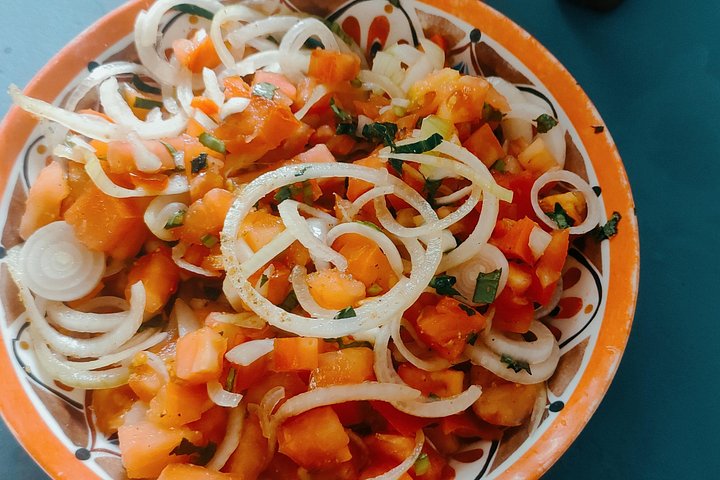
Traditional Nicoya cooking is built on a few humble ingredients. Corn, treated and ground to make tortillas, is central, often cooked on a wood fire. Black beans and rice come together in gallo pinto, the national breakfast. Squash, plantains, yuca and local fruit such as papaya, mango and the sweet, tart fruits of the dry forest appear at many tables. Meals are usually simple, home-cooked and shared, and meat is more of a side than a centrepiece. If you want to taste this style of cooking, a hands-on class with a local host in Samara is an excellent introduction, and small family-run sodas in inland towns serve the daily plate, called a casado, at a fair price.
Habits worth noticing
On a visit, you may notice how often people greet each other, how long meals last and how older residents are treated with respect rather than set aside. Early rising and early evenings are common. Work is often outdoors. Spending time in the sun, walking to the shop and tending a garden are part of the ordinary day. None of this is a secret formula, and visitors who go looking for one may miss the point. What is notable is how daily life is organised around people and place, and that is something any traveller can appreciate and take home in a small way.
What visitors can see and do
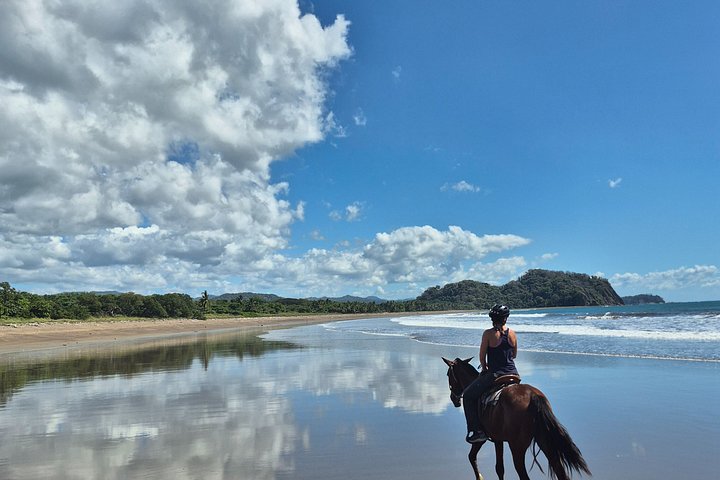
There is no theme park here, and that is a good thing. A day trip inland from Samara can combine a visit to Nicoya town's plaza and church with a meal at a local soda, a stop at a bakery or market and a drive through ranching country, where you will see cattle, ceiba trees and farms. If you are heading toward Hojancha, ask your hotel about local cooperatives, coffee producers or reforestation projects that welcome visitors. Horseback riding on the coast gives a glimpse of the sabanero tradition, and a cooking class shows the kitchen side of the story. Combine these with a rest day on the beach, and you have a well-rounded understanding of the peninsula.
Visiting respectfully
The people you meet are neighbours and elders, not exhibits. Ask permission before taking photographs of individuals, especially older people and children, and do not interview strangers about their age or health. Buy from local businesses, such as family restaurants, bakeries and farm stands, rather than expecting special treatment. Learn a few Spanish phrases, such as buenos dias, gracias and con permiso, and use them. Dress modestly in town and in churches, keep voices low in public spaces and follow local customs. If you join a tour, choose operators who work directly with communities and pay fair prices.
Practical notes
Inland towns are reached by road from Samara, Nosara or Liberia, and the drives are scenic but can take longer than expected on narrow, winding roads. Services such as cash machines, pharmacies and fuel stations are found in Nicoya town, with fewer in smaller communities, so carry some cash and fill up the tank. The dry season, roughly December to April, is hot and dusty, and the green season brings lush hills and afternoon rain. Bring water, sun protection and an open mind, and allow time for slow conversation if the chance arises.
A note on the name
The words blue zone are used here as a descriptive phrase for a region that researchers have written about. This guide has no connection with any commercial programme or brand that uses similar words, and it makes no claim about how long you will live. Treat the Nicoya story as one more reason to visit a welcoming part of Costa Rica and enjoy a good meal in good company.