For a place that is mostly known for beaches, the Nicoya Peninsula offers a surprising amount of wildlife. Dry forest, moist forest, mangroves, rocky reefs and quiet coves give a range of habitats, and with a little guidance you can see monkeys, sloths, scarlet macaws, dolphins and, in season, nesting sea turtles. This guide shows where to look and how to do it responsibly.
Sea turtles
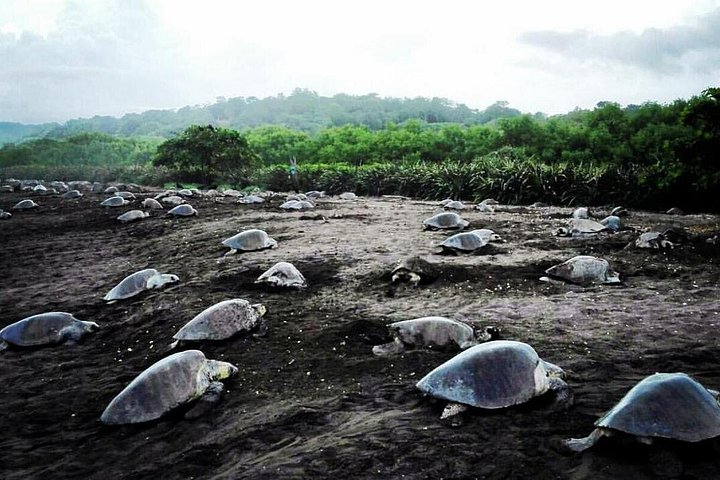
The Pacific beaches of Costa Rica are important nesting sites, and the peninsula is part of that story. Olive ridley turtles are the species most often encountered, and nesting takes place mainly in the green season, from roughly mid-year to the end of the year, with peaks around new moons and higher tides. A guided evening tour near Samara can take you to a nesting beach with trained guides who protect the animals. Never touch turtles or hatchlings, avoid lights and flash and follow the guide's instructions.
Dolphins and marine life
Samara Bay and the Gulf of Nicoya both offer chances to see dolphins, and snorkelling around Isla Chora, Isla Tortuga and Isla Cabuya brings you close to reef fish, rays and sometimes turtles. Boat trips should keep a respectful distance from animals, avoid chasing and limit time near them. Choose operators who explain wildlife rules and do not crowd the animals.
Sloths, monkeys and forest birds
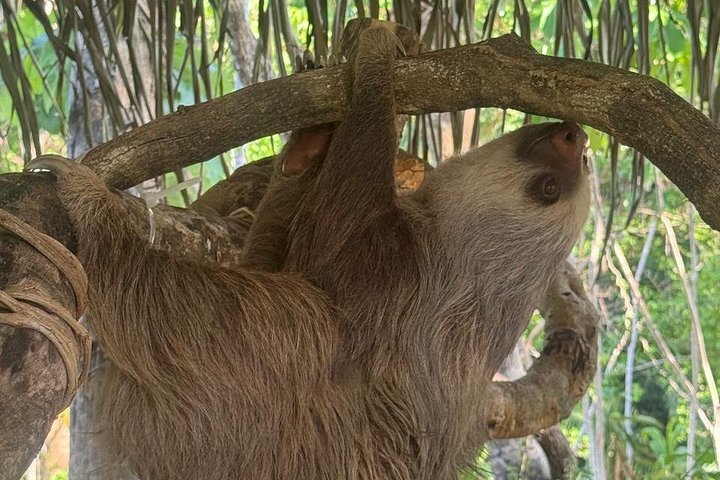
Guided walks in the forest near Samara, including the Werner Sauter reserve and local trails, give the best chance of finding sloths and monkeys. Howler monkeys are heard more often than seen, with their deep roars carrying across the forest at dawn. White-faced capuchins are bold and curious, while spider monkeys are rarer. Birds include motmots, trogons, toucans and many species of hummingbirds. A knowledgeable guide with a telescope transforms the experience.
Scarlet macaws
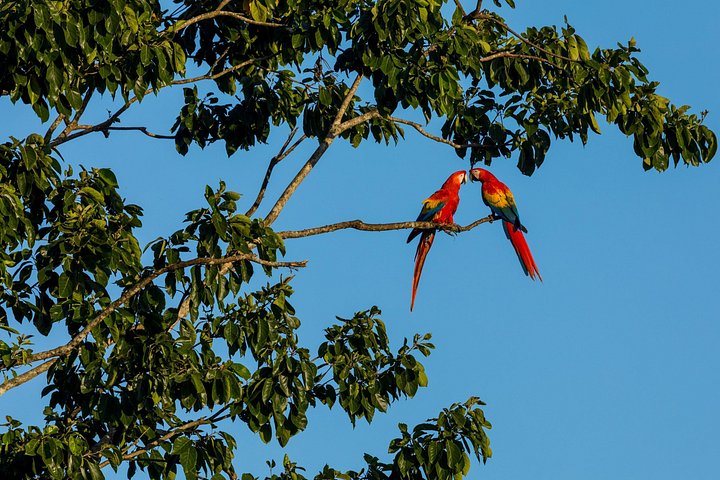
Conservation work has brought scarlet macaws back to parts of the peninsula, with the area around Punta Islita known for sightings. These large, loud, brilliantly coloured parrots are most active at dawn and dusk, and a guided trip from Samara improves your chances. Keep your distance, do not feed or attract the birds and use a long lens for photographs.
Mangroves and estuaries
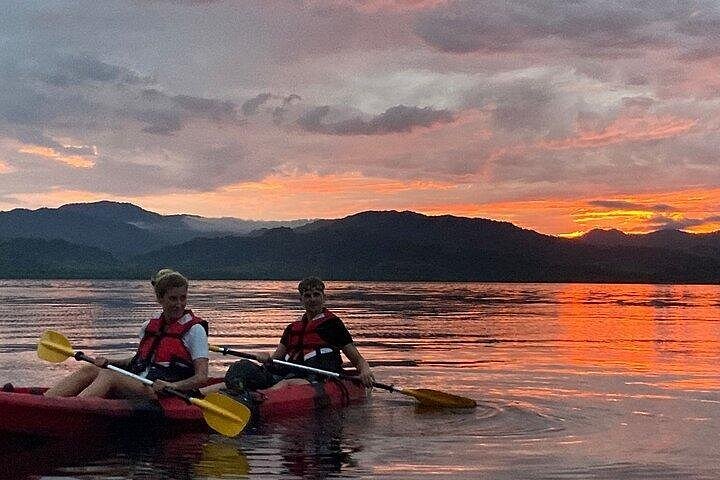
Kayak tours in the mangrove channels near Samara give a peaceful view of herons, egrets, kingfishers and, sometimes, monkeys and crocodiles. Mangroves are crucial nurseries for fish and protect the coast from storms, so travel quietly and avoid touching the roots.
Reserves and refuges
Cabo Blanco at the southern tip was Costa Rica's first strict nature reserve, with moist forest and a trail to a remote beach. Curu Wildlife Refuge on the Gulf of Nicoya protects tropical dry forest, mangrove and beaches, and is one of the best places for monkeys. Both are best visited with a guide, early in the day and with proper footwear.
Bioluminescence
On dark nights, the waters near Paquera in the Gulf of Nicoya can glow with tiny lights when disturbed. A guided kayak tour is the best way to see it, ideally around the new moon. Avoid sunscreen and repellent on your hands if you plan to trail them in the water.
Responsible viewing
Keep your distance from wildlife, never feed animals, avoid flash photography at night and stay on marked trails. Choose small-group tours with trained guides, ask how operators support conservation and take all rubbish with you. The best wildlife encounters are quiet, patient and brief, and leave no trace.
Seasons for wildlife
In the dry season, roughly December to April, many trees lose their leaves, animals gather near water and sightings of monkeys, birds and sloths are often easier, while trails are firm and skies are clear. In the green season, forests bloom, frogs and insects fill the night with sound, sea turtles come ashore in numbers on some beaches and the crowds are thinner, but afternoon rain and mud require flexibility. Early mornings are good in every month, since animals are active and the air is cool.
Choosing a guide
A good guide can double what you see, and tours with small groups are quieter and kinder to wildlife. Look for operators who talk about conservation, who limit the number of people at a sighting and who are happy to answer questions. Ask about group size, equipment such as telescopes and what happens if the animals are absent. Bring binoculars, wear muted colours and keep your voice low, and let the guide set the pace so you do not miss the small things, from a sleeping bat to a leafcutter ant column.