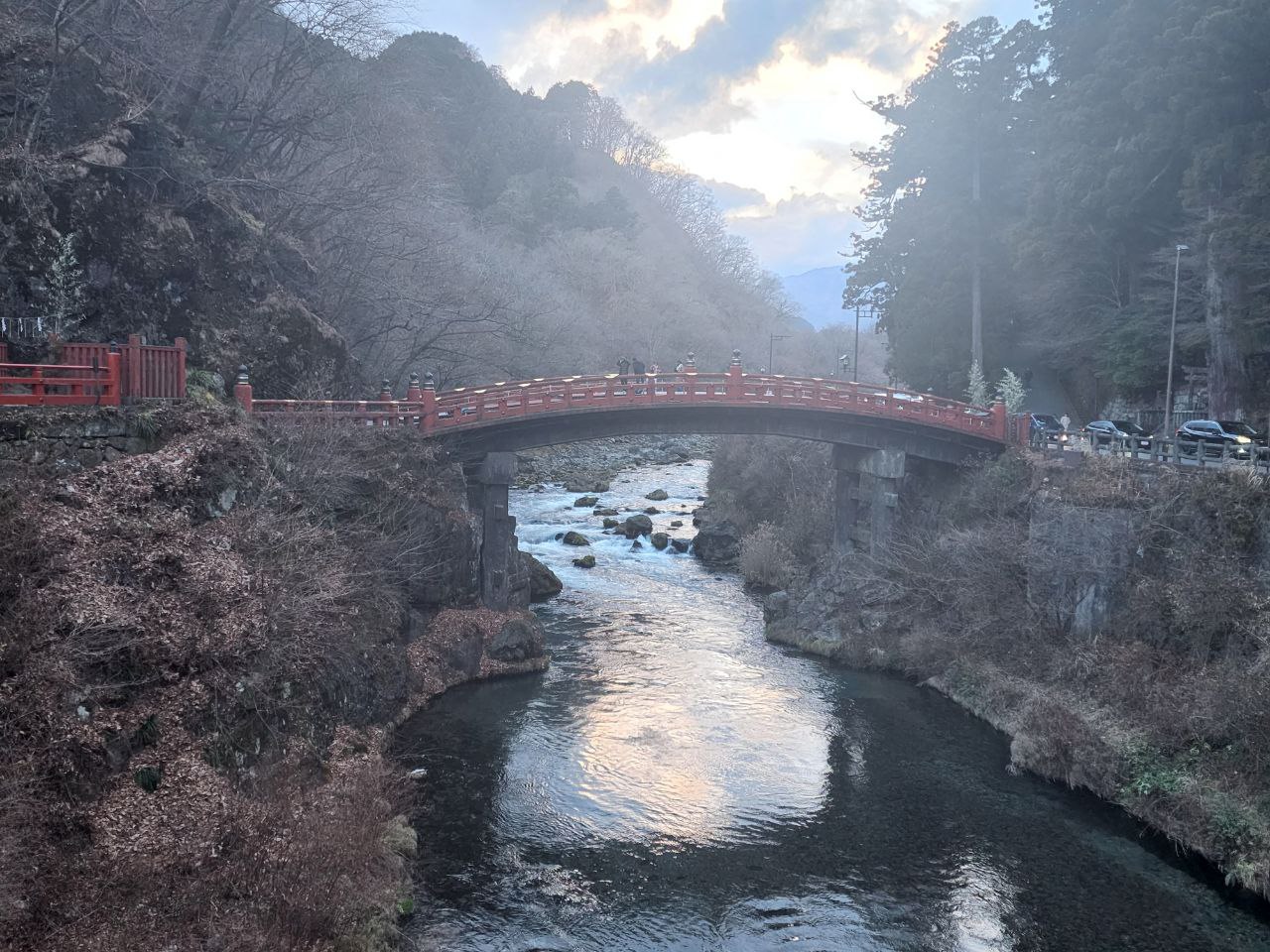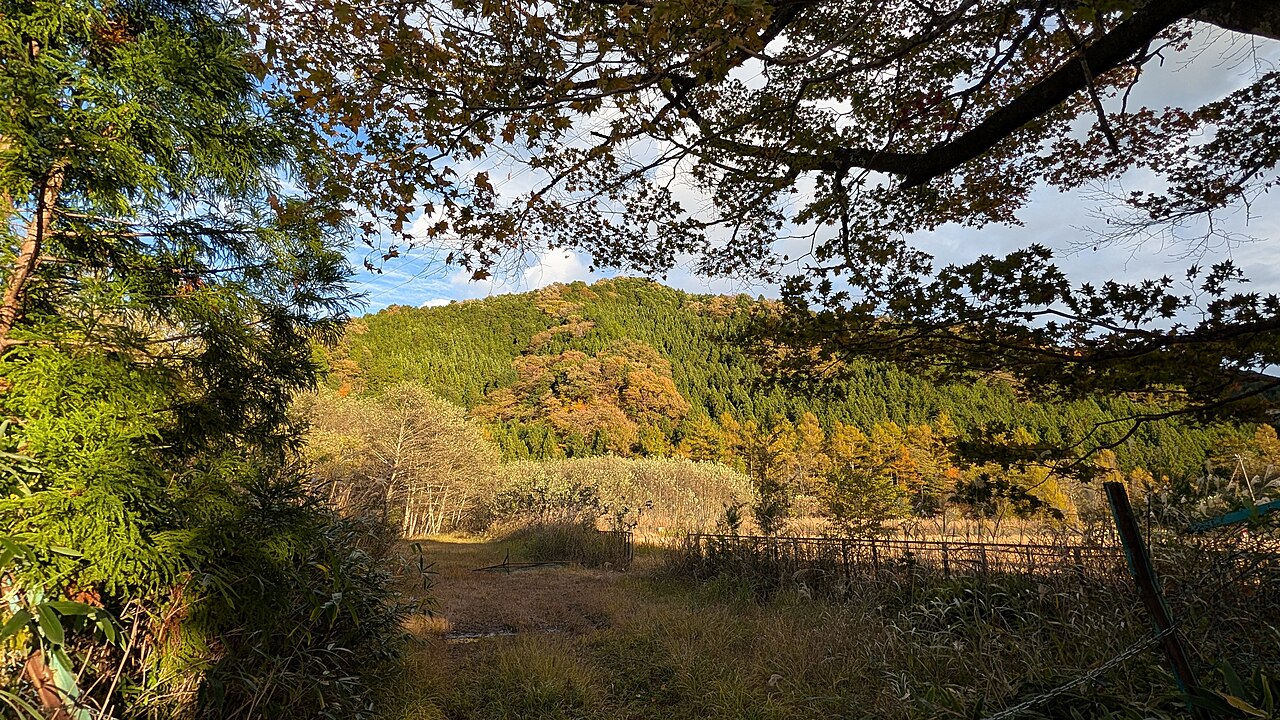
Kanmangafuchi is a quiet riverside gorge a short way upstream from Shinkyo Bridge, and for many visitors it is the unexpected highlight of Nikko. A path follows the Daiya River past black volcanic rock, which was laid down by an eruption of Mount Nantai roughly seven thousand years ago, and along the way sits a row of about seventy stone Jizo statues, many wearing red knitted hats and bibs. Legend says that the number changes each time you count them, which is why they are known as the ghost Jizo, and the statues are the subject of many photographs. The river rushes over the rocks beside the path, the moss is deep green, and in the first half of November the maples and ginkgo turn gold and red. It is free, open year-round and generally much quieter than the shrines. Reach it by bus from either Nikko station and a fifteen minute walk, or on foot along the river from Shinkyo Bridge.
The Jizo are the draw, but the setting is what makes the walk. Jizo is the Buddhist guardian of children and travellers, and the statues were reportedly carved as offerings; many were washed away in a flood in the early twentieth century, and the survivors were set back in a line.
Count them if you like, and treat any disagreement as part of the legend. The abyss itself is more of a boulder-strewn gorge than a ravine, but the black rock and the rushing water have an atmosphere that is quite different from the gilded shrines.
Practical details
The path is a pleasant promenade rather than a hike, mostly flat, with some uneven stone sections and a few steps, so wear sturdy shoes, especially after rain or frost. The walk from the bus stop is about fifteen minutes each way, and the gorge itself takes another half hour. It is a good place to slow down, and a good alternative if the Toshogu crowds are tiring.
In November it is among the best autumn spots in the valley, because it holds colour later than the mountains above. Daylight is short in winter, and the gorge is shaded, so aim to go before mid-afternoon. A popular plan is to follow the river from Shinkyo Bridge upstream, though be aware the path is partly along the road. The area has no entry gate and no fee, so you can stop whenever you like.
What to expect
The experience
A self-guided riverside promenade through a mossy volcanic gorge, passing a long line of stone Jizo statues.
Best time
The first half of November for colour, or any early morning for quiet.
How long
Forty-five minutes to an hour, plus the fifteen minute walk from the bus stop each way.
Tips
Wear shoes with grip, because the stones can be wet or frosty. Go before mid-afternoon, as the gorge gets dark early in winter.
Quick picks
- Best for
- Photographers, slow walkers and anyone who wants a quiet counterpart to the shrines.
- Families
- Easy for school-age children, who tend to enjoy counting the Jizo; keep young ones away from the river edge.
- Couples
- A peaceful riverside stroll, especially lovely in autumn colour.
- Pair with
- Shinkyo Bridge and a bus ride on to Lake Chuzenji.
- Time needed
- About an hour.
Good questions
Why do people say the Jizo cannot be counted?+
Legend says the number changes each time you count them, so they are known as the ghost Jizo. The usual figure given is about seventy.
Is Kanmangafuchi free?+
Yes, there is no entry fee and no gate. It is open all year.
How do I get there?+
Take a bus toward Chuzenji Onsen or Yumoto Onsen from either Nikko station, about fifteen minutes, and get off at Sogokaikan-mae. The gorge is a fifteen minute walk from there.
When is the best time for autumn colour?+
The gorge holds colour later than the mountains, so early to mid-November is usually good. Peak timing varies a little each year.
Is the path suitable for strollers or wheelchairs?+
Not really. The route has uneven stone, some steps and slippery patches, so it suits walkers in sturdy shoes.