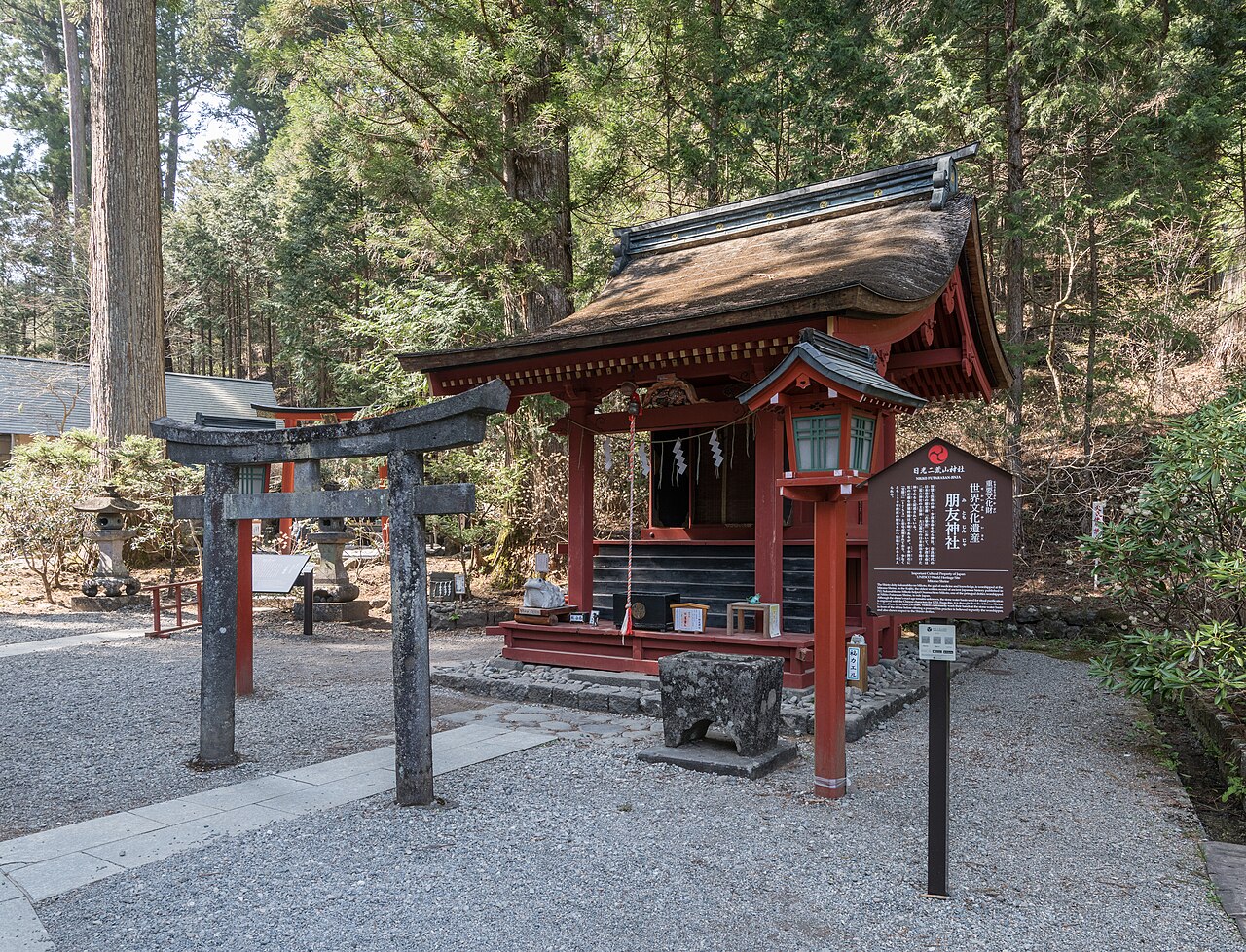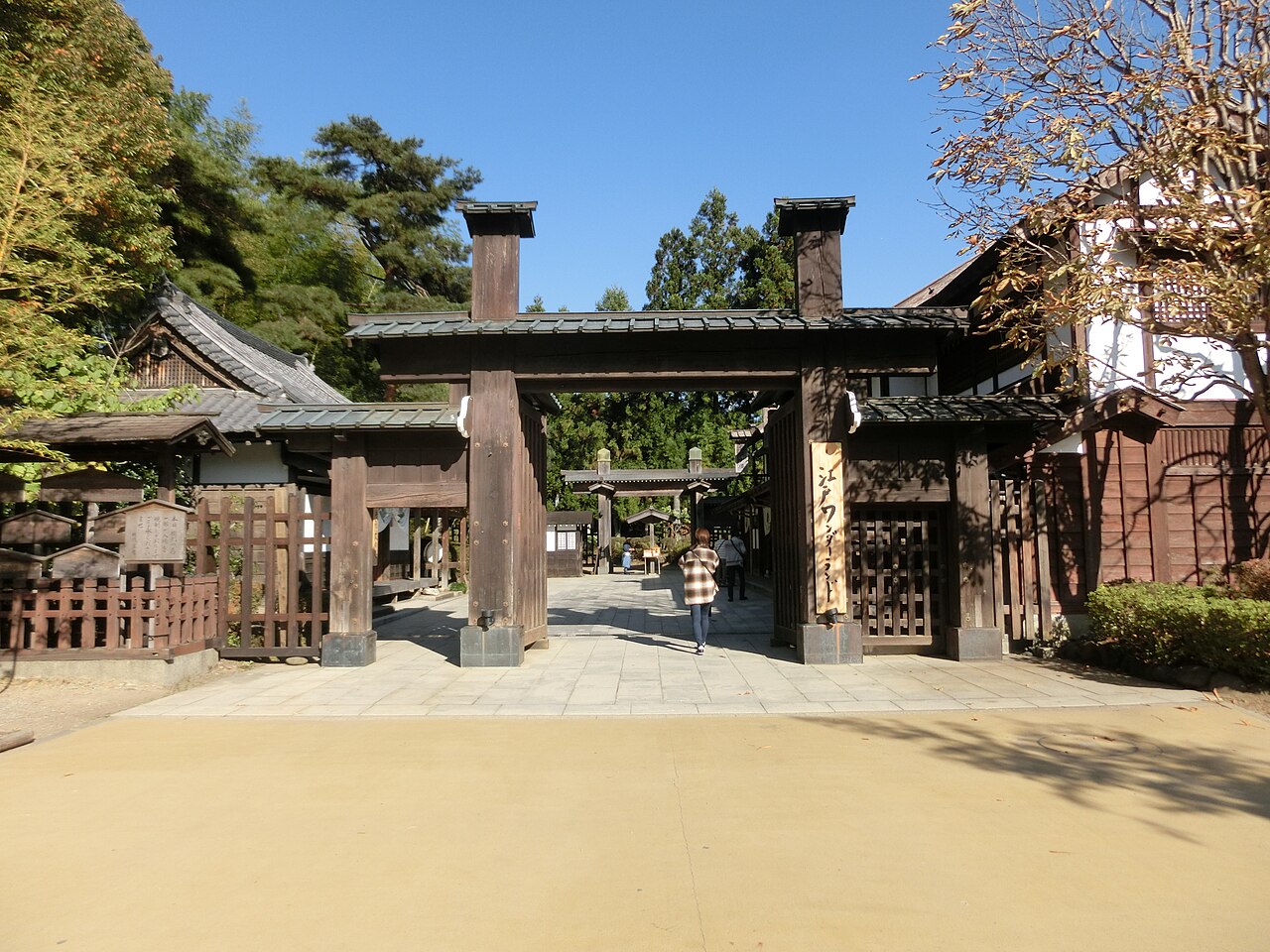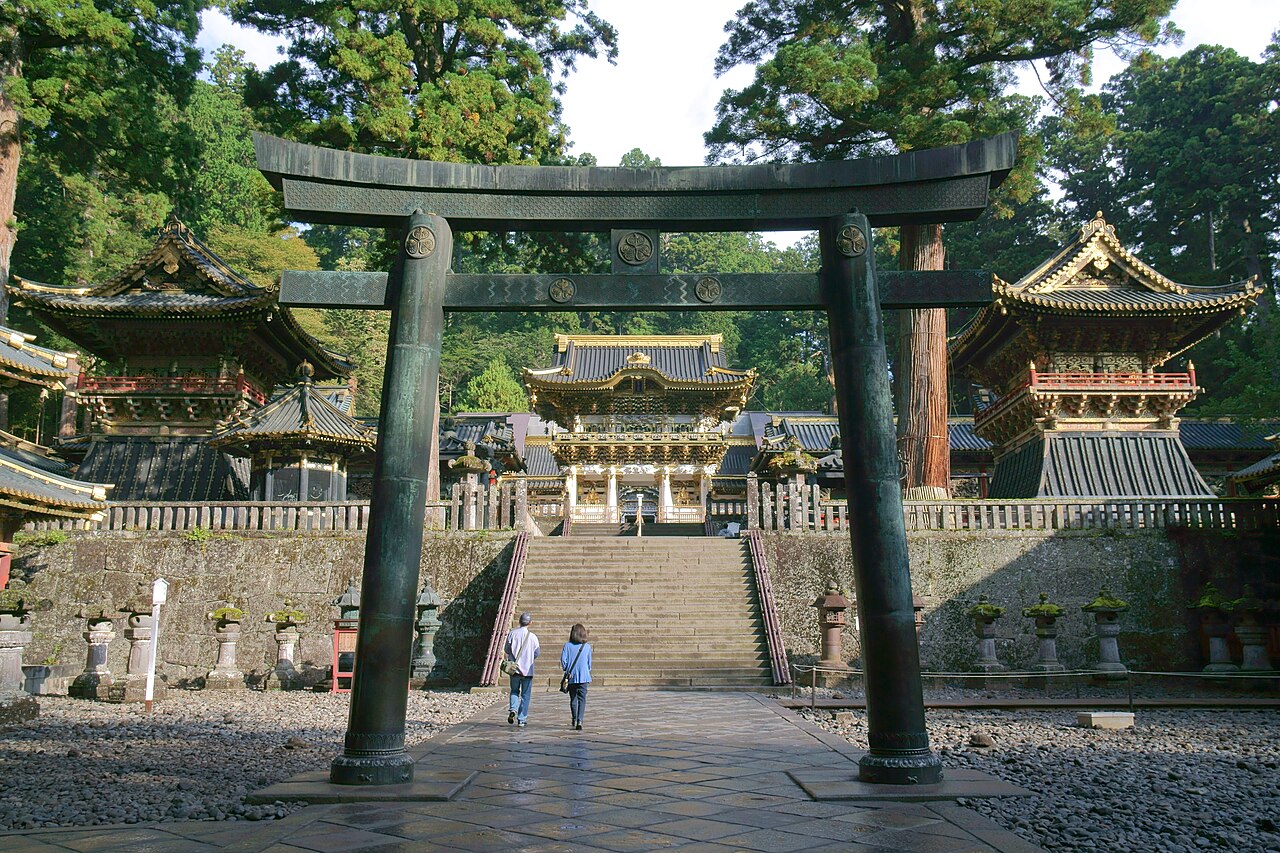
Toshogu is the reason most people come to Nikko. Tokugawa Ieyasu, the warlord who unified Japan and founded the shogunate in 1603, died in 1616 and was enshrined here as a god the following year. His grandson Iemitsu rebuilt the complex on a far grander scale in the 1630s, and the result is nothing like the plain, unpainted shrines of most of Japan: red lacquer, black and white, and gold leaf crowd every beam, and thousands of carvings of birds, flowers, lions and mythical beasts cover the gates and halls. Yomeimon, the gate that many consider the finest piece of work on the site, is a National Treasure with more than 500 carvings and has been carefully restored. Beyond it lie the Sacred Stable with its carved monkeys, the Karamon gate, the great hall, and the East Corridor where the famous sleeping cat sits above the doorway leading to Ieyasu's tomb. The shrine is part of the Shrines and Temples of Nikko World Heritage site and is open every day, with shorter hours from November.
The history explains the excess. Ieyasu wanted to be remembered as a protector deity of the nation, and his heirs used Toshogu to announce the Tokugawa family's power to every daimyo who had to make the pilgrimage. The carvings are not random: the three wise monkeys on the Sacred Stable are part of a larger series about the stages of a human life, the sleeping cat is read as a symbol of peace, and the sheer density of ornament was meant to overwhelm.
Look up at every gate. The details that reward patience are the ones above eye level.
Getting the most from a visit means pacing it. The main circuit of courtyards and halls takes about two hours, but climbing the 207 stone steps beyond the sleeping cat to the Okumiya, where Ieyasu is buried, adds time and a very different mood, quiet and cool under tall trees.
A separate museum nearby, covered by a combined ticket, holds treasures and is worth it only if you have the energy. An audio guide is available just inside the entrance gate, and it makes the iconography much clearer. Wear shoes that come off easily, as a few halls ask you to remove them.
Timing matters in November. The valley floor around Toshogu is usually at its autumn peak in the first half of the month, which makes the grounds beautiful and crowded, especially on weekends. Winter hours are shorter, with the last entry about thirty minutes before the 4 pm close, and the shrine sits in a cold, shaded valley, so dress warmly.
Go on a weekday if you can, arrive when the gate opens, and tackle the Okumiya steps before the tour buses fill the courtyards. Rinnoji and Futarasan Shrine are a short walk away, so most visitors combine all three in one long day.
What to expect
The experience
A self-guided walk through a series of courtyards, gates and halls, with an optional climb to Ieyasu's tomb and an audio guide available at the entrance.
Best time
Weekday mornings at opening for the thinnest crowds; the first half of November for the colour, accepting the weekend rush.
How long
Two hours for the main circuit, three to four with the Okumiya steps and the museum.
Tips
Rent the audio guide, climb to the Okumiya first, and carry a warm layer, because the shaded valley is cold from November. Last entry is about thirty minutes before closing.
Quick picks
- Best for
- Anyone with an interest in Japanese history, architecture or craft; this is the headline sight of Nikko.
- Families
- Older children enjoy hunting for the sleeping cat and the monkeys, but the stone steps and the crowds are tiring for toddlers.
- Couples
- Walk the Okumiya steps in the quiet of early morning, then warm up over lunch in town.
- Pair with
- Rinnoji and Futarasan Shrine next door, Shinkyo Bridge on the way back, and Kanmangafuchi Abyss.
- Time needed
- Half a day, longer if you add the neighbouring temple and shrine.
Good questions
How much time do I need at Toshogu?+
Plan on two hours for the main courtyards and halls, or three to four if you climb to the Okumiya and visit the museum. With Rinnoji and Futarasan Shrine added, it is a full day.
Is Toshogu open in winter?+
Yes, it is open every day of the year. From November the hours are shorter, with a 4 pm close and last entry about half an hour earlier.
Where is the sleeping cat?+
It is carved above a gateway in the East Corridor, leading toward the stairway up to Ieyasu's tomb. Most people walk straight under it, so look up as you pass.
Do I need a guide?+
Not strictly, but the symbolism is easy to miss. An audio guide rented at the entrance or a guided tour from Tokyo makes the carvings and history much clearer.
How do I get there from the train stations?+
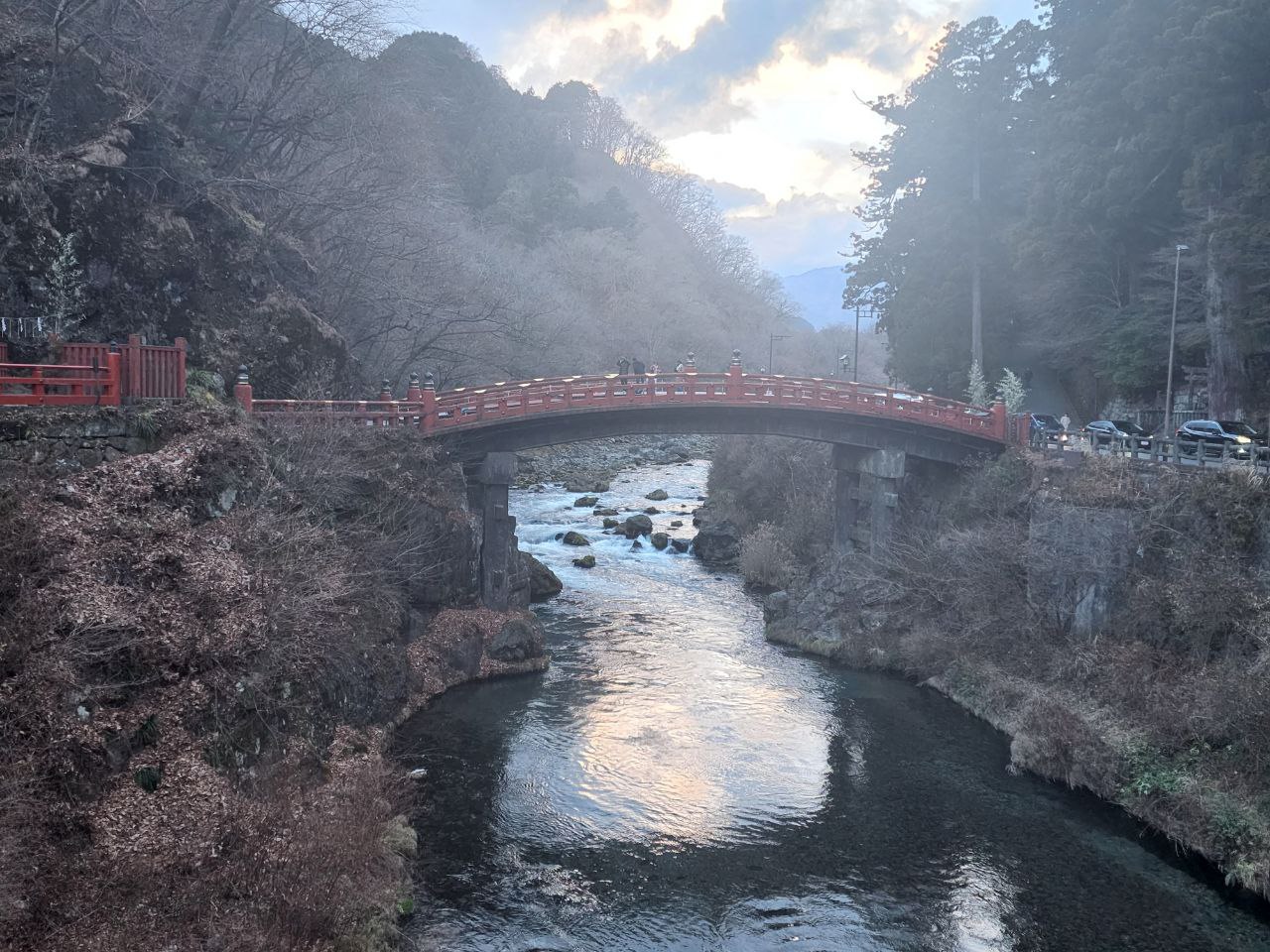
It is a 30 to 40 minute walk from either Nikko station, or about ten minutes by bus. The route passes Shinkyo Bridge, so many visitors walk up and ride back.