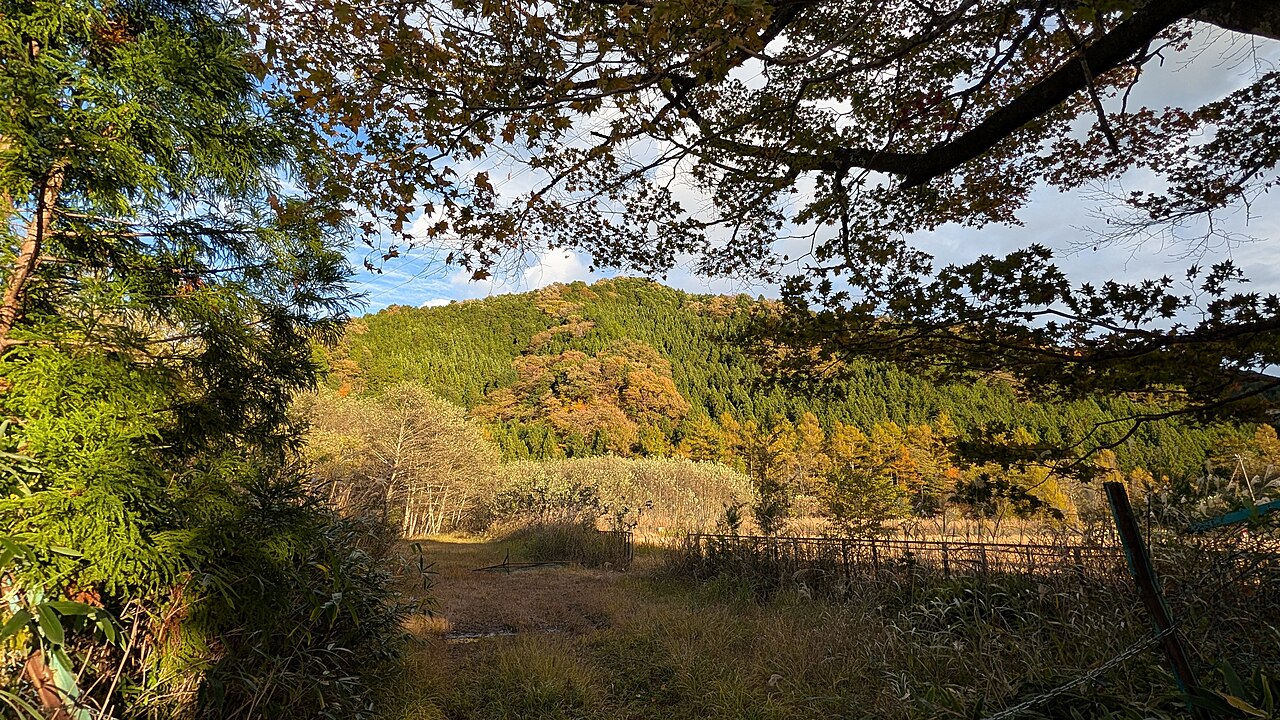
Above the shrines, the road climbs roughly 500 metres up the Irohazaka, a pair of one-way roads with 48 hairpin bends, to a different Nikko. Lake Chuzenji is a calm, cool mountain lake beneath the great cone of Mount Nantai, once a summer retreat for foreign diplomats, and at its eastern end the Kegon Falls drops 97 metres from the cliff lip in one of Japan's three great waterfalls. A lift carries you to an observation platform at the base for a close view and a soaking mist, and the hours are slightly longer from March to November than in the middle of winter. In November the colour in this part of the valley is typically just past its peak, the air is noticeably colder than in town, and snow becomes possible later in the season. The easiest way up is the bus from either Nikko station, about forty minutes to Chuzenji Onsen, with the falls a short walk away. The Akechidaira ropeway, which normally offers the classic panorama, is shown as closed for renewal until around 2027.
The Irohazaka road is part of the experience. The first Irohazaka carries traffic downhill only and the second carries traffic uphill only, so you ride up one and come down another. Buses climb the second road with a series of tight bends that are named after the Japanese alphabet, and you can feel the elevation gain in your ears.
Weekend queues of cars and buses can be severe, so weekdays and early starts are much more pleasant. In snow or ice the roads require winter tyres or chains, so drivers should check that a hire car is properly equipped and conditions before setting out.
At the lake, the standard plan is to walk to Kegon Falls, take the lift to the platform, then wander the lakeshore, where Chuzenji Onsen has cafes and a shrine. Boat cruises and e-bike tours run in the warmer months, and day trips from Tokyo often include the falls in the same loop as Toshogu. Kegon Falls is dramatic year-round, and in January and February the smaller streams beside it can freeze into blue ice. The lake feels colder than the forecast for town suggests.
In late autumn expect the best colour to have moved down the mountain to the Irohazaka slopes and Nikko town. Aim to arrive before mid-afternoon, as sunset comes early, and carry a warm layer, gloves and waterproofs. If the weather turns, the shorter winter hours at the falls and a reduced bus timetable mean you should plan the return journey with care. Combine the lake with Senjogahara marsh further up the valley only if you start early, because the distance is greater than it looks.
What to expect
The experience
A bus or car ride up the Irohazaka road, a lift to the base of Kegon Falls and a stroll along the shore of Lake Chuzenji.
Best time
Weekday mornings; autumn colour here is usually over by November, so go for the scenery and the crisp air.
How long
Three to four hours for the falls and the lakeshore, a full day with a day trip from Tokyo.
Tips
Dress for cold at altitude, take the bus on weekdays to avoid queues, and drivers must check winter tyre rules and road conditions.
Quick picks
- Best for
- Scenery lovers and anyone with a day beyond the shrines.
- Families
- The lift and the roaring falls impress children, but the cold and the long road can tire small ones.
- Couples
- Lakeside walks and the falls' mist at the base make a memorable half day.
- Pair with
- Toshogu Shrine, Kanmangafuchi Abyss and Senjogahara marsh.
- Time needed
- Half a day, or a full day in a guided tour.
Good questions
How high is Kegon Falls?+
The water drops about 97 metres from the lip of Lake Chuzenji's outflow. A paid lift takes you to a platform at the base.
Is autumn colour still good in November?+
Colour at the lake is usually just past its peak by November, with the best colour moving down to the lower slopes and Nikko town. Check recent reports.
Are the roads open in winter?+
The Irohazaka roads are generally kept open and snow is cleared promptly, but winter tyres or chains are needed in snow or ice and storms can bring temporary closures.
Can I go by bus?+
Yes, buses run from both Nikko stations to Chuzenji Onsen in about forty minutes. Winter timetables are reduced, so check the return time.
Is the Akechidaira ropeway running?+
It is shown as closed for renewal from early 2026 until around September 2027, so do not plan around it for now.