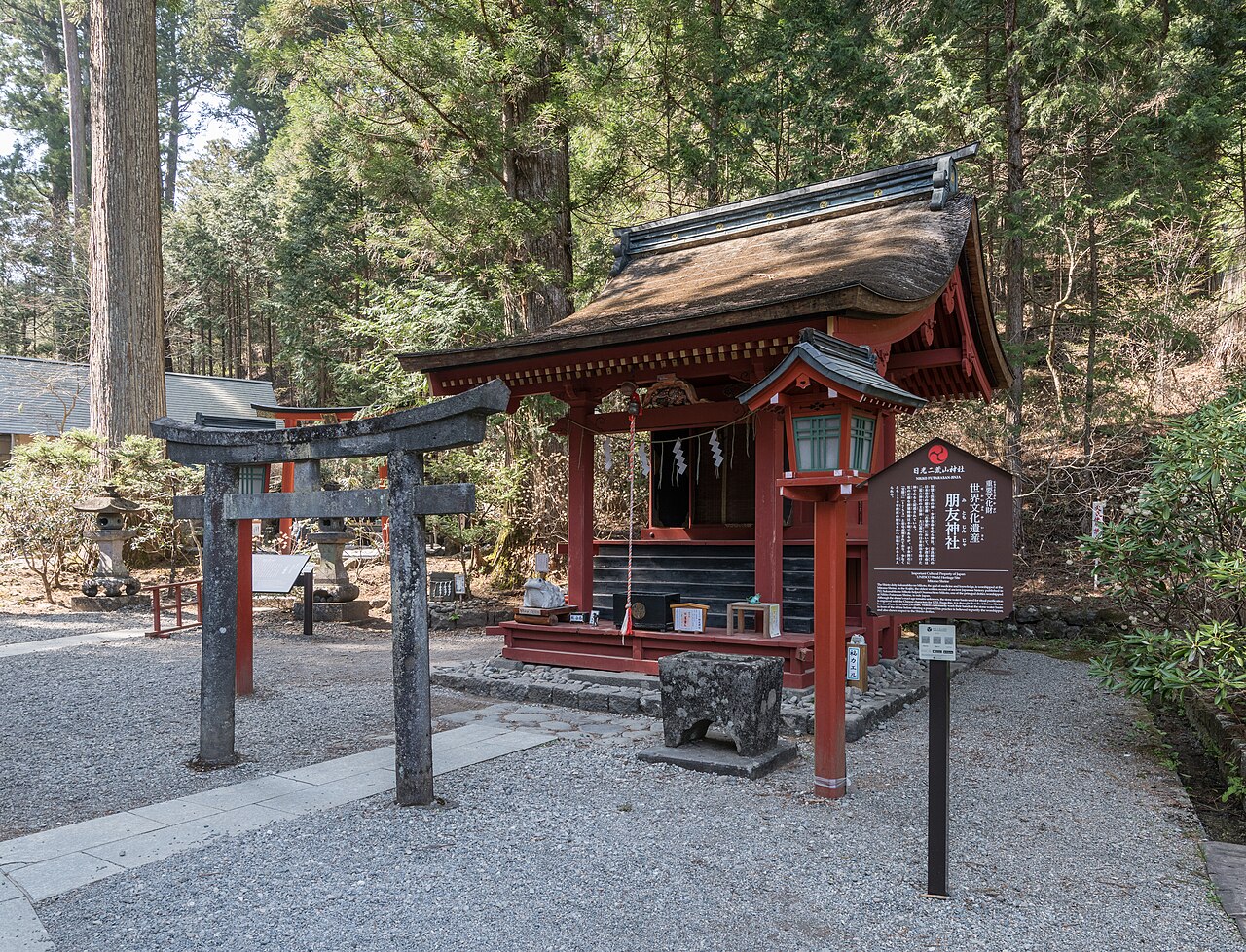
Most visitors meet Nikko through its big sights, one ticket gate after another. This guided cycling tour offers a different way in: a bicycle, a local guide who is also a Buddhist monk, and the lanes that sit between the famous shrines and the working town. Nikko has been a place of mountain worship for well over a thousand years, and people who live and train here understand it less as a collection of monuments than as a landscape with a religious logic, where mountains, rivers, waterfalls and forests all carry meaning. A ride with someone steeped in that tradition fills in what signs and audio guides leave out. The format is simple. You meet your guide, are fitted with a bicycle, and ride a route that stays on quiet roads and paths rather than the busy shrine approach. Expect stops at small temples, shrines, old streets and viewpoints, with the guide explaining the Shinto and Buddhist threads that have been woven together here since the eighth century. Cycling means you cover far more ground than on foot, so the day feels fuller without being rushed, and the pace is easy enough for ordinary riders.
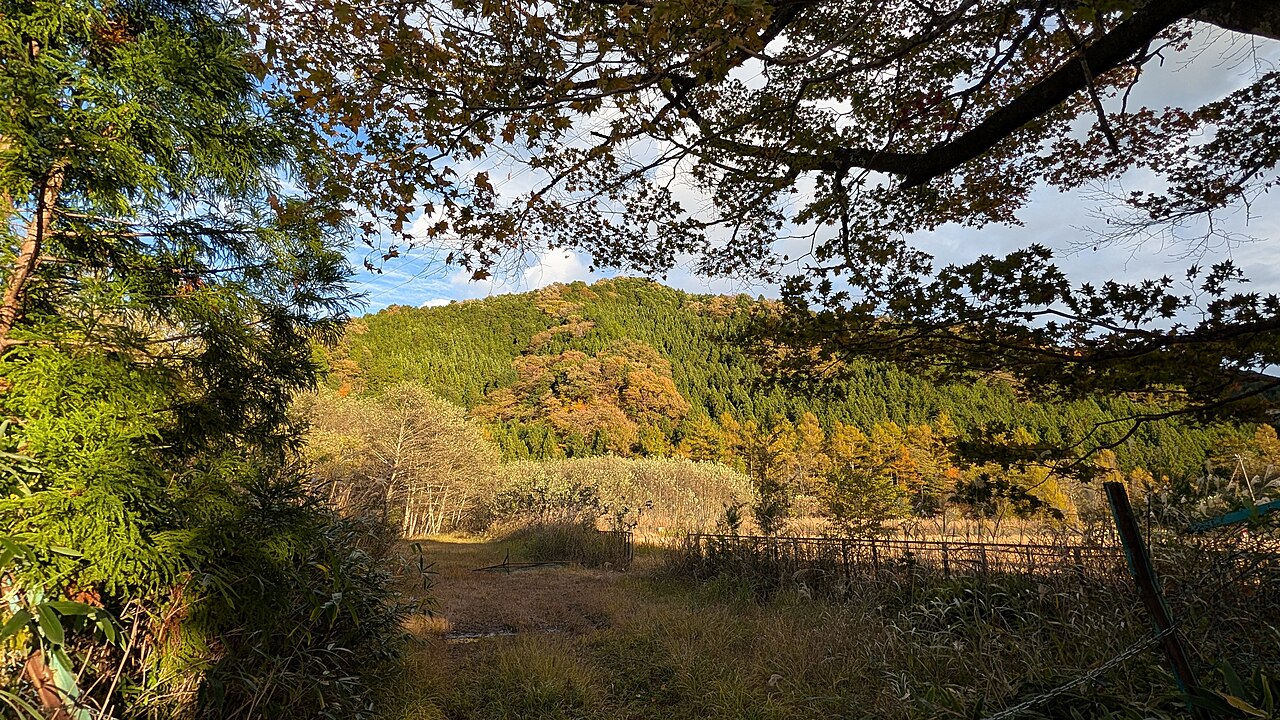
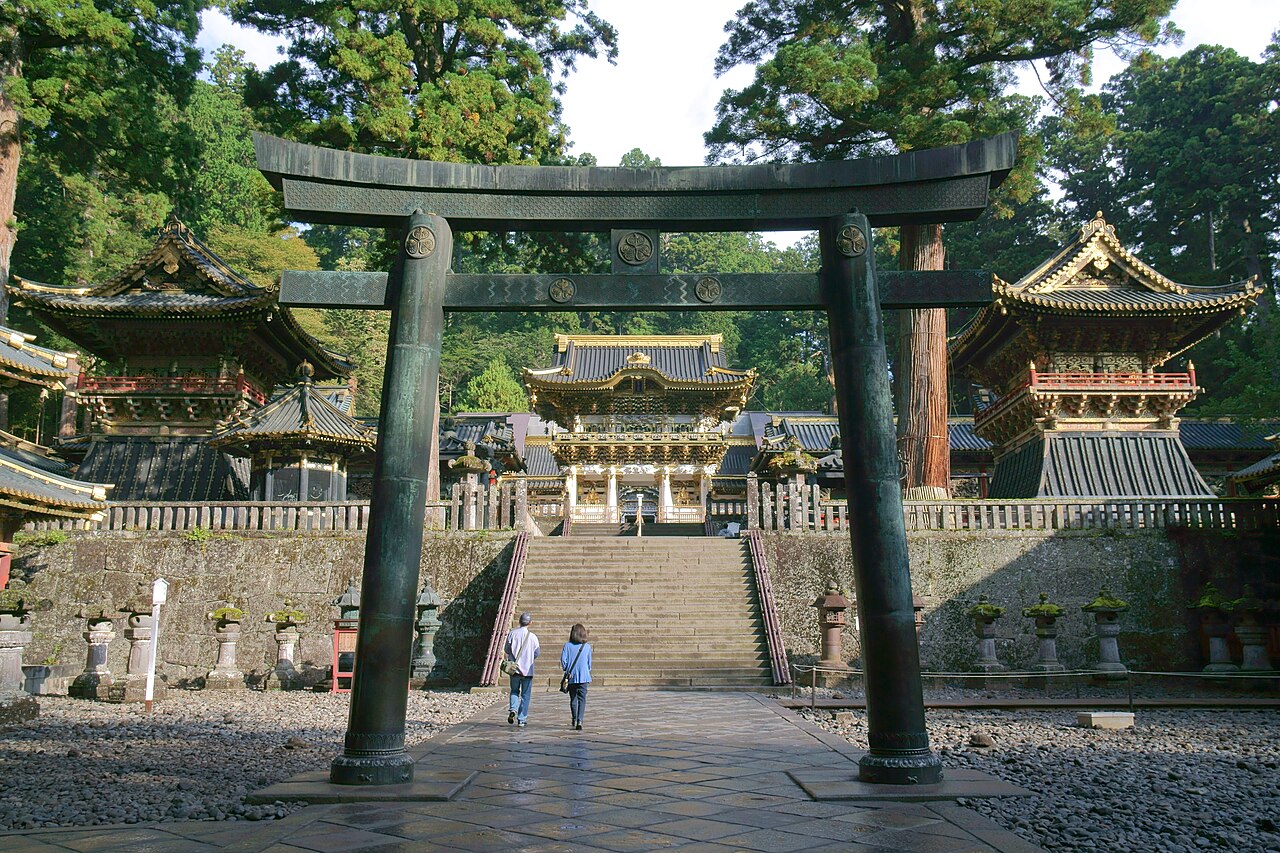
Why choose this over a standard guided walk? The main reason is perspective. The Toshogu complex is grand and crowded, and it is easy to leave with photographs but little sense of Nikko as a living place. On a bike, you pass farmland, cedar groves, small neighbourhood shrines, and the quiet back-lanes where the town goes about its day.
A monk guide can explain why a certain tree is tied with rope, what the stone lanterns mean, how pilgrim routes ran through the valley, and how rituals still shape the calendar. Questions about Buddhism, Shinto, meditation or monastic life are usually welcome, and conversation is half of the experience.
Practical points. This is an outdoor activity, so dress for the weather, with layers in cool months and sun protection in summer. Closed shoes are best. Rain can change or cancel a ride, so read the cancellation terms on the tour page and keep your plans flexible. Bicycles are normally provided, but confirm sizing and whether helmets are included, particularly for tall or small riders and for anyone who has not ridden for a while.
Roads around Nikko are mostly gentle in the town but climb toward the mountains, so ask the operator about the route's gradients. The tour is run in English, and details such as group size, meeting point and start time are set by the operator, so check them when you book.
Fitting it into a trip. Most people do this tour in the morning or early afternoon, then spend the remainder of the day at a ticketed sight such as Toshogu Shrine or at Kanmangafuchi Abyss, which is an easy walk or ride from the centre. It works well on a day when the weather is fine but you want something quieter than the main shrines, and it pairs naturally with a night in the town.
Winter riding is possible only when roads are clear, and the operator decides; in the cold months, many travellers choose a walking tour or a visit to the shrines instead.
Who it suits. Curious adults, couples, older teenagers and solo travellers who like to learn from a local rather than a script. It is less suitable for very young children, anyone with limited mobility, or travellers who prefer a fixed list of famous sights. If you want a guided overview of the World Heritage shrines themselves, a walking tour with Toshogu admission is a better match, and the e-bike tours to Lake Chuzenji suit people who want waterfalls and lakeside scenery rather than temple culture.
What to expect
The experience
A small-group guided bicycle ride with a local monk, covering quiet roads, small temples and shrines, and the story behind Nikko's religious landscape.
Best time
Dry days in spring and autumn, or summer mornings before the heat; winter depends on road conditions.
How long
Plan on a half day, including bike fitting and conversation stops.
Tips
Wear closed shoes and layers, carry water, and confirm the meeting point, helmet policy and cancellation terms when you book.
Quick picks
- Best for
- Travellers who want culture and conversation rather than a checklist of sights.
- Families
- Good for confident older children; check age rules and bike sizes first.
- Couples
- A relaxed, memorable way to see the quiet side of Nikko together.
- Pair with
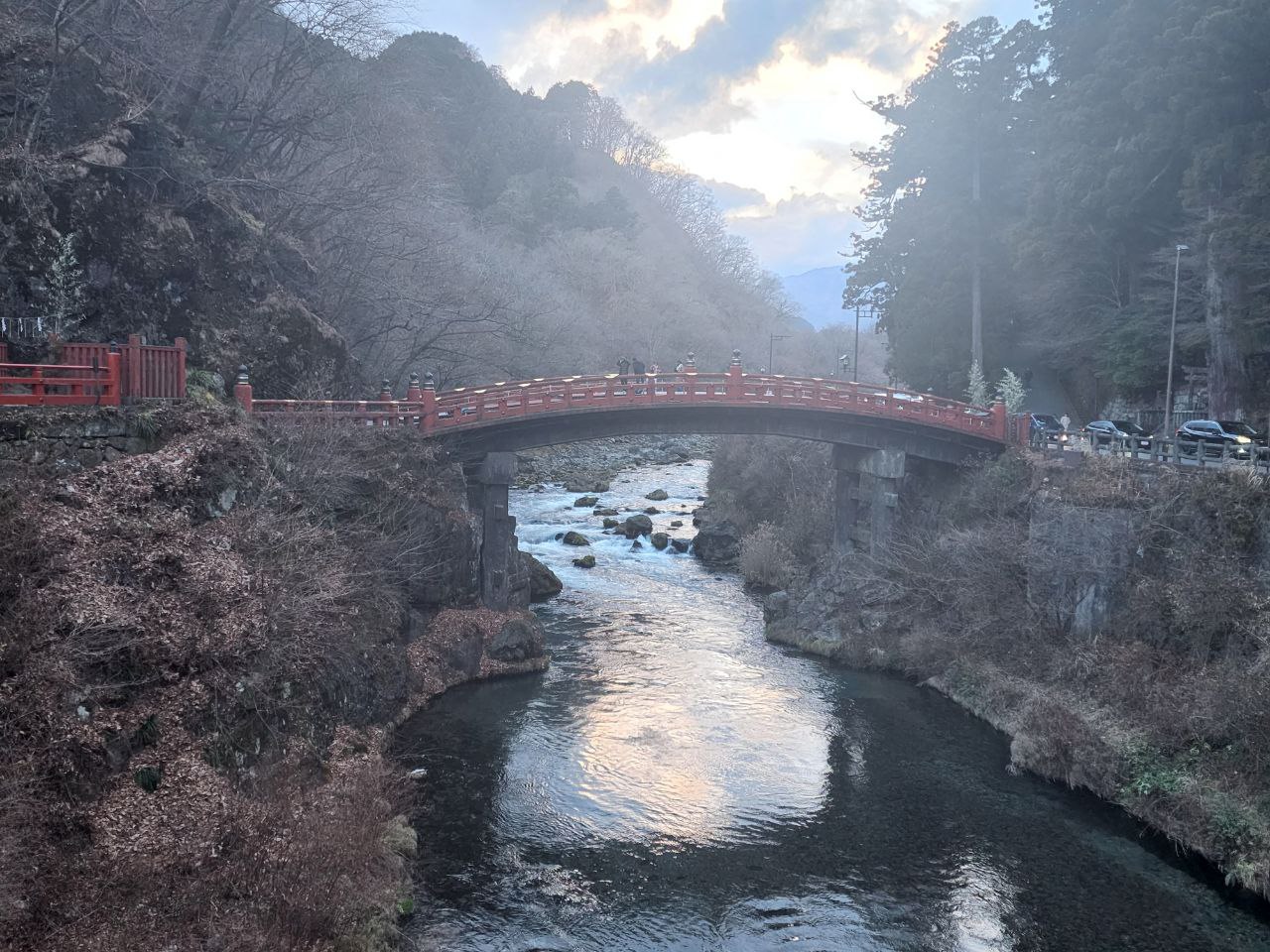
- Kanmangafuchi Abyss, Shinkyo Bridge and an afternoon at Toshogu Shrine.
- Time needed
- A half day, with time left for an afternoon sight.
Good questions
Is the guide really a monk?+
The tour is led by a local monk, which is the main reason to choose it. Guide details can change, so read the tour page when you book.
Do I need cycling experience?+
Ordinary riding ability is enough, because the route favours quiet roads. Ask the operator about gradients and whether electric assistance is available if you are unsure.
What should I wear?+
Comfortable clothes you can ride in, closed shoes, and layers for the weather. Bring sun protection in summer and gloves in the cold.
What happens if it rains?+
Rides can be changed or cancelled in poor weather. Check the cancellation and refund terms before you book.
Is this the same as the e-bike tours at Lake Chuzenji?+
No. This ride focuses on temple culture and quiet town roads. The e-bike tours head up the mountain to the lake and waterfalls.