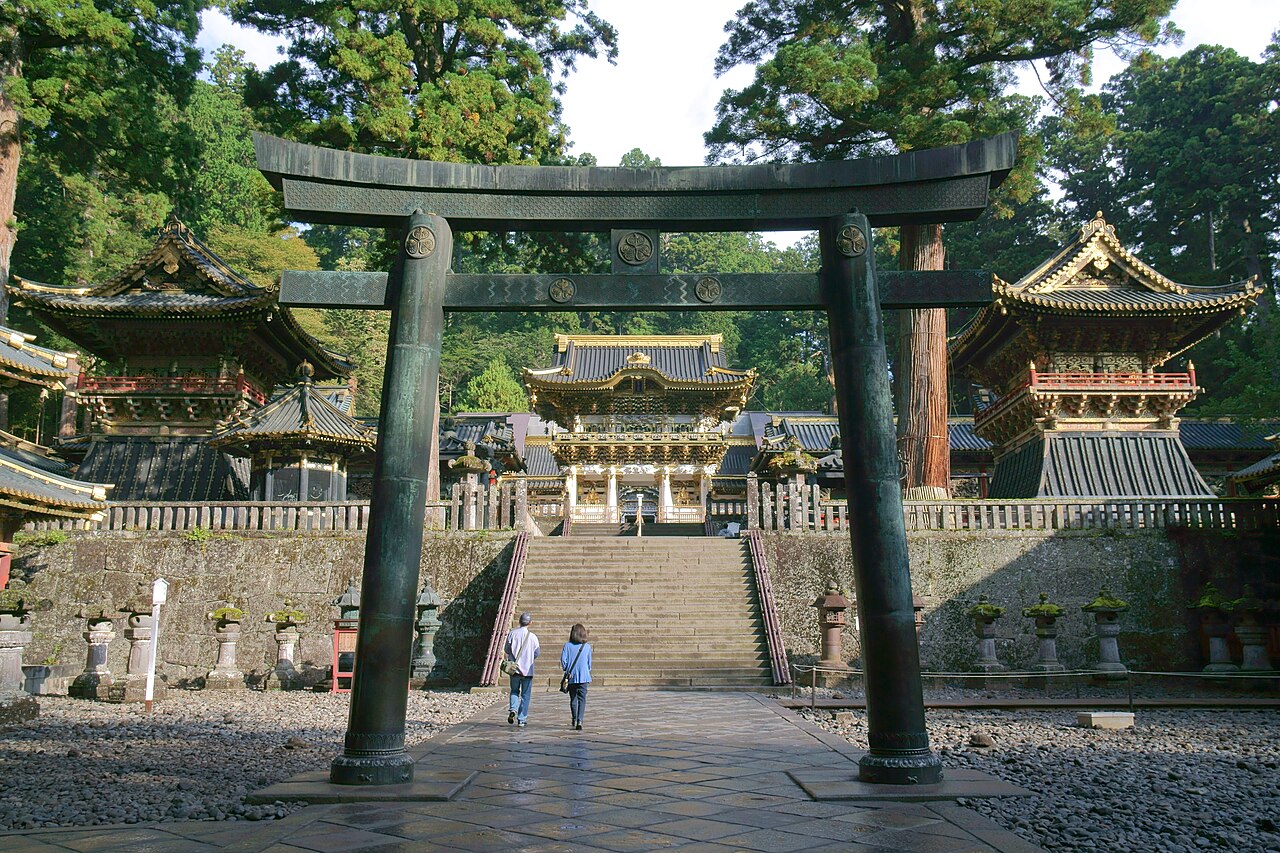
Rinnoji is the Buddhist counterpart to the Shinto grandeur next door, and a visit makes sense of why Nikko has been a holy mountain for more than a thousand years. The temple's centrepiece is Sanbutsudo, the largest hall in Nikko, which holds three gold-lacquered wooden statues: Amida Buddha flanked by the thousand-armed Kannon and the horse-headed Kannon. The hall has been fully restored, so you can see the statues and the freshly painted building without scaffolding. A combined ticket also covers Taiyuin, the ornate mausoleum of the third shogun, Iemitsu, which many visitors find as impressive as Toshogu with fewer people. A smaller ticket opens the Treasure House and the Shoyoen strolling garden behind it, a gem in the first half of November when the maples turn. Rinnoji is part of the World Heritage site and is open daily, closing an hour earlier in winter.
The temple grew out of the mountain worship of the monk Shodo, who is credited with opening Nikko as a sacred site in the eighth century. For most of its history Shinto and Buddhism were intertwined here, and the split of shrine and temple came only in the nineteenth century. That is why Rinnoji, Toshogu and Futarasan sit so close together and why the three are inscribed as one World Heritage property. Inside Sanbutsudo, the scale of the statues is the point, and the quiet is a good contrast to the courtyards next door.
Taiyuin, reached on the combined ticket, is Iemitsu's mausoleum, built deliberately to be a little less showy than his grandfather Ieyasu's out of respect, though it is still thick with gold and carved guardians. It is a calmer visit than Toshogu and a good use of the afternoon. The Treasure House and Shoyoen garden are a smaller, separate ticket and are the best place for autumn colour inside the temple precinct, with a pond and stepping stones that photograph beautifully in early November.
Practical points
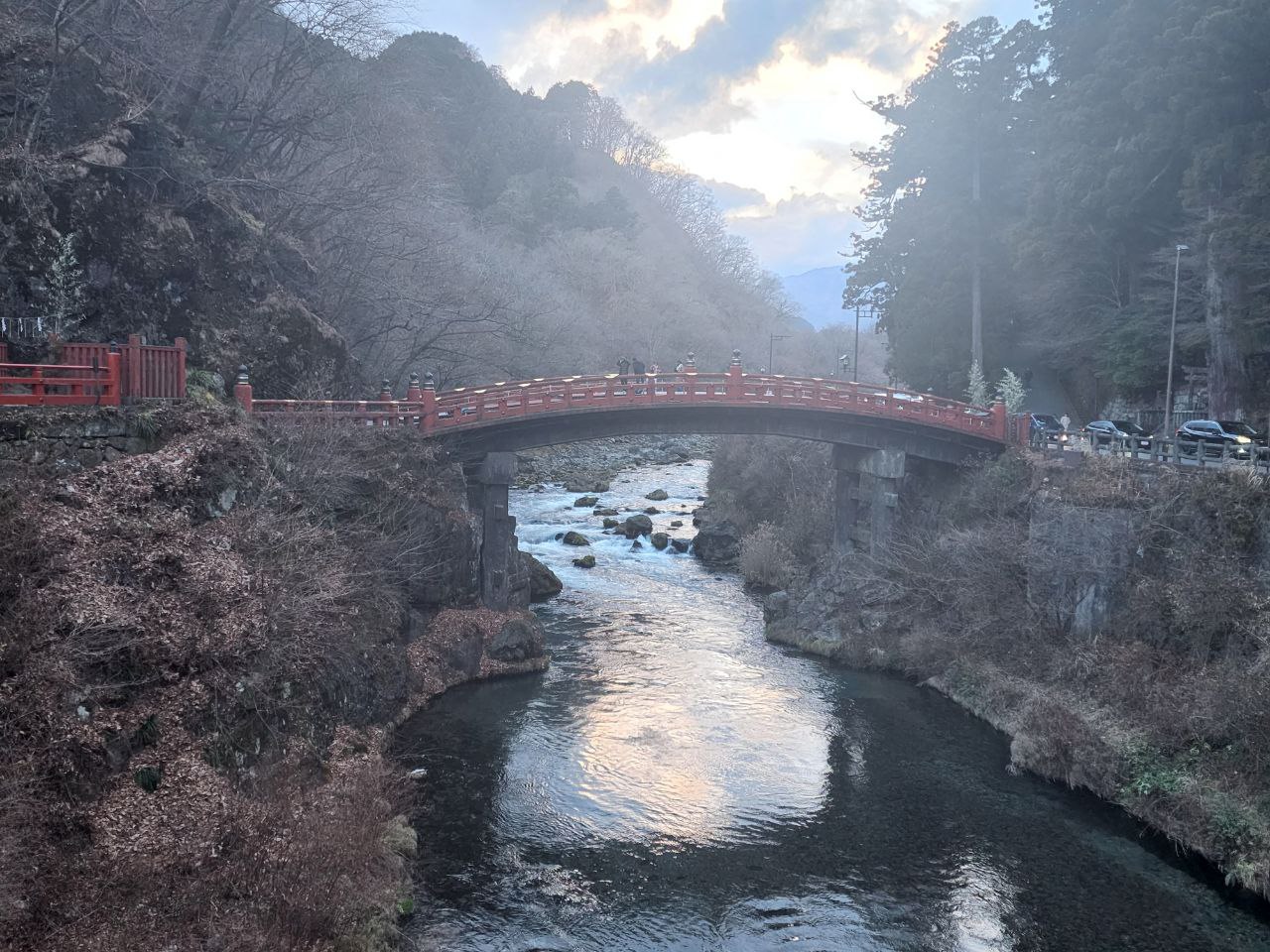
The temple closes at 4 pm from November, with last entry thirty minutes earlier, so do not leave it until the end of the day. Tickets are sold at the entrance and the signage is partly in English. Shoes come off inside Sanbutsudo, so wear socks, and note that photography is not allowed inside the hall. The temple is a few steps from Toshogu, which makes the pairing easy, and the walk down to Shinkyo Bridge afterward is pleasant on a clear day.
What to expect
The experience
A walk through Sanbutsudo hall, with optional separate tickets for the Taiyuin mausoleum and for the Treasure House and Shoyoen garden.
Best time
Mid-morning after Toshogu, or early afternoon on a weekday; the garden is at its best in the first half of November.
How long
About an hour for Sanbutsudo and Taiyuin, a little longer with the garden.
Tips
Wear socks for the hall, expect no photography inside, and keep an eye on the 4 pm winter closing time.
Quick picks
- Best for
- Visitors who want the Buddhist side of Nikko and a calmer counterpart to Toshogu.
- Families
- Children like the giant statues, but the hushed hall suits older kids better than toddlers.
- Couples
- The Shoyoen garden in autumn colour is a quiet, photogenic stop.
- Pair with
- Toshogu Shrine next door and Futarasan Shrine just beyond.
- Time needed
- One to one and a half hours.
Good questions
Is Sanbutsudo hall open now?+
Yes. The restoration of the hall is complete, so the building and its three statues can be seen without scaffolding.
What does the combined ticket cover?+
It covers Sanbutsudo hall and the Taiyuin mausoleum. The Treasure House and Shoyoen garden are sold on a separate, cheaper ticket.
How long should I allow?+
About an hour for the hall and Taiyuin, or an hour and a half with the garden. It sits beside Toshogu, so it fits neatly into the same day.
When does Rinnoji close in winter?+
From November the temple closes at 4 pm, with last entry about thirty minutes earlier. In the warmer months it stays open an hour longer.
Can I take photos inside?+
Photography is not allowed inside Sanbutsudo hall. The grounds, the exterior and the garden are fine to photograph.