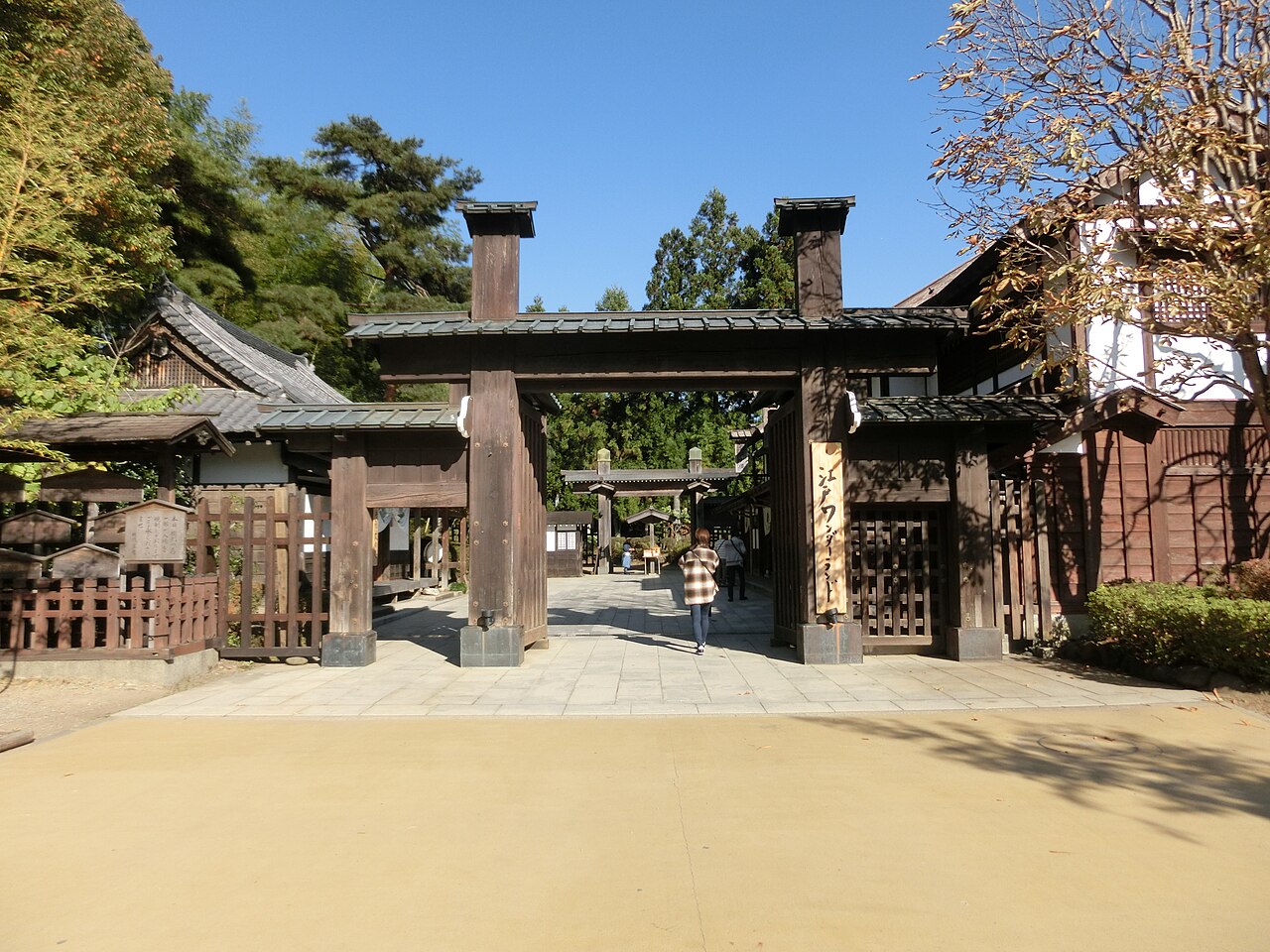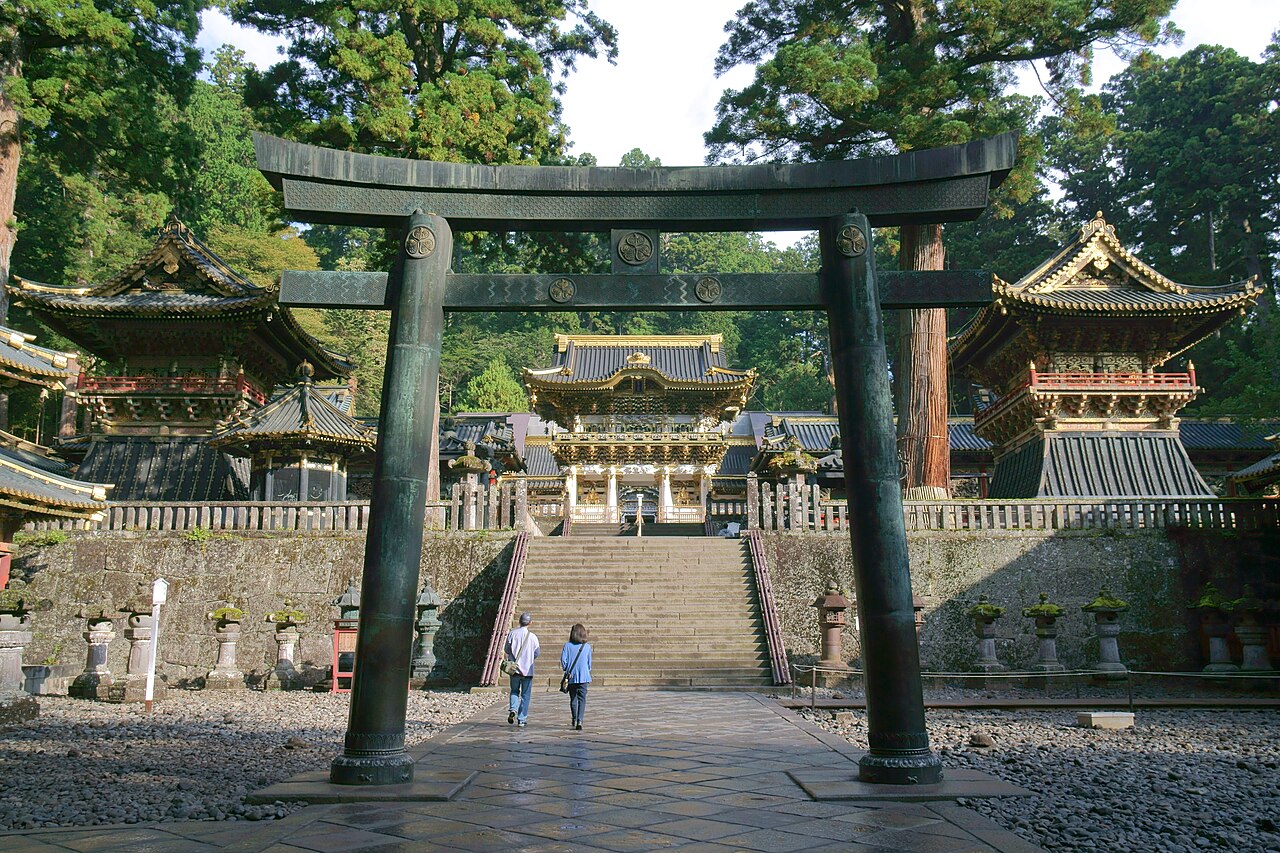
Most of what Nikko offers belongs to the age of the shoguns, which makes the Tamozawa Imperial Villa a refreshing change of subject. This was a summer retreat for the imperial family, started in the late nineteenth century and enlarged in the years that followed, and it blends buildings from the late Edo, Meiji and Taisho eras into one sprawling wooden complex. Part of it was brought from an older mansion elsewhere, and part was built new, which gives the villa its unusual patchwork character. It is large, with a great many rooms linked by long polished corridors, and it was used by members of the imperial family including the future Emperor Taisho. It is now a memorial park, with the main buildings open to walk through in socks or slippers, and gardens around them. It is protected as a nationally important cultural property and counted among the finest surviving examples of imperial villa architecture in Japan.
What makes the villa special is the sense of lived-in grandeur. Rooms were designed for use rather than display: audience rooms with decorated ceilings and sliding doors, private quarters, bathrooms, kitchens, and servants' wings, all linked by corridors that wind around small courtyard gardens. Many of the details are beautiful in a restrained, refined way, in contrast to the gilded excess of the shrines.
Look for the lacquered and coffered ceilings, the carved transoms above the doors, the long views through open sliding screens into the gardens, and the mix of Western touches, such as glass and furniture, with traditional Japanese carpentry.
The experience is slow by design. You follow a one-way route through the rooms, often with short explanatory signs in English, and you will spend a good hour or more if you read them and stop at the garden verandas. The gardens change dramatically with the seasons: fresh green in late spring, deep shade in summer, maple colour in autumn, and a hush under snow in winter.
Because the route is largely indoors, it is a good choice in rain or cold weather when the mountain sights are less appealing, and it is rarely crowded. A tea room or rest area is usually available, but check on the day.
Getting there is straightforward. A bus toward Chuzenji Onsen or the other upper-valley destinations leaves from both Nikko stations and takes about ten minutes to the Tamozawa stop, which is named for the villa, so it also works as a stop on the way up or down the mountain. Wear socks, because shoes come off at the entrance, and expect the floors to be cold in winter. The villa closes one weekday each week, and its hours are shorter in the cold months, so check before you plan around it.
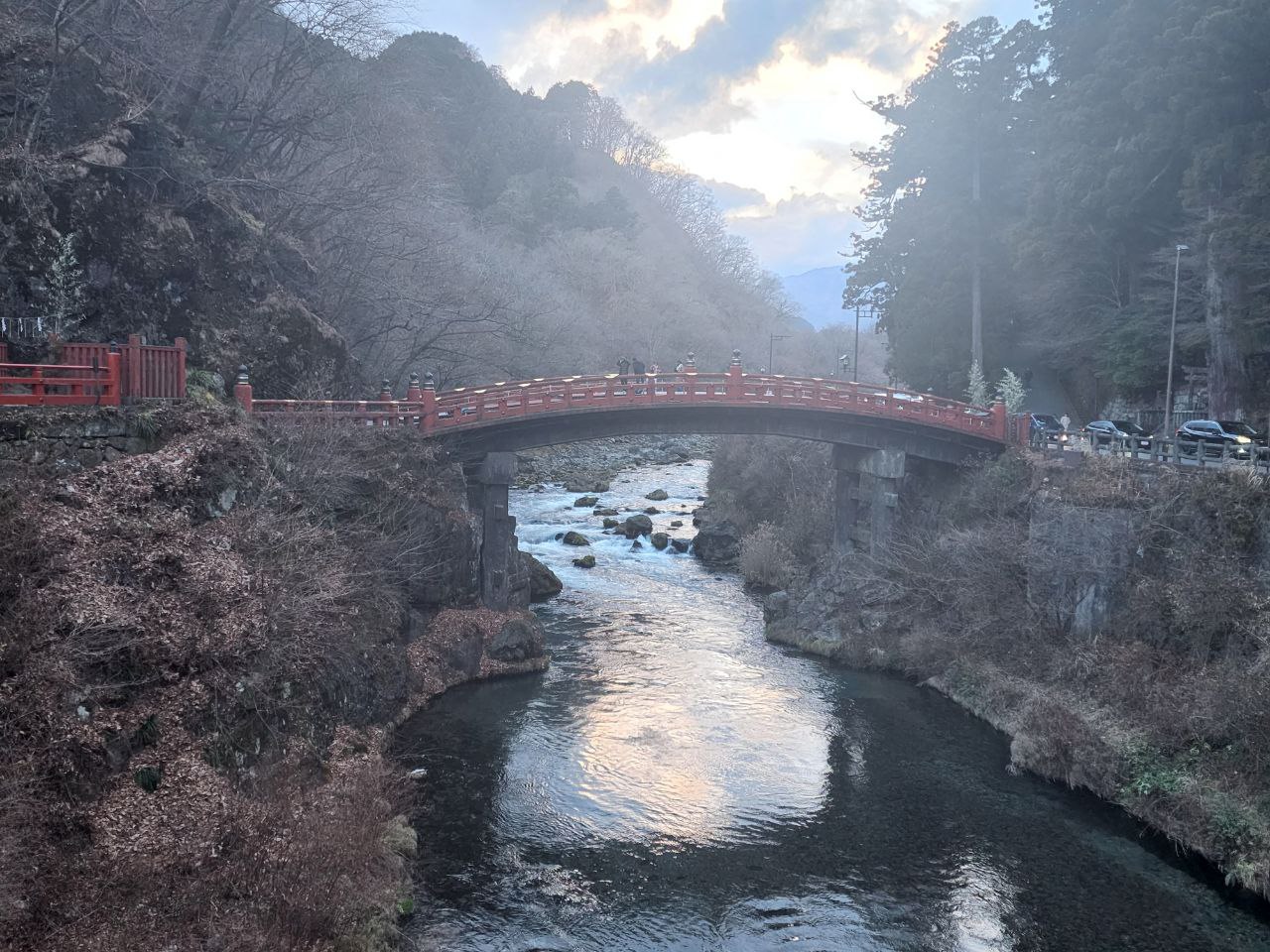
Who is it for? Anyone curious about how Japan's modern imperial family lived, anyone who enjoys wooden architecture and garden views, and anyone who wants a quiet counterpoint to the shrine day. Younger children may find the long corridors dull, but a short visit with a rest stop in the garden works well. Together with Shinkyo Bridge and the riverside walk, it makes an easy half-day that avoids the busiest shrine crowds.
What to expect
The experience
A one-way walk through the villa's rooms and corridors in socks or slippers, with garden views and short English signs along the way.
Best time
Weekday mornings for peace; the gardens are at their best in late spring and in autumn.
How long
One to one and a half hours at an unhurried pace.
Tips
Wear socks, dress warmly in winter because the floors are cold, and check the weekly closing day and shorter winter hours before you go.
Quick picks
- Best for
- Architecture lovers and anyone who wants a calm, uncrowded change from the shrines.
- Families
- Best for older children; younger ones tire of the long corridors, so plan a garden break.
- Couples
- A quiet, refined stop, especially in autumn when the garden colours show through the open screens.
- Pair with
- Shinkyo Bridge and Kanmangafuchi Abyss for a relaxed town-side half day.
- Time needed
- One to one and a half hours.
Good questions
What is the Tamozawa Imperial Villa?+
It was a retreat for the imperial family, built and expanded around the turn of the twentieth century. It is now a memorial park whose rooms and gardens are open to the public.
Is it worth visiting in the rain?+
Yes. The route is mostly indoors, with garden views through open screens, which makes it one of the better wet-weather options in Nikko.
How do I get there?+
A bus toward Chuzenji Onsen from either Nikko station reaches the Tamozawa stop in about ten minutes. The stop is named after the villa.
Do I need to take my shoes off?+
Yes. Shoes come off at the entrance, so wear socks. The floors can be cold in winter.
Is it open every day?+
No, it closes on one weekday each week and keeps shorter hours in winter. Check the current schedule before you plan your day around it.