Nikko can be a wonderful family trip, but it is easy to get wrong. The famous shrines involve stone steps, quiet halls and long explanations, which small children find hard, while the best family sights are tucked into the Kinugawa area and the mountains. The secret is to mix the two, with short, visual doses of history and plenty of room for play. This guide sorts the options by age and energy, with practical notes on pacing, transport and rain.
Make the shrines short and visual
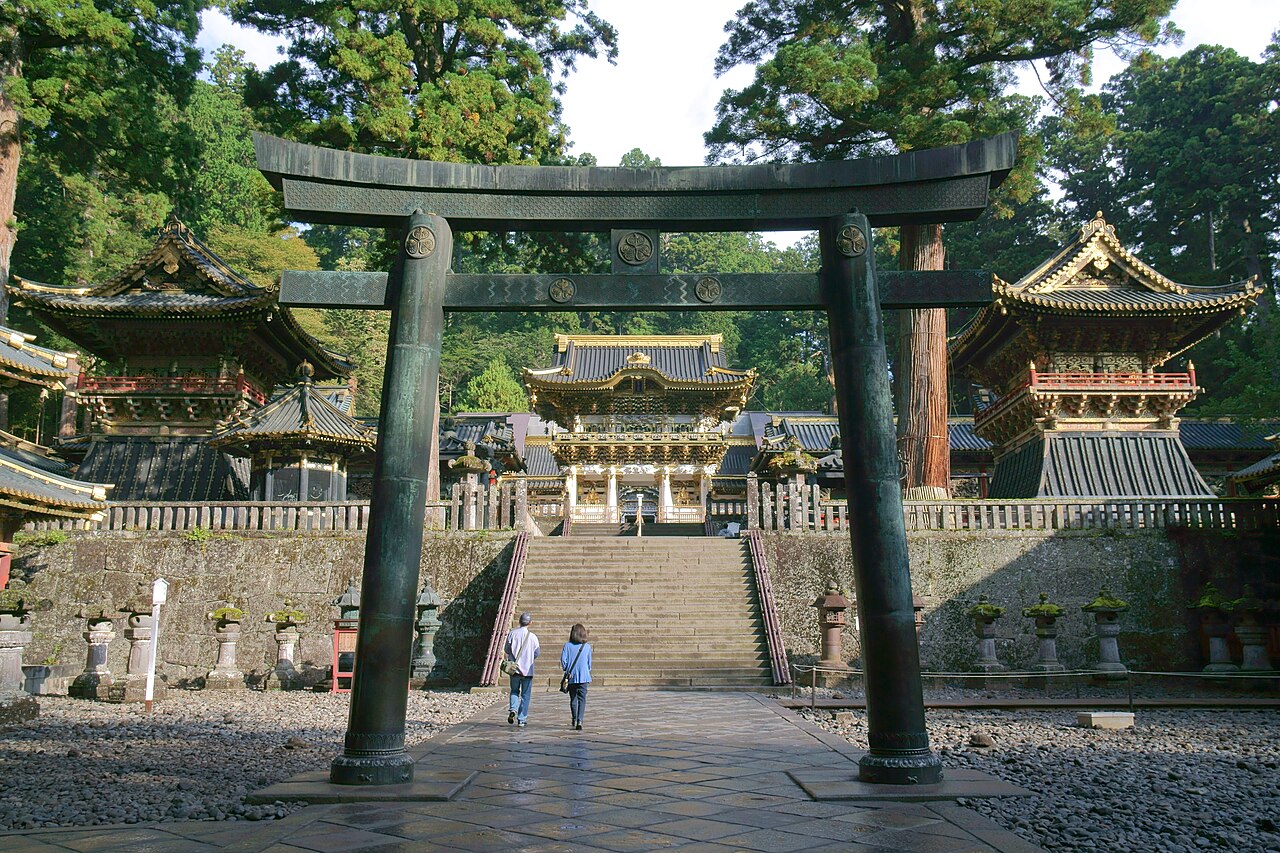
Toshogu is the best shrine for children, because the carvings tell stories that kids can hunt for: the three wise monkeys on the stable, the sleeping cat above the gate to the tomb and the dragons on the ceiling. Turn it into a game by listing a few things to find before you go. Plan on ninety minutes rather than half a day, skip the long climb to the inner tomb with toddlers and bring snacks for afterward. Rinnoji's giant gilded statues in Sanbutsudo are impressive for most ages, though the hall is hushed and shoes come off. Younger children may enjoy the hall less than the courtyard outside, so keep it to a short look.
Choose the theme parks for the long middle of the day
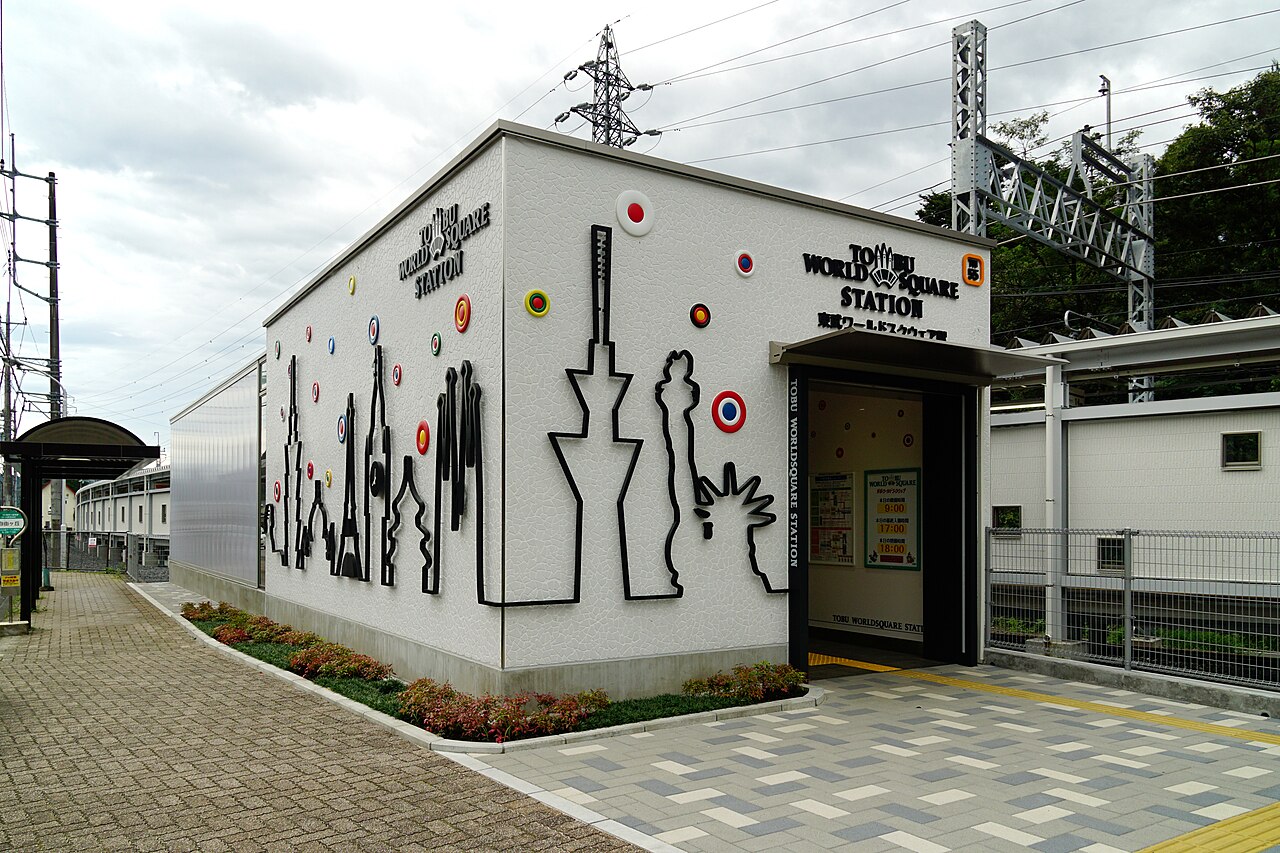
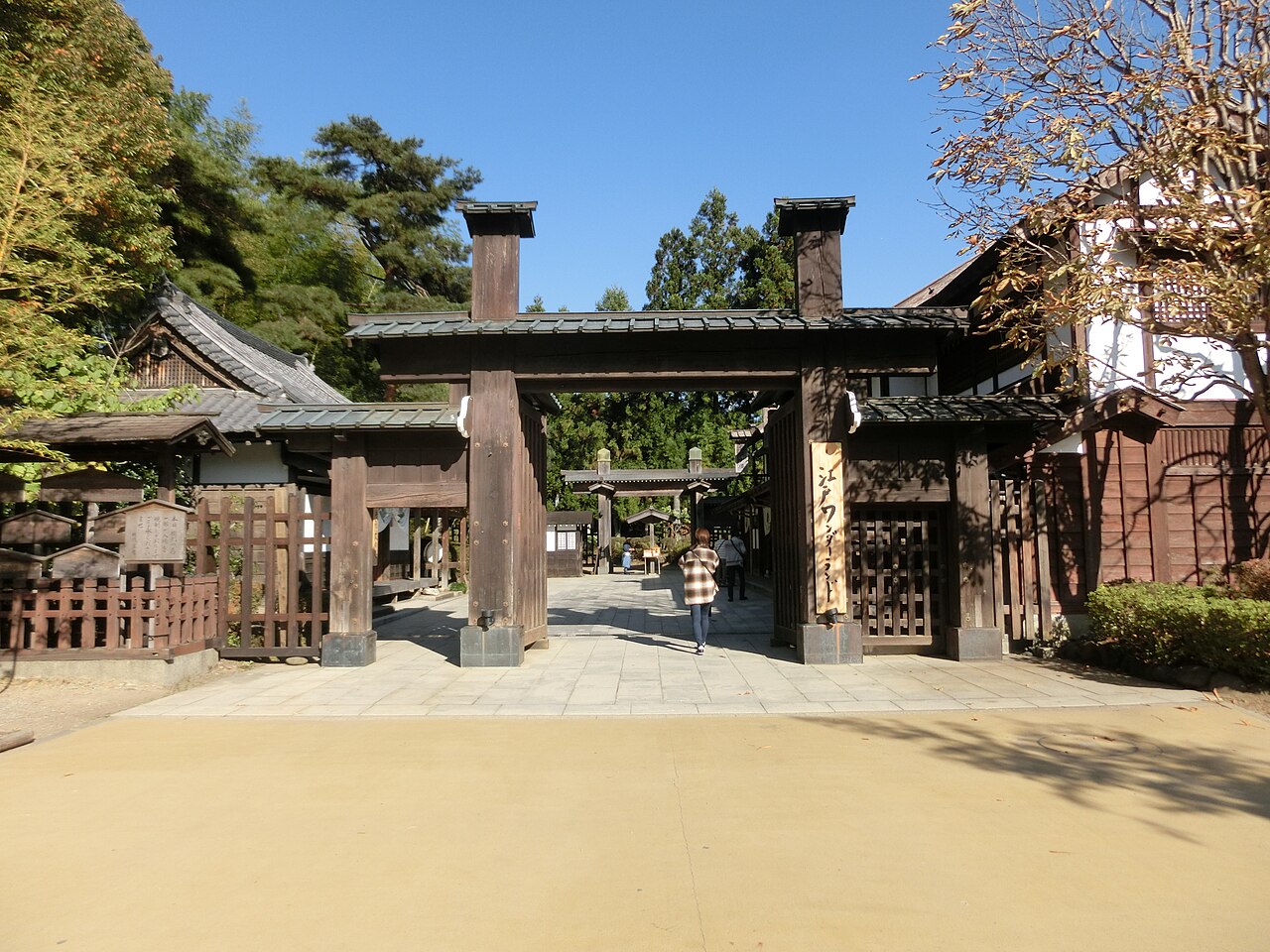
Edo Wonderland is the star for families, a re-created Edo-period town where staff dress as samurai, ninja and townsfolk, with shows, mazes and hands-on activities. Costume rental and ninja training are popular with children. It is open most days and closed on Wednesdays, and in winter it closes in the late afternoon, so start early. Tobu World Square is an easier outing for small children, with 1:25-scale models of the world's famous buildings laid out on flat paths, and with a good chance of spotting models of familiar landmarks. Both parks are indoors and out, and both work well in rain, though warm clothes are essential in winter.
Use the outdoors in short bursts
Waterfalls suit children well. Kirifuri Falls is the easiest, with a bus ride and a fifteen-minute walk, and Kegon Falls has a lift to a platform at the base where kids can feel the spray. The Kinugawa river boat ride is gentle, takes about forty minutes and is a hit with most ages, though it runs only in the warmer months. Cedar avenue and the Kanmangafuchi riverside path are flat and shady, so they work for strollers and for children who want to run. Avoid the high mountains in winter with little ones, as the roads can be icy and the cold is severe.
Where to sleep
For families, the Kinugawa area is the easiest base, because the parks and the hot springs are close together. Many hot-spring hotels offer large Japanese-style rooms where the whole family sleeps on futons, and children usually enjoy the novelty. Check the family bath arrangements, as most baths are separated by gender, and some inns offer private baths that can be booked. The Nikko Station Hotel Classic, directly in front of the station, is an easy choice for rail travellers who need simplicity, with a free light breakfast. For a special night, KAI Kinugawa suits families with older children who appreciate a ryokan experience.
Pacing and logistics
Buses are frequent to the shrines and less so to the lake and highland, so give children a longer lunch break and check return times. Carry a small bag with water, snacks, a change of clothes and a rain jacket, because weather in the mountains changes quickly. Strollers cope with the main shrine paths but struggle with the stone steps and gravel, so a baby carrier is often more practical. Toilets are available at the shrines and parks, but fewer on the mountain trails.
A simple family plan
On day one, spend the morning at Toshogu and the afternoon at the Shinkyo Bridge and Kanmangafuchi riverside path. On day two, go to Kinugawa for Edo Wonderland, stay overnight in a hot-spring hotel and visit Tobu World Square the next morning, or do the river boat ride in the season. If a third day is possible, add Kirifuri Falls or a trip up to Kegon Falls, and be home by early evening.