Three days is the length of stay that lets Nikko breathe. A single day from Tokyo covers the headline shrines and little else, and two days forces a choice between the mountains and the hot springs. With three, you can give each of Nikko's three personalities its own day, sleep in two different places and still have time for the quieter sights that most visitors miss. This plan assumes you arrive by train in the morning of day one and leave on the afternoon of day three, and it can be shifted by a day in either direction.
Day one: the shrine district
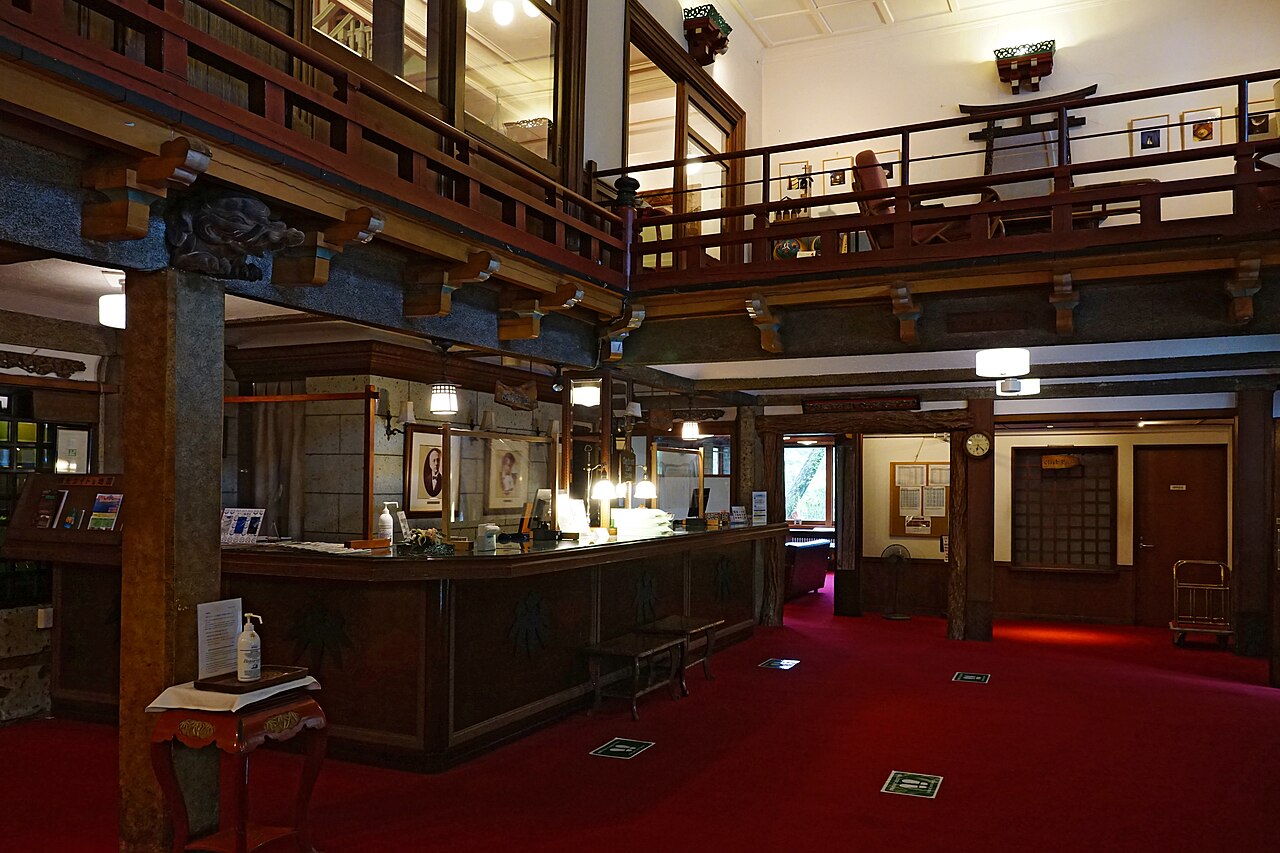
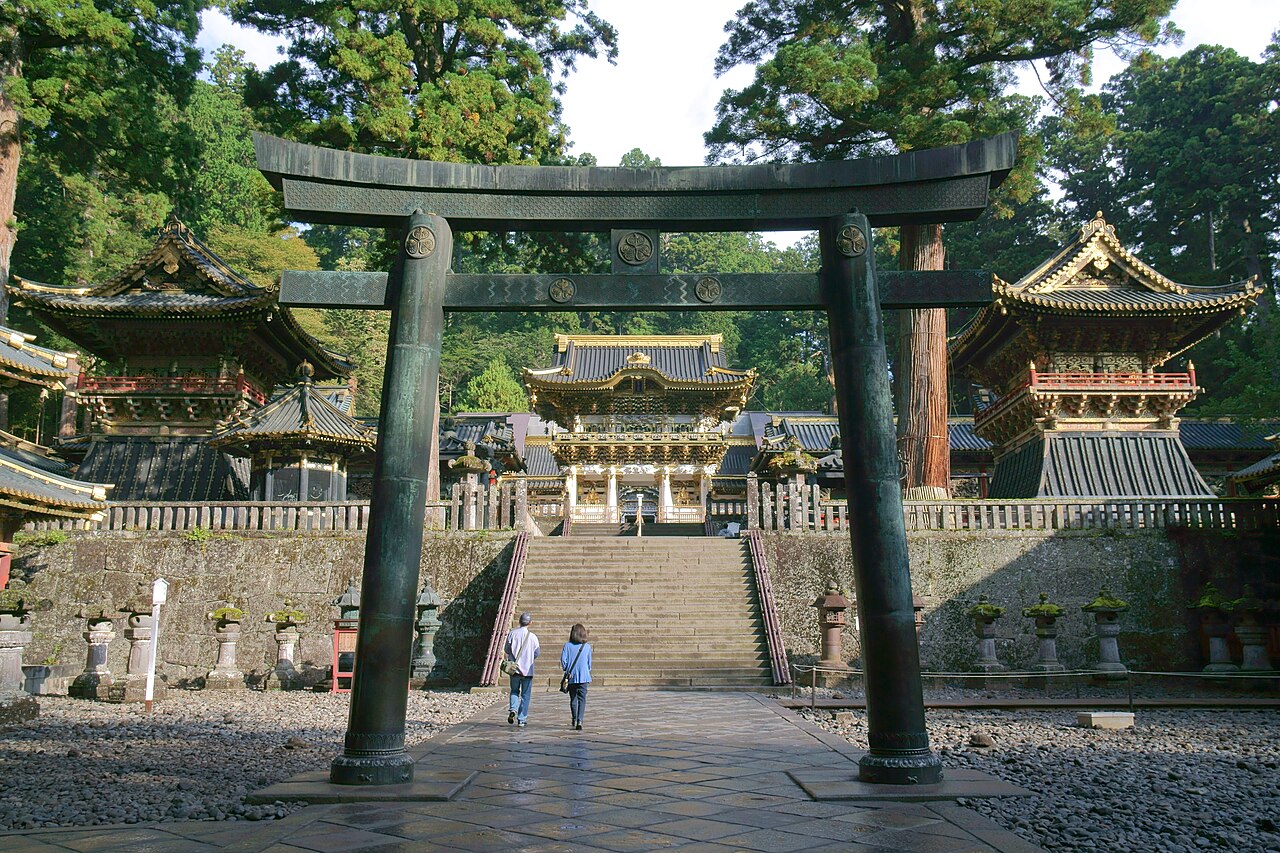
Take an early train and go straight to Toshogu, ideally arriving when the gate opens, so you can climb to the Okumiya, the inner tomb, before the courtyards fill. Spend the middle of the day on the main circuit, with the gilded Yomeimon gate, the carved monkeys and the sleeping cat. Then move on to Rinnoji's Sanbutsudo hall and Futarasan Shrine, and finish with Taiyuin, the quieter mausoleum of the third shogun, in the afternoon light. The shrines close early from November, so plan to finish by four. Walk down to Shinkyo Bridge as the day ends, then sleep in town, either at the Nikko Kanaya Hotel above the bridge or at the Nikko Station Hotel Classic if you prefer simplicity near the trains.
Day two: the mountain lake and the waterfalls
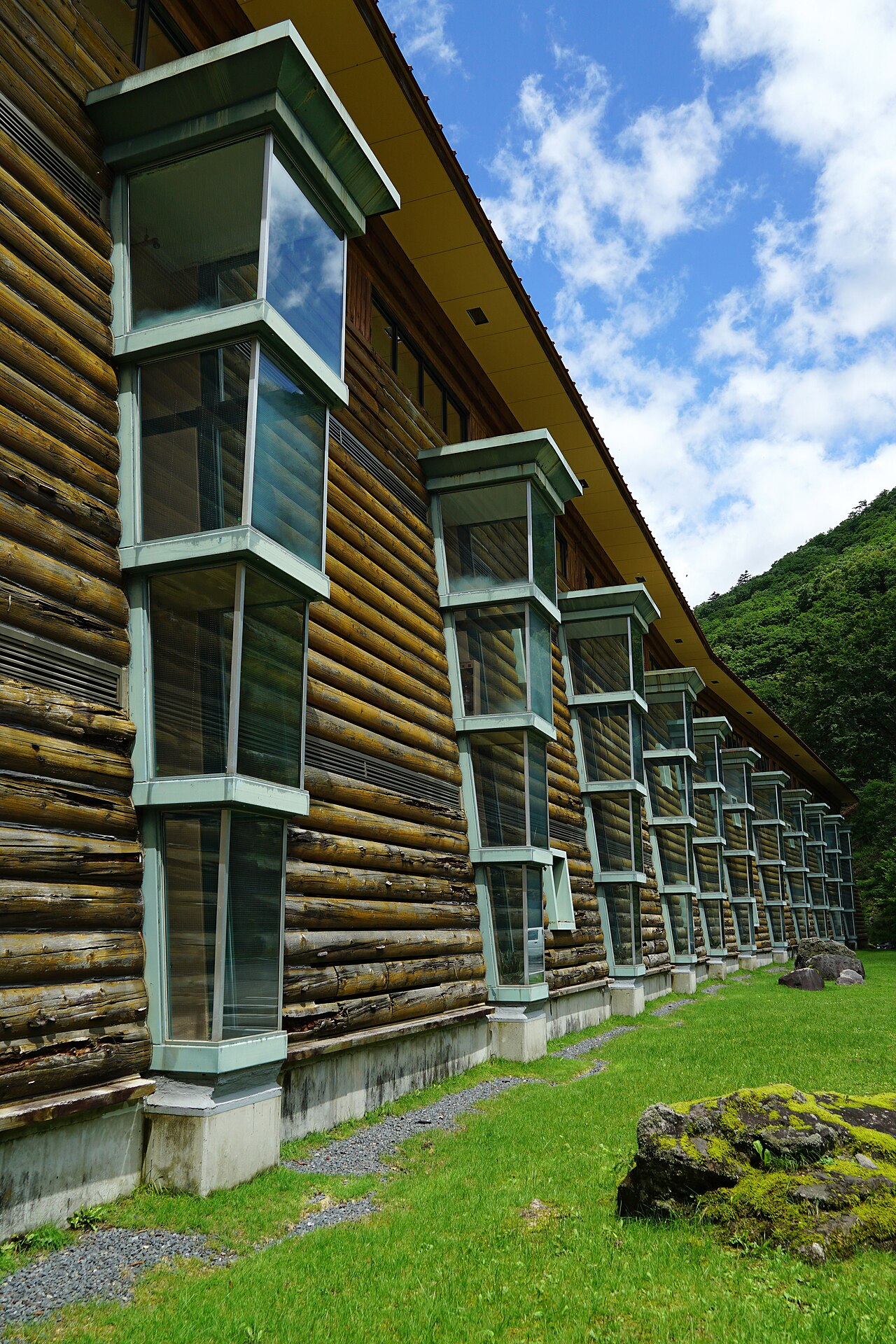
Take the bus up the Irohazaka's forty-eight hairpins to Lake Chuzenji and Kegon Falls, and leave the town behind. The lake is cooler and quieter, and the falls are most impressive in the morning, when you can ride the lift to the base platform before the tour groups arrive. From there, you can continue by bus to Ryuzu Falls, the long cascade that is another of Nikko's three great falls, and on to the Senjogahara marsh, where a boardwalk path crosses open wetland. Buses to the upper valley run less often than those in town, so check the last return before you start. If you want to stay up the mountain, a night at the Chuzenji Kanaya Hotel or at KAI Nikko puts the lake on your doorstep for sunset and dawn.
Day three: Kinugawa and the quieter sights
The third day is a choice, and it depends on who is travelling with you. For a hot-spring night and a slower pace, head south to Kinugawa Onsen on the morning train, take the river boat ride if it is the season, and spend the afternoon in the baths. For families, make the third day a theme-park day, with Edo Wonderland and Tobu World Square close to Kinugawa. For walkers and those who like quiet, spend the morning in the town's lesser-known places: the Tamozawa Imperial Villa with its polished corridors and gardens, the cedar avenue that once led pilgrims to Toshogu, or Kirifuri Falls, a short bus ride from the stations. Any of these can be done in a half-day and leaves time for the return train.
Getting around
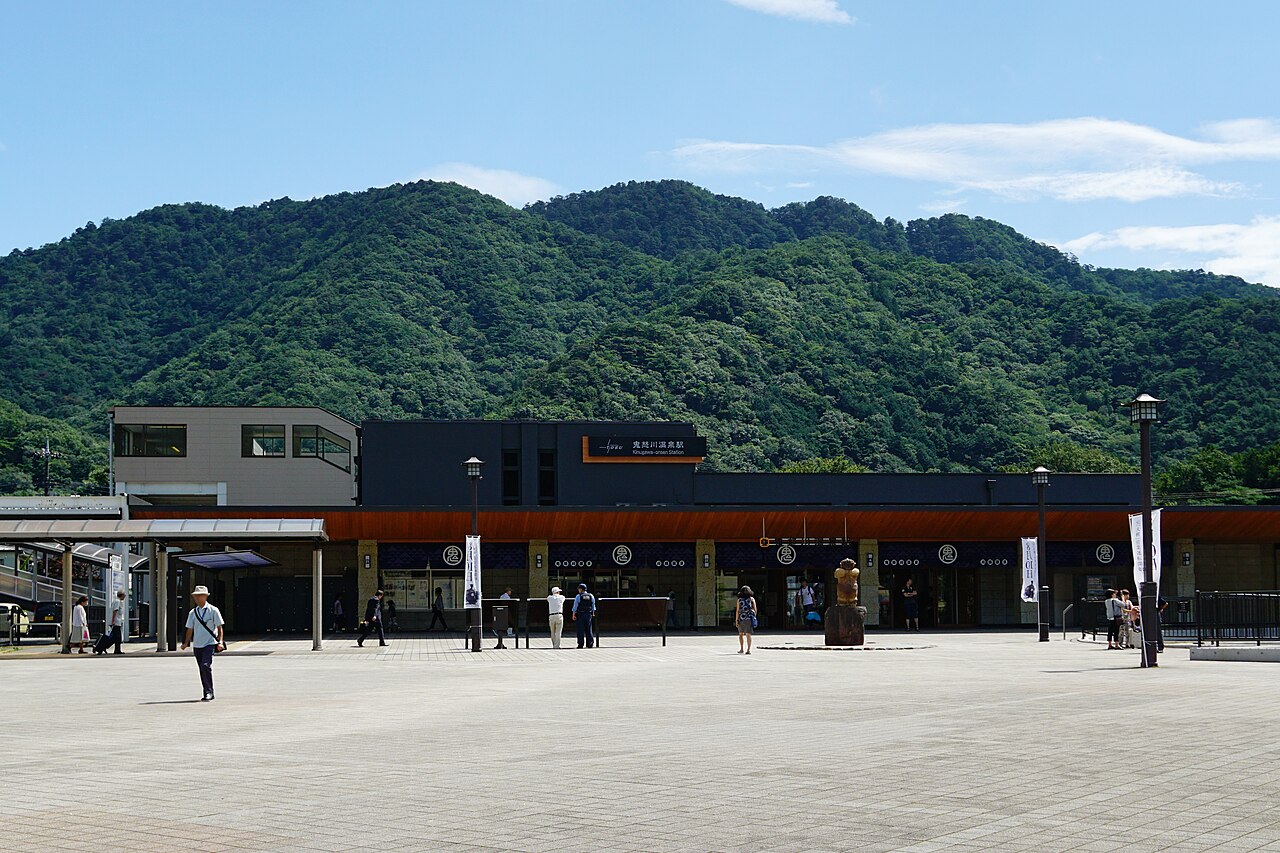
Buses connect the two Nikko stations with the shrines, the lake, the highland and the Kinugawa area, and regional passes that include them are worth pricing if you plan to ride them more than a few times. The two stations are close to each other, so it does not matter which you use. Taxis help with luggage to hotels on the hill, and the Nikko Kanaya Hotel and others run shuttles from the stations. Walking between the stations and the shrines takes thirty to forty minutes and is pleasant on a fine day, as it passes the bridge and the old shopfronts.
Choosing the season
The three days work in any month, but the details change. In the first half of November, the valley around the shrines is at peak colour, while the mountain colour is already fading, so swap the order and give the valley more time. In winter, the shrines are closed to visitors at four, the roads to the lake need winter tyres or chains in snow, and the buses run reduced timetables, but the reward is snow-dusted shrines and a very quiet lake. In spring and summer, the highland is the best place to be, with cooler air and flowers, and the river boat ride runs.
Packing and pacing
Bring layers, because the temperature drops sharply between the valley and the highland, and shoes with a good grip for steps and wet paths. Keep your first morning light, because the shrine day involves a lot of walking and stairs. Book hotels early for the autumn weekends, and do not try to add the Okunikko hot-spring village of Yumoto into the same three days unless you drop another stop: it is a long ride from town and deserves an overnight of its own.
If you only have two days
Combine day one and day two as written and skip day three, or choose Kinugawa over the mountains if you are travelling with children or want a hot-spring night. If you have four, add a night at Lake Yunoko and Yumoto Onsen, and walk to Yudaki Falls and the Senjogahara trail the next morning.