Nikko sits in the mountains north of Tokyo, and its seasons are more pronounced than the capital's. The valley with the shrines is lower and warmer than the highlands above it, so colour, snow and temperature all arrive at different times in different places. That is the key to planning: ask not just when to come, but where you will be. The sections below describe each season in the order most visitors weigh them, with the pros and cons of each.
Autumn: the headline season
Autumn colour is the main reason many people choose Nikko, and the timing is staggered by altitude. The high ground around Lake Yunoko and Senjogahara usually colours first, from late September into early October. Lake Chuzenji and the Irohazaka road follow in the second half of October. The valley around Toshogu, Shinkyo Bridge and Kanmangafuchi Abyss usually peaks in the first half of November, and by the second half the colour has moved down toward the town. The result is that you can chase the colour downhill for six weeks. The costs are crowds and prices. Weekends in peak weeks are very busy, the roads to the lake can back up, and hotels fill early, so book as far ahead as you can and go on a weekday if possible.
Winter: quiet, cold and beautiful
From December, Nikko is a different place. The shrines close earlier than in summer, with the last entry about thirty minutes before the four o'clock close from November, and the days are short, so start early. Snow is possible on the high roads, the Irohazaka needs winter tyres or chains in snow or ice, and bus timetables to the lake and the highlands are reduced. In exchange, you get snow-dusted shrines, empty courtyards and, in the coldest weeks, frozen waterfalls: Kegon Falls forms blue ice in January and February. Hot springs are at their best in the cold, and hotels are quieter and often cheaper. Seasonal operations such as the Kinugawa river boat ride stop from late November until early April, and the free foot bath in Yumoto closes for winter.
Spring: fresh green and cherry blossom
Cherry blossom comes to the valley in April, later than in Tokyo, and the highlands bloom weeks after that, so it is possible to enjoy spring flowers for a long stretch. Snow can linger on the mountain roads early in the season, so check conditions before heading to the lake. Rhododendrons bloom around Ryuzu Falls in May and June, and the new green on the cedars and maples is a pleasure after the bare winter. Crowds are lighter than in autumn, except around the Golden Week holiday at the start of May, when Nikko is very busy.
Summer: cool air and green shade
Summer is humid in Tokyo, but Nikko's highlands are noticeably cooler, which makes it a popular escape. The cedar avenue and the forest walks are at their shadiest, the waterfalls are full, the river boat ride runs and the lake is at its most relaxed. Expect rain at times, particularly in the early summer rainy season, but mist and wet rock only add to the mood at the falls. Weekends and the August holiday period are busy, but the area is large and easy to escape from.
When are the crowds thinnest?
Weekday mornings in any season are the quietest time at the shrines. Of the seasons, late winter and early summer are generally the calmest, and the deep winter weekdays are the quietest of all. If you must come in autumn, aim for the shoulders, late September for the highlands or the last days of the colour in the valley, and avoid the main weekends.
How to choose
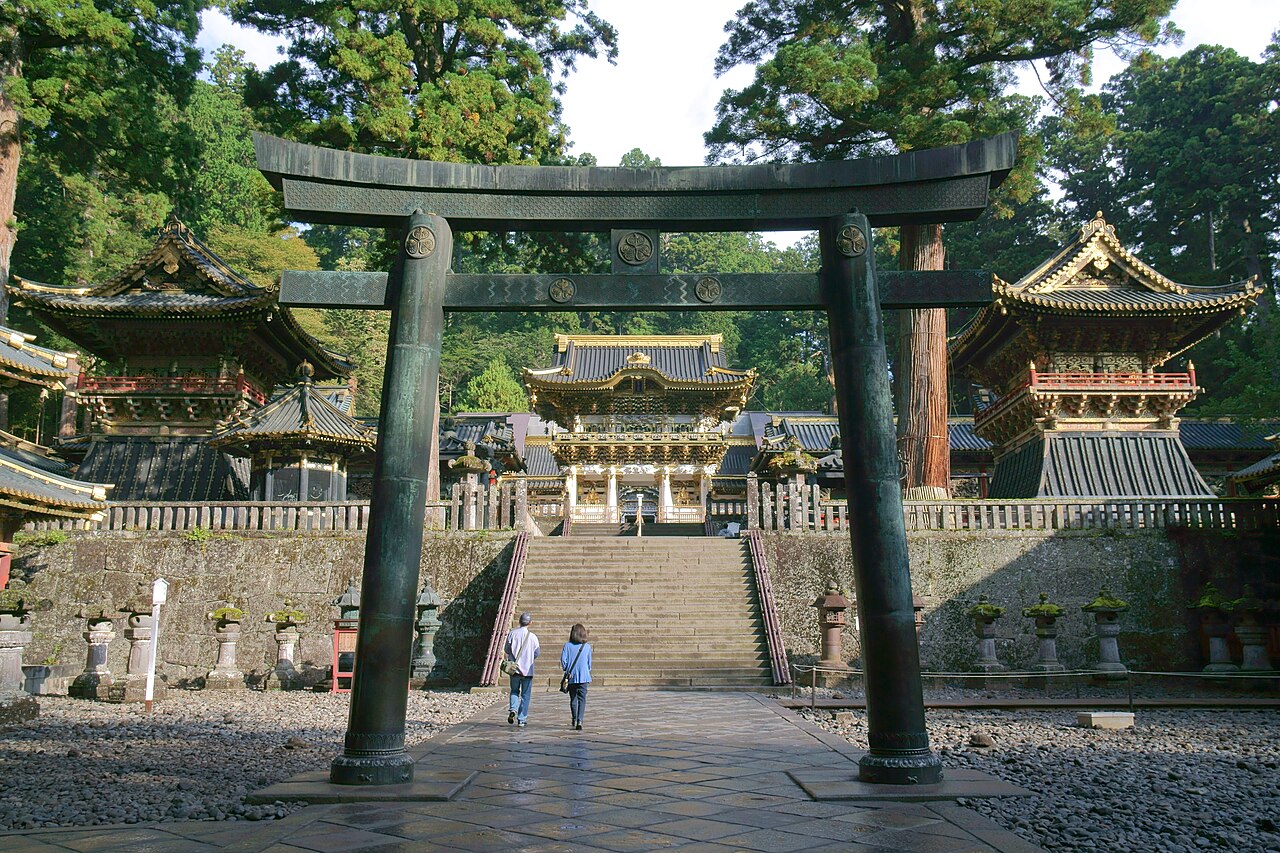
If colour matters most, plan for the second half of October for the lake and the first half of November for the shrines. If you want snow and quiet, choose January and February and bring warm clothes. If you want walking and waterfalls, choose May to early July, or September. If you want a hot-spring weekend, anything from November through March is ideal. For the shrines themselves, which are open every day and are at their best in any light, any month works, and a weekday morning is the best time of all.