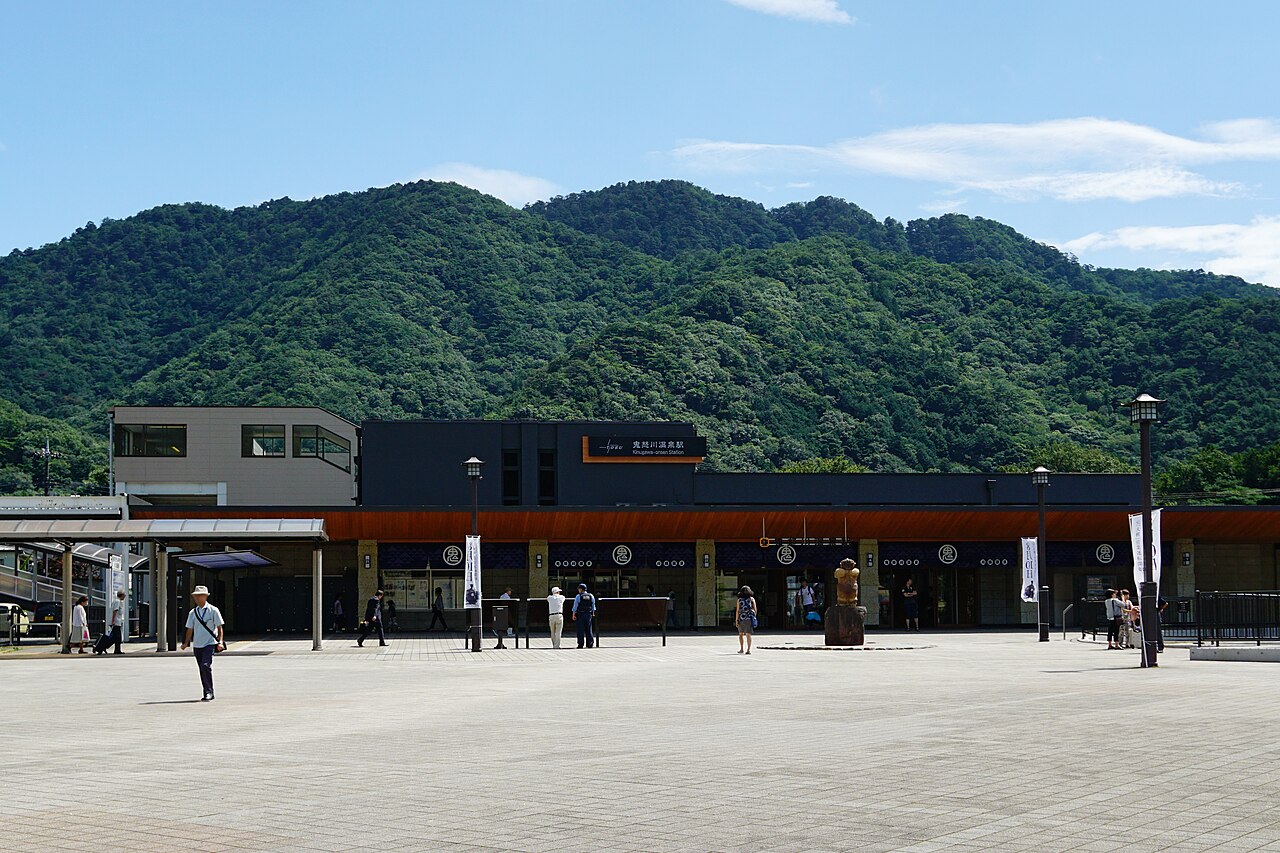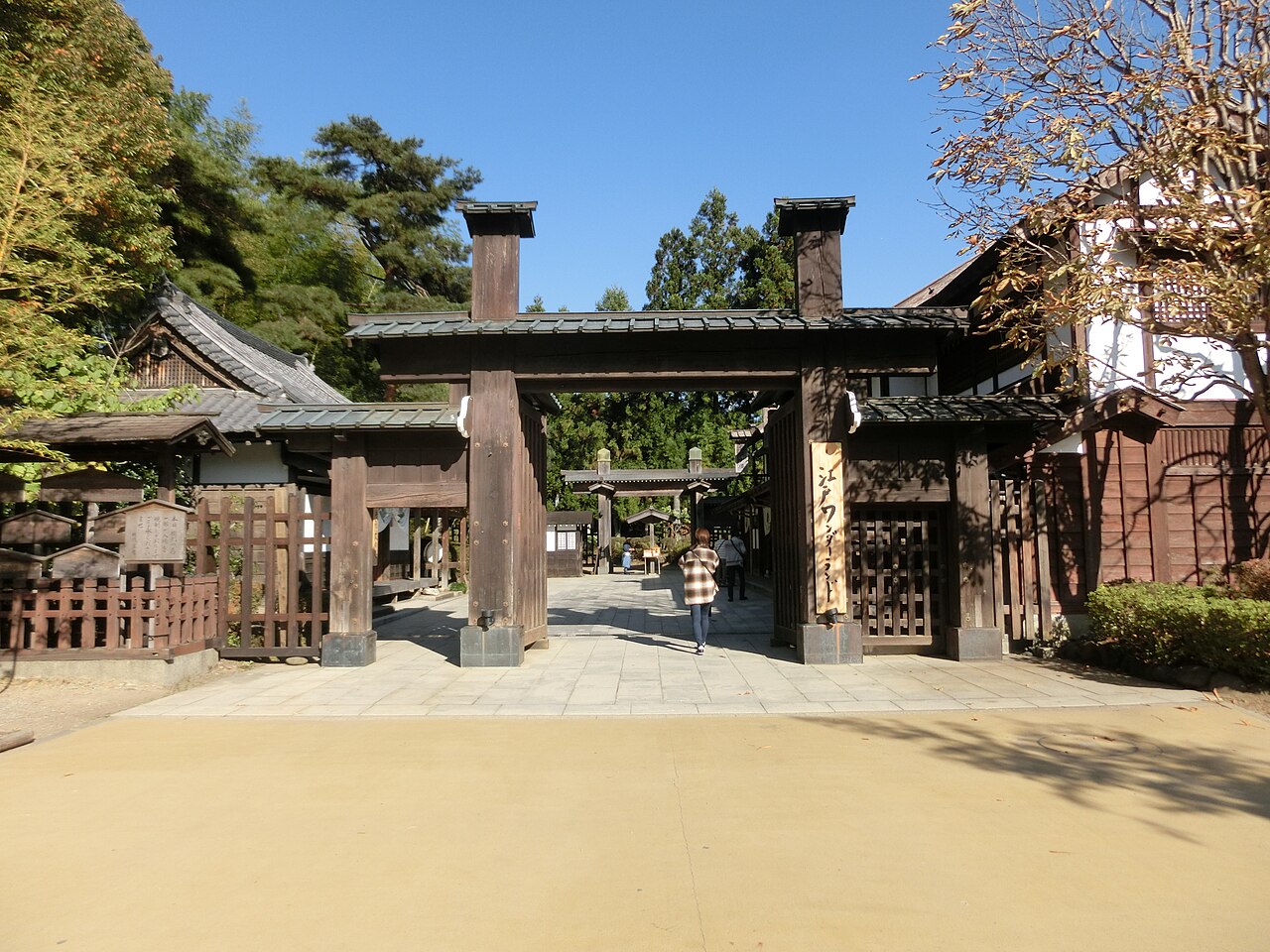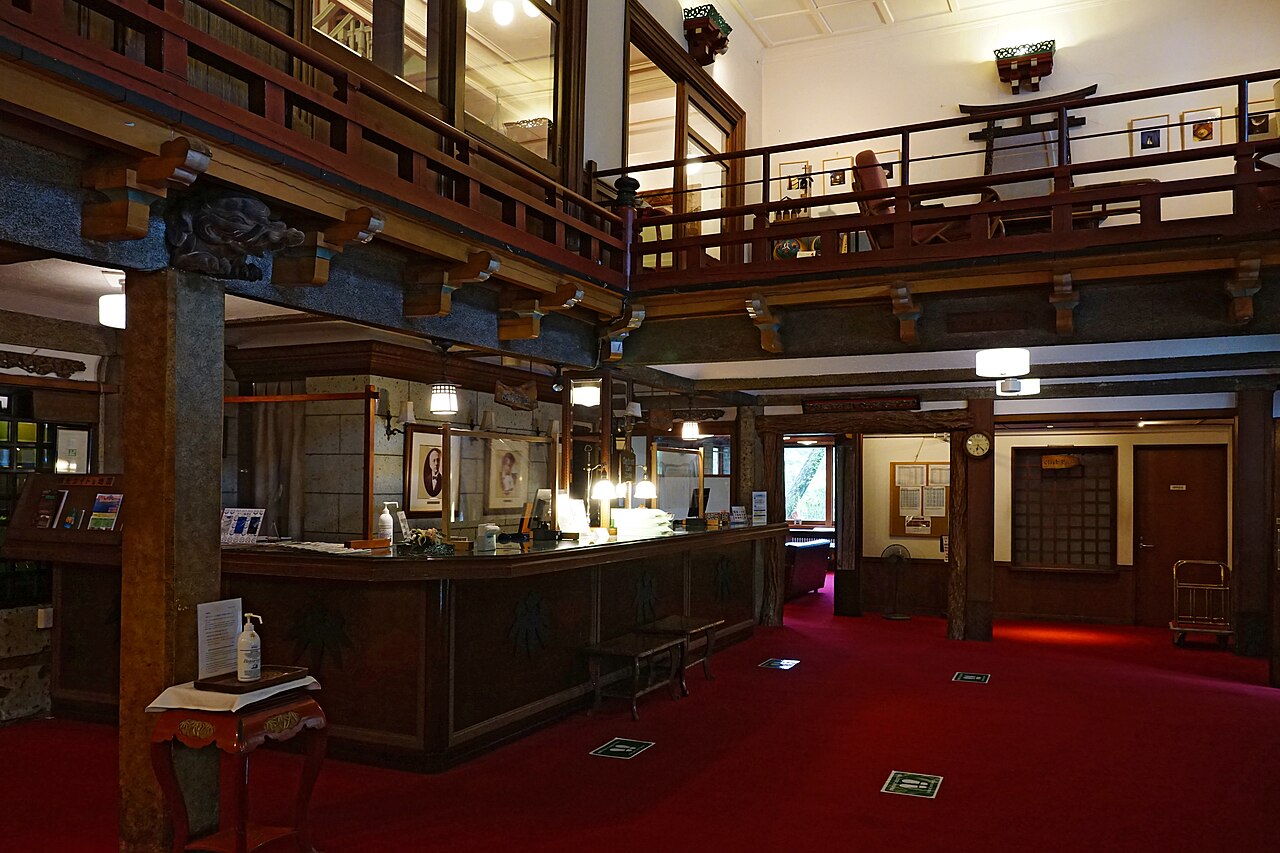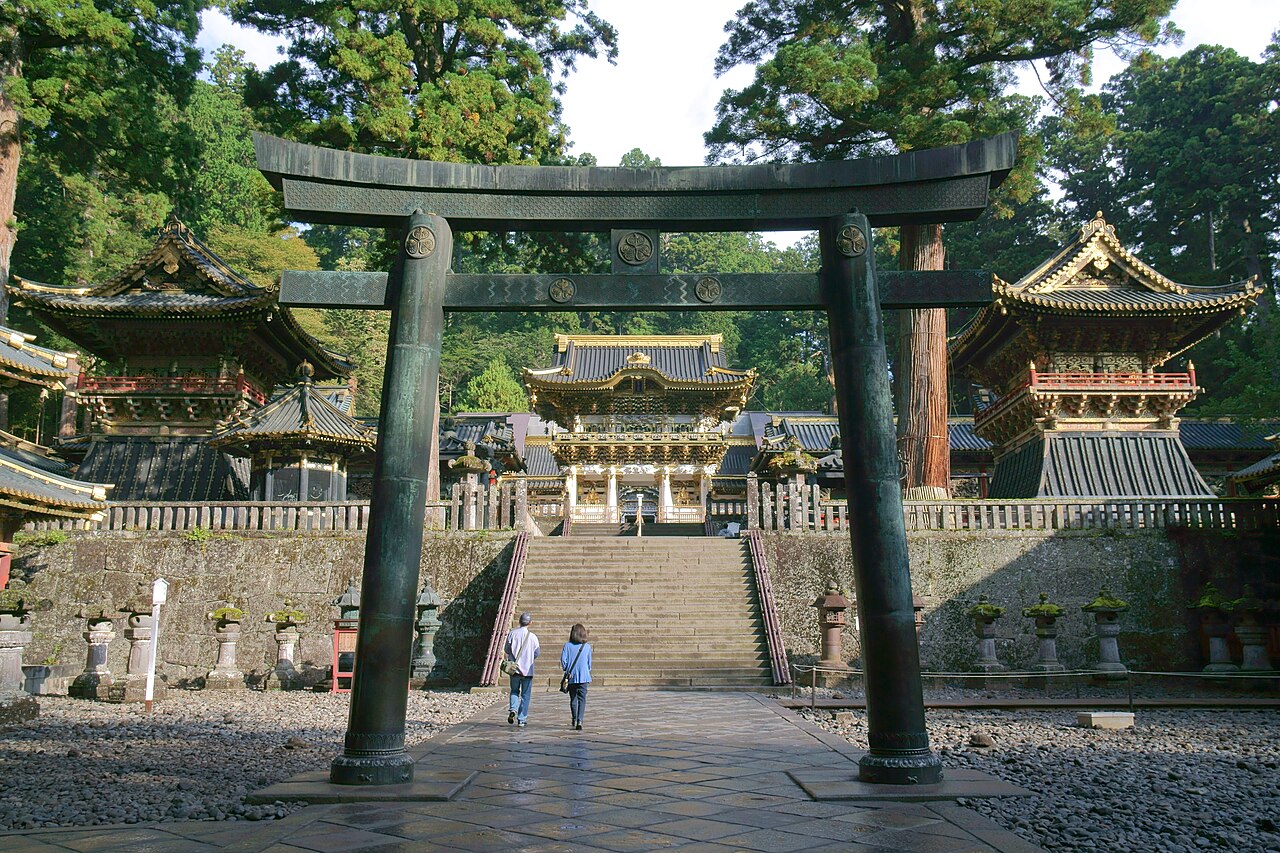
Nikko is a mountain town about two hours north of Tokyo by train, and it packs three different trips into one area: a World Heritage cluster of shrines and temples in the valley, a high-country district of lakes, waterfalls and marshes above it, and a hot-spring and theme-park zone to the south around Kinugawa. Most first-timers come on a day trip from Tokyo, which works, but it only touches the first of the three. This guide is about choosing the right shape for your visit.
What to book ahead
Very little needs booking, which is part of the charm. Toshogu, Rinnoji and Futarasan sell tickets at the gate. The things worth reserving are a hotel in the first half of November, when the valley is at peak colour and rooms go early, a night in a hot-spring hotel if you want dinner included, and a guided day from Tokyo if you prefer not to manage trains and buses. Edo Wonderland and Tobu World Square can be bought in advance, and Edo Wonderland is closed on Wednesdays, so plan around that.
Getting here and around
Tobu trains from Asakusa and JR trains from Tokyo both reach Nikko in about two hours. From the two stations, which sit close together, buses run to the shrines in about ten minutes, to Lake Chuzenji in about forty, and to Okunikko in an hour or more. Regional passes that cover the buses are worth pricing if you plan more than one trip up the mountain. Walking from the stations to the shrines takes 30 to 40 minutes and passes Shinkyo Bridge, so many people walk up and ride back.
How many days
One day is enough for the shrine district, if you start early: Toshogu, Rinnoji and Futarasan, with Shinkyo Bridge on the way and Kanmangafuchi Abyss if you have energy. Two days lets you add either the mountain side, with Lake Chuzenji and Kegon Falls, or the Kinugawa side, with a night at a hot-spring hotel and a visit to Edo Wonderland or Tobu World Square. Three days covers all of it without rushing, and is the right length if you want to walk the Senjogahara marsh in good weather.
Where the sights fit
Toshogu is the headline and deserves two to four hours. Rinnoji and Futarasan are short add-ons beside it. Lake Chuzenji and Kegon Falls make a half day by bus or car. Senjogahara is a long half day by itself. Kinugawa Onsen, Edo Wonderland and Tobu World Square form a separate cluster to the south, linked by train and bus, and they suit families and rainy days.
Late autumn and winter, plainly
By early November the colour in the valley around the shrines is at or near its peak, usually for the first half of the month, but the mountains are past theirs. Lake Chuzenji is just past peak, and Okunikko and Senjogahara have lost their gold. Days are short, with sunset around half past four, and the shrines close at 4 pm from November, so start early. From December, snow becomes possible on the high roads, and the Irohazaka needs winter tyres or chains when icy. Buses run reduced timetables, Kegon Falls freezes into blue ice in January and February. Dress in layers, and check road and bus conditions before heading up.
The honest adjustments
If it is raining, favour the shrines and the indoor halls, since the carvings look good in wet light, and save the lake for another day. With small children, choose Edo Wonderland or Tobu World Square over a long hike. If you have only one day from Tokyo, choose a guided tour or start on the first train and stay with the shrine district rather than trying to cover the mountains too.
A simple plan
On day one, take an early train, climb to Toshogu, see Rinnoji and Futarasan, walk down by Shinkyo Bridge and sleep in the town. On day two, ride the bus up to Kegon Falls and Lake Chuzenji, return to the town and move on to Kinugawa for a hot-spring night, then visit a theme park on the third morning before returning to Tokyo.