The Sacred Valley is one of the great pantries of the Andes. The river valley's warmth and fertile soil have grown corn, potatoes and quinoa for thousands of years, and the cooking here is built on those ingredients rather than on the seafood that dominates the coast. You can eat extremely well, from market stalls to hotel dining rooms, if you know what to look for. This guide covers the dishes and drinks worth seeking out and a few practical points to keep your stomach happy at altitude.Corn, in every form. The valley is famous for choclo, a variety of corn with very large, pale, chewy kernels. You will see it served boiled on the cob with a slab of fresh cheese, tossed into salads and soups, and ground into drinks and desserts. Roasted corn kernels called cancha are a standard snack with a drink, and fresh corn cakes appear at markets. The corn is mild and slightly sweet, and it makes an excellent simple lunch.Potatoes and the Andean pantry. Peru grows thousands of potato varieties, and the valley's markets show off yellow, purple and speckled types of every size. Look for causa, a cold layered potato dish, and for soups thickened with potato and fresh herbs. Quinoa soup is a warming option on cool evenings, and you may also meet oca, olluco and other tubers on menus. Fresh trout from highland streams is another valley staple, often grilled or pan-fried.Pachamanca and other earth-oven meals. Pachamanca is the traditional Andean feast, in which meat and vegetables are cooked underground between hot stones, giving a smoky, tender result. It is usually a group meal and often requires advance notice, so ask your hotel or a local restaurant. Roast guinea pig, known as cuy, is the most famous regional specialty, and it is typically a celebratory dish. Adventurous eaters can try it, while those who prefer something familiar will find alpaca steaks, roast chicken and plenty of vegetarian options.Market food in Pisac. The Pisac market is a good place for an informal bite. Look for the bakeries that sell empanadas baked in traditional clay ovens, and for stalls selling fresh fruit, juice and snacks. Choose busy stalls with food cooked in front of you and wash or peel fruit. Carry small notes and coins, since many vendors do not have change for large bills.Drinks to know. Chicha de jora is a traditional corn beer with a tangy, earthy flavour, served in small shops marked by a red plastic bag or flag on a pole. It is lightly alcoholic and very different from commercial beer. Chicha morada, a sweet purple corn drink spiced with cinnamon and clove and flavoured with fruit, is non-alcoholic and refreshing. Coca tea is widely offered and traditionally used to ease altitude symptoms. Pisco sours are the national cocktail and appear on every bar menu, though one drink hits harder at altitude than at the coast.Chocolate and coffee. Peru produces excellent cacao and coffee, and both are easy to enjoy in the valley. A bean-to-bar chocolate workshop in Ollantaytambo is a fun, hands-on way to learn how cacao becomes chocolate, and you take your creations home. Good coffee is served in cafes in Urubamba, Pisac and Ollantaytambo, often with local beans.Cooking classes and tastings. A cooking class in the valley usually starts with a market visit, then teaches dishes such as ceviche, lomo saltado or traditional stews, and finishes with lunch. Ask in advance about vegetarian options and allergies. Some hotels and lodges also host tastings and chef-led dinners built around local produce, which can be a highlight of a longer stay.Staying well. At altitude, drink plenty of bottled or treated water, take it easy on large, rich meals on your first day and eat steadily rather than skipping lunch. Avoid raw salads and unpeeled fruit from unreliable sources if you have a sensitive stomach, and carry hand sanitiser. Most hotels and established restaurants are careful, and tour lunches are generally safe. Tell restaurants clearly about allergies, because language barriers can cause confusion.Where to eat. The valley's best-known meals are served in hotel dining rooms, where chefs build tasting menus around local produce, and in simple family restaurants in towns like Urubamba and Ollantaytambo. For a splurge, try a riverside resort restaurant. For a casual meal, wander the plaza in Ollantaytambo and choose a place with a view of the ruins. Dinner often starts early and finishes early, particularly outside high season.
Sacred Valley guide
Eating and Drinking in the Sacred Valley
A guide to the food of the Sacred Valley, from giant-kernel corn and potatoes to roast guinea pig, pachamanca, chicha and Peruvian chocolate, with tips on altitude, hygiene and classes.
Mentioned in this guide
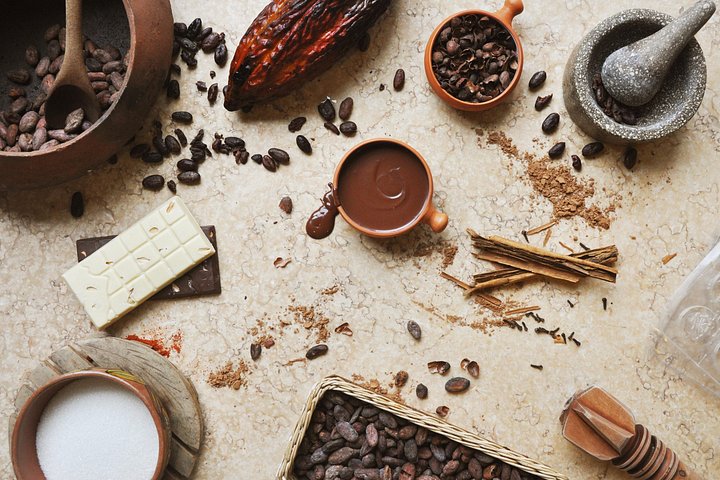
DoBean-to-Bar Chocolate Workshop in Ollantaytambo
A hands-on two-hour workshop in Ollantaytambo that follows cacao from bean to bar, ending with chocolates you made yourself. An easy, rewarding rest from ruins and steep steps.
 Do
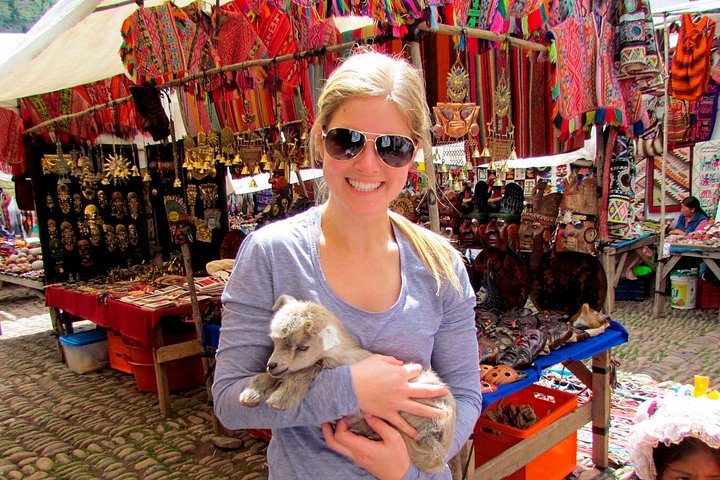
Pisac Ruins and Market
A sweeping Inca citadel of terraces and temples on a spur above the valley, with a craft market in the town below. A private half-day tour takes the stress out of the steep road and the timing.
Urubamba and the Valley Floor
The valley's easygoing hub, with a leafy plaza, a good market, restaurants and farms along the river. A relaxed, lower-altitude base for the whole valley.
 Do
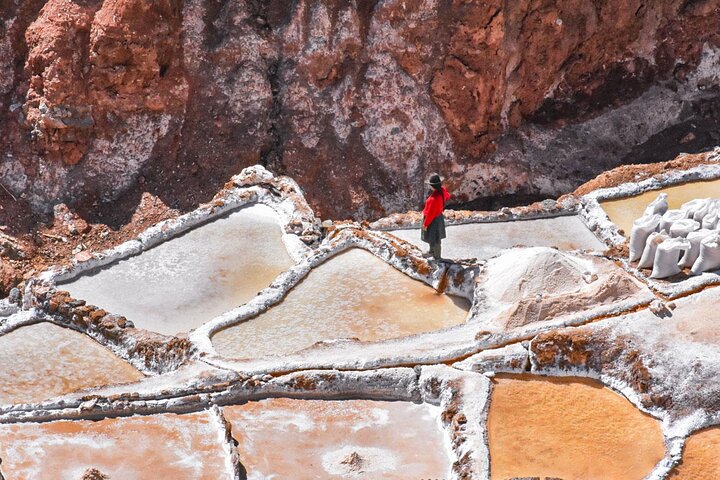
Chinchero Weaving Village
A high Andean village with an Inca-era plaza, a Spanish colonial church and weaving cooperatives where women demonstrate natural dyeing and backstrap weaving. A half-day tour links it with Moray and Maras.
Rio Sagrado, A Belmond Hotel
A riverside luxury hotel with its own station for the Hiram Bingham train to Machu Picchu. Terrace rooms, a spa, a heated pool and alpacas on the lawn, the valley's splurge.
Sauce Hotel Boutique
A small boutique hotel right on the Ollantaytambo plaza with views of the ruins, free breakfast and a restaurant and winery on site. The best location in town for a short stay.
Aranwa Sacred Valley
A large riverside hacienda resort with a pool, a spa, spacious rooms with private hot tubs and a restaurant on site. The valley's comfortable choice for families and groups.