The Sacred Valley can be visited year-round, but the season shapes the experience more than most travellers expect. The valley sits at around 2,800 metres, so days are mild and sunny while nights are cold, and the main variable is rainfall. Understanding the two seasons, and the shoulder months between them, helps you choose the trip that matches your priorities, whether that is clear skies, quieter sites or green scenery.The dry season, roughly May to October. This is the high season. Skies are clear and blue, rain is rare, trails are firm and the views from Pisac, Ollantaytambo and Machu Picchu are at their sharpest. Days are warm in the sun but nights drop close to freezing at the coldest point, particularly in June and July, so you need warm layers in the evening and heating in your room. The trade-off is crowds and prices: popular sites are busier, hotels fill early and trains and entry slots for Machu Picchu sell out well in advance. Book your key tickets as soon as your dates are firm.The rainy season, roughly November to March. Showers are common, usually in the afternoon or evening, and some days bring heavier rain. The landscape turns a lush green, the terraces look their best for photographs and the crowds thin noticeably. Mornings are often clear, so plan outdoor sights early and keep afternoons flexible for a spa, a long lunch or a museum. Paths and stone steps can be slippery, so wear shoes with grip and carry a light rain jacket or poncho. Treks are muddier and some high passes can be cloudy and windy.The shoulder months. April and May, and October and early November, often combine the best of both seasons, with fewer people than in peak months and a good chance of clear days. April brings the end of the rains and fresh green hills, while May is typically a good month for walkers. October can be warm and dry with the first showers arriving late. If your dates are flexible, aim for the edges of the dry season.Festivals and busy dates. Peru's national holidays and Cusco's festivals can bring crowds and higher prices. The Inti Raymi festival around the June solstice is a major event, mostly centred on Cusco and the fortress at Sacsayhuaman, and it fills hotels across the region. Holy Week and the end of July are also busy. Check local calendars when you plan, and book hotels and trains early.Machu Picchu and the seasons. Entry to Machu Picchu follows timed windows and set routes, and the rules can change, so check the conditions for your date. In the dry season you have the best chance of clear views but also the biggest crowds. In the rainy season you may see cloud and mist, which can be atmospheric, and you will want a poncho. February is often the wettest month, and the Inca Trail is traditionally closed for maintenance during that month, so check whether your chosen route is open.Altitude and health. The valley is lower than Cusco, so it is a good place to acclimatise. Whatever the season, drink water, avoid heavy meals and alcohol on the first day, and listen to your body. Sunburn is a real risk in the thin air, even on cloudy days, so bring sunscreen, a hat and sunglasses. In the rainy season, add insect repellent for lower, warmer spots.What to pack. A layering system works year-round: a warm fleece or down jacket, a waterproof shell, a sun hat and comfortable shoes with grip. In the dry season add thermal layers for evenings and early starts. In the rainy season bring a quick-drying pack cover and a spare pair of socks.Booking and flexibility. Whatever the season, book Machu Picchu entry, trains and any treks first, then fit the rest around them. In the rainy season you can often arrange valley tours a few days ahead, and the flexibility lets you shift an outdoor day to a clearer morning. In the dry season, popular guides and small-group tours fill up, so reserve a week or more in advance if you can.Our suggestion. For clear views and reliable trekking, go from late April to early October and book early. For fewer crowds and a greener valley, go in the rainy season and plan around the weather. For the best balance, target May or October. Whichever month you choose, build in a spare day for delays and give yourself at least three nights in the valley.
Sacred Valley guide
Best Time to Visit the Sacred Valley
When to go to the Sacred Valley: how the dry and rainy seasons differ, what each month feels like, how crowds and prices change, and how to plan around Machu Picchu.
Mentioned in this guide
Machu Picchu Day Trip from the Valley by Train
The Inca citadel in a day from Ollantaytambo: an early train to Aguas Calientes, a shuttle bus up the mountain and a few unforgettable hours on the ruins. This entry ticket is the piece you must secure first.
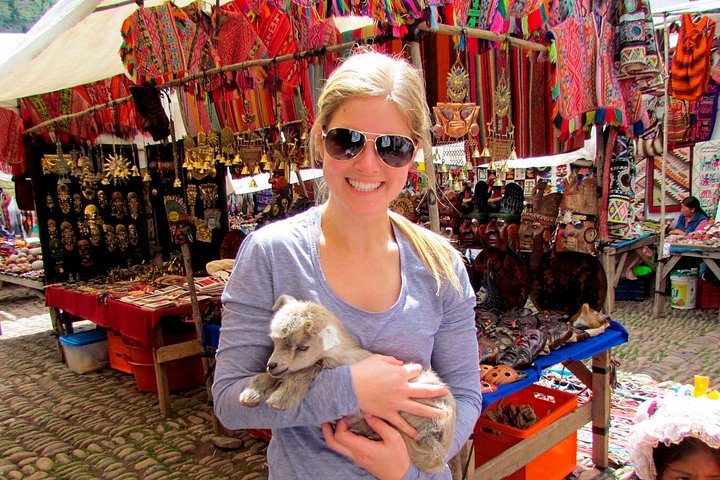
DoPisac Ruins and Market
A sweeping Inca citadel of terraces and temples on a spur above the valley, with a craft market in the town below. A private half-day tour takes the stress out of the steep road and the timing.
 Do
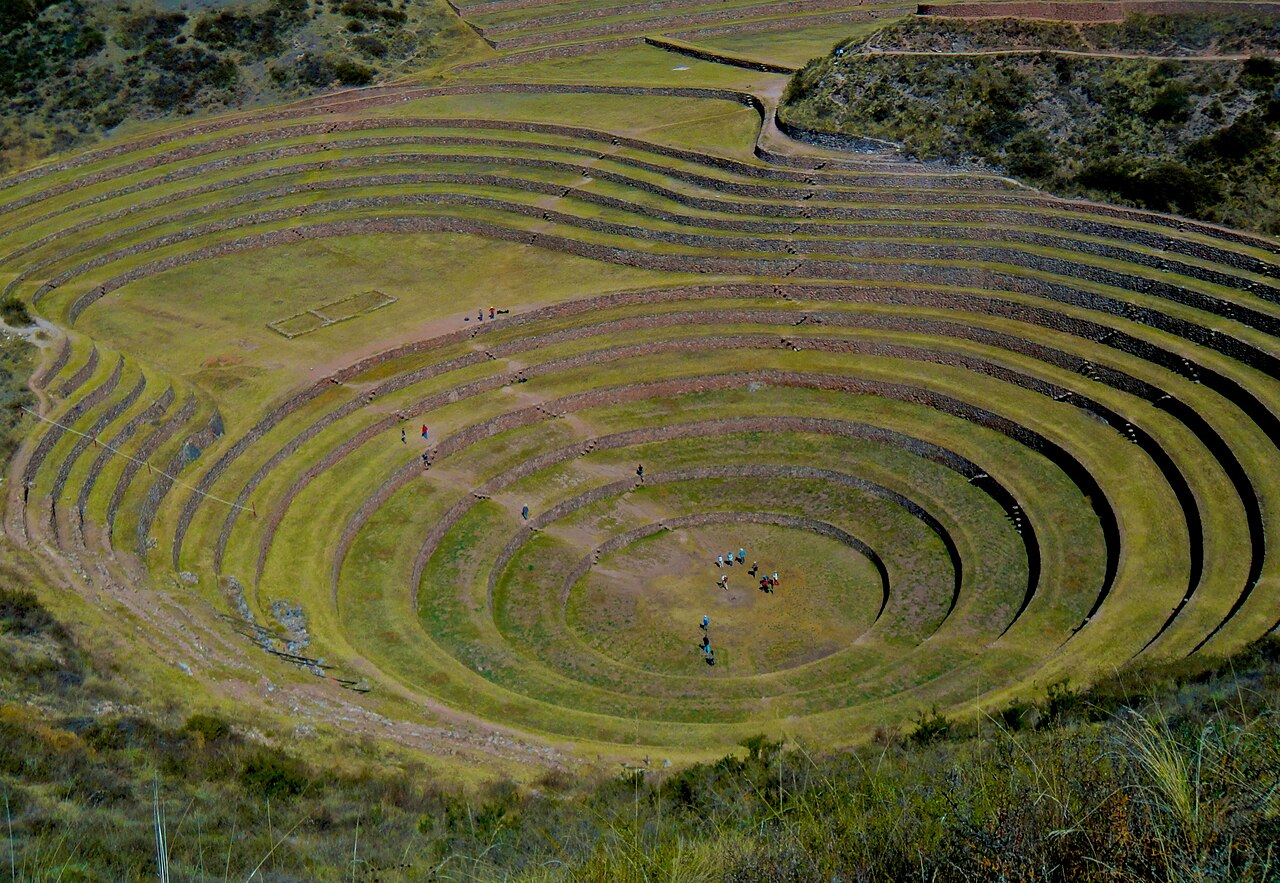
Moray Agricultural Terraces
Concentric circular terraces sunk into the earth like an amphitheatre, thought to be an Inca farming laboratory. A short, high-altitude stop, easily paired with the Maras salt pans on a half-day tour.
 Do
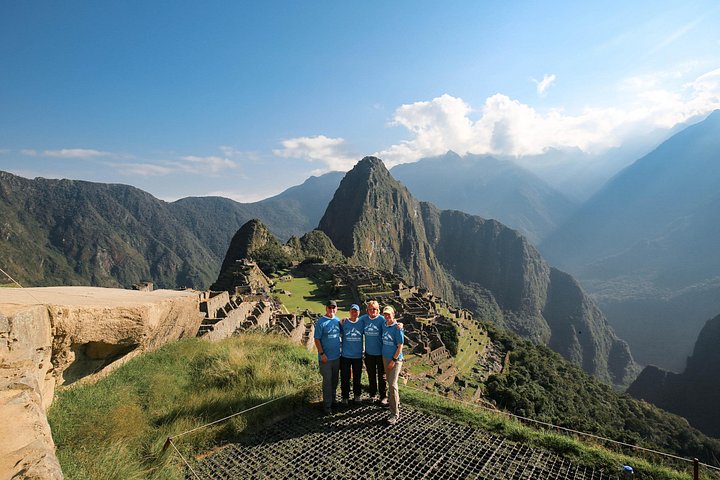
Short Inca Trail: Two-Day Hike to Machu Picchu
A taste of the Inca Trail without the four days: a train to the trailhead, a day on stone paths past Inca terraces, a night in Aguas Calientes and a guided morning at Machu Picchu.
 Do
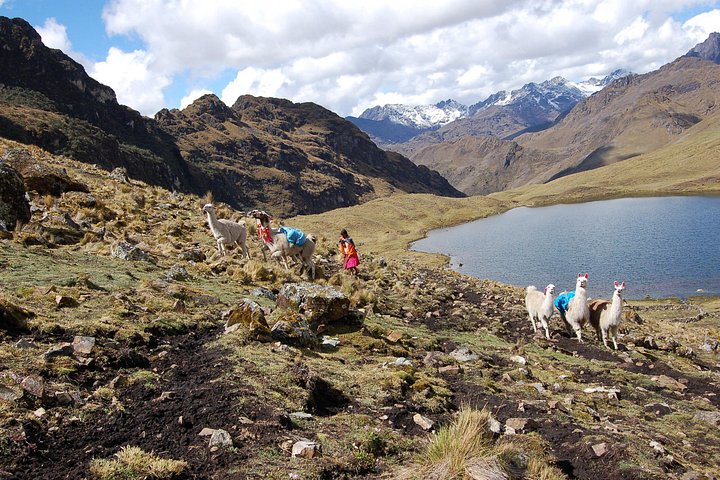
Lares Trek to Machu Picchu: Four-Day Trek
A four-day Andean trek through the Lares valley, with high passes, glacial lakes and weaving villages, finishing with the train to Machu Picchu. The cultural alternative to the crowded Inca Trail.
Hotel Pakaritampu
A friendly mid-range hotel in Ollantaytambo with garden grounds, mountain views and a free shuttle to the train station. The sensible base for an early train to Machu Picchu.
Aranwa Sacred Valley
A large riverside hacienda resort with a pool, a spa, spacious rooms with private hot tubs and a restaurant on site. The valley's comfortable choice for families and groups.