The Sacred Valley of the Incas runs along the Urubamba River between Cusco and Machu Picchu, a broad, farmed corridor at roughly 2,800 metres with Inca ruins on the hillsides and market towns on the valley floor. It rewards a little planning, because tickets, altitude and the weather all shape how the days go. This guide covers the decisions that matter most.
The season, plainly
The rainy season runs from about November to March. Expect cloud, afternoon showers, wet stone and a greener, quieter valley, with mornings often clear. Pack a light rain jacket or poncho, shoes with grip and layers for cold nights, and plan outdoor activities for the morning. Rafting, quad biking and the via ferrata may be changed or cancelled in heavy rain, so leave a spare day. The dry months from roughly May to October bring the clearest skies and the biggest crowds.
What to book ahead
Secure your Machu Picchu entry first, since slots are timed and limited, then match your train and shuttle bus to it. Book the train from Ollantaytambo well in advance for peak months. Everything else in the valley can be arranged a few days ahead, though a good guide for Pisac or Ollantaytambo is worth booking early. Adventure tours such as the quad bikes, via ferrata and rafting book up on busy days.
The Boleto Turistico
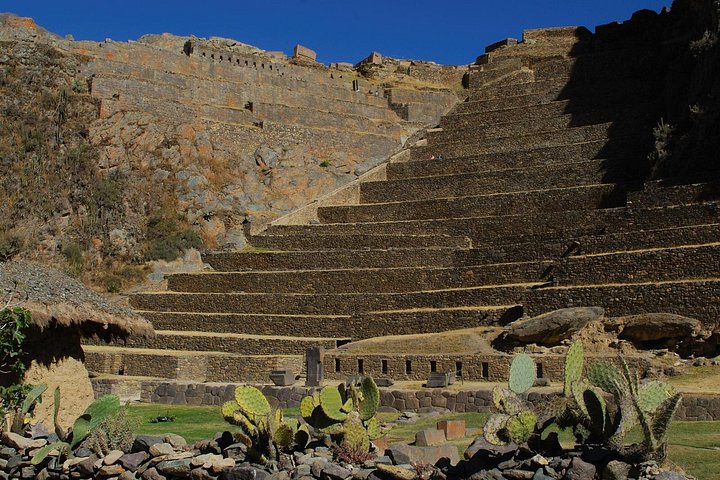
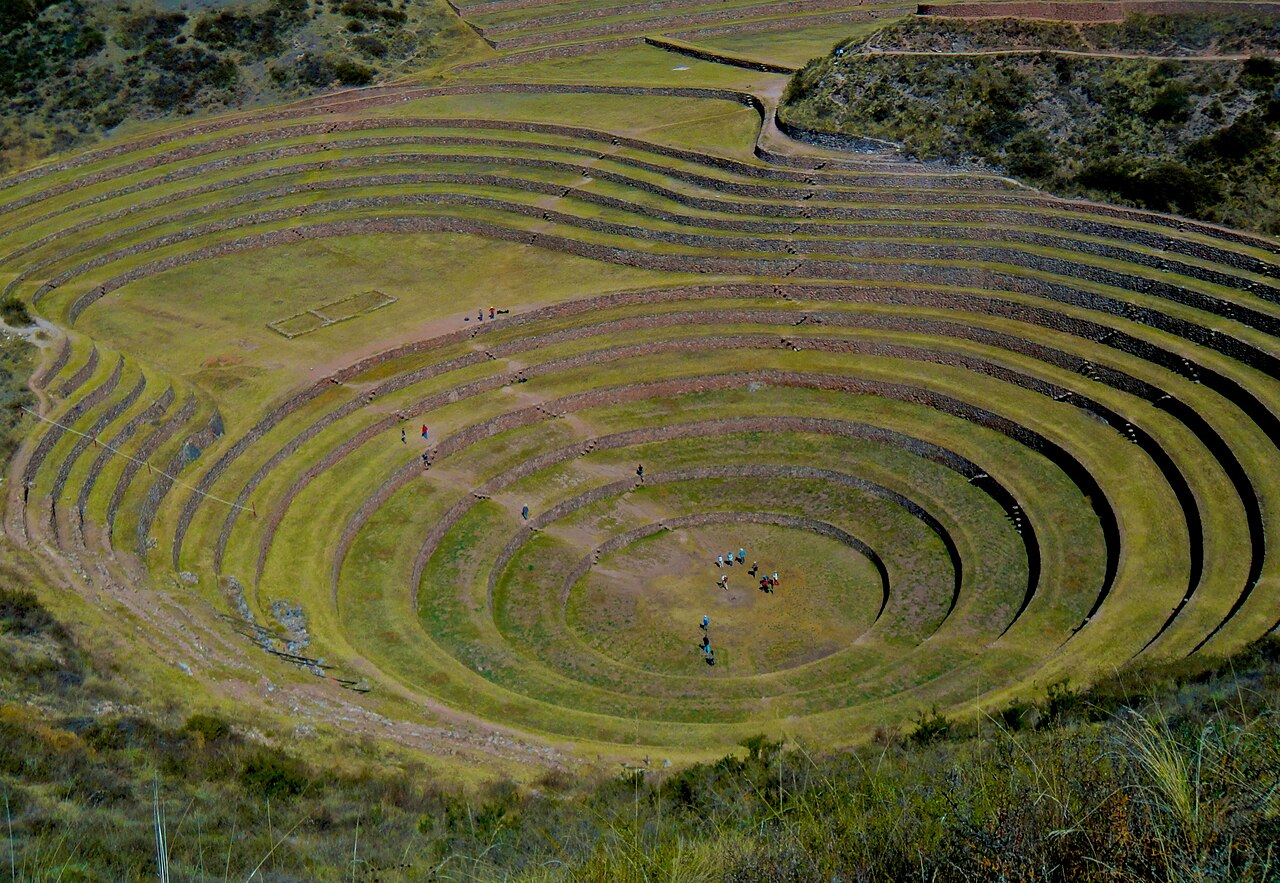
Most Inca sites in the valley are covered by the Boleto Turistico, the regional tourist ticket. The partial valley circuit covers Pisac, Chinchero, Ollantaytambo and Moray, lasts two days and is sold at the main office in Cusco and at several of the sites, often for cash. The full ticket covers more than a dozen sites over ten days. The Maras salt mines are not covered and are paid at the entrance, and Machu Picchu is separate. Check whether a tour includes the ticket, and carry soles for entry fees and small purchases.
Getting around
Taxis and colectivos link Urubamba, Pisac, Calca and Ollantaytambo cheaply, and hotels arrange private drivers. Day tours from Cusco are the simplest option if you have limited time. To visit several sites, hire a driver for the day or join a small-group tour, since sites such as Moray and Maras are off the main road. Trains from Ollantaytambo to Aguas Calientes take roughly an hour and a half.
How many days
Three days is a good minimum: one for Pisac and Chinchero, one for Moray, Maras and Ollantaytambo, and one for Machu Picchu. Four or five days lets you add an adventure day with the quad bikes, via ferrata or rafting, and a slow day in Urubamba. If you can, sleep in the valley rather than Cusco, because the altitude is gentler and you avoid long transfers. Spend a first night or two acclimatising before big climbs.
How the sights fit together
Pisac pairs with Urubamba and a night in the valley. Chinchero, Moray and Maras make a natural half-day loop, and the quad bike tour covers the last two in an exciting way. Ollantaytambo is the best base for the train to Machu Picchu, with its fortress and lanes, and staying there lets you catch an early train without a dawn drive from Cusco. A Machu Picchu day from the valley is long but doable, and many visitors add a night in Ollantaytambo on either side.
The honest summary
The valley is the most beautiful stretch of the Cusco region and a gentler place to spend time than Cusco itself. Buy the Machu Picchu entry early, learn what the Boleto covers, respect the altitude and the rainy-season mornings, and give yourself at least three nights. Then the valley becomes a series of slow, rewarding days.