Galicia has one of the best food cultures in Spain, and Santiago de Compostela is a fine place to taste it. The cuisine is built on exceptional seafood, good pork and beef, bread, cheese, vegetables and a growing wine scene. Portions are generous and prices are often kinder than in the big cities. Eating well here is easy once you know what to look for.
Seafood
The cold Atlantic gives Galicia some of the best shellfish in the world. Look for pulpo á feira, octopus boiled until tender, cut with scissors and served on a wooden plate with paprika, olive oil and coarse salt. Try zamburiñas, small scallops grilled in their shell, and navajas, razor clams. Percebes, the goose barnacles gathered from wave-lashed rocks, are a rare and costly delicacy. Seafood is usually sold by weight, so ask the price before ordering.
Empanada and bread
Galician empanada is a large, double-crusted pie cut in squares and filled with tuna, pork, cockles or other ingredients. It is served warm or cold and is perfect picnic food. Bread is also a point of pride, and country loaves from nearby villages are sold in the market. Pair them with a wedge of cheese.
Cheese
Tetilla, a creamy cone-shaped cheese, is the best known. Others include San Simón, a smoked cheese, and Arzúa-Ulloa. A cheese plate with local bread and a glass of white wine is an easy lunch. The market has stalls that sell by the slice.
Meat and stews
In cooler months, try caldo gallego, a hearty soup of greens, beans and potatoes, and lacón con grelos, boiled pork shoulder with turnip tops. Galician beef is excellent, and chops grilled over a fire are popular. Padrón peppers, small green peppers fried and salted, are an appetiser; most are mild, but some are fiery, hence the saying about luck.
Sweets
The Tarta de Santiago, an almond cake dusted with sugar and marked with the cross of Saint James, is the city's signature sweet. Look for bakeries that make it fresh and avoid factory-wrapped versions. Other treats include filloas, thin pancakes, and orange or chestnut desserts in season.
Wine and drinks
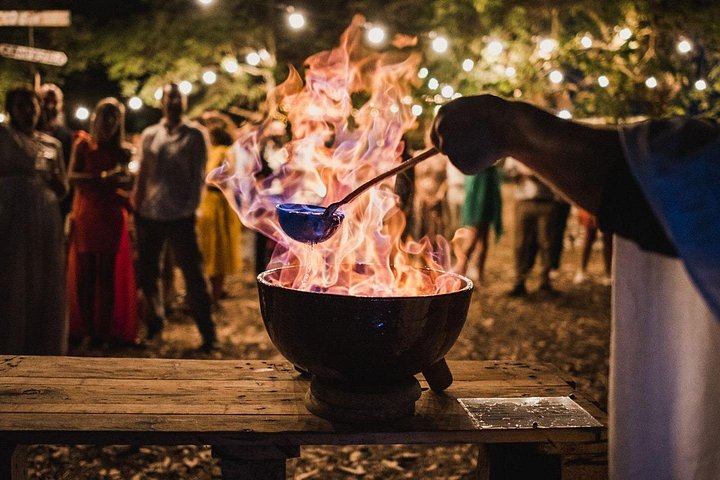
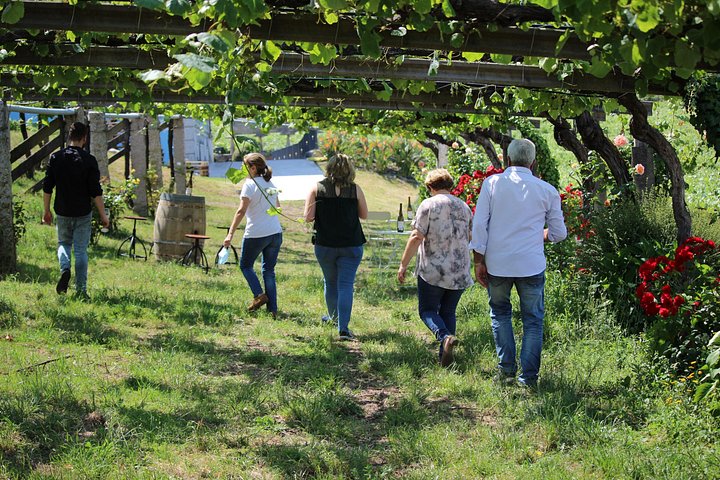
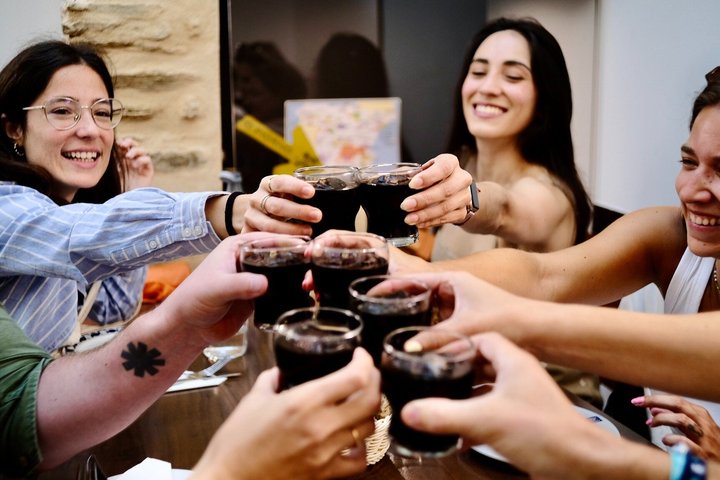
The white wines of the Rías Baixas, made from the Albariño grape, are crisp and aromatic and pair beautifully with seafood. Ribeiro, Valdeorras and Ribeira Sacra produce Godello whites and Mencía reds. In traditional taverns, wine may be served in a small white ceramic cup called a cunca. Orujo, a strong spirit, is often taken after a meal, and the queimada, a flaming punch with a spoken spell, is the most theatrical drink in Galicia.
Where to eat
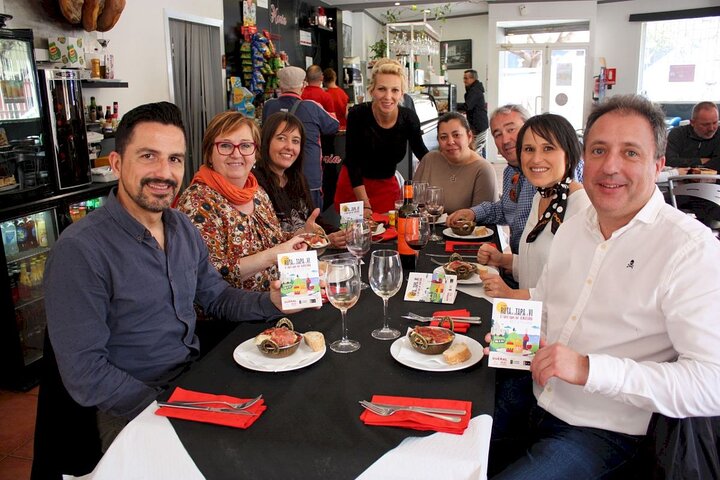
The Rúa do Franco and nearby lanes are packed with restaurants and tapas bars, and quality varies. Look for places where locals eat, menus are short and seafood is displayed fresh. The market area has simple bars where you can enjoy what is in season. A food tour or a tapas tasting is a good way to find the best spots. Reserve ahead for dinner on weekends and in peak season.
Mealtimes
Lunch is the main meal, usually from half past one to four, and dinner is late, with many kitchens opening around nine in the evening. Many restaurants offer a fixed-price lunch menu on weekdays, which is good value. Tapas bars serve small plates in the afternoon and early evening.
Dietary notes
Galician cuisine uses plenty of seafood, pork and wheat, so vegetarians and those with allergies should plan ahead. Tell staff clearly about restrictions, and ask whether dishes contain hidden ingredients such as pork fat. Vegetable dishes, tortilla and cheese are reliable options, and more places now offer vegetarian menus.
A sample day
Start with a coffee and a slice of Tarta de Santiago, then browse the market and pick up cheese and fruit. Have a long lunch of empanada, octopus and a bottle of Albariño, then rest. In the early evening, wander the old town for tapas, stopping at two or three bars for a glass and a small plate. Finish with a late dinner of grilled fish or seafood rice, and an orujo or a queimada if you are feeling brave. Eating this way spreads the cost and lets you taste a wide range of dishes without overdoing any one meal.